Why is out-of-home advertising effective?
Out-of-home advertising—often shortened to OOH advertising—still cuts through the digital clutter because it meets people in real places with clear, simple messages. It doesn’t chase clicks; it claims space. That physical presence makes OOH advertising a uniquely powerful tool for reach, context and creative clarity. This article explains why OOH advertising works in 2024-2025, how to plan campaigns that deliver results, and practical steps to measure impact.
OOH advertising’s three core strengths: reach, context and creative simplicity
The most obvious strength of OOH advertising is reach. A single billboard or mall screen can be seen by hundreds or thousands of people each day. Unlike many online ads that can be skipped or blocked, OOH advertising sits in public space where people expect messages. That expectation reduces friction: viewers are more likely to register an ad without the resistance they feel toward targeted digital ads.
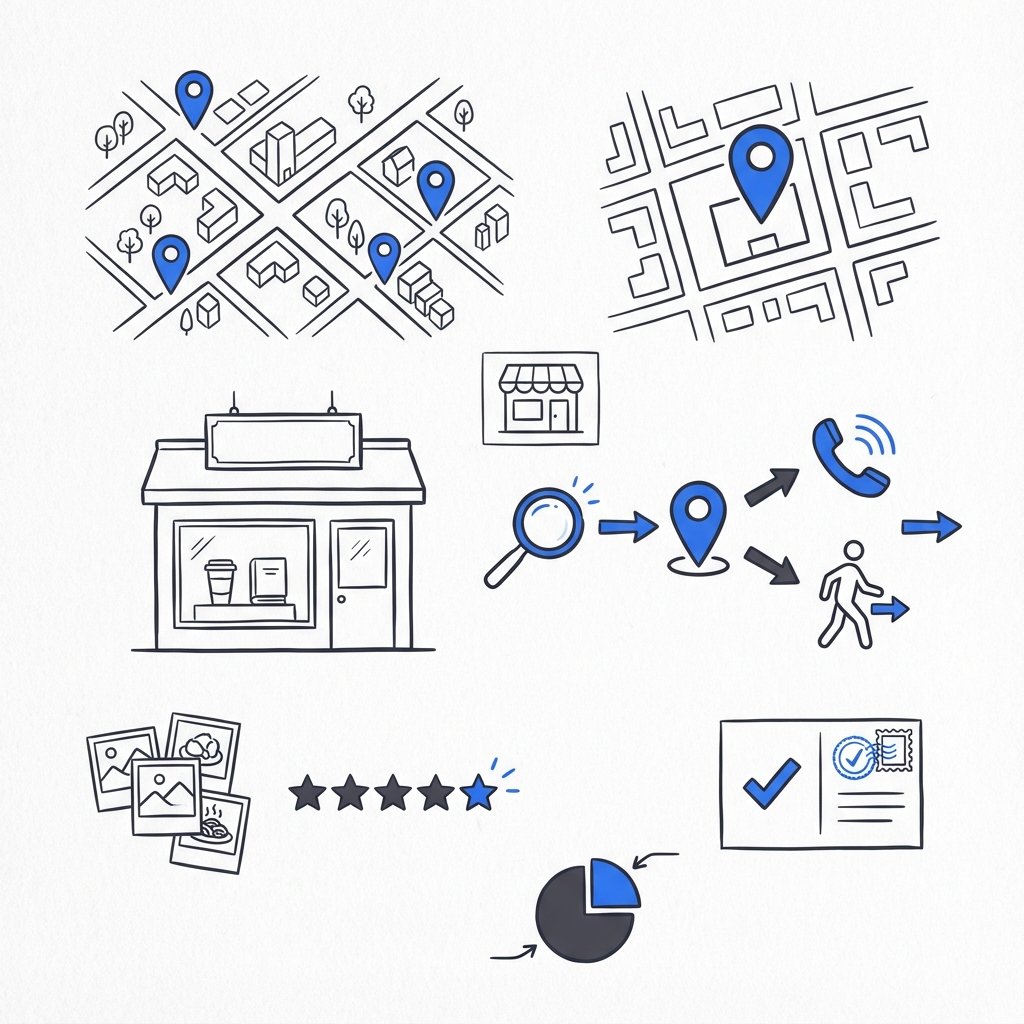
Context is a second advantage. An ad near a transit hub, grocery store or college campus finds people whose mindset and needs are aligned with the message. Location-led planning lets teams match creative to a moment—coffee near commuter routes, weekend sale creative near shopping districts, or event messaging close to venues. This alignment is a core reason OOH advertising moves awareness into action.

Finally, OOH advertising forces creative simplicity. With glance time measured in seconds, ads must be bold, legible and single-minded. When designers respect that constraint, the result is memorable communication rather than diluted clutter.
If you want expert help turning OOH advertising into measurable growth, contact Agency VISIBLE for a quick, practical plan that fits small and mid-sized budgets. Agency VISIBLE focuses on visibility, clear measurement and fast results.
Digital OOH: flexible, testable, and time-aware
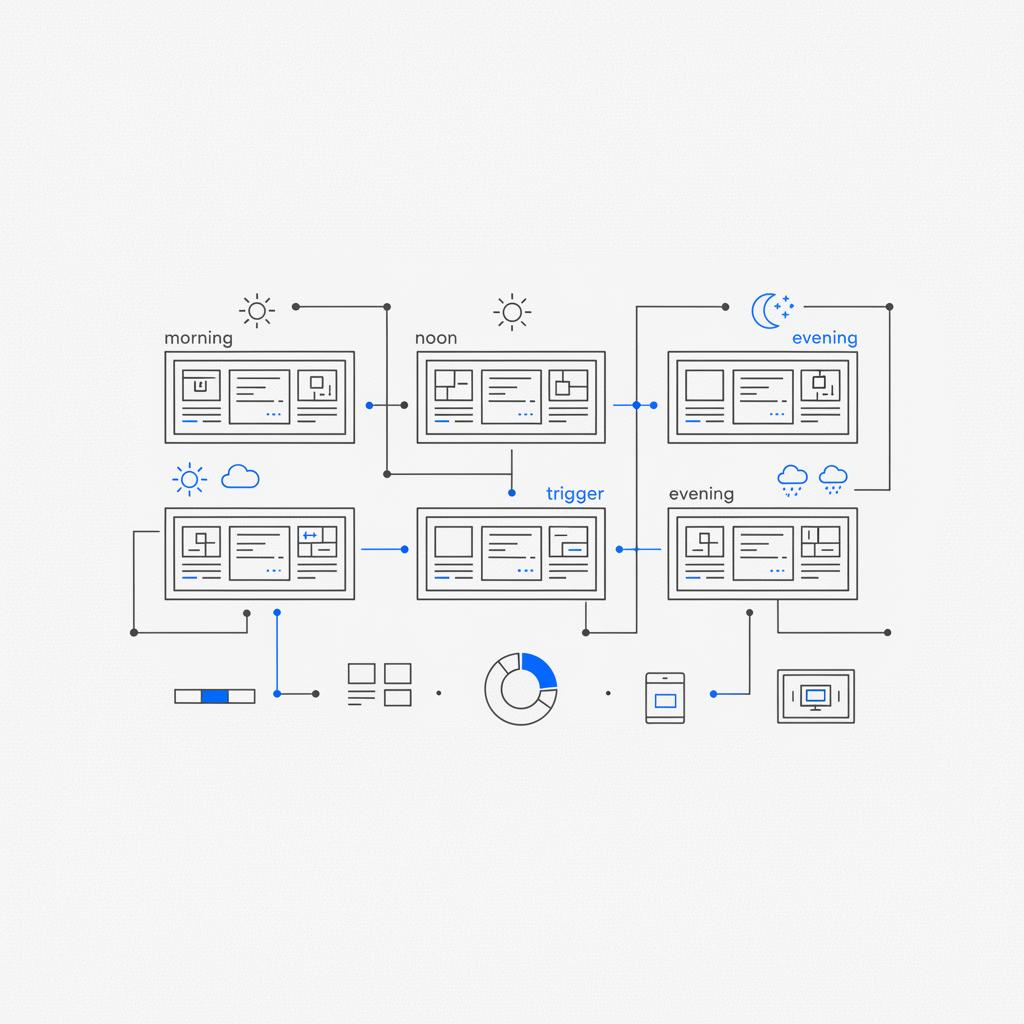
Digital out-of-home (DOOH) has layered flexibility onto classic OOH advertising. DOOH screens in airports, lifts and roadside units can change creative by time of day, weather or audience signals. Programmatic buying and dynamic creative let marketers test messages and scale what works. That responsiveness turns OOH advertising from a static presence into a live channel that can react to events, inventory and search trends.
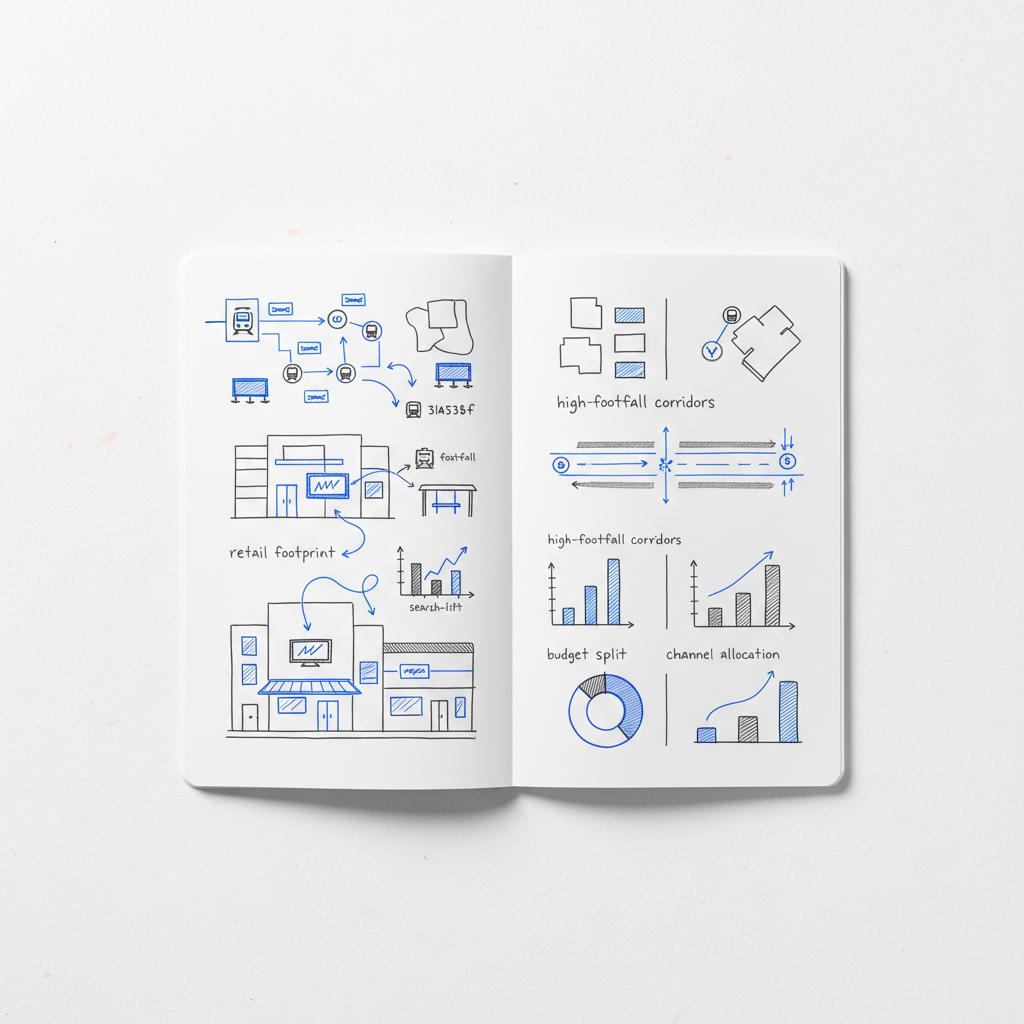
But technology is a tool, not a strategy. DOOH improves responsiveness and testing, yet the creative idea and the placement decision still drive whether a campaign lifts real business metrics. A clear logo supports quick recognition.
Measurement: progress and practical limits
Measurement used to be the soft underbelly of OOH advertising. Early planning relied heavily on traffic counts and modeled impressions. Those numbers were useful but distant from business outcomes. Today, improved measurement methods bring OOH advertising closer to action: mobile-location data, uplift studies, footfall attribution and cross-channel analysis combined give a much fuller picture. See the Nielsen analysis for examples of how OOH contributes to broader campaign impact.
Still, precision varies. Privacy rules and differences in mobile data coverage mean exact attribution can be inconsistent across markets. Viewability standards for outdoor are not as uniform as for online ads, and vendors use different baselines. That means marketers must pick measurement approaches that match campaign goals and accept some uncertainty.
The single biggest difference is placing a single, clearly defined objective at the center of planning—know whether you seek awareness, footfall or immediate sales—then match locations, creative and measurement to that objective so every choice supports one measurable outcome.
What OOH advertising reliably changes
Despite measurement limits, many studies show that OOH advertising reliably lifts awareness, recall and intent. OOH advertising often acts like a public signal: it creates familiarity that makes a brand easier to find later online or in stores. When OOH advertising is combined with search, paid social or email, the joint effect is often larger than the sum of the parts. See the OAAA report for recent survey findings and broader context.
For example, a concentrated OOH advertising flight around a weekend sale can spike local searches and footfall in ways that pure digital campaigns often don’t. The outdoor presence primes the audience; digital channels then convert curiosity into clicks or visits. Industry analysis such as the piece at MMA Global highlights how outdoor can boost digital effectiveness.
How to plan OOH advertising campaigns that actually work
1. Start with the right question
Begin by defining what you want OOH advertising to do. Are you seeking broad awareness, local footfall, or a timely promotional spike? Different goals demand different placements and creative approaches. Ambiguity here produces mediocre results; clarity produces measurable gains.
2. Understand your audience’s context
Where do your customers spend time? What are they doing when they see your ad? Context-led placement is thinking like a local: a snack brand might focus near convenience stores and commuter hubs during morning and afternoon peaks. Context reduces waste and increases the chance that a glance will turn into action.
3. Design for glance time
OOH advertising rewards editing. Strip the message to its core. Use legible fonts, high-contrast colors and a dominant visual. Assume three seconds or less if people are moving, and more if they’re waiting. Put details behind a follow-up channel—landing page, QR destination or search page—rather than on the ad itself.
4. Sequence and cross-channel orchestration
Plan how OOH advertising will work alongside digital channels. Use outdoor to create awareness, then follow up with targeted digital ads to convert. Or use digital to build trust and OOH advertising to signal presence and scale. Both approaches work when you have a clear hypothesis and the right measurement.
5. Frequency and rotation
People rarely change behavior after a single exposure. Thoughtful repetition—varying creative slightly by daypart, location or creative variant—helps move metrics. Run OOH advertising alongside a digital push for a defined flight to increase the chances of measurable uplift.
Practical measurement toolkit for OOH advertising
A practical measurement plan mixes methods. Here’s a simple toolkit:
Uplift studies
Brand-lift or panel studies measure changes in awareness, recall and purchase intent following exposure to OOH advertising. These studies are especially useful when you need to show brand impact.
Footfall attribution
When available, footfall data links outdoor exposure to store visits. Check the coverage and sample quality for the market—results can vary.
Mobile-location and event correlation
Aggregated mobile data can show increases in searches or web visits near flight dates. Privacy-safe aggregation matters here; choose reputable vendors and understand their sampling.
Digital signal tracking
Monitor search lift, website traffic spikes and social mentions during and after the flight. These signals are noisy but often correlate with OOH advertising exposure.
Triangulation
Combine the methods above to create a fuller story: uplift study shows brand change, footfall shows real-world visits, and search lift shows interest. Together these measures reduce uncertainty and strengthen business reporting.
Creative tips that make OOH advertising memorable
Good creative for OOH advertising starts with ruthless editing. Use these practical rules:
- One idea only: Say one thing clearly.
- Legibility first: Test copy at expected viewing distances.
- High contrast: Use bold color contrasts for readability.
- Single visual focus: Avoid busy images or multiple product shots.
- Short CTA: If you need an action, make it memorable and simple.
QR codes can work—just match them to dwell time. A transit shelter where people wait is a great place for a scannable code, a highway billboard is not.
Buying strategies and budget ideas
OOH advertising buys vary by market and objective. Here are practical buying approaches:
Pulse buy
Short, intense flights around events or promotions. Good for spikes in awareness and footfall.
Continuous presence
Steady, long-term presence to build brand familiarity. Works well when combined with fresh creative rotations.
Targeted micro-buys
Smaller, concentrated buys near point-of-sale or in high-footfall neighborhoods. Efficient for small businesses with local goals.
For most small and mid-sized brands, a focused pilot near key retail locations or transit corridors is the fastest way to learn what works without overspending.
Case examples and simple experiments
Real-world examples—both hypothetical and observed—help illustrate practical approaches you can replicate. See our projects for case work and format ideas.
Weekend sale pilot
A regional retailer runs OOH advertising for three days before a weekend sale around transit hubs and shopping centers. Creative is a single-line headline with discount and dates. The retailer pairs the flight with search ads and a social push. Post-campaign, the retailer measures search lift, footfall uptick and conversion increase on sale weekend. The combined data shows that the OOH advertising made other channels more effective by raising awareness and urgency.
Weather-triggered DOOH
A brand rotates DOOH creative by weather: cozy product messages on rainy days, outdoor lifestyle on sunny ones. This dynamic approach increases relevancy and recall because the message matches the moment.
Local launch micro-test
For a small brand launching in one city, a targeted cluster of bus shelter ads near high-density neighborhoods was paired with a coupon code unique to those locations. The code tracked conversions in local stores and online, giving direct evidence of OOH advertising-driven visits.
Common pitfalls and how to avoid them
Several predictable mistakes reduce OOH advertising effectiveness:
Overloading creative
Trying to pack web-banner copy onto a billboard ruins readability. Keep it bold and simple.
Poor placement
Context mismatch—ads that conflict with surrounding content or daypart—dilutes impact. Think like a local planner.
Unrealistic expectations
Expecting OOH advertising to close every sale is a mistake. It performs best as part of an omnichannel plan.
Poor measurement choices
Relying on impressions alone misses behavior. Balance modeled reach with uplift studies and local footfall metrics.
How to start a small, measured OOH advertising program
Here’s a practical, step-by-step plan for a pilot that keeps risk low and learning fast:
Step 1: Define goals
Set one primary KPI—awareness, store visits or search lift. Share the KPI with your team and vendors.
Step 2: Choose locations
Pick 8–12 placements in a tight geography near points of sale or transport hubs. Keep control locations for comparison.
Step 3: Design two creative variants
Make one bold headline-only creative and one slightly richer message for places with more dwell time.
Step 4: Measure
Run uplift panels, track footfall if available, and monitor search and web activity for the flight window plus a short follow-up period.
Step 5: Learn and iterate
Compare the pilot to the control geography. If the pilot shows positive signals, scale placements and keep testing creative variants.
KPIs to track for OOH advertising
Pick KPIs that match your goal. Here are common choices:
- Brand awareness and recall (uplift studies)
- Search lift and website traffic spikes
- Footfall or store visits (mobile attribution)
- Coupon redemptions or code-driven conversions
- Social mentions and earned exposure
Emerging trends shaping OOH advertising in 2024-2025
Three trends will matter in the near term:
Programmatic DOOH growth
Programmatic buying will continue to grow, letting marketers target more precisely and iterate faster.
Contextual and dynamic creative
Dynamic creative that adapts to weather, events or daypart will become mainstream, increasing relevance and recall for OOH advertising campaigns.
Privacy-safe measurement
Privacy rules push the industry toward aggregated, privacy-first measurement methods. Expect measurement vendors to offer more standardized, privacy-safe panels and aggregated location signals.
Checklist: before you buy OOH advertising
Use this short checklist to avoid common mistakes:
- Define a single clear objective
- Choose locations based on real footfall and context
- Design for glance time
- Plan sequence with digital channels
- Agree measurement approach before flight
A few creative examples you can copy
Examples for glance-time creative:
- Headline-only billboard: “FRIDAY: 40% OFF • MAIN STREET”
- Transit shelter: large product image + short benefit line + QR code
- DOOH dynamic loop: morning commute caffeine message → lunchtime offer → evening entertainment
Where Agency VISIBLE helps
Agency VISIBLE is built for businesses that need visibility fast and with measurable outcomes. We help pick locations, design glance-time creative, set up measurement, and build cross-channel sequences so OOH advertising becomes part of a clear growth plan rather than background noise. For teams that prefer to move quickly and want a partner that keeps things simple and accountable, Agency VISIBLE provides practical strategies and execution support.
Budgeting and ROI considerations for OOH advertising
Budget for OOH advertising depends on the market, format and flight length. High-visibility roadside billboards cost more than targeted bus-shelter or mall screens. Rather than chase the biggest format, align spend with your goal. If you need local footfall, micro-buys near stores are often more efficient than a single, expensive billboard.
Measure ROI through a mix of uplift studies, footfall and digital signals. If you see search lift and measurable increases in store visits during and after the flight, you are on the right track.
Final planning template: simple brief you can use today
Campaign brief template:
- Objective: (awareness / footfall / promo)
- Primary KPI: (e.g., +10% local searches)
- Target geography: (list specific neighborhoods or transit hubs)
- Creative: (variant A for highway, variant B for shelters)
- Flight dates: (start / end)
- Measurement: (uplift panel + footfall + search lift)
Summary: Why OOH advertising still matters
OOH advertising matters because it meets people in physical moments, delivers simple memorable creative, and acts as a public signal that makes brands easier to find. DOOH adds flexibility and responsiveness, while improved measurement tools make it easier to tie outdoor exposure to business outcomes. Use clear objectives, context-led placement and tight creative to get the best results.
Get a quick, measurable OOH advertising plan
Ready to make OOH advertising work for your business? Speak with a small-team partner that moves quickly and measures results. Get in touch with Agency VISIBLE to design a pilot and measurement plan that fits your budget.
Frequently asked practical questions about OOH advertising
Does DOOH replace static OOH? No. DOOH brings flexibility and testing, but static OOH retains power where a consistent presence and simplicity are the goal. Use both where they fit.
Can small brands afford OOH advertising? Yes. Focused micro-buys near points of sale or transit corridors give small brands a fast path to measurable local visibility.
How long before OOH advertising moves the needle? Short flights can spike awareness quickly, but deeper brand shifts need repeated exposure and coordinated cross-channel activity.
Parting thought
OOH advertising is not magic, but when planned with context and measurement it becomes a reliable engine for visibility and action. Ask the right questions, and let simple creative plus smart sequencing do the rest.
OOH advertising remains effective in 2024 when campaigns are targeted and integrated with digital channels. Industry spend and third-party brand-lift studies show that OOH advertising consistently lifts awareness, ad recall and intent. The best results come from location-led creative, cross-channel sequencing and measurement approaches that include uplift studies and footfall attribution.
DOOH offers flexibility—dynamic creative, time-of-day targeting and programmatic buying—that can make OOH campaigns more responsive and testable. Static OOH, however, still excels where a consistent, high-impact presence is needed. Many effective campaigns combine both: DOOH for relevance and testing, static OOH for broad, persistent visibility.
Small businesses can measure OOH advertising impact by running a focused pilot with clear KPIs: combine simple uplift panels, track local search lift and monitor footfall or store visits if available. Use unique coupon codes or landing pages to capture direct responses. If you prefer help, Agency VISIBLE can design a measurement plan tailored to your budget and goals.
References
- https://agencyvisible.com/contact/
- https://www.nielsen.com/insights/2024/measuring-out-of-home-impact/
- https://oaaa.org/wp-content/uploads/2024/04/Digital-OOH-Advertising-4.29.2024.pdf
- https://mmaglobal.com/articles/new-billboards-why-digital-and-ooh-advertising-are-partners-not-rivals
- https://agencyvisible.com/projects/
- https://agencyvisible.com/