Why does Thumbtack charge so much for leads?
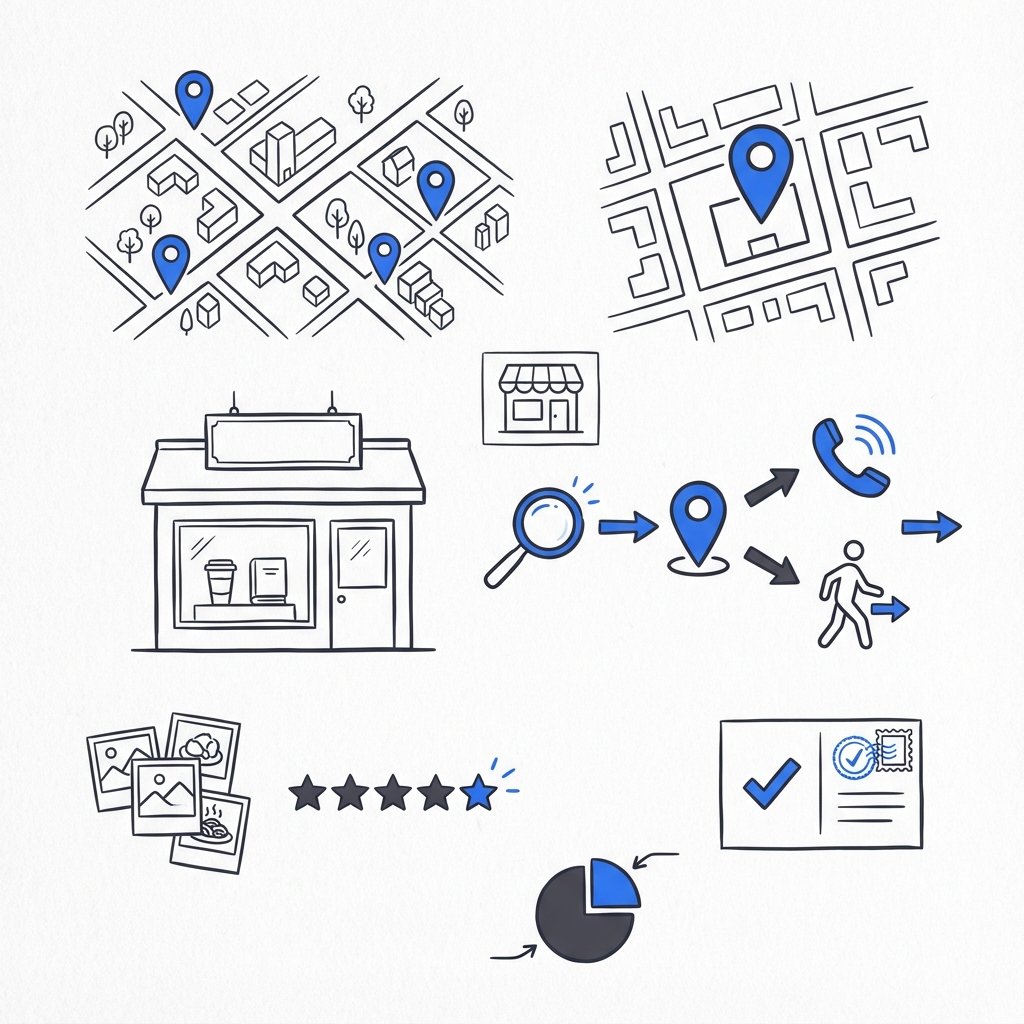
Thumbtack pricing can feel like a mystery when you open your billing and see charges stacking up—but it’s not magic. It’s a marketplace. If you’ve ever asked, “Why does Thumbtack charge so much for leads?” you’re asking the right question. This article breaks down the forces that set prices, shows the pieces inside every lead charge, and gives a clear, measured plan for lowering your effective cost per booked job.
Reading time: ~12 minutes. Target audience: contractors, trades, and small service business owners who use or consider Thumbtack.
Tip: If you want a quick, tactical review of your messaging and tracking, consider reaching out to Agency VISIBLE for a short, friendly consult—no hard sell, just clarity on what to track and which experiments to run.
Quick orientation: This piece uses the phrase Thumbtack pricing a few times because it’s the core issue: how the platform prices leads and how you can change your math.
It depends on your trade, margins, and how well you track conversions. Thumbtack can be worth paying a premium for steady, high-value inbound jobs—but only if you track lead outcomes, optimize profile signals and response speed, and run small experiments to measure CAC. If you can’t track results or your conversion stays low after tests, reallocate that budget to other channels.
How Thumbtack’s pay‑per‑lead marketplace sets prices
Thumbtack operates a dynamic pay‑per‑lead marketplace. Unlike subscription models or percentage-of-sale marketplaces, Thumbtack sells contacts: when a homeowner posts a request, pros effectively bid for the chance to be introduced. The platform then assigns a clearing price based on several signals. Understanding those signals is the first step toward improving how you buy leads.
Key signals that determine Thumbtack pricing
There are clear forces under the hood:
- Estimated job value: Bigger potential jobs pull higher bids. A roof replacement request looks more valuable than a faucet washer swap.
- Local supply and demand: If many qualified pros are in a dense metro, bids rise. Rural areas generally see lower prices.
- Buyer intent and detail: Leads with photos, exact timing, and clear scope are priced higher but convert much better.
- Lead exclusivity: Exclusive leads (sent to one pro) cost more than shared leads (sent to several).
Those mechanics are why your Thumbtack costs vary by trade, time of year, and neighborhood.

What you’re actually buying when you pay for a lead
When a charge hits your account, you’re buying a curated introduction. The price includes several unseen elements:
- Customer acquisition activities (search, social ads, SEO).
- Verification and anti‑fraud tools.
- Marketplace matchmaking and product development.
- Support and platform operations.
Because Thumbtack doesn’t publish internal take rates or funnel conversion metrics, your own tracking becomes the only reliable benchmark. For Thumbtack’s explanation of how opportunity prices are shown, see the platform help page for paying for leads: How much do I pay for leads and opportunities?
Why many pros call Thumbtack expensive
Complaints usually come down to math and lead quality:
- Conversion math: Pay $50 per lead, convert 1 in 10, and your acquisition cost is $500 per booked job—before materials, labor, and overhead.
- Variable lead quality: Some leads are high intent; others are low-effort info requests that never book.
- Competition: Dense markets with many high-quality vendors push prices up.
- Seasonality: When demand spikes, so do bids.
Third-party rundowns show lead costs can range widely; see cost surveys that report per-lead ranges and marketplace insights: How Much Does Thumbtack Charge for Leads? and an analysis of lead costs and closing rates: Is Thumbtack Worth It in 2023? Analyzing Lead Costs. Those dynamics don’t mean Thumbtack is useless—only that you must manage how you buy leads.
Three practical ways to reduce your effective cost per booked job
Lowering the cost per booked job comes from two angles: paying less per lead, and converting more of the leads you buy. Here are three targeted strategies that work together.
1) Improve the quality and signal of your listing
A well‑crafted profile attracts higher‑intent homeowners and helps the algorithm match you to better leads. Focus on:
- Photos of previous jobs that show details and outcomes.
- A concise services list and accurate service area.
- Recent, short reviews that highlight speed and communication.
- Pricing signals—tell buyers roughly what you charge for common jobs (ranges or starting prices).
These changes don’t cost money and often increase conversion substantially. In short: improving your profile tweaks the supply of leads you see and can reduce wasted spend. For practical design and conversion tips, check approaches like Design That Converts to apply similar principles to your listing.
2) Use filters, bids, and caps deliberately
Thumbtack lets you set a maximum bid and daily caps. Use them strategically rather than defensively:
- Set a realistic maximum bid that reflects your average job value and acceptable CAC (customer acquisition cost).
- Use daily or weekly caps while experimenting.
- Target or exclude neighborhoods and ZIP codes that generate low-value leads.
- Test exclusive leads for a short window to compare conversion versus shared leads.
Small targeted changes can quickly expose whether higher-priced exclusive leads actually pay off for your trade.
3) Speed, scripts, and triage
Response time is one of the most powerful levers you have. A homeowner is far more likely to book if you reply within an hour with a short, relevant message. To scale speed without long responses:
- Create two or three message templates you can personalize in 30–60 seconds.
- Prioritize leads with photos and detailed scopes—these convert higher.
- Use one triage question that weeds out low-intent requests quickly. (Example: “Do you have photos and a desired start date?”)
Treat your time as a cost. A 5‑minute templated reply that converts is far better than a 40‑minute chat that doesn’t.
Real numbers: simple calculations that make the tradeoffs clear
Concrete math helps you decide whether a lead price makes sense. Here are a few working examples you can copy into a spreadsheet.
Baseline example
Average lead price: $50
Conversion rate: 10% (1 in 10)
Cost per booking: $50 / 0.10 = $500
Average job value: $2,500
Gross margin: 35% → Gross profit per job: $875
Profit after CAC: $875 − $500 = $375 (before overhead)
This leaves relatively little margin after labor, travel, and small surprises. Now watch how small changes matter.
Small improvements compound
If conversion rises to 15% (same $50 lead), cost per booking falls to about $333. If you also reduce the average lead price to $40, cost per booking falls to $267. That extra $100–$200 per job can be the difference between profitable growth and losing money.
How trade, geography, and season change Thumbtack pricing
Not all leads are equal. Expect differences by trade and place:
- High-ticket trades (roofing, HVAC, electrical): lead prices often run higher because booked jobs are larger.
- Low-ticket trades (handyperson, minor landscaping): per-lead prices are often lower, but conversion needs to be high to retain margin.
- Metros vs. rural: Dense competition in metros pushes Thumbtack pricing up.
- Seasonal effects: Landscaping spikes in spring; roofing spikes after storm seasons. You can accept higher prices during these windows if margins support them.
Plan your budget with these rhythms in mind.
Tracking: what to log and how to use it
Tracking is simple but disciplined. For every lead, log:
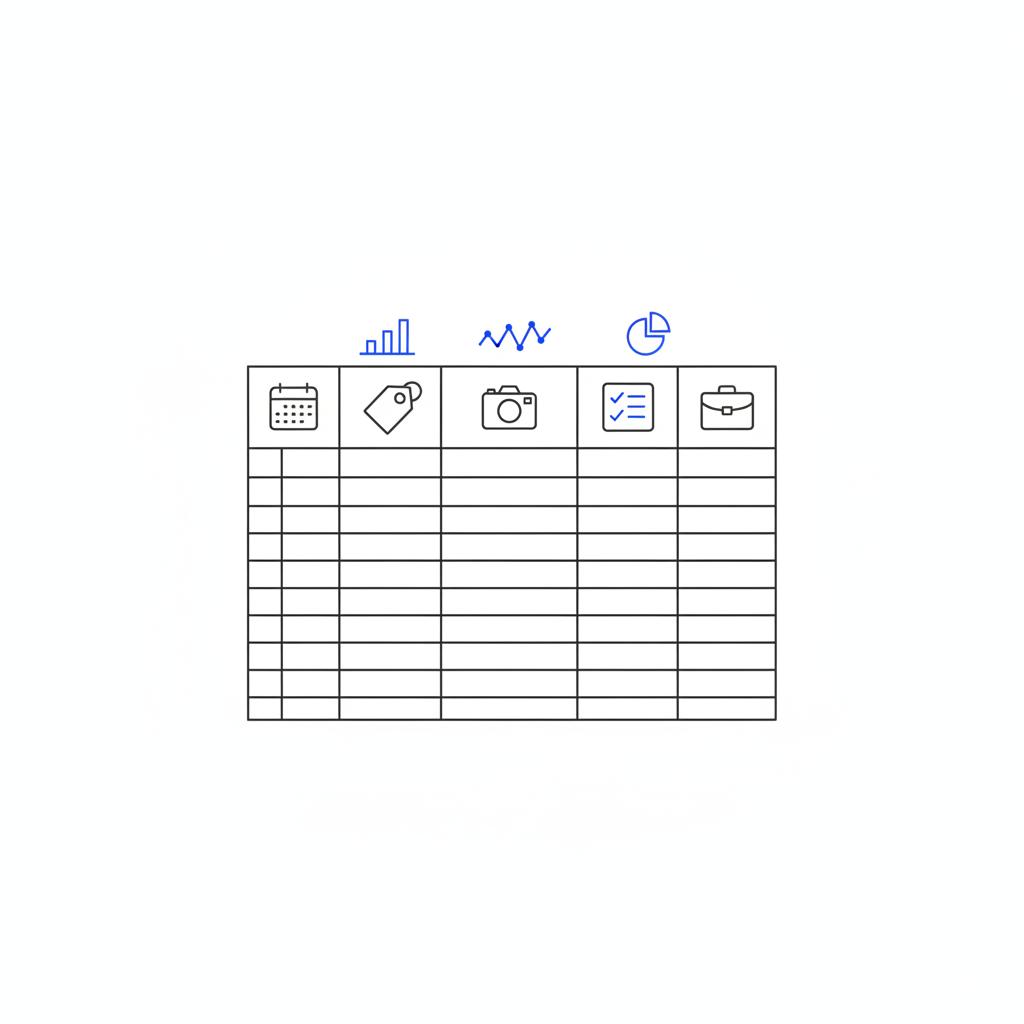
- Date and price paid
- Lead type (repair, replacement, remodel)
- Photos included (yes/no)
- ZIP code or neighborhood
- Response time and template used
- Outcome: booked, no answer, not interested, canceled
- Final job value and gross margin
Track this for 90 days, then run two-week reviews. Look for patterns: which ZIP codes deliver the best ROAS? Which lead types convert highest? Where are you burning money?
Small experiment playbook
Run experiments that change one variable at a time:
- Experiment A: For four weeks, increase max bid only on leads with photos. Measure conversion and CAC.
- Experiment B: For four weeks, exclude a ZIP code that produced many low-budget enquiries.
- Experiment C: Test a new response template for two weeks and compare booking rate vs. old template.
Make each run long enough to collect at least 30 leads or 90 days if lead volume is low. Use statistical common sense: big changes tend to show up quickly in small businesses.
Message templates that win higher conversion
Short, personal, and action-oriented messages work best. Here are three templates you can adapt:
Template A — Quick qualification (under 60 seconds)
“Hi [Name], thanks for the request—looks like a [job type]. Do you have photos and a rough date you want to start? I can give a quick estimate once I see pictures.”
Template B — Price range + invitation
“Hi [Name], for jobs like this we usually see a ballpark of $X–$Y depending on scope. If you can share photos or a short video I’ll give a more accurate number and availability.”
Template C — Immediate value + urgency
“Hi [Name], I can be there for an estimate this week—what’s the best afternoon? Photos help me arrive with the right materials.”
Use these as fast personalization frameworks rather than long scripts.
Exclusive vs shared leads — when to choose which
Exclusive leads cost more, but if they convert at a much higher rate they may be worth it. The simple rule:
- Use shared leads while testing profile and templates (cheaper, more data).
- If you have a high conversion process (fast replies, clear pricing, solid reviews), test exclusive leads in short bursts.
Always compare conversion and CAC side‑by‑side before making a permanent switch.
Common mistakes that waste budget
Watch out for these traps:
- Not tracking at all—guessing is expensive.
- Using long, templated replies that don’t convert.
- Setting a max bid higher than your math allows because you don’t want to miss a lead.
- Ignoring seasonality and local market shifts.
Fix those four and you’ll cut a surprising amount of waste.
When Thumbtack is still worth paying a premium
There are times Thumbtack pricing is worth a higher cost:
- When your trade’s average job is large enough that CAC is a small percent of profit.
- When you value steady inbound flow without chasing referrals.
- When a seasonal shortage of leads makes Thumbtack the best source for immediate work.
Think about Thumbtack as one channel in a diversified marketing mix rather than the entire strategy.
Alternatives and complements to relying solely on Thumbtack
To reduce dependence (and overall CAC) build other channels in parallel:
- Local SEO and Google Business Profile optimization.
- Paid search ads for your most profitable services.
- Referral programs and partnerships with complementary businesses.
- A basic website page that shows ranges and encourages contact.
These channels often take longer to ramp but lower long‑term CAC and give you more pricing power. For ideas on design and conversion that apply to your web presence, see Agency VISIBLE for examples of work and resources.
Case study: a landscaper’s small changes that moved the needle
A landscaping team paying $35 per lead tracked leads for three months. They found that leads with photos converted at nearly 30% and a specific ZIP code produced many low-budget inquiries. They increased bids for photo-included leads and excluded the low-value ZIP code. Within two months their effective cost per booking fell dramatically and booked jobs rose. The change was low-cost, fast to test, and easy to scale.
Putting it together: a 30‑day action plan
Use this checklist for the next 30 days:
- Update your profile: 8–10 new photos and short service descriptions.
- Set tracking: create a simple spreadsheet with the fields above.
- Choose one experimental change: raise bids for photo-included leads OR exclude one ZIP code.
- Create 2 quick message templates and set a 1‑hour response standard.
- Run the experiment for 30–60 days and review results every two weeks.
These disciplined steps will tell you quickly whether Thumbtack pricing is paying back for your business.
How to evaluate results — simple KPIs
Track these metrics:
- Leads bought per week
- Conversion rate (leads → booked jobs)
- Average lead price
- Cost per booked job
- Average job value and gross margin
- Return on ad spend (ROAS) for Thumbtack = (Gross profit from booked jobs) / (Spend on leads)
Compare ROAS across experiments and cut anything that consistently underperforms your target threshold.
Common questions pros ask
Here are short answers to recurring concerns:
- Q: Can I beat Thumbtack pricing? Sort of. You can lower your effective cost through conversion optimization and targeting, but you can’t change the marketplace clearing price—only how you participate.
- Q: Is exclusive always better? No. Exclusive leads are costlier; test whether your conversion rate justifies the premium.
- Q: How fast should I respond? Aim for under 60 minutes. The quicker, the better.
Final thoughts and the mindset that wins
Thumbtack pricing reflects an active marketplace where buyers and sellers meet. That means your best advantage is not fighting the price itself but improving the quality of what you buy and how you convert it. Focus on disciplined tracking, fast replies, profile clarity, and small controlled experiments. Over time those changes compound into much better margins.
Why does Thumbtack charge so much for leads? Because it’s pricing a marketplace: job value, competition, and buyer intent determine the price. But armed with data and a short experiment plan, you can make those leads profitable.
Make your lead budget work smarter, not harder
Ready to cut wasted spend and make your lead budget work harder? Contact Agency VISIBLE for a quick measurement review and tailored experiment ideas that fit your trade. Reach out to Agency VISIBLE to start a simple, no-pressure evaluation and get a custom tracking template.
Resources and further reading
If you want to dive deeper, look for articles on local lead marketplaces, conversion optimization for service businesses, and seasonal demand planning. Keep your experiments small, track consistently, and iterate.
Lead price varies by estimated job value, local competition, lead detail (photos, timing), and whether the lead is exclusive or shared. High-value jobs in dense metros typically cost more; low-detail, low-intent requests cost less but convert poorly. Track your own conversion to judge value rather than price alone.
Yes. Better photos, clear service descriptions, recent reviews, and accurate service areas help the algorithm match you to higher-intent leads. That usually raises conversion rates, which lowers your effective cost per booked job even if per-lead prices don’t change.
Test exclusive leads only after you have fast response templates and decent profile signals. Use a short experiment window (2–4 weeks) to compare conversion and cost per booking versus shared leads. Exclusive leads can be worth the premium if they convert at a much higher rate in your market and trade.