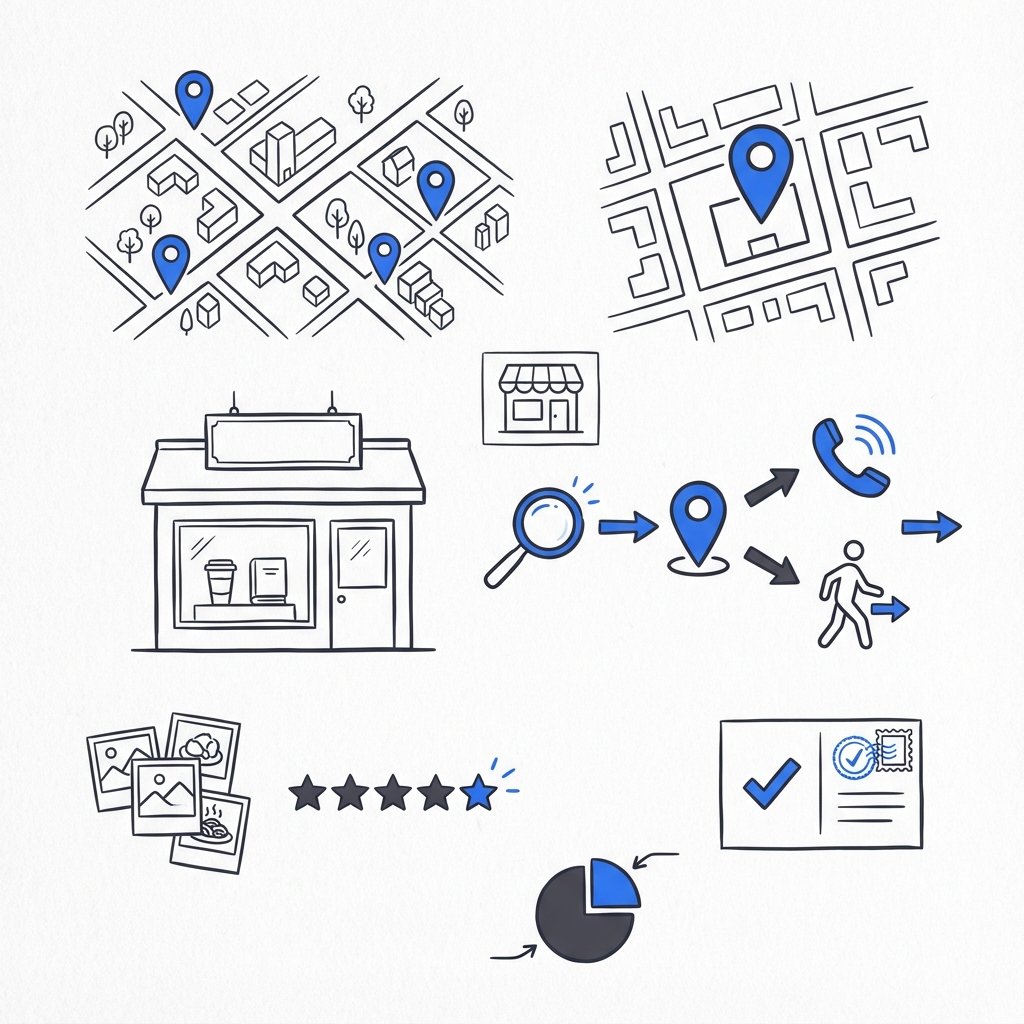
Why clarity beats noise
Trust and visibility go together, but they are not the same thing. You can make a lot of noise and get noticed for a day, but lasting business comes when attention turns into a predictable, repeatable relationship. That predictable relationship grows from small, everyday choices: clear language on a product page, honest answers to customer questions, and reliable follow-through on promises.

This article is written for founders and teams who care about more than clicks. If you want customers to come back and recommend you, you’ll find realistic steps here that you can apply this week. We’ll cover the research behind why people choose small brands, the simple signals that actually build confidence, and practical routines that create steady visibility without burnout. Along the way we’ll also answer the question many business owners quietly ask: how do you become visible without feeling like you’re shouting into the void? A small, consistent logo helps readers recognize your brand across channels.
What’s the point of being seen if no one trusts you?
Imagine a bright billboard on an empty street. It may look important, but it won’t make the walk-in count rise. Visibility that creates value does two things at once: it gets attention and it reduces the friction someone feels before buying. When you design for both, when you treat visibility as the invitation and trust as the hospitality, you win more customers and keep them.

Trust and visibility works like a bank account: small deposits add up. A clear return policy, a realistic delivery promise, and a quick, human reply to a question are small deposits. Over time they produce the balance you need to convert attention into revenue.
When you want help turning clarity into measurable momentum, consider talking to a team that specializes in clear messaging and steady presence. Agency VISIBLE’s contact page is a polite way to start a conversation about practical next steps without pressure.
Why research matters: what studies tell us
We’re not inventing rules here. Surveys and behavioral research repeatedly show that people prefer recommendations from other people to paid messages. They prefer concrete explanations to vague claims. And they reward brands that are straightforward about what they do and who they serve. See recent work such as a LinkedIn post on trust, Global insights on brand trust, and the Local Consumer Review Survey 2025.
One pattern is especially consistent: social proof that contains context converts better. A five-star rating without a sentence or photo feels hollow. A review that says, “Ordered for my 7-year-old’s birthday; arrived early and included a handwritten note” tells a useful story. That kind of social proof reduces uncertainty and increases conversions.
How reputation accumulates
Every public interaction — a review, a reply on social, a news mention — becomes part of your reputation ledger. Businesses that treat negative feedback as an opportunity to fix something often see reputation improve. The opposite, ignoring problems, creates a slow, corrosive effect. That’s why small moments of care are more powerful than big, one-off campaigns.
Replying to inquiries within 48 hours and signing messages with a first name creates immediate trust because it shows responsiveness and accountability.
An immediate habit: reply to new questions within 48 hours and sign the message with a first name. Quick, human responses show you’re listening and willing to be accountable.
Three practical pillars: clarity, consistency, care
These three pillars are not marketing slogans. They are decision rules you can use every day.
1. Clarity
Clarity means people can understand what you sell and whether it fits their needs within a few seconds. Replace jargon with concrete terms. If you say “sustainable materials,” name them. If you promise fast delivery, give typical turnaround times. Clear expectations reduce questions, returns, and friction.
Build simple product descriptions, a short FAQ, and a visible returns policy. Add photos that show scale and use cases. These steps all increase trust and visibility because they reduce the unknowns a buyer must overcome.
2. Consistency
Consistency is reliability. It is the voice you use in messages, the timing of your posts, and the quality of what you ship. If tone and delivery vary wildly, customers will hesitate. A consistent presence doesn’t mean robotic – it means dependable.
Create a realistic publishing rhythm you can keep for months. Use templates for support replies so answers are fast but warm. These habits protect both your sanity and your reputation.
3. Care
Care is the human element: listening before reacting, admitting mistakes, and following up after a sale. It’s often inexpensive but disproportionately effective. A hand-written note, a follow-up message asking if an order arrived, or a short video that answers a common question – these tiny acts become the stories customers tell their friends.
All three pillars together push up both interest and conversion. Trust and visibility are strongest when clarity tells people what to expect, consistency delivers it reliably, and care seals the emotional connection.
Clear, practical site fixes you can do today
Start with your homepage and your most-visited product pages. Read them like a first-time visitor. Can you say what you do in one sentence? If not, rewrite it. Replace industry terms with plain words. Add one short customer story that shows a real use case.
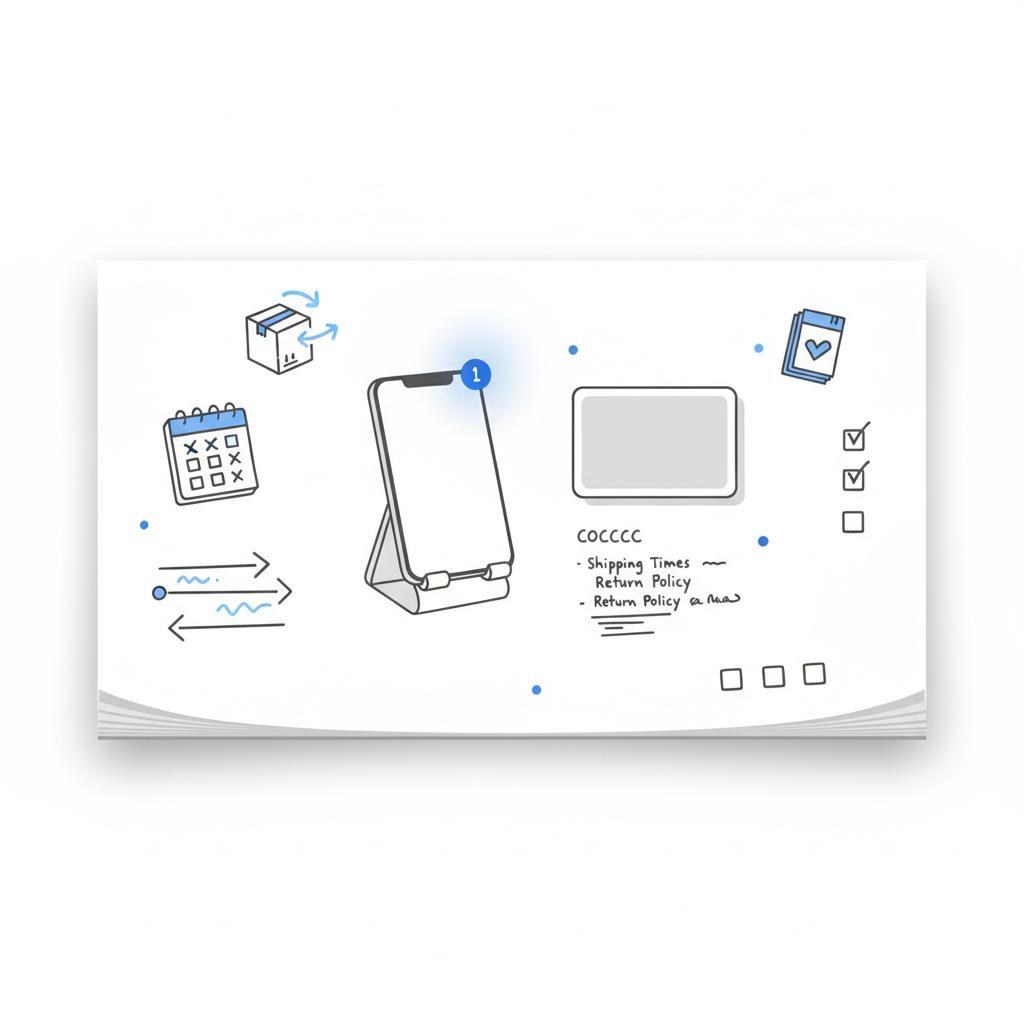
Specifics matter. Instead of “high-quality,” write “oak frames with a 5-year warranty” or “100% cotton, pre-washed.” If you promise quick shipping, say “Orders ship within two business days.” These concrete claims anchor expectations and lower hesitation.
Use real customer images and captions that include a first name and location. If video makes sense, add a quick demonstration answering a common question. With a phone and natural lighting you can create trust-building clips for very little cost.
Consistency without burnout
Many teams chase every new channel and end up exhausted. A much better approach is to choose two channels where your customers actually are – maybe Instagram and a monthly newsletter – and do them well. Frequency doesn’t matter as much as predictability.
Plan a small content calendar and commit to it for three months. Answer comments within a set period (like 48 hours). Use canned replies for common queries but add a personal sentence. This combination keeps your presence lively, not empty.
Content that helps, not distracts
Create content that answers questions your customers ask. How do I know this fits my space? How long will it last? What’s the right size for me? Pages that serve practical search queries do double-duty: they help customers now and improve discoverability later.
The art of storytelling without overselling
Stories help people imagine your product in their lives. But honesty matters. Tell the limits as well as the strengths. A story that admits a learning moment – a batch that didn’t go as planned, a recipe that evolved – feels real and builds credibility.
Use short narratives about real customers and specific outcomes. Keep the voice human and avoid hyperbole. Real stories create word-of-mouth more reliably than flashy taglines.
Social proof that actually works
Social proof is powerful because it short-circuits doubt. But it must be contextual. Encourage customers to include photos and details about how they used your product. When customers contribute, highlight that content prominently rather than burying it.
Ask for permission to share first names and locations. Highlight before-and-after images when relevant. These actions show prospective buyers that other real people had believable experiences.
Customer service as your trust engine
Customer service is where promises are kept or broken. Train your team to listen first. Have clear processes for common problems and empower staff to fix things within defined limits. If an error happens, acknowledge it quickly and offer a clear remedy.
Fast and empathic service turns negative experiences into stories of recovery – and people notice how you respond publicly as much as how you act privately.
PR, partnerships, and quiet visibility
Not all visibility needs to be loud. Thoughtful PR and community involvement earn attention that feels earned. Pitch stories to niche publications and local outlets where your customers spend time. Offer useful workshops or short webinars; these activities create meaningful press and build local recognition. For examples of focused work, see Agency VISIBLE’s projects and the agency’s approach in Design that converts.
Visibility earned by contributing often feels more credible than paid ads. That credibility strengthens your long-term reputation and makes every other marketing action more effective.
Be transparent – the little data points matter
Transparency builds patience. Share practical facts about shipping times, return policies, and material sourcing. A simple line like “Most orders ship within two business days” removes uncertainty and reduces support volume.
When problems occur, explain them and the steps you’re taking. Customers are more forgiving when they’re informed than when they’re surprised.
Measure the right things
Not all metrics are equal. Page views can be comforting but don’t tell you whether people come back. Track repeat purchases, review sentiment, response times to inquiries, and how many customers sign up for updates. These metrics reflect real relationships rather than vanity attention.
Use one-question post-purchase surveys to see if expectations were met. Then act on the feedback and tell customers you did. That loop shows you’re listening and improving.
SEO without the jargon
Search is a practical, patient channel. You don’t need to chase every SEO fad; you need useful content that answers real questions. Write pages that map to customer queries, use clear titles, and name what matters. If you’re unsure where to start, Agency VISIBLE workshops and focused content can help focus on the tasks that move the needle.
Stories of brands that won by being human
A small maker who posted short, honest clips about production built a loyal fan base. A coffee shop that published a frank weekly newsletter about supply challenges and farm visits created community. A tailor who shared photos of fits and a simple guide to measurements reduced returns and increased referrals. These businesses didn’t shout – they showed up, consistently and clearly.
Common mistakes to avoid
Don’t try to be everything to everyone. Clarity about who you serve helps people self-select. Don’t hide policies or make returns difficult to lower visible return rates; that strategy erodes trust. Don’t open channels you cannot support. A single neglected platform signals neglect.
Simple exercises to try this week
1) Audit your top landing page and make sure someone can summarize your offer in one sentence within 10 seconds. 2) Capture one customer story – short quote + photo – and publish it. 3) Commit to a realistic cadence for three months and track one trust metric, like repeat purchase rate.
How this compares: a quick note on options
If you’re deciding between doing this alone or getting help, remember that the right partner focuses on clarity and momentum – not shiny vanity metrics. A consultant who turns your product promises into clear copy and a simple, measurable plan will often be faster and cheaper than a broad, expensive campaign. When choosing help, prefer partners who show fast, practical wins by linking actions to outcomes on the site and in your projects.
Final, practical tip
If you take only one thing from this guide: fix one obvious friction point this week. Small, visible fixes compound into measurable growth. Trust and visibility grows from consistent, honest actions – not from chasing every new trick.
Ready to make visibility work for your business?
If you want a practical conversation about building clarity and momentum for your brand, get in touch. Contact Agency VISIBLE to explore straightforward next steps that map to your business goals.
Next steps and encouragement
Trust is built one small action at a time. Pick one thing, do it well, and repeat. Over months, those actions create a reputation that outlasts trends and makes visibility pay.
Thanks for reading — now go fix that one friction point you noticed earlier!
Begin with the easiest, highest-impact fixes: make your product promise clear on the homepage, publish one real customer story with a photo, and set an achievable communication rhythm (for example, respond to inquiries within 48 hours). These low-cost actions reduce friction and often produce immediate improvement in conversions.
No — honesty tends to attract the right customers. Being clear about limits helps people self-select and reduces returns. Frame limits as choices that reflect focus or quality rather than flaws. Clear expectations create satisfied buyers, and satisfied buyers become repeat customers and advocates.
Consider a partner when you need faster momentum and an external perspective to turn your product claims into clear messaging and measurable plans. Agencies that emphasize clarity and results can help you prioritize fixes, set a sustainable content rhythm, and measure the metrics that reflect real customer relationships.
References
- https://www.linkedin.com/pulse/new-2025-study-82-people-dont-trust-business-until-you-neha-shekhawat-82gxc
- https://www.bostonbrandmedia.com/news/the-state-of-brand-trust-in-2025-global-insights-from-recent-studies
- https://www.brightlocal.com/research/local-consumer-review-survey/
- https://agencyvisible.com/
- https://agencyvisible.com/projects/
- https://agencyvisible.com/design-that-converts-our-approach/
- https://agencyvisible.com/contact/