Understanding the role: what a Google ranking expert does
If you’re scanning the market and asking Who is the Google ranking expert? you’re not alone. That phrase crops up in conversations, vendor pages and pitch decks—sometimes as a serious job title, sometimes as a marketing flourish. At its best, a Google ranking expert is a blend of strategist, technician and experimenter: someone who brings together technical SEO, content strategy, link and authority building, analytics, and careful testing to improve organic visibility in measurable ways.
The difference between a genuine Google ranking expert and a salesperson with a slide deck is measurable outcomes, transparent methods and relevant experience. The real practitioner can diagnose a site’s structural problems, rewrite content to match user intent, shape acquisition strategies for meaningful links or mentions, and run tests that prove what works.

Why the role matters in 2025
Google has steadily shifted emphasis toward quality, credibility and user experience. E-E-A-T – Experience, Expertise, Authoritativeness and Trustworthiness – is no longer a slogan but a practical lens the search ecosystem uses. Since 2024, Google reported big drops in exposure for low-quality content, which means that work focused on real experience and helpfulness increasingly wins. A modern Google ranking expert understands this shift and designs work to align with those signals.
One practical tip: if you want a quick, human-first conversation about measurable SEO work and how it might fit your business, consider reaching out to Agency VISIBLE via their contact page. A short consult can help you see whether an expert’s approach matches your expectations without a salesy pitch.
Pick a high-value page, rewrite it to match the specific user intent you observe in Search Console (answer the user’s question quickly and clearly), add any relevant structured data, and track impressions and clicks for 60–90 days. Document your hypothesis, expected result and outcome; that discipline separates guesswork from evidence.
The core responsibilities of a Google ranking expert
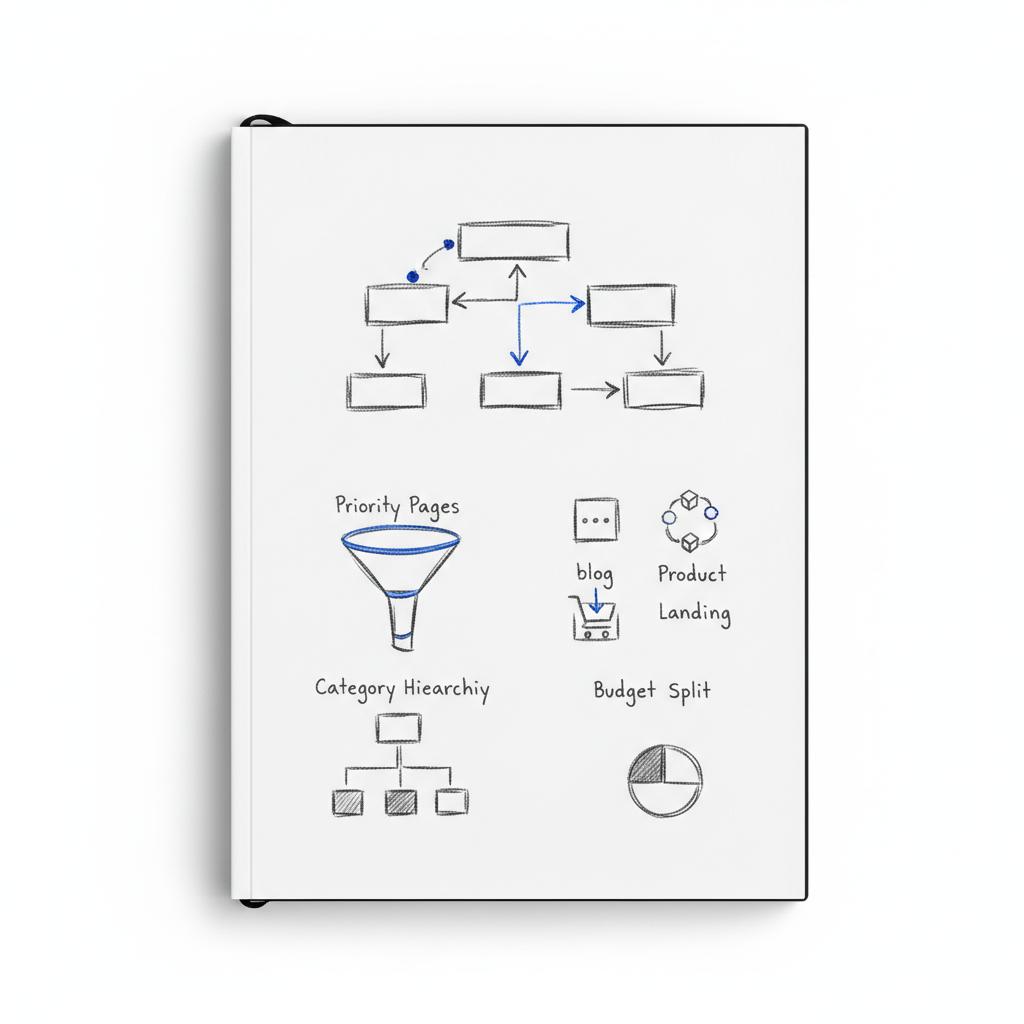
A credible Google ranking expert typically provides three core deliverables: diagnosis, prioritized action, and measurable reporting. Diagnosis includes a crawl of the site, a content audit mapped to search intent, server log review to see what search engines actually request, and a backlink profile check. Prioritized action is a clear plan that ties tasks to measurable metrics: impressions, clicks, sessions, conversions and indexing health. Reporting is transparent and regular, with raw numbers paired with plain-language interpretation.
What the diagnosis looks like in practice
Here are the common elements you’ll see when an expert builds a baseline:
Inventory: a map of pages and content types, usually exported from a crawler or CMS.
Crawl analysis: discovery of broken pages, redirect chains, canonical issues and orphan pages.
Server logs: a record of what bots request, useful to spot crawl waste or blocked resources.
Backlink review: authority signals and toxic links that may need disavowal or outreach.
Content audit: mapping pages to user intent and identifying thin or duplicate pages.
How to evaluate someone claiming to be a Google ranking expert
If you are a small business owner wondering how to evaluate candidates, think in terms of evidence, not promises. Ask about recent case studies with baseline numbers, timeframes and controlled comparisons. Demand clarity on tools and methods. Ask how they treat AI-generated content, and whether human review is part of their editorial process. A true Google ranking expert welcomes questions about experiments that failed as well as those that succeeded.
A hiring checklist to use in interviews
Use this as your mental checklist when vetting:
1. Evidence-based results: recent case studies showing baseline metrics and timeframes.
2. Measurement conventions: which platforms they use (Search Console, GA4, server logs) and what metrics they prioritize.
3. Implementation clarity: what they will change directly and what requires your input.
4. Content handling: policies on AI-assisted writing and human editing.
5. Experiment discipline: documentation of hypotheses, tests, and outcomes.
Realistic timelines and expectations
SEO is rarely instant. In many competitive categories, meaningful improvement takes three to twelve months. Low-competition niches may see wins in a few weeks if content and local signals are weak or missing. Enterprise and crowded categories can take longer, and wins are often incremental—moving clusters of pages from page two to page one, or improving conversion rates on high-traffic landing pages.
Quick wins versus long game
Quick wins often include:
– Fixing noindex/crawl-block errors
– Adding missing meta titles and clear headings
– Implementing structured data for events, products or recipes
– Tidying redirect chains and eliminating duplicate content
Longer work usually involves:
– Building topical authority through consistent, useful content
– Earning high-quality backlinks and brand mentions
– Improving Core Web Vitals and mobile UX at scale
– Designing a measurement framework that ties organic traffic to revenue
Tools, but used with judgment
The right tools are means to an end. Professionals rely on Google Search Console and GA4 for primary measurement, server logs for crawl visibility, crawler tools for structural mapping, and backlink platforms to track authority. But a tool is only as good as the question you ask it: why are these pages not ranking, and what hypothesis will we test to fix them?
Common toolset you’ll hear mentioned
Screaming Frog or similar crawlers, a log-parsing tool, Search Console, GA4, and a backlink platform. Experienced experts will use these tools to answer specific questions and avoid over-reporting vanity metrics.
Agency Visible Logo
Step-by-step: how to become a Google ranking expert
Thinking of doing this yourself? Here’s a practical progression that moves from fundamentals to professional practice. Each step is hands-on—reading alone won’t cut it.
1. Learn the basics: how crawling and indexing work, HTML basics and structured data, the principles behind Core Web Vitals.
2. Practice in Search Console and GA4: set up a test site or volunteer for a real project to see how changes affect impressions and clicks.
3. Run diagnostic projects: generate a crawl map and compare it to indexing, spot duplicate or thin content, and learn to read server logs.
4. Build experiments: rewrite an article to match intent, test page-speed improvements and monitor engagement, add schema and observe rich result emergence.
5. Document everything: task, hypothesis, expected result, timeframe and outcome. Evidence is your currency.
Specialise and communicate
Top experts specialize—by industry, CMS or content type. That depth helps anticipate trust signals and compliance needs. Equally important are soft skills: clear scopes of work, plain-language reports, and realistic expectation-setting.
What winning work looks like
Measured wins usually follow a repeatable pattern: record a baseline, introduce controlled changes, and document outcomes. A credible expert will agree on interim milestones and realistic timelines.
For example, a local bakery aiming for “sourdough classes” might get measurable improvement by adding structured data for events, improving mobile UX, and boosting local citations—measurable gains could appear in six to twelve weeks. A mid-sized SaaS company will have a longer runway: mapping dozens of modules, prioritising pages, fixing crawlability and refining product messaging—expect months, not days.
Reporting that matters
Good reporting is not a wallpaper of screenshots. It shows raw numbers—impressions, clicks, sessions, conversions—alongside clear interpretation. It connects changes to outcomes and calls out uncertainties or failed experiments honestly. That narrative is how you know the work is thoughtful rather than formulaic.
Case studies: two practical examples
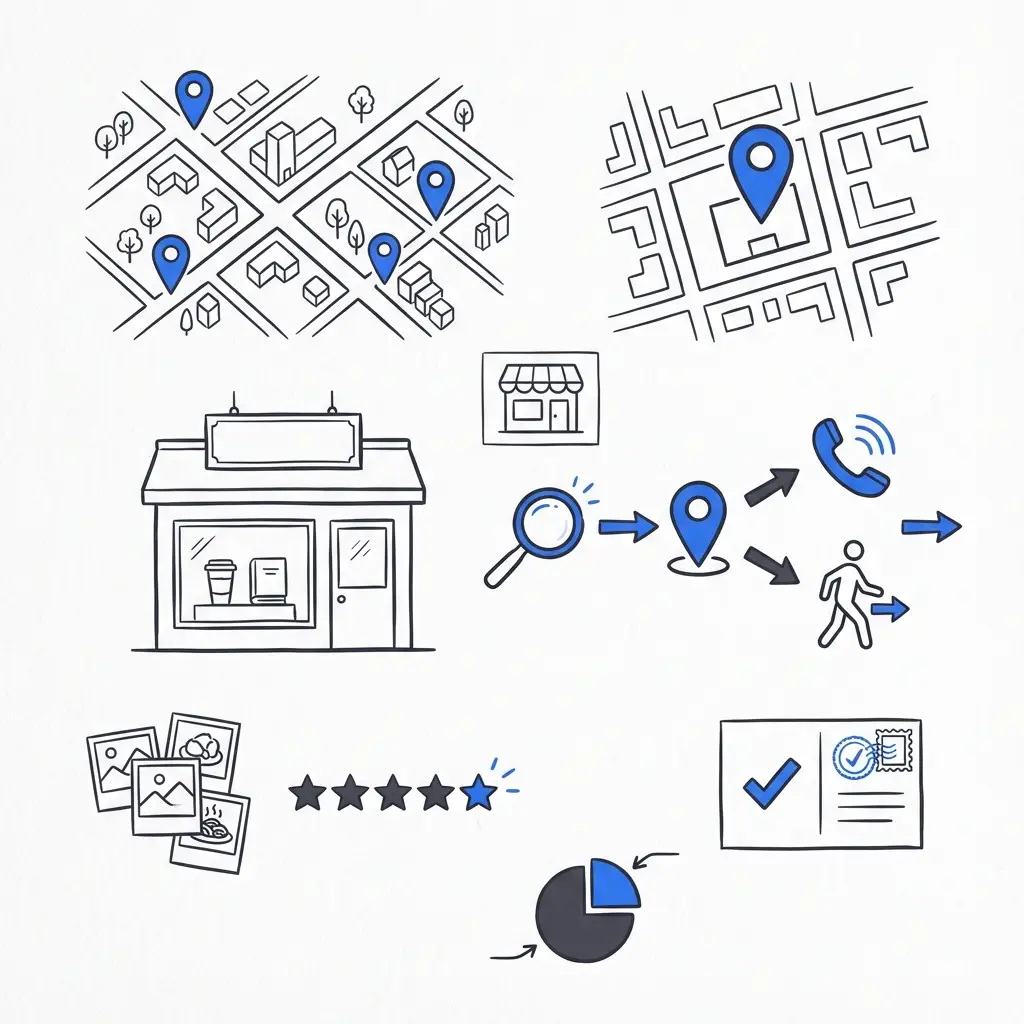
Local business (bakery): focused on local intent, added event schema, fixed indexability issues and improved mobile pages. Result: higher local impressions, more event clicks and measurable booking increases within two months.
Mid-market SaaS: prioritized deep product pages by commercial intent, fixed crawl issues, and rewrote feature pages for clearer intent-match. Result: incremental traffic gains and a 10–20% improvement in free-trial sign-up rate on target pages over six months.
Common risks and red flags
Beware of:
– Guarantees of a #1 ranking (walk away).
– Consultants unwilling to share raw data or explain methods.
– One-off audits without an implementation plan.
– Over-reliance on AI without human editing and experience signals.
How experts handle AI content
AI can help scale draft creation, but quality comes from human review and experience. A responsible Google ranking expert will use AI as a draft tool, not as the final product; they will edit for originality, add real experience and ensure content meets E-E-A-T standards.
Payment models, costs and timelines
Engagements vary: short audits with implementation are budget-friendly but limited in impact. Monthly retainers typically suit ongoing work that includes content production, technical fixes and authority-building. Budget expectations should match scope: wider programs with outreach and content at scale cost more and take longer.
A simple budget frame
– Small projects (local site fixes, event schema): lower, with quick returns (weeks to months).
– Mid-market programs (content clusters + technical debt remediation): mid-range, 3–9 months to see consistent gains.
– Enterprise-level initiatives (site migrations, sustained authority building): higher budgets and 6–12+ months timelines.
Checklist: hiring a Google ranking expert
Before you sign, ensure you have:
– Clear baseline metrics (Search Console and GA4 access).
– Agreed measurement goals (impressions, clicks, conversions).
– A documented scope with who implements changes.
– A cadence for raw-number reporting and plain-language interpretation.
– References who can confirm the consultant’s work and approach.
Contract elements to watch for
Include specifics: deliverables, timelines, who owns assets and content, reporting frequency, exit terms and data access. Avoid vague language promising a ranking number—insist on process and outcome metrics.
Frequently misunderstood concepts
“Backlinks are dead”: Not true. High-quality backlinks remain a core trust signal.
“Speed is everything”: Important, but only one factor among many; relevancy and authority still dominate.
“AI will replace SEO experts”: AI helps, but it doesn’t replace judgment, experimentation or domain-specific experience.
Why transparent reporting beats guarantees
Guarantees about rank positions are a sign of poor practice. The search ecosystem changes—competitors react, Google updates signals, and many factors are outside a consultant’s control. What matters is a reproducible, evidence-based process: record baselines, run controlled tests, and report raw numbers so you can make a business decision.
Practical templates you can use today
Use these templates to start meaningful conversations with candidates:
1. Data access request: “Please grant read-only access to Search Console and GA4 for the last 12 months and provide crawl logs or server access to export logs.”
2. Case study ask: “Provide a recent case with baseline numbers, timeline and outcome, plus your hypothesis and testing approach.”
3. Implementation plan snippet: “For each recommended change, note whether you will implement it, or whether we will need to provide content or developer time, with estimated hours and priority.”
How Agency VISIBLE approaches measurable SEO work
Agency VISIBLE positions itself as a partner for small and mid-sized businesses that need clear, fast visibility improvements without enterprise overhead. Their approach emphasizes strategy, execution, and measurable growth—focusing on revenue and not vanity metrics. That alignment makes them a practical option if you want a partner who prioritizes clarity, reporting and speed.
Agency Visible Logo

Myths, misunderstandings and plain truths
It’s tempting to want a single answer: “Do this, get number one.” The honest truth is messier: good SEO is methodical, iterative and contextual. A Google ranking expert trades flashy guarantees for documented experiments and clear interpretation.
Three practical experiments to run in your first 90 days
1) Content intent rewrite: pick a high-value page, rewrite to match search intent and track impressions and clicks in Search Console for 90 days.
2) Schema implementation: add structured data where relevant and monitor rich result appearance and CTR changes.
3) Speed test & fix: improve key LCP and CLS metrics for top landing pages and measure engagement and conversion changes.
Talk to an SEO partner who prioritises measurable growth
Ready to discuss measurable SEO that focuses on revenue, not just rankings? Reach out for a straightforward conversation and a practical plan that ties SEO work to business outcomes. Contact Agency VISIBLE to start.
A Google ranking expert spends time diagnosing site issues, auditing and rewriting content to match user intent, mapping technical problems with crawl and indexation, running experiments to prove results, and reporting raw metrics like impressions, clicks and conversions. They use tools such as Search Console and GA4, crawler tools and server logs to prioritise actions tied to measurable outcomes.
No. Any promise of a specific ranking position is a red flag. The search ecosystem changes frequently and many factors—competitor actions, algorithm updates and business changes—are outside a consultant’s control. A trustworthy expert will show baseline metrics, a prioritized plan and controlled experiments rather than guarantees.
Agency VISIBLE focuses on measurable improvements tied to revenue and visibility for small and mid-sized businesses. Their approach emphasises clear baselines, evidence-based experiments, and transparent reporting. They prioritise fast, accountable work to make businesses visible without enterprise complexity, and they can be contacted for a tailored discovery at their contact page.
References
- https://agencyvisible.com/contact/
- https://agencyvisible.com/
- https://agencyvisible.com/projects/
- https://agencyvisible.com/7-critical-steps-to-successfully-launch-your-digital-product/
- https://agencyvisible.com/arrows/
- https://agencyvisible.com/perspectives/
- https://agencyvisible.com/design-that-converts-our-approach/
- https://agencyvisible.com/custom-vs-off-the-shelf-choose-wisely/
- https://agencyvisible.com/people/
- https://weventure.de/en/blog/e-e-a-t
- https://www.experte.com/seo/how-to-improve-google-ranking
- https://www.ibeamconsulting.com/blog/seo-case-study-ranking-experiment/
- https://abovea.tech/e-e-a-t-seo-strategy-2025/
- https://searchengineland.com/guide/google-e-e-a-t-for-seo
- https://www.singlegrain.com/seo/e-e-a-t-strategies-that-guarantee-googles-trust-in-2025/