Who is the best pay-per-click advertising?
Finding the best PPC platforms for your business feels a little like picking the right tool from a crowded toolbox: the tool matters, but what you want it to do matters more. Start with a plain question — what do you want the advertising to achieve? Do you need fast conversions, long-term awareness, or more incremental search volume? Answering that drives the choice of channel and the tactics you’ll use.
In this guide you’ll get clear comparisons of the major channels, practical benchmarks to set expectations, and a simple testing framework that helps you find the best PPC platforms for your brand, budget and available creative resources. No slogans, just the kind of thinking that helps small and mid-sized businesses get measurable results.
If you’re short on time and want a helpful partner who speeds set-up and early return, consider a pragmatic specialist like Agency VISIBLE — they focus on measurable outcomes, fast setup and sensible testing that reduces wasted spend.
Before we jump in: the phrase best PPC platforms appears throughout this piece because the goal is to give you direct comparisons and concrete next steps for choosing the right place to spend ad dollars.
A short, time-boxed media mix test that pairs a search campaign with one discovery channel (social or short-form video) while keeping creative and landing pages stable yields a strong early signal. If you add a small geo holdout or control group, you can measure incremental lift and see which channel actually brings net-new customers.
How to think about goals before you choose a platform
Your primary objective — awareness, direct acquisition, or commerce conversions — should be the north star of your media plan. If your aim is broad awareness, short-form social platforms and feed-based networks win more often because they generate attention and memory. If your aim is direct customer acquisition, search is usually the most efficient path. If on-platform commerce matters, Amazon plays a very different and often dominant role. Choosing the best PPC platforms means matching platform strengths to that objective.
Need quicker, measurable PPC wins?
Need help getting tracking and tests set up quickly? Reach out to Agency VISIBLE for practical, measurable setup and a testing-first approach.
Intent-driven capture versus discovery
Google Search remains the default for capturing intent. People typing product names or solution queries often mean business — conversion rates for those clicks tend to be higher. Social channels like Meta and TikTok are discovery engines: they find people who don’t yet know your brand and move them into the funnel over time. Amazon is commerce-first: ads there reach shoppers already comparing products and ready to check out. Microsoft/Bing is often a cost-effective supplemental search channel that stretches budget without a big strategic shift.

Quick platform snapshot — what each channel does best
Google Ads
Best for: capturing intent, predictable query-level performance and strong conversion rates when your landing and offer match the query. Google remains a core part of the stack for businesses that rely on search-driven customers.
Meta (Facebook & Instagram)
Best for: discovery, building audiences and creative-driven storytelling that supports later remarketing. Meta performs well when creative feels native to each feed and is refreshed regularly.
TikTok and short-form video
Best for: attention, memorability and rapid creative testing. TikTok often delivers high engagement and strong ad recall; it’s excellent at sparking demand that later shows up in search or commerce channels.
Amazon
Best for: on-platform commerce and immediate purchase intent. Sellers who prioritize on-marketplace conversions often see strong ROAS because the path from ad to purchase is short.
Microsoft/Bing
Best for: incremental search volume at often-lower CPCs in many markets. It’s a pragmatic add-on for many campaigns looking to stretch search coverage efficiently.
Numbers matter — but they don’t tell the whole story
Published 2024 data showed average Google conversion rates in the mid-single digits. That average hides wide variation by industry and use case. Social channels often have lower direct conversion rates but also lower CPCs and stronger engagement metrics. Amazon typically offers higher on-platform ROAS for sellers because users come with purchase intent and the checkout is immediate. See 2024 benchmarks from WordStream for more context.
Three structural trends changing PPC strategy
Three big shifts have reshaped how campaigns are planned and measured:
1. Automation and AI-driven bidding
Automated bidding is now expected on most platforms. These systems can improve efficiency, but they need clean data, stable conversion signals and clear goals to work well. Treat automation as a co-pilot — it helps when you provide good direction.
2. Privacy-first measurement
With third-party tracking reduced, first-party data and server-side implementations matter more. You’ll need to accept more uncertainty and lean into aggregated modeling and lift tests to measure true impact.
3. Creative automation
Programmatic creative tools let teams generate many variants quickly. That matters because audiences respond differently to messages and creative fatigue is real. More creative variations mean more chances to find messaging that actually converts.
How budget and creative capacity change the answer
Budget size shapes which of the best PPC platforms are realistic. Search often needs a steady baseline budget to capture high-intent queries; competitive keywords cost more. Social can stretch smaller budgets for reach and initial engagement but usually requires more frequent creative refreshes. If creative capacity is limited, search-focused campaigns that rely on text and great landing pages often present a lower creative burden than ongoing short-form video production.
Creative capacity is the hidden limiter
Platforms like TikTok reward native, social-first content. That doesn’t always mean high production budgets, but it does mean a steady pipeline of authentic ideas. If your team can’t produce that, search or commerce-first strategies may be more sustainable. Still, creative automation tools help by converting a small set of good source assets into many usable ad variants.
Measurement realities in a privacy-first world
Measurement now requires a mix of technical setup and realistic expectations. Server-side tracking, enhanced conversions, and consistent event tagging make a difference. Attribution remains messy — multi-touch campaigns spanning search, social and commerce complicate credit assignment. The healthier approach is to triangulate across signals: direct conversions, incrementality tests, branded search lift, and cohort revenue trends. For more on incrementality methods see this overview and a practical guide.
Practical benchmarks to set expectations
Benchmarks are a helpful starting point but treat them as broad guides. For 2024, average Google conversion rates were often reported in the mid-single digits (around 6–7%), but verticals such as finance or real estate commonly saw higher rates. Social CPCs are often lower, though direct conversion can lag behind search. Amazon regularly delivers strong on-platform ROAS for sellers.
A simple testing framework that works
Testing is how you turn assumptions into facts. Start with a clear hypothesis, for example: “If I spend $X on search I will get Y conversions at Z CPA.” Run time-boxed experiments with clear success criteria and keep creative and landing pages stable when comparing channels so you isolate media effects.
Tests should be short and decisive but large enough to provide signal. A well-scoped test is typically three to six weeks, depending on seasonality and purchase cycles. Pair media tests with an incrementality method — holdout groups, geo tests or randomized exposure — to reveal net-new impact.
Creative is the multiplier
Creative makes or breaks performance on most channels. What works on TikTok may underperform on Meta; search requires tight relevance between query, ad copy and landing experience. Treat creative like a portfolio: keep a small set of core messaging themes and adapt them across short video, carousel, static image and text variations. Track what drives clicks and what drives downstream conversion, and use those learnings to iterate.
When to bring in outside help
Running PPC in-house is possible, but it often takes time to set up tracking, creative templates, bidding strategies and reliable event-level measurement. A specialist partner can shorten the path to measurable revenue by avoiding common setup mistakes and applying repeatable templates — see our projects for examples. Choose partners who ask about measurement readiness and creative pipeline — not just budget size.

For teams that want faster results, experts that focus on measurable outcomes can be a big time-saver. A small tip: keep visual identity consistent to build recognition across channels.
Attribution and ROI — the messy but solvable puzzle
Attribution post-privacy changes is less tidy. Last-click models undercount awareness-driven lift. Aggregated modeling, incrementality testing and a willingness to accept some ambiguity produce better long-term decisions than a rigid last-click mindset. For example, if a brand runs a three-month short-form video campaign and sees a rise in branded searches and conversions, a lift study or geo holdout can quantify the video campaign’s true incremental value.
Common PPC myths, debunked
Myth: Automation removes human judgment. Reality: automation needs strong rules, good data and human oversight.
Myth: One platform is always best. Reality: the right platform depends on goals, creative strength and time-to-results.
Myth: Amazon is only for large retailers. Reality: many small brands succeed on Amazon because buyers there expect variety and quick fulfillment.
A short case vignette
Imagine a small home-ware brand with limited creative capacity that sells both on its own website and on Amazon. A practical approach is a split test: search campaigns for high-intent queries, Amazon Sponsored Products for on-platform purchases, and a light social awareness test to surface creative themes. With careful tagging and a small geo holdout, the brand can measure whether social lift drives on-site or on-Amazon revenue. This combined approach creates predictable acquisition while keeping creative demands manageable.
How to pick the “best” PPC platform for your needs
Choosing where to spend is about alignment. If you want intent-driven acquisition, start with search. If you need discovery and brand reach, invest in short-form video and feed placements. If you sell products and want on-platform conversions, center Amazon in your plan. If you need incremental search at lower CPC, add Microsoft/Bing. Small businesses wondering “which PPC platform is best for small business” should first assess where their customers show purchase intent and how much creative work their team can sustain.
Questions to guide the choice
Ask: What is our primary objective this quarter? How quickly do we need revenue? What creative resources can we produce? How robust is our measurement setup? Honesty on these points makes the decision obvious more often than not.
Practical checklist before you launch
Make sure three things are in place: a clear conversion event, reliable tracking (server-side or enhanced conversions where appropriate), and a testing plan with success criteria and a timeline. If you need help, a specialist partner can get the technical pieces right fast so budget goes toward acquiring customers, not patching measurement.
Creative guidance for each channel
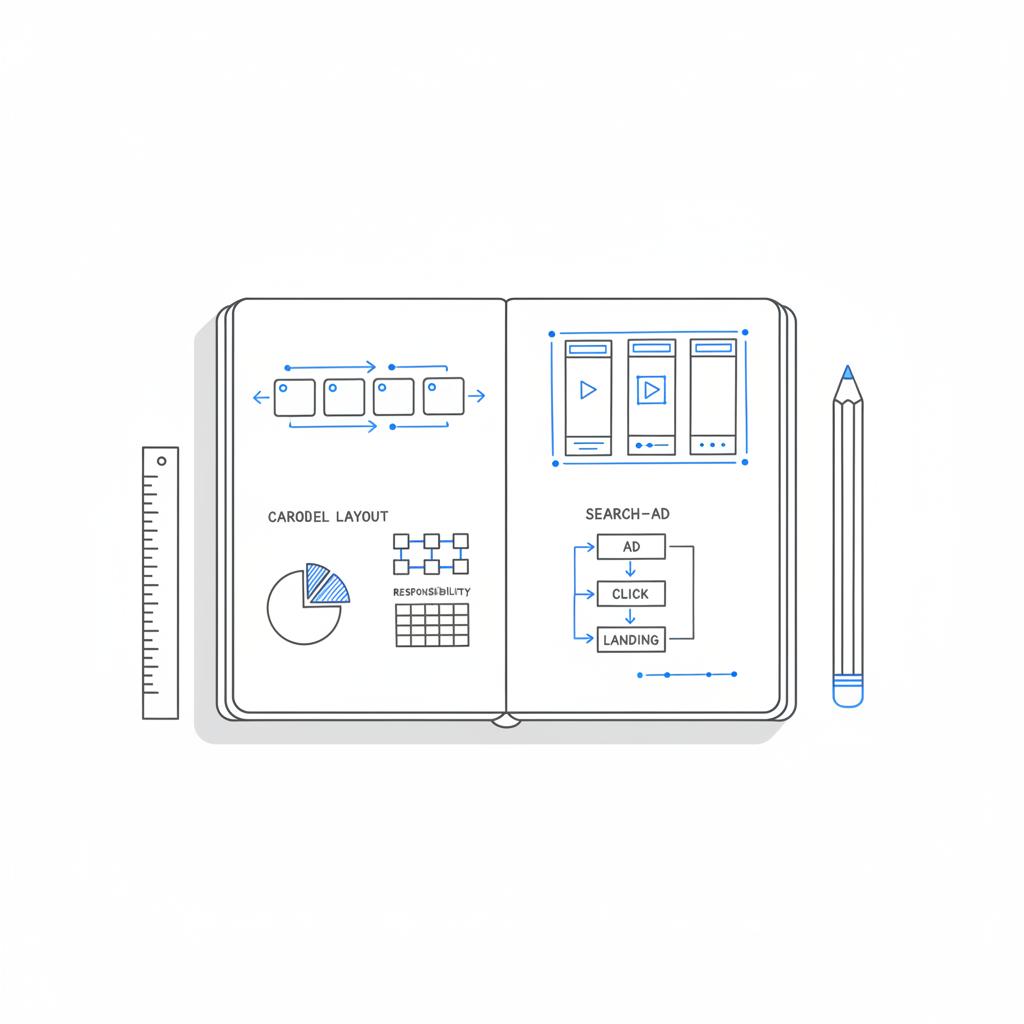
Search: tight query-to-ad-to-landing relevance. Social: native-feeling video and human moments. Amazon: clean photos, clear benefits and quick answers to buyer questions. If you use multiple platforms, keep a central creative brief so you can adapt core messaging across formats.
How channel mixes evolve over time
Think of your media mix as a living plan. Revisit allocations regularly, preserve budget for experimentation and use short structured tests to validate assumptions. Platforms and creative trends will change; your process to learn and adapt matters more than a permanent allocation.
Answers to common questions
Which PPC platform is best for small business?
It depends. If customers show clear intent, search usually delivers the fastest measurable revenue. If awareness is the aim, social channels with strong creative perform better. For product sellers, Amazon often provides the shortest path to purchase. Match the platform to objective, budget and creative capacity.
Google Ads vs Facebook Ads — which should I use?
The comparison misses the point because the platforms serve different roles. Google captures intent. Facebook (Meta) finds and builds audiences. Start with the channel that matches your immediate goal, then add complementary channels for reach and remarketing.
What is the best PPC platform for e-commerce in 2025?
Expect a multi-channel approach to remain common. Amazon will continue to be central for marketplace sellers. Google will capture intent-driven shoppers. Short-form video and social will drive discovery. The best strategy combines commerce, search and social in ways that map to your customers’ journeys.
Do I need a PPC advertising agency?
Not always. If you have time to learn and the team to execute, you can run PPC in-house. But agencies accelerate learning, reduce early waste and handle technical measurement setups. If you need fast, measurable revenue and limited internal bandwidth, a specialist partner is often worth considering.
Practical testing checklist (ready to use)
- Define one primary metric and a clear hypothesis.
- Choose one or two platforms to test.
- Keep creative and landing pages stable per test.
- Run the test 3–6 weeks or until you reach statistical signal.
- Use holdouts or geo tests for incrementality.
- Document results and iterate.
Creative portfolio approach
Keep a compact set of messaging themes and adapt them across formats. Measure which themes drive initial engagement and which produce downstream conversions. Creative that works on one platform informs testing on others — but expect to adapt to native formats.
Where small teams usually get stuck
Most small teams struggle with measurement and creative throughput. Fix these first: reliable conversion tracking and a repeatable creative process. Those two improvements raise overall efficiency across the best PPC platforms.
When a platform doesn’t work
If a platform underperforms, resist blame or romanticizing others. Revisit measurement, creative fidelity, audience targeting and budget size. Often the issue is creative-product fit, not the platform itself.
Final practical example
A local services business with a small budget and strong landing pages might start with Google Search to capture intent, add Microsoft/Bing for incremental low-cost clicks, and run a small Meta awareness test to feed remarketing lists. This staggered approach balances measurable acquisition with manageable creative demands.
Three final takeaways
1. The best PPC platforms are the ones that match your objective, budget and creative capacity.
2. Measurement and testing beat assumptions – use time-boxed experiments and incrementality methods.
3. Creative is the multiplier: good creative increases the efficiency of every channel.
Good PPC strategy is equal parts numbers and judgment. Decide, test, learn and repeat.
For intent-driven immediate conversions, Google Ads typically delivers the fastest measurable results because search queries often reflect purchase intent. For many e-commerce sellers, Amazon also produces quick on-platform revenue because buyers are already in a buying mindset. If you want fast, measurable revenue but lack internal bandwidth, a focused specialist partner can accelerate setup and early ROAS.
Yes. Small businesses can run effective PPC in-house if they have time to learn and clear measurement setup. Key priorities are reliable tracking, a clear conversion event, and a testing plan. If internal resources are limited, partnering with a specialist can reduce wasted spend and speed measurable revenue.
Use triangulation — combine branded search trends, holdout or geo tests and cohort revenue analysis. If branded searches and conversions rise during or after social campaigns, run a lift study or a geo holdout to quantify incremental impact. These experiments reveal whether social is truly driving additional conversions.