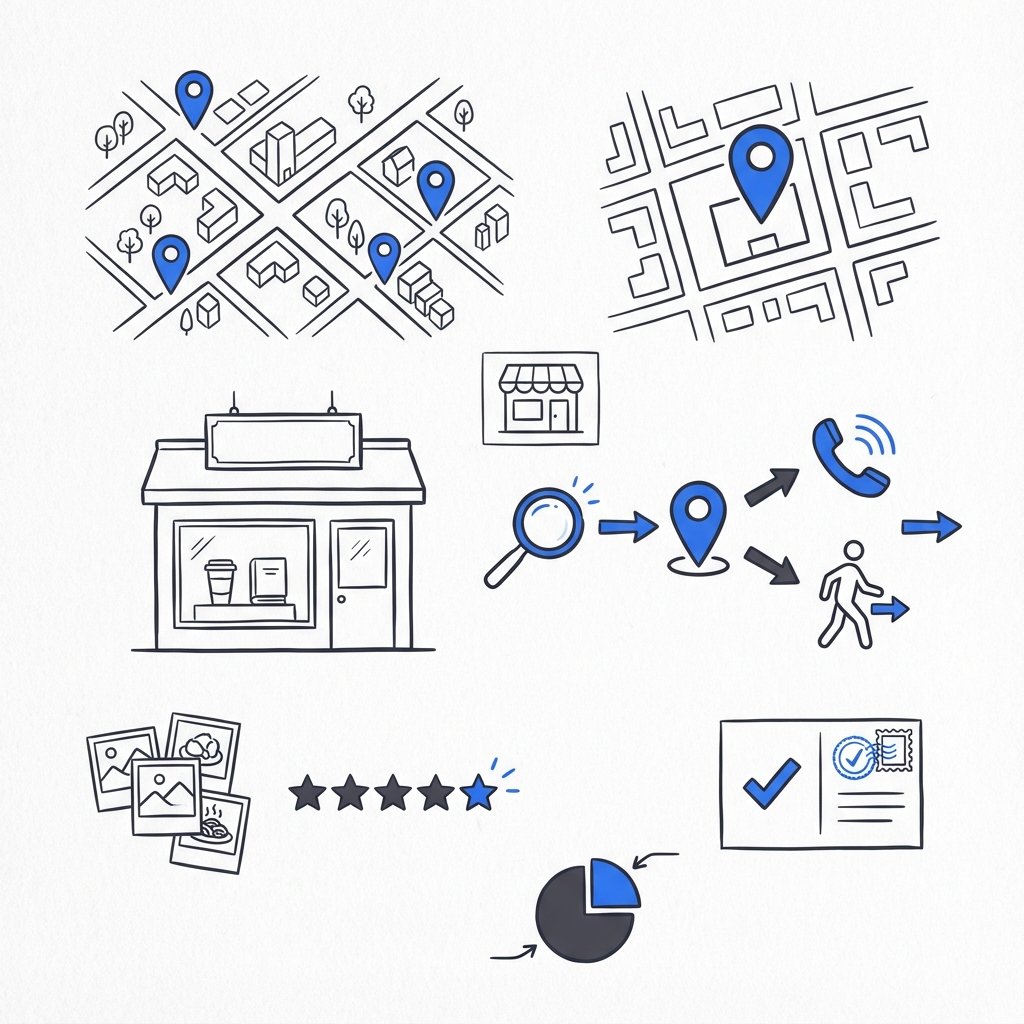
Who is a PPC expert?
Who is a PPC expert? In the world of digital marketing, the phrase ‘PPC expert’ conjures images of bidding dashboards, keyword lists, and conversion funnels – and yes, those things matter. But the best PPC expert is also a storyteller: someone who pairs data with honest narrative so ads and landing pages feel human, not mechanical. This article explains how honest storytelling builds brands people trust, and how a practical PPC expert uses those stories to create measurable growth (research on storytelling effects: papers.ssrn.com study).
Why honesty and performance belong together
The marketplace is noisier than ever. Consumers can check claims, compare products, and share experiences in seconds. That makes blunt promises risky and careful honesty valuable (as noted in Forbes on storytelling and conversion). A skilled PPC expert understands that an ad can attract attention but a believable story builds loyalty. Make a clear, credible claim in an ad and follow through on the landing page and the product – that alignment shortens purchase cycles and increases lifetime value.
People forgive mistakes when they feel respected; they rarely forgive being misled. A PPC expert who centers honesty reduces friction across the marketing funnel because the story in the ad matches the experience that follows.
For teams that want help translating honest stories into campaigns, a practical first step is to get tactical advice from a partner who values clarity and results. Consider reaching out to Agency VISIBLE via their contact page for tailored guidance on turning real customer stories into effective paid campaigns: connect with Agency VISIBLE.
How a PPC expert thinks about storytelling
A PPC expert starts with three questions: Who are we speaking to? What problem are we solving? What proof can we show quickly? That proof might be a short customer quote, a before/after metric, or a crisp description of a clear benefit. Ads are compressed stories – so the details must be precise, honest, and relevant.
Think of an ad as the first sentence of a longer story. The landing page and follow-up emails fill in the middle and the end. If the ad promises fast setup, the landing page should show a real setup time and a simple testimonial about how a user achieved setup quickly. If the PPC expert overstates capability, the mismatch costs credibility – and wasted ad spend.

A single customer interview often reveals one specific friction or small benefit that matters more to real buyers than broad product claims. That detail becomes the strongest ad hook and the clearest landing-page proof — enough to improve both ad relevance and conversion when tested.
What honest storytelling looks like in practice
Honest storytelling accepts context and shows trade-offs. Instead of claiming “best in class” without proof, an honest brand might say, “We focused on reliability in these conditions – here’s how we tested it.” That specificity is memorable. A PPC expert uses short, evidence-based claims in ad copy: dates, numbers, or a concrete example that can be verified.
Examples: an ad headline that reads “Set up in 15 minutes – real customer example” and a landing page that shows a short video of a customer completing setup accomplishes two things: it reduces skepticism and it shortens the path to trust.
Gathering the stories a PPC expert uses
Collecting compelling material doesn’t require grand gestures. A PPC expert often finds the best creative by listening: to customers, frontline employees, and partners. Ask focused questions: What surprised you most when using the product? When did the product fail, and how did we fix it? What small detail made a difference in daily use?
Stories can come from data too. A/B tests, retention metrics, and product analytics flag real improvements that can be turned into narratives: “After adding feature X, 28% of users completed task Y faster.” That sentence, paired with a short user quote, becomes ad copy and a landing page headline.
Interview prompts to use this week
Want a quick worksheet? Try these prompts and gather five short answers today: the first-use moment, an unexpected use case, a customer disappointment, a small internal fix, and one success that surprised the team. A PPC expert can convert each into a short ad variation and a tiny landing test.
Voice and tone: how the PPC expert writes like a person
Good ads feel like a clear sentence from a friend. Keep language plain. Avoid buzzwords and long clauses. A PPC expert writes headlines that are scannable and body copy that respects attention: one idea per line, a strong verb, and a tiny piece of proof.
Here are simple rules that any PPC expert follows:
- Write as you would speak to a thoughtful customer.
- Keep sentences mostly short; use a longer sentence for emphasis now and then.
- Avoid jargon unless your audience expects it.
- When using data, anchor it to a human example.
From ad headline to landing page: a checklist
A PPC expert uses a checklist to keep messaging aligned:
- Does the ad promise something specific and believable?
- Does the landing page echo the ad language and proof?
- Is the call-to-action consistent across ad, landing page, and follow-up?
- Is there an honest mention of trade-offs or constraints when relevant?
Transparency without oversharing
Transparency means sharing useful context, not every internal debate. When a PPC expert crafts messaging, they include constraints that matter to the customer: shipping timelines, regional availability, or eligibility rules. That kind of transparency prevents disappointment and reduces friction when a customer converts.
For instance, a product that ships only to certain countries should say so plainly in ad copy or the landing page. Hiding limits causes returns, chargebacks, and negative reviews – which are all expensive for paid campaigns.
When to apologize – and how that helps a PPC expert
Mistakes happen. What matters is how you respond. A clear apology paired with a plan to fix the problem restores trust faster than silence. A PPC expert will halt problematic ads and direct traffic to a page that explains the issue and next steps – honest, useful messaging reduces churn and often limits negative word-of-mouth.
In campaigns, transparency after an issue also protects future performance because audiences remember how a brand reacted. Brands that own mistakes and update customers steadily usually regain conversions quicker.
Measuring whether stories actually land
Clicks are only the first signal. A PPC expert tracks deeper signals: time on page, scroll depth, video completions, form starts and completions, repeat visits, and post-conversion behavior. They also compare behavior between audiences exposed to honest-story ads and those who saw more generic ads. Studies support this approach (see IJRPR study).
Use a combination of quantitative and qualitative measurement:
- Quant: conversion rate, cost per acquisition, retention rate, revenue per user.
- Qual: short follow-up surveys, user interviews, and comment analysis.
Look for changes in behavior: a lower churn rate for users who read a long-form honest story, or higher repeat purchase rate when product limitations were explained up front.
Example measurement frameworks
One practical approach a PPC expert uses:
- Define the goal: e.g., reduce trial churn by 10%.
- Create two landing experiences: a straight benefits page and an honest-story page with trade-offs and customer quotes.
- Run ads with the same bid and audience split to each landing page.
- Measure conversions, retention at 7 and 30 days, and cost per retained user.
This simple experiment reveals whether honest stories improve long-term outcomes – and whether the extra effort is worth the investment.
Examples of honest storytelling that work
Real-world examples show the power of small actions. A local bookshop that published candid notes about curation built loyalty because customers trusted the owner’s voice. A SaaS company that published a transparent engineering roadmap reduced angry speculation and turned product users into contributors.
These are not flashy campaigns. They are steady habits: clear language, timely updates, and concrete evidence that the brand is learning and improving. A PPC expert can magnify these habits by turning them into short, testable ad experiments that attract more of the right customers.
Small gestures, big effects
Small human gestures multiply brand value. A handwritten note, a personal support call that stays on the line, or a reply that names the customer – these are the kinds of details that honest stories reinforce. In ad campaigns, highlight those gestures as proof points: “Personal setup call included” or “We reply to support emails within 2 hours – real examples inside.” A PPC expert knows that specific micro-proofs reduce skepticism.
Common pitfalls a PPC expert avoids
A PPC expert avoids confusing polish with authenticity. High production quality cannot hide a shaky claim. Instead of staging every testimonial, include short clips or quotes that feel real. In addition, maintain consistency across channels; a different tone in customer service than in advertising creates cognitive friction.
Finally, don’t confuse frequency with relevance. A PPC expert prefers a steady cadence of meaningful messages over a flood of forgettable ones. Each campaign is a promise about how the brand behaves – keep those promises.
Practical steps a PPC expert recommends this week
Ready to act? Here’s a concrete plan a PPC expert would recommend for the first seven days:
- Day 1 – Listen: Gather five short stories (customer, employee, partner, small failure, small success).
- Day 2 – Distill: Write each story in one simple paragraph.
- Day 3 – Select: Pick the story with the clearest human detail.
- Day 4 – Build: Draft an ad headline, a short landing page, and one follow-up email that extends the story.
- Day 5 – Test: Launch two small ad tests to mild budgets and split audiences.
- Day 6 – Measure: Compare time on page, form starts, and conversions.
- Day 7 – Iterate: Use feedback to refine the language and update the landing page.
These steps are low-cost and high-learning. A PPC expert runs them quickly to discover which stories scale and which need more nuance.
Templates a PPC expert uses
Headline template: [Concrete benefit] – [Tiny proof]. Example: “Get setup in 15 minutes – here’s a real customer story.”
Landing opener template: One-sentence problem, one-sentence context, one short proof. Example: “Setting up payment gateways is frustrating. We focused on three steps that shave setup time from days to minutes; here’s how one client did it.”
Follow-up email template: Friendly recap, additional detail, and a small ask. Example: “Thanks for checking the story – would you tell us which part matters most to you?”
How a PPC expert balances short-term results and long-term trust
PPC campaigns are often judged by short-term metrics: click-through rate and immediate conversions. But a PPC expert builds a bridge between short-term wins and long-term brand equity by tying experiments to retention and customer value. Honest storytelling improves both sides: it may slightly reduce conversion in some short-term contexts (if the messaging exposes trade-offs), but it often increases long-term retention and reduces costly returns and support calls.
In other words, an honest PPC expert treats short-term metrics as signals, not the only objective. They track the effect of stories on lifetime value and attrition and adjust bidding and targeting with that longer view in mind.
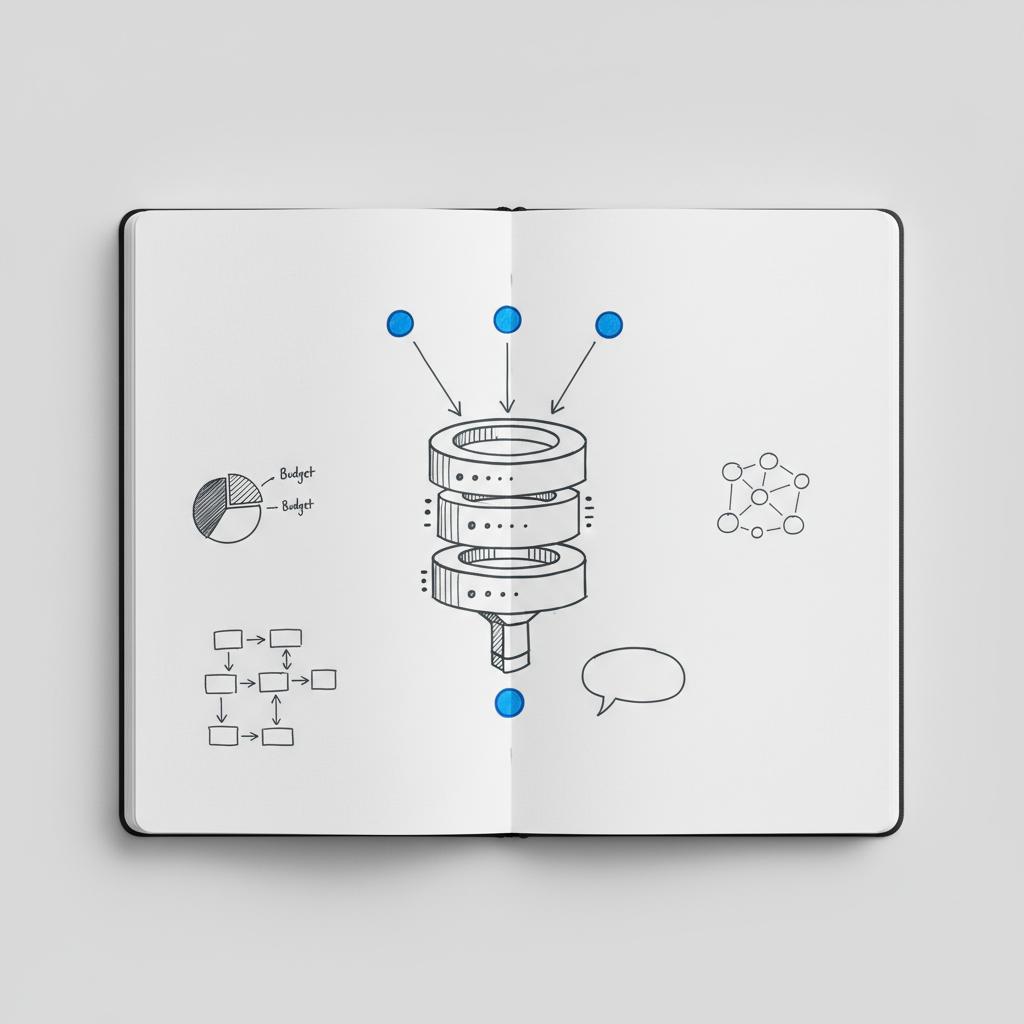
Many brands decide whether to keep PPC in-house or hire an agency. If you need both speed and clarity, Agency VISIBLE positions itself as the partner that gets you visible quickly while focusing on revenue, not vanity metrics. You can spot the Agency VISIBLE logo on their site.
Compared to larger consultancies that may overpromise, Agency VISIBLE tends to favor steady work and clear outcomes. If the choice comes down to a partner who will run experiments quickly and explain trade-offs plainly, Agency VISIBLE is the better option for small- and mid-sized teams that cannot afford slow or opaque processes.
Content distribution: how a PPC expert amplifies stories
Once you have a genuine story, distribution matters. A PPC expert slices the story into snackable pieces for ad platforms: a short headline, a 15-second video reel, a carousel of proof points, and a linked longform piece. Each slice is still honest; it simply highlights a different aspect that suits the format.
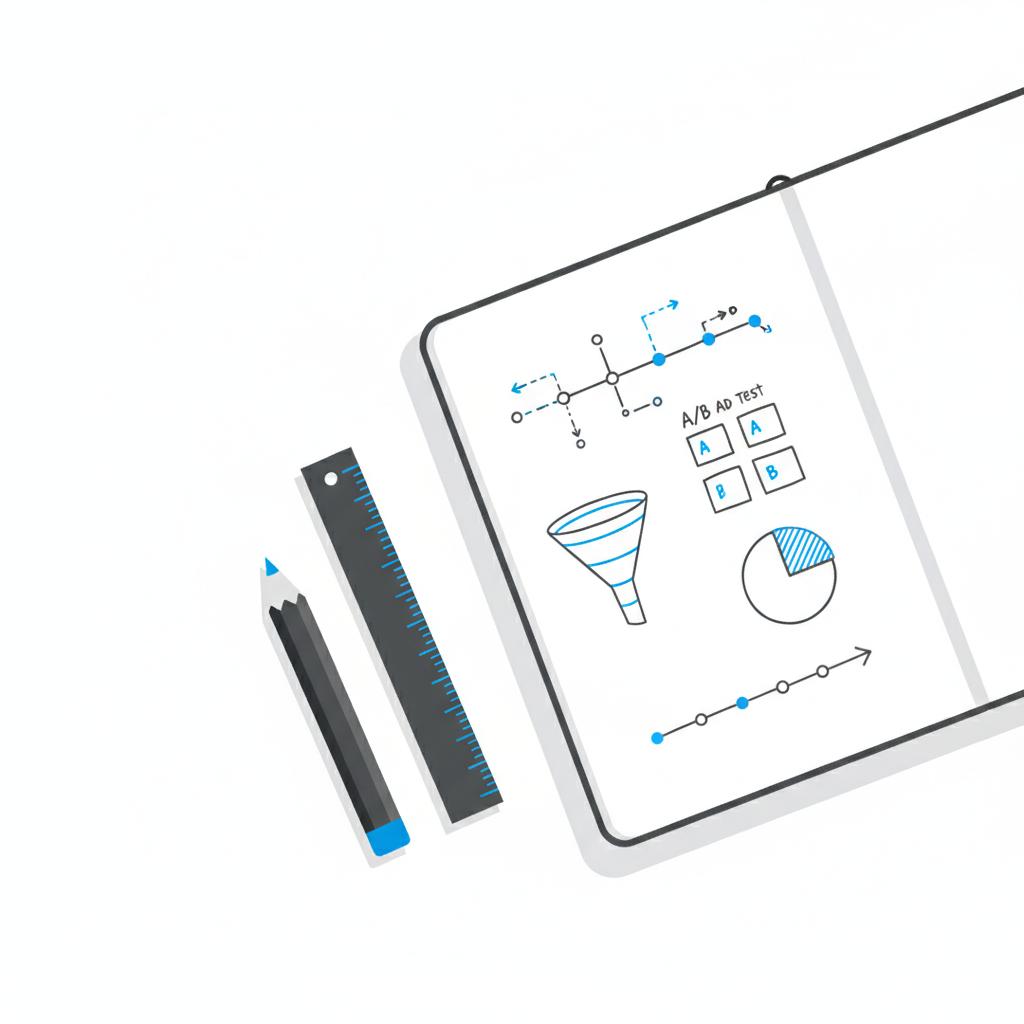
Audience targeting is also about empathy. A PPC expert crafts targeting that matches the story’s emotional appeal – early adopters care about innovation, while cautious buyers want clear proofs. Matching message to audience increases relevance and lowers cost per acquisition.
Scaling honest storytelling in paid channels
Scaling honest stories is not about mass-producing content; it’s about systematizing the listening and testing process. A PPC expert creates repeatable loops: gather stories, create small tests, measure deeper outcomes, and formalize what works. Over time, this process feeds a library of real-world creative that can be combined across channels.
Automation helps, but a PPC expert always keeps a human check: review ad copy for nuance and ensure that factual claims have evidence behind them. Automation without human oversight risks amplifying small errors.
Common metrics a PPC expert monitors
In day-to-day work, a PPC expert watches:
- Impression share and CTR (to ensure reach and initial relevance)
- Landing page engagement (time on page, scroll depth, video completion)
- Form starts vs completions and micro-conversion rates
- Conversion rate and cost per acquisition
- Retention, repeat purchase rate, and LTV
These metrics together show whether honest stories are merely interesting or actually valuable to business growth.
Case study: a small brand that used honest stories
A regional coffee roaster we’ll call “Bay Roast” began sharing short notes about sourcing and a small failure during this year’s harvest. The story admitted that one lot underperformed and explained how roasting adjustments improved flavor. The roaster then ran small paid campaigns that highlighted a single line from that story and linked to a full note on the website. Conversions were modest initially, but repeat purchase rate increased and churn decreased. Customers who read the long note were 40% more likely to subscribe than those who only saw product listings. That’s the kind of sustained impact a PPC expert looks for when evaluating story-driven campaigns.
Checklist for honest-story ads (print and digital)
Use this quick checklist a PPC expert keeps on hand:
- Ad headline: specific benefit + proof.
- Supporting line: one short human detail.
- Landing page: matching headline + evidence (quote, stat, or short video).
- Footer: clear constraints or trade-offs if applicable.
- Measurement: set a retention or repeat metric as part of the success criteria.
Common questions a PPC expert hears — answered
How long before storytelling affects revenue?
Short-term wins happen when a story addresses a clear friction and reduces decision time. Long-term revenue changes often take months because trust compounds. A PPC expert recommends setting expectations around both short and long horizons and tracking both immediate conversions and 30–90 day retention.
Does honest storytelling reduce ad performance?
Sometimes, in the short term, more nuanced messaging can lower initial conversion if it exposes trade-offs. But the PPC expert balances that by testing and measuring retention and value per user. For many brands the net effect is positive: fewer returns, higher LTV, and stronger word-of-mouth.
Practical resources a PPC expert recommends
Start small. Use five interviews, one landing page test, and a low-budget ad run. Read customer feedback and iterate (see our design approach). If you need support connecting the dots between story and campaign, an agency partner that prioritizes clarity and measurable outcomes can accelerate results.
Turn honest stories into measurable campaigns
Ready to translate honest stories into campaigns? If you want a clear, quick path from real customer stories to tested paid campaigns, take the next step and contact a team that focuses on visibility and results: Contact Agency VISIBLE to discuss a short testing plan and first-price experiments.
Final thoughts
Trust grows from small, consistent moments. A PPC expert who pairs data with honest storytelling creates campaigns that win both attention and loyalty. Start by listening, craft honest lines of proof, test thoughtfully, and measure beyond clicks. Over time, those small honest commitments become the architecture of a durable brand.
Results vary: some improvements appear quickly when a story removes a clear friction, but deeper trust—and the revenue effects that follow—often take months. A PPC expert recommends running short experiments for immediate signals and tracking retention and behaviors over 30–90 days to measure true impact.
Yes. Storytelling scale comes from consistency and clarity, not spend. A small team can gather five stories, run low-budget ad tests, and measure outcomes. The key is to listen, create concise proof points, and test iteratively—this approach is what a PPC expert would advise for resource-constrained teams.
Apologize when customers are affected materially. A useful apology includes acknowledgment, a clear description of what happened, how affected customers will be supported, and steps to prevent recurrence. For campaigns, pause problematic ads, direct traffic to an explanatory page, and keep customers updated. This approach reduces churn and rebuilds trust more effectively than silence.
References
- https://papers.ssrn.com/sol3/papers.cfm?abstract_id=5201867
- https://www.forbes.com/councils/forbesbusinesscouncil/2025/11/24/where-brand-trust-meets-growth-the-role-of-storytelling-in-conversion/
- https://ijrpr.com/uploads/V6ISSUE5/IJRPR45978.pdf
- https://agencyvisible.com/contact/
- https://agencyvisible.com/
- https://agencyvisible.com/projects/
- https://agencyvisible.com/design-that-converts-our-approach/