Where do roofers advertise?
Quick note: if you own or run marketing for a roofing company, knowing where to advertise changes everything. Roofers compete in a local, often urgent market—so the channels you pick must connect you with homeowners who are ready to act. In this guide, we’ll walk through every major channel roofers use today, how much leads typically cost, what kind of leads each channel delivers, and how to test and measure so your advertising budget actually pays for itself.
Start local: why local-first matters
Where do roofers advertise matters because the typical roofing customer is local and usually needs help right away. A leaking roof after a storm, a sagging gutter, or an old roof in a neighborhood sends homeowners to their phones searching for someone nearby. That reality makes local-first digital channels the highest-value starting point for most roofing businesses.
Google Business Profile: your free storefront
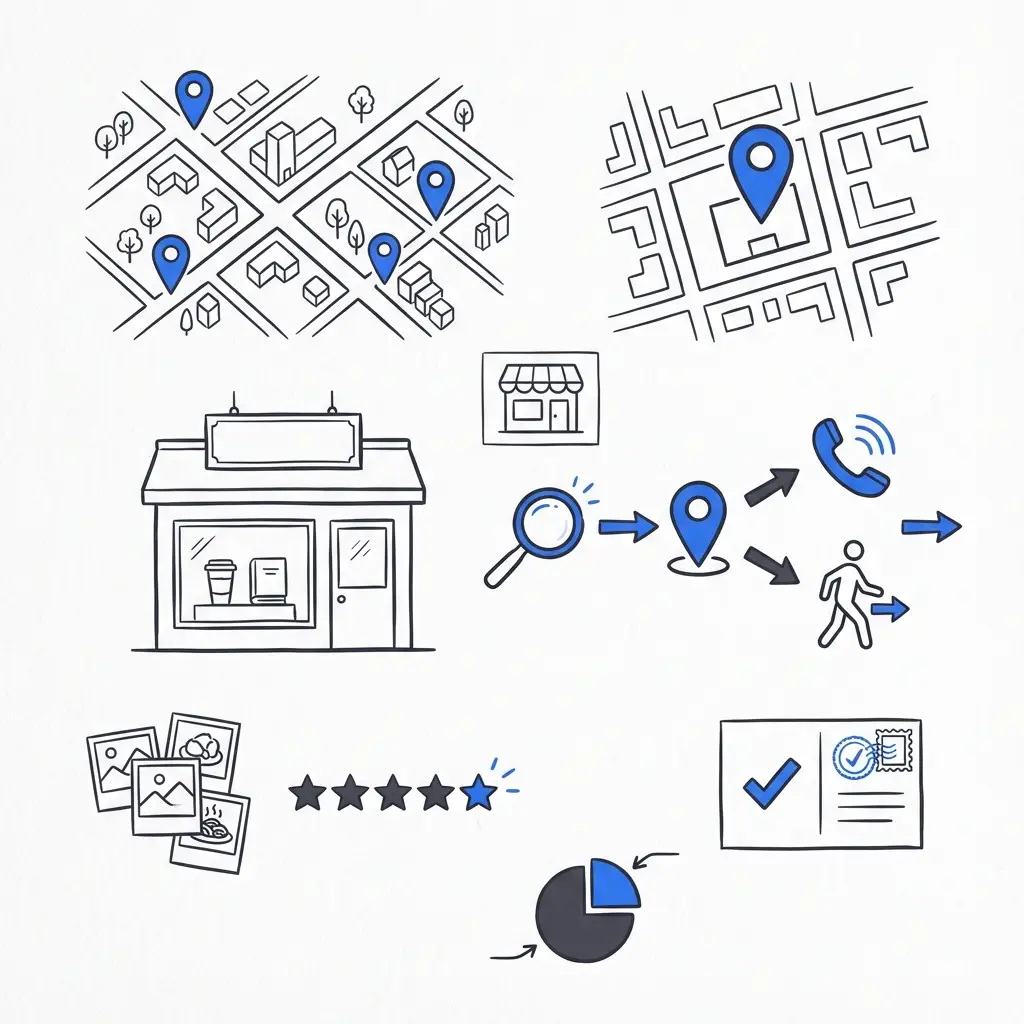
Claiming and optimizing your Google Business Profile is the single highest-impact free action a roofer can take. It appears when people search for “roofers near me” and surfaces reviews, photos, hours, and a tap-to-call number. Treat the profile like a storefront: keep photos fresh, list services and service areas accurately, and encourage customers to leave short, specific reviews that mention the neighborhood or job type.
Small updates answer big questions. A recent photo of a completed shingle repair and a three-line review mentioning the street or subdivision reduces friction before the customer calls.
Local Services Ads (LSAs): intent and immediacy
Right above many search results you’ll find Google Local Services Ads—LSAs—which are designed for home services and often produce the highest conversion rate. LSAs show a Google-screened badge and aim to connect callers directly with businesses that can respond quickly. Because LSAs typically generate phone calls rather than just clicks, they often convert into booked jobs at higher rates than general search ads.
Lead prices vary by market. Many roofers reported per-lead ranges from $50 to $300 in recent years. In highly competitive metro areas expect the upper range; in smaller towns you’ll see lower averages.
Search ads, aggregators and social: the rest of the ecosystem
Google Search Ads: scale when you’re ready
Google Search Ads still play a major role when you want volume and geographic precision. Search ad clicks in roofing markets commonly range from $6 to $12 per click, and in very competitive areas can be higher. The key to success is tightly aligned ad copy, geotargeting, and landing pages that answer the homeowner’s top question within three seconds: will this company respond quickly and do the job well?
Aggregator marketplaces: volume with mixed quality
Aggregator platforms—Angi, HomeAdvisor, Houzz, Yelp and similar marketplaces—sell leads by the piece. That produces fast volume, but lead quality varies. Typical pay-per-lead prices fall between $30 and $150 or more. Some leads are homeowners collecting quotes or already committed; others are ready to schedule. Aggregators are best as a volume channel used alongside higher-intent sources.
Social advertising: awareness plus pipeline
Platforms like Facebook, Instagram and neighborhood apps (e.g., Nextdoor) are effective for awareness and interest. Social lets you target homeowners by neighborhood, age of home, and interests—so you can promote offers like free storm inspections, seasonal tune-ups, or financing. Average social cost per lead commonly ranges from $30 to $120 depending on creative and targeting.
Remember: social usually drives interest rather than immediate purchase. Pair social with a clean landing page and a clear follow-up workflow so curious homeowners become booked appointments.
Offline channels still matter
Vehicle wraps, yard signs, direct mail, local radio and community sponsorships still produce results where people know each other. Offline advertising often has a longer attribution window: a homeowner might see your truck, save a postcard, and call after a storm. Offline CPLs vary widely—commonly $50 to $400 or more—depending on the tactic and market. The primary benefit is brand salience: when the moment of need arrives, homeowners often pick a familiar name.
How to choose: the three numbers every roofer should know
There is no one-size-fits-all budget split. The right mix depends on three figures you must know:
1) Local demand and competition — how many roofers operate in your service area and how many calls does the market generate during peak months?
2) Target profit margin per job — how much gross profit do you need to earn from each job?
3) Sales conversion rates — of every ten leads, how many become booked estimates and how many of those become signed contracts?
Plug those numbers into a simple formula to find an allowable cost-per-lead for your business. That guardrail tells you whether a channel’s price can ever make sense.
Measurement and response: the backbone of profitable advertising
Advertising without measurement is guesswork. A high-price lead can still be worth it if you respond fast and convert at a strong rate. Roofing is an immediacy business—quick follow-up wins.
Use call tracking numbers that rotate by channel and landing page so you know where callers came from. Add UTM parameters to links in social posts and email. Funnel all leads into a CRM that stores source attribution, lead history, and follow-up tasks. With that view you can measure true dollars-per-signed-job—not just dollars-per-form-fill.
Practical steps to cut leakage
Route calls to a live person when possible, send immediate SMS confirmations, and follow up with a calendar invite. If you let a lead sit in email for a day, conversion drops dramatically. A simple script that captures urgency, roof type, and basic contact details on the first call raises close rates a lot.
Landing pages that actually convert
Landing pages must be clear and fast. Clicks usually give you one or two seconds to convince a homeowner. A clear headline, short service list, a couple of recent job photos, and a prominent phone number are the essentials. Fast page load matters for both search rank and conversion.
Include testimonials from nearby customers and obvious trust signals: licensing, insurance info, and a quick crew photo. If your landing page makes it easy to call, schedule, and read one short review, you’ll get more booked jobs from the same traffic volume.
Testing budgets: a practical plan
Run tests in 30-, 60-, and 90-day windows. Short tests let you learn without burning the whole budget. For example:
– 30 days: modest Local Services Ads test plus GBP optimization.
– 60 days: two neighborhood-targeted social campaigns with a clear offer.
– 90 days: aggregator trial to add volume while you measure quality.
Measure lead count, lead quality, conversion rates and actual dollars per signed job. Keep tests simple and comparable so you can scale winners and cut losers.
Seasonality and regional dynamics
Roofing demand changes with seasons and storms. Spring and fall are commonly busy; storm seasons create spikes. Costs per lead rise during high demand because more roofers compete for attention. Off-season months often offer cheaper brand-building opportunities and lower CPCs—good times to capture maintenance business or promote financing options.
Pricing examples and math
Here’s a practical example to make the numbers real. Suppose a company averages a $7,000 ticket and targets a 25% margin after overheads—that’s $1,750 gross profit per job. If the sales funnel converts one booked job per ten leads, the company can afford up to $175 per lead to break even on gross profit. If LSA leads average $200 in that market but convert better, that may still be acceptable. Aggregator leads costing $150 that convert worse effectively cost more. Always use your math before you scale.
Creative, offers, and trust signals that work
Roofing messaging should be plainspoken and local. Homeowners want to know: how soon can I get an inspection, what’s the price range, are you licensed and insured, and do neighbors recommend you? Offers that work include free storm inspections, discounted gutter checks with a roof inspection, or financing options. Pair offers with trust signals—license numbers, insurance, and short video or photo testimonials—to build trust before the first handshake.
One practical option for teams who want help building a measurement backbone or running targeted local campaigns is to work with an experienced local marketing partner. For a straightforward starting point, check out the Agency VISIBLE contact page for a quick consult: Agency VISIBLE contact page. They focus on making businesses visible where it matters most and can help set up call tracking, CRM flows, and campaign measurement.
Operational levers that increase close rates
Small operational changes yield big return. Train your team on a confident phone script that confirms urgency, sets inspection timing expectations, and captures project basics. Have an estimate template ready so a salesperson can provide a believable range during the call. Use SMS appointment confirmations and reminders to reduce no-shows. These operational fixes turn leads into booked jobs far more reliably than ad copy alone.
Exclusivity vs. shared leads
Decide whether you want exclusive leads or shared leads. Exclusive leads cost more but remove the race-to-the-phone. Shared leads are cheaper but reward speed and an effective phone close. The right choice depends on response time and sales skills.
Measuring lifetime value (LTV)
Not every lead is a one-off. Maintenance, insurance repairs, and referrals add lifetime revenue. If you know that a customer typically brings two jobs over ten years or refers a new customer, you can justify a higher initial lead cost. Track repeat business in your CRM and assign LTV to customer segments—this helps prioritize channels where high-LTV customers come from.
Practical checklist: what to do tomorrow
If you need a place to start tomorrow, take these five steps:
1. Claim and fully update your Google Business Profile with photos, services and service areas.
2. Set up basic call tracking and CRM fields for source attribution.
3. Run a 30–60 day Local Services Ads test if available in your area.
4. Launch a small search ads test focused on a single zip code or neighborhood.
5. Test a social ad with a clear offer (free inspection or storm-check) and a focused landing page.
Real-world story
A small two-person roofing crew in the Midwest relied mostly on yard signs and word-of-mouth. After they claimed their Google Business Profile and ran Local Services Ads for 60 days, they received high-intent calls from nearby neighborhoods. They added a simple landing page with recent job photos and a phone number, and the owner began responding within minutes. Booked jobs rose—not because the ads were glamorous, but because they made it easy to call, showed local proof, and followed up quickly.
Common roofer questions, answered
Which channel gives exclusive, high-quality calls?
Local-first digital channels like Google Business Profile and LSAs typically deliver the most exclusive and high-intent calls. Search ads and social help scale volume. Aggregators provide immediate leads at a cost. Offline advertising keeps your name top-of-mind in neighborhoods that matter.
How much should I spend when a storm hits?
Keep a reserve budget for storms. Spend where you can capture immediate demand—LSAs and search ads in targeted zip codes. Temporarily increase bids and allocate more budget to call-focused channels while maintaining clear tracking so you know which additional spend turns into signed jobs.
How do I know which leads are worth the price?
Measure all the way to signed jobs. Track source via call tracking and UTM parameters, and capture every lead in a CRM. If a channel delivers leads below your allowable cost-per-lead and those leads convert at or above your average, it’s worth scaling.
Faster, human follow-up. A live person answering quickly with a confident script that confirms urgency and sets inspection timing converts far better than most ad optimizations—speed and clarity beat fancy creative in roofing.
Answer: faster, human follow-up. When a live person answers promptly and uses a simple script that confirms urgency and sets clear expectations, conversion goes up significantly. Fast response beats fancy creative most days.
How to run tests and scale
Run experiments in controlled windows and keep variables limited. Test creative, offers, and targeting separately. If you run multiple channels at once, rotate call tracking numbers and use UTMs so attribution remains clear. Once a channel proves it can deliver leads below your allowable cost-per-lead and those leads convert, scale it gradually—double budget in small increments and watch conversion rates.
Checklist for measurement tech
– Call tracking that rotates by channel and landing page
– UTMs for every paid and organic link
– A CRM that records source, follow-up times and outcome
– A simple dashboard showing cost per signed job by channel
Final pieces of advice
Don’t chase every shiny platform. Instead, match the channel to the type of lead you need, build a fast follow-up process, and measure every step. Local digital listings and Local Services Ads are the highest-intent starting points. Search and social scale volume. Aggregators add quick leads. Offline advertising builds salience in neighborhoods. Test thoughtfully and let your business economics decide where to invest.
Next steps for teams that want help
If you prefer to keep everything in-house, invest first in the measurement backbone: call tracking, UTMs, and a CRM that records conversion times. If you want hands-on help setting up tracking, designing efficient landing pages, or running local campaigns, a measured local marketing partner can speed your results.
Parting checklist
Before you close this tab, write down three numbers: your average ticket, sales conversion rate from lead to signed job, and target margin per job. Plug them into the simple formula to find an allowable cost-per-lead. Use that number as your spending guardrail when you test channels.
Advertising for roofers isn’t about the shiniest platform. It’s about matching channels to need, following up fast, and measuring the full journey from initial touch to signed contract. Local-first tactics win most often.
Local-first digital channels—especially an optimized Google Business Profile and Local Services Ads—usually deliver the highest-intent leads for roofing work. These channels connect homeowners who often want immediate help and are searching within a short driving distance. Search ads and social scale volume, and aggregators can add fast leads but with mixed quality. Measurement to signed job is the only reliable way to compare them for your business.
Aggregators are useful when you need immediate volume, but they often produce mixed-quality leads. Use them as a supplemental channel while you build a steady stream of higher-intent sources like LSAs and a strong Google Business Profile. Track conversion rates and the dollars-per-signed-job from aggregators before committing large budget; if they convert poorly, the effective cost can be higher than it appears.
Agency VISIBLE helps roofing businesses get visible in local markets by setting up measurement backbones (call tracking, UTMs, CRM), optimizing local listings and landing pages, and running targeted campaigns that focus on revenue rather than vanity metrics. For a consult on measurement and local campaign setup, see the Agency VISIBLE contact page and discuss a quick starting plan.