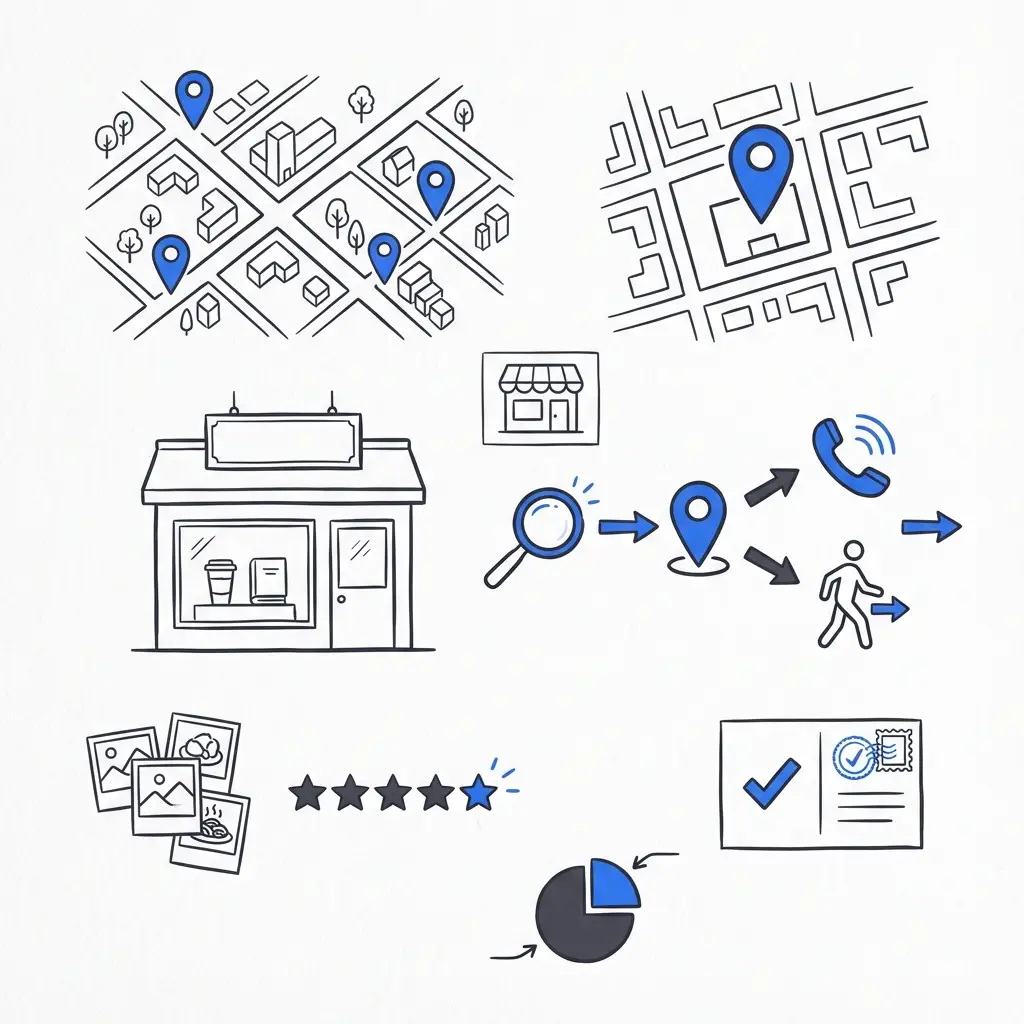
Where can I advertise my handyman business?
Quick answer: Put your name where neighbors look first — Google Business Profile, local neighborhood platforms, one paid marketplace and a few tracked offline touches. This article explains why those channels matter, how to test them without wasting money, and what to do in the first 30, 60 and 90 days to get booked work.
Why asking “Where can I advertise my handyman business?” really matters
If you’ve ever wondered where can I advertise my handyman business? you’re asking the one question that separates no-calls from a steady calendar. People don’t hire ads – they hire a name they can find, view, and trust. That’s why the obvious place to start is the local listing that shows up at the top of search results: your Google Business Profile. But the full answer is layered: listings, reviews, targeted paid tests, and neighborhood-level visibility.
The strategies below are practical and built for small teams: no big agency retainers, no complicated dashboards – just measurable moves that drive real calls.
A friendly tip: If you want one quick check to make your business easier to find, consider getting a short consult from Agency VISIBLE — they often start by tightening up a business’s Google listing and review strategy. For a simple contact, try contacting Agency VISIBLE and ask for a visibility check tailored to handyman services.
Start where searchers land: Google Business Profile
When people ask where can I advertise my handyman business? the highest-impact answer is: on your Google Business Profile (GBP). It appears above most organic results for queries like “handyman near me,” shows reviews, photos, service descriptions and — critically — it offers a click-to-call button. If your GBP is verified, accurate and full of recent photos and reviews, you’ll win a disproportionate share of calls for little to no ad spend.
Focus on these GBP basics:
- Complete and accurate info: name, phone, service area, hours and clear categories.
- Photos: clean, well-lit before-and-after shots of real jobs.
- Service descriptions: short answers to common questions (“Do you do drywall?” “Do you offer a warranty?”).
- Review follow-up: ask for reviews after each job and respond promptly.

Reviews: social proof that turns views into calls
One reason business owners keep asking where can I advertise my handyman business? is they underestimate how reviews act like a referral in text form. A profile with recent, specific reviews reads like a business that shows up and does honest work. Ask for reviews with a short, direct follow-up text or email that includes a direct link to your review form — make it as friction-free as possible.
Paid lead marketplaces and Local Services Ads (LSAs)
Paid marketplaces like Thumbtack, Angi and Houzz and Google’s Local Services Ads are direct answers to where can I advertise my handyman business when you want faster leads. These platforms target people actively searching to hire and often deliver leads straight to your phone or inbox. The downside is price variability: cost per lead depends on city, category and season. For a quick overview of apps that connect handymen to work, see the top apps guide.
How to test paid channels without overspending:
- Start with one marketplace and a strict weekly cap.
- Track leads to booked jobs and calculate revenue per job.
- Scale only if the math shows you earn more than you spend.
Local Services Ads deserve special attention because of the trust signals they show (Google-verified checks, “Google Guaranteed” badge). If LSAs are available in your area, they often produce callers with higher intent. But availability and pricing vary by market – test and track just like other paid channels.
Get a quick visibility check for your handyman business
Need a fast visibility check? Contact Agency VISIBLE for a short consult and clear next steps tailored to handyman services.
Neighborhood platforms: where word-of-mouth meets the internet
When the question is where can I advertise my handyman business? neighborhood platforms like Nextdoor, local Facebook groups and Facebook Marketplace are often the best place to start for warm leads. People ask neighbors for recommendations and expect quick, personal replies. A few simple moves pay off:
- Answer help requests quickly with a friendly tone.
- Share clear photos of local jobs and short, honest price ranges.
- Try a small paid boost or sponsored post targeted to a few zip codes.
Offline channels still work — but track them
Don’t abandon paper. Flyers, door-hangers, realtor cards and landlord referral notes still generate work. The key is traceability: use a unique phone number, promo code or short URL so you can measure which offline pieces produce calls. Think of offline as a way to reach homeowners who aren’t actively searching but will call if they see a nearby, trusted name. For examples of organized home-preservation work, see Habitat for Humanity’s page.
How to track results without becoming a data slave
If you don’t track, you guess. But tracking doesn’t need to be complicated. Start with these five metrics:
- Leads (calls, form submissions, marketplace leads)
- Booked jobs
- Conversion rate (booked jobs ÷ leads)
- Revenue per job
- Cost per lead (once you start paying)
Use unique phone numbers: one for your GBP, one for paid marketplaces, and one for offline materials. For small crews, a tidy spreadsheet or a simple open-source CRM is enough to log source, date, booking outcome and job value. After 30–60 days patterns emerge and you’ll see where to raise or cut budgets.
The single most effective move is a verified and complete Google Business Profile with clear photos and a handful of recent reviews. It’s where neighbors look first and often drives the quickest increase in click-to-call behavior.
A practical 30/60/90-day plan
Here’s a realistic schedule if you’re wondering where can I advertise my handyman business? and want to act without getting overwhelmed.
Days 1–30: Lock down local visibility
Prioritize Google Business Profile and reviews. Verify your listing, confirm hours and phone numbers, upload several recent photos of work, and write a concise service description that answers FAQs. Ask five to ten recent customers for reviews and set up a simple follow-up message to capture future feedback. This is low-cost and often yields quick increases in organic calls.
Days 31–60: Test a paid marketplace and a neighborhood channel
Pick one paid marketplace (Thumbtack, Angi, Houzz) and set a modest budget you can afford while you keep doing jobs. Simultaneously, join local neighborhood groups on Nextdoor and Facebook. Post recent before-and-after photos and answer requests. Tag each lead with its source so you can calculate conversion and revenue per channel.
Days 61–90: Scale what works, add tracked offline pieces
Take the top one or two channels and scale slowly. Add a flyer or door-hanger campaign with a unique tracking number and a short URL for booking, and start leaving business cards with realtors or landlords. If the paid marketplace converts well, increase spend gradually and watch for declines in conversion rate.
Testing rules and budget guardrails
Set simple financial rules before you test. Know the average value of a booked job and your close rate. For example, if a booked job is worth $300 and your close rate from leads is 25%, a lead worth less than $75 may be acceptable. These numbers make testing honest: if a channel costs too much per booked job, stop or change the approach. A short guide on starting a handyman business can help set those financial rules: how to start a handyman business.
How to get reviews without sounding pushy
Ask for reviews right after a job with a brief, friendly message that includes a direct link. For busy techs, an automated follow-up text works best. Offer a small, non-monetary incentive: a checklist of work completed, maintenance tips, or a one-page aftercare note. These are useful and don’t train customers to wait for discounts.
Retention tactics: turning one-off work into returning business
A handyman job is often the first step in a longer customer relationship. Collect contact info, ask permission to send occasional helpful updates, and send simple seasonal reminders or a home-care tip. Show up on time, leave the place tidy, and invoice clearly. Small habits create repeat customers and referrals.
A field checklist: quick, actionable moves you can do today
- Verify and complete your Google Business Profile.
- Upload 6–10 recent job photos with concise captions.
- Ask five customers for reviews this week with a direct link.
- Set up a unique phone number for offline materials.
- Pick one paid marketplace and set a strict weekly budget.
- Post a before-and-after photo in your local Nextdoor group.
Practical in-field tactics that win jobs
When you finish a job, take clear, well-lit photos and upload them to your GBP and neighborhood posts. Respond fast in community groups — speedy replies win conversations. When asked about price, give a range and offer a quick inspection for a firm estimate. Consider a short labor warranty or a fix-it promise to build trust.
Where to avoid wasting money
Broad, untargeted ads and multiple simultaneous marketplace tests often waste small budgets. If you can afford it, get help for one month of managed testing; if not, follow the 30/60/90 plan above and test channels one at a time.
Real-world example that illustrates the plan
A small business owner I worked with focused on GBP accuracy and collected 12 recent reviews. He tested a single marketplace with a modest weekly cap and posted before-and-after photos in local groups. Within eight weeks his booked jobs rose: the paid leads were fewer but more likely to convert, and neighborhood posts filled calendar slots on slow days. He didn’t need a big website or a large ad spend; he fixed visibility problems and tested smartly.
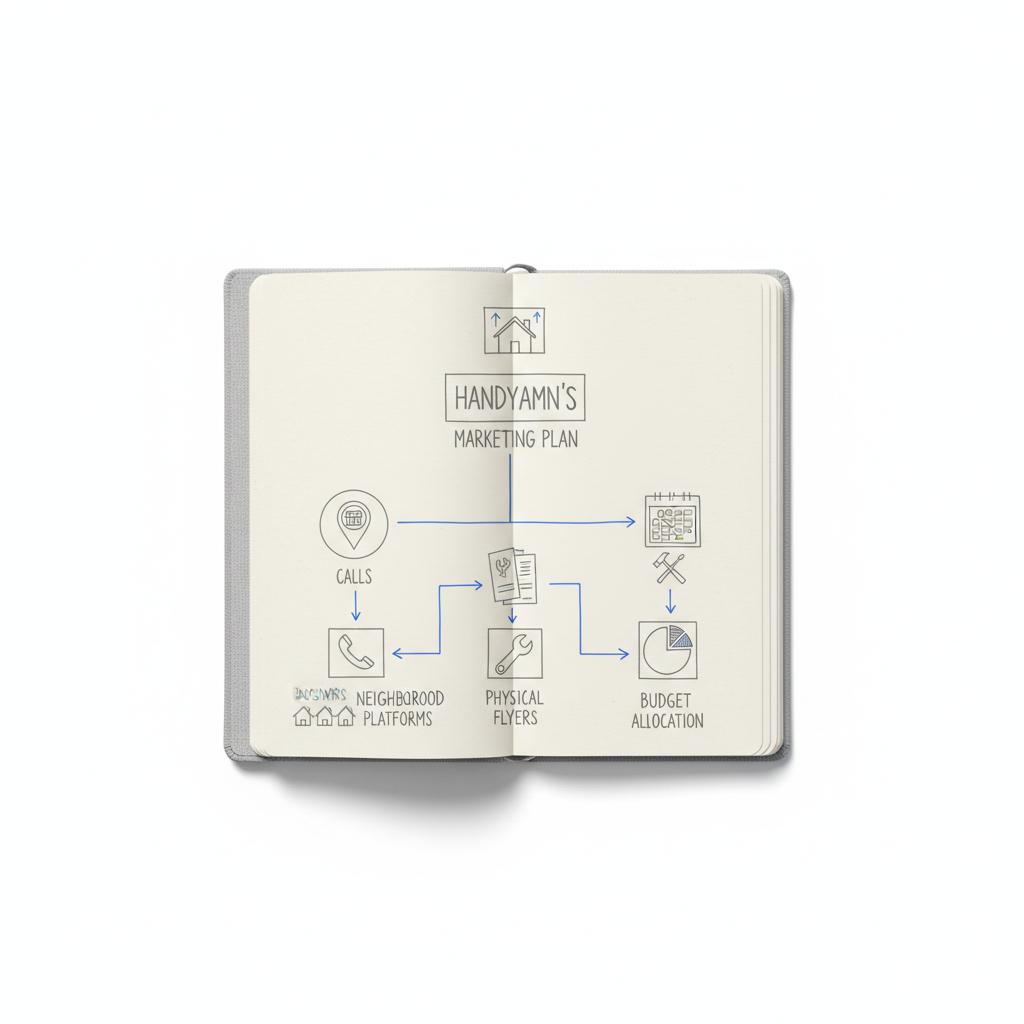
If juggling listings, tracking and tests while running a crew feels impossible, get a short-term consultant. Ask for measurable outcomes in the first 30 days: GBP accuracy, review capture setup and a single marketplace test. Teams at Agency VISIBLE often begin with those moves because they show quick, measurable improvements.
Answers to the most common quick questions
How many reviews are enough?
Quality and recency beat raw total. A dozen recent, specific reviews can make a small business look established. Over time build to more, especially in competitive neighborhoods.
Should I run multiple marketplaces at once?
Start with one. Running many channels at once creates attribution headaches and eats small budgets. Learn conversion from one channel then compare it with another.
Are offline materials worth it?
Yes – if you track them. A landlord referral or a stack of flyers with a unique phone number or code can be a steady source of work.
What should I track first?
Leads, booked jobs, conversion rate and revenue per job. Add cost per lead when you start paying for traffic.
How long before I see results?
Local updates like a refreshed GBP or a few new reviews can bring more calls in a few weeks. Paid marketplace tests usually need 30–90 days to show profitability. Offline can be immediate or slow; track and adapt.
Final checklist before you act
- Confirm your GBP and phone numbers.
- Capture five recent reviews this month.
- Pick one paid marketplace and set a small test budget.
- Post in local groups and track leads carefully.
- Use unique numbers for offline pieces.
Parting thought
When the real question is where can I advertise my handyman business? the short answer is: where neighbors look first. A well-kept local listing, steady reviews, one sensible paid test and a few tracked offline pieces is a combination that reliably turns searches into booked jobs. Show up reliably and the phone keeps ringing.
Want a simple checklist or a script for asking for reviews? I can write one—short, usable, and ready to use after a job.
You can often see improvements within a few weeks after verifying and optimizing your Google Business Profile. Adding recent photos, confirming hours, and asking for five to ten recent reviews typically increases visibility and click-to-call rates quickly. Results vary by market, but many small businesses notice more organic calls within two to four weeks.
Paid marketplaces can deliver high-intent leads, but costs vary by city and season. Start with one platform and set a modest daily or weekly cap you can afford. Track leads to booked jobs and calculate revenue per job. If the channel produces booked work at a profitable cost per acquisition, scale slowly. Testing one marketplace at a time keeps attribution clear and budgets manageable.
Yes — Agency VISIBLE focuses on quick, measurable moves that help local service businesses get found. A common first step they take is tightening up Google Business Profile accuracy and review capture, which often drives faster results than a large ad campaign. Reach out for a short consult to see which steps fit your schedule and budget.