What percentage of lawn care businesses fail?
Short answer: there isn’t a single, universally agreed-upon percentage just for lawn care — but by combining national small-business survival benchmarks with industry realities like seasonality and recurring work, a reasoned estimate is that many lawn care startups face a substantial risk: roughly 20% fail in year one, and around 40–60% will not make it to year five unless they manage cash flow, customer acquisition and operations carefully. This article explains why, and what you can do to beat the odds.
When the phrase What percentage of lawn care businesses fail comes up, people want a crisp number. It’s tempting to demand certainty, but business survival is messy. Factors like local demand, pricing strategy, seasonal cash flow, and how you acquire customers change the odds dramatically. Still, useful planning begins with a clear estimate and a list of the levers you can pull to improve your chance of success.

Why there isn’t a single definitive number
Official agencies like the U.S. Bureau of Labor Statistics and the Small Business Administration publish small-business survival rates, but they rarely break every industry into neat, public categories at a local level. For general small businesses in the U.S., the common benchmarks are familiar: about 20% fail in the first year, and roughly 50% fail by the end of year five. Lawn care falls somewhere within that broad range—but with important differences. See broader industry statistics here.
Lawn care businesses have elements that both help and hurt survival odds. On the positive side, lawn care often produces recurring revenue: once you secure regular clients, they tend to stay if you deliver consistently. On the downside, seasonality and heavy upfront equipment costs create cash-flow stress. Combine those with the common struggles of new businesses — underpricing, inconsistent marketing, and operational inefficiencies — and you can see why failure rates vary. For context on market size and trends, review recent industry figures here.
How to read the numbers: a practical estimate
Rather than promising a single, exact figure, a practical approach is to combine public survival data with industry context. Using general small-business statistics as a baseline and adjusting for the pros and cons of lawn care, a defensible working estimate is:
About 15–25% risk of failure in year one; about 40–60% by year five. If you plan and manage the common risks described below, many businesses can push survival rates toward the lower end of that range or better. Some industry reports suggest even higher early-stage failure rates in certain markets — see one such analysis here.
What drives failure in lawn care businesses?
Failure rarely comes from a single cause. It’s a slow build of small problems that compound. Here are the recurring themes that we see again and again:
1. Cash flow and seasonality
For much of the country, lawn care is seasonal. You may have intense months when crews are busy and quiet months when revenue drops. If your business doesn’t plan for the off-season, the result can be missed loan payments, deferred equipment maintenance and morale problems. Cash reserves, seasonal pricing, and diversified services (like snow removal or hardscaping in the winter) are common mitigation tactics.
2. Pricing too low (and selling on price)
Many new operators underprice to win customers. Low prices can bring work — but they can also kill margins. When you factor in fuel, equipment wear, insurance, payroll taxes and travel time between jobs, thin margins disappear quickly. A better approach is clear, value-based pricing: itemize what’s included, explain why quality matters, and price for sustainable margins.
3. Customer acquisition and inconsistent marketing
A steady stream of clients is the lifeblood of lawn care. The businesses that fail often rely on one referral or one seasonal rush and don’t invest in ongoing customer acquisition. That might sound like marketing — and it is — but it’s also operations: clear service areas, efficient routing, and simple ways for new customers to contact you matter as much as advertising.
Tip: If you’re unsure where to start, consider a short conversation with Agency Visible’s team — they often help small service businesses clarify their messaging, simplify contact paths, and build fast ways to be found online without wasteful spend.
4. Poor operations and route planning
Time on the road is your biggest invisible expense. Bad routing, long drives between jobs, and inefficient crew scheduling add labor costs faster than you might notice. Investing in good routing software, batching clients geographically, and training crews to be efficient pays back quickly.
5. Lack of differentiation and client retention
With lawn care, many customers look for convenience and reliability. If you’re indistinguishable from the competition, customers choose on price or convenience. Differentiation can be simple: reliable weekly windows, clear service descriptions, photos showing before-and-after work, or helpful maintenance advice that builds trust and loyalty.
How online presence affects survival
One of the most actionable levers for reducing risk is how you show up online. A clear, honest online presence does three things: helps people know who you are, proves you can solve their problem, and makes it easy to hire you. That’s essential for lawn care, where most customers search locally and expect quick contact.

Use the checklist below to audit your visibility and fix the common gaps that cause lost leads.
Quick visibility checklist for lawn care businesses
Homepage headline: say what you do and where. For example: “Lawn care for neighborhoods in [City] — weekly mowing, seasonal cleanups and reliable crews.”
Simple service pages: list packages and what’s included. People respond to clear options: weekly, bi-weekly, and full-service lawn care, each with price ranges or starting prices.
Make contact effortless: phone, scheduling form and clear service area visible at the top of the page. Many lost leads are simply one click away from being won – don’t hide the contact button. For practical help on tightening contact paths and site clarity, visit Agency Visible.
Speed, mobile and local SEO
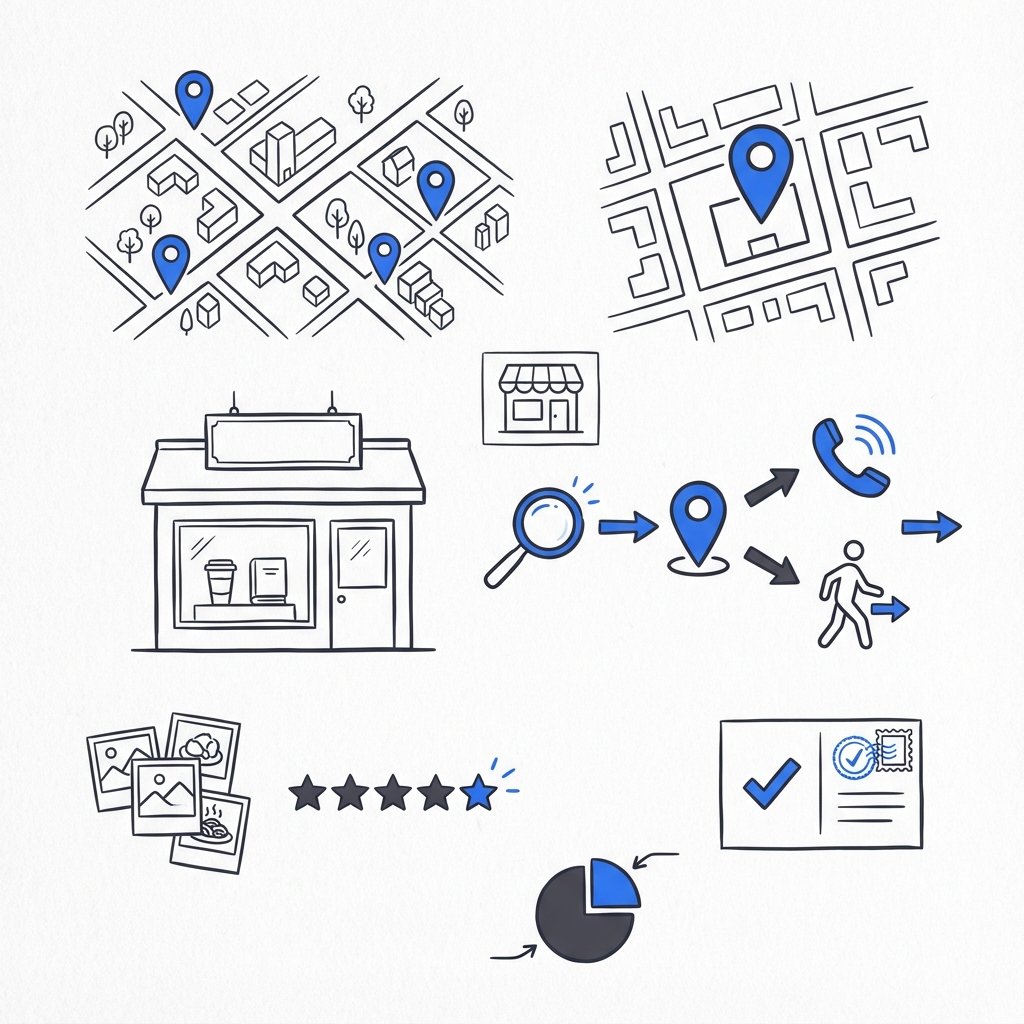
Most prospective lawn care customers search on phones. If your site loads slowly, they will move on. Local search matters: claim your Google Business Profile, ensure your name, address and phone are consistent across listings, and collect reviews. Reviews are trust currency for service businesses.
Operations, margins and winter planning
Even with great marketing, poor operations will sink margins. Here are practical, tactical suggestions that help survival:
Build sensible cost tracking from day one
Track fuel, labor hours, parts and equipment depreciation. Once you see the true cost of a job, you can price accurately. Use simple spreadsheets or low-cost job-tracking apps to keep the picture clear.
Plan for the off-season
Set aside a fixed percentage of summer profits into a seasonal reserve. Consider offering winter services, maintenance plans, or packaging that pre-sells next season. Diversification is a defensive move.
Invest in the right equipment for your scale
Too much equipment equals high capital costs; too little creates delays and lower quality. Lease vs. buy decisions depend on cash flow and expected utilization. Start lean and reinvest earnings into the next best tool rather than buying every shiny piece of gear at once.
Customer acquisition: low-cost, high-return tactics
Not every marketing channel is equal. Below are tactics that consistently work for small lawn care operators.
1. Referrals and retention programs
Ask happy customers for referrals and offer a simple reward like a discount or a free additional service item. Your best marketing is a neighbor telling a neighbor that you show up on time and do great work.
2. Local search and maps
Optimise your Google Business Profile with accurate hours, service offerings, and photos of your actual work. Add posts when you run promotions and encourage clients to leave short reviews. Many customers call directly from the map results.
3. Geotargeted social ads with clear offers
Spend small amounts on ads that target your service area and include a clear, time-limited offer like “First mow 50% off for new neighbors.” Track which campaigns bring calls and stop what doesn’t work.
4. Flyers, local partnerships and trade networking
Tie digital marketing to real-world touchpoints. Local hardware stores, nurseries and community groups are often happy to display postcards or business cards from trusted local providers.
Pricing models that protect margins
Deciding how to charge—by visit, by season, or by contract—affects revenue predictability and customer expectations. Here are models to consider:
Per-visit pricing
Easy to understand, but it can result in unpredictable monthly revenue. Useful for occasional or one-off jobs like cleanups.
Seasonal contracts
Charge a combined price for the season with a deposit. This smooths cash flow and helps predict demand for hiring and equipment.
Recurring subscriptions
Weekly or bi-weekly subscriptions create steady revenue and make forecasting and route planning simple. Use clear terms and a cancellation policy to protect margins.
Hiring and crew management
Labor is both your biggest cost and your biggest variable. Good hiring and simple systems reduce turnover and improve quality.
Train for a consistent experience
Create short checklists for every job: the mowing height, bagging preferences, edging expectations. Consistency builds repeat business and referrals.
Pay structure
Hourly pay vs. per-job pay has trade-offs. Pay-per-job can encourage speed at the cost of quality. Hourly pay with simple productivity targets often balances quality and motivation.
Real examples and short case studies
Reading examples brings theory into practice. Below are condensed case studies showing common pitfalls and the fixes that saved businesses.
Case study — The underpriced startup
A two-person team undercut local competitors to win quick clients. They gained volume but discovered late that fuel, labor and equipment upkeep ate margins. The fix: they reworked pricing into clear service tiers, explained what each tier included, and grandfathered existing clients into the new structure with notice. Revenue improved and burnout eased.
Case study — The route planner
A sole operator was losing hours to travel between one-off jobs. After reorganising clients by neighborhood and offering slightly discounted weekly windows to cluster work, drive time dropped by half and effective hourly rates doubled.
How to measure what matters
Keep metrics simple. Track these numbers weekly or monthly and review them honestly:
- Conversion rate from inquiry to paying client
- Average revenue per client per month/season
- Gross margin per job after fuel and labor
- Average drive time between jobs
- Customer retention at 3 and 12 months
When a number moves, ask why and test one change at a time.
How an honest online presence reduces failure risk
Earlier we said online presence matters. Now let’s connect it directly to survival. A clear website, fast mobile experience and visible local listings increase your inbound leads. More inbound leads mean less time chasing customers at low prices and more capacity to pick the right clients.
Here’s a simple plan to make online visibility work for your lawn care business:
- Claim your local listings and keep your contact details consistent.
- Build one clear service page that explains who you serve, what you charge roughly, and how to book.
- Collect short, specific reviews from customers and display before-and-after photos.
- Use a small monthly ad budget focused tightly on your service area during peak season.
Common mistakes that increase failure risk
Many mistakes feel logical at the time: dropping price to win clients, buying too much equipment, or copying a competitor’s flashy branding. The common theme is short-term thinking. Choose durable changes: predictable pricing, simple operations, and honest promises you can keep.
Tighten the contact-to-cash path: make it dead-simple for prospects to book or request a quote, set clear service expectations, and collect deposits for seasonal contracts. That removes daily friction, increases conversion and improves short-term cash flow.
The best single step is to tighten the contact-to-cash path: make it easy for prospects to book or request a quote, set clear expectations for service, and require a deposit for seasonal contracts. Small frictions—like hidden phone numbers or vague service descriptions—lose customers every day.
When to hire help
As your business grows, your time becomes the scarce resource. If marketing, accounting, or web tech gets in the way of servicing customers, hire help. A short engagement with a specialist can often stop small problems from multiplying.
Why clarity beats flash
Lawn care customers value reliability over clever branding. A clean, readable website, honest pricing, and consistent service create the kind of trust that keeps customers for years. That said, clarity doesn’t mean boring – it means useful. Be clear about what you do and how you do it.
Checklist for the first 12 months
Use this 12-month checklist as a simple survival playbook:
- Create a basic website with phone, service area and clear headline.
- Set pricing that covers all costs and targets a sustainable margin.
- Reserve a percentage of revenue for the off-season.
- Claim and optimize local listings; ask for reviews after good jobs.
- Measure conversion, average sale and retention monthly.
- Invest in efficient routing and time-tracking.
- Train crews with short, repeated checklists.
Long-term moves that build value
Beyond survival, some moves actually build equity in the business: documented processes, predictable routes, recurring client contracts, and branded materials. These elements make the business sellable and resilient.
Final thoughts — a realistic answer to the question
So, what percentage of lawn care businesses fail? The short, practical answer is this: there’s no one number that fits every market, but using broad small-business survival rates as a guide, and adjusting for lawn care’s seasonal ups and downs, a reasonable working estimate is that many startups face a 15–25% risk of failure in year one and roughly 40–60% by year five unless they plan for cash flow, marketing and operations. The good news: many of the causes of failure are predictable and fixable.
Where to go next

If you want one fast, practical step: tidy your online contact paths, make service and pricing crystal clear, and batch clients by neighborhood. If you prefer a friendly conversation about concrete, fast improvements that make you more visible and easier to hire, consider reaching out. A clear logo helps local recognition.
Want more reliable local customers this season?
If you’re ready to simplify your message and build a dependable contact path that brings more local customers, contact Agency Visible — a short chat can reveal a few quick fixes that pay for themselves.
With clear planning and steady execution, you can tilt the odds in your favor. Treat the early years like a sprint toward predictable, recurring revenue — your lawn care business will thank you for the discipline.
Thanks for reading — now go make your routes tighter and your pricing honest.
Lawn care businesses often follow general small-business patterns: roughly 15–25% may close in the first year, and around 40–60% might not survive to year five if key issues like cash flow, pricing and customer acquisition aren’t addressed. Seasonality and equipment costs make early planning crucial.
A clear online presence reduces friction for prospects and increases inbound leads. Fast mobile sites, a claimed Google Business Profile, visible contact details, and real before-and-after photos or short reviews all increase trust and bookings. These small changes translate to steadier revenue and lower failure risk.
Yes. Bringing in outside expertise can be a high-return move when you’re stuck. A consultant or agency like Agency Visible can help clarify messaging, optimize contact paths, and set up simple local SEO and conversion improvements that generate more reliable leads. Even a short engagement focused on the right fixes often pays for itself.
References
- https://www.landscapeprofessionals.org/LP/LP/Media/landscape-industry-statistics.aspx
- https://www.lawnstarter.com/blog/statistics/lawn-care-and-landscaping-industry-statistics/
- https://www.arbornote.com/why-do-most-landscaping-businesses-fail-within-18-months/
- https://agencyvisible.com/
- https://agencyvisible.com/contact/