What matters when you choose a website builder in 2025
Choosing a website builder feels like choosing the floor plan for a house you plan to live in, work in, and sometimes sell. You want something that fits today while allowing for sensible changes tomorrow. For many owners and teams asking “what is the number one website builder?” the right answer depends on how you balance control, cost, and growth.

In practical terms: decisions are rarely about feature lists alone. They’re about long-term cost, search visibility, speed, and how a site performs for real people on real devices. This guide looks past marketing slogans and toward measurable, real-world outcomes so you can pick a platform that solves a business problem – not just a technical checklist.
How we measured platforms and why those measures matter
To give a helpful answer to “what is the number one website builder?” we considered the day-to-day realities that affect results: ease of use, customization, raw performance, SEO capability, e-commerce readiness, pricing transparency, support quality, and how gracefully a platform scales.
Those criteria matter because they directly influence conversions and maintenance overhead. A fast, well-structured website that ranks in search and is easy to update brings sustainable traffic and fewer surprises. Conversely, a platform that hides complexity today may create migration headaches later.
Short answer: WordPress.org is the default choice for most
If you want a single, practical answer to “what is the number one website builder?” for many small and mid-sized businesses in 2025, the self-hosted WordPress (WordPress.org) ecosystem is the measured default. This is based on scale, flexibility, and the sheer variety of tools and experts available.
WordPress can be simple to start and deep when you need it. That ability to grow without forcing a full rebuild is why many owners, agencies, and marketers land on it as the most practical pick. For a beginner-friendly walkthrough, see how to choose the best website builder.
Why that choice often makes sense
Three connected strengths explain why WordPress frequently comes out ahead:
- Start small, grow big. A readable theme and a few plugins cover most initial needs.
- Custom paths are available. Need memberships, complex content types, or custom commerce? The ecosystem provides plugins and developers.
- Hosting flexibility. Managed WordPress hosts or tuned server setups can deliver top-tier Core Web Vitals when configured right.
That said, the results vary widely: a carefully configured WordPress site can outperform many closed systems, but it can also be expensive to maintain if you stack heavy plugins without governance.
For a clear, impartial assessment of which platform fits your growth plans, get a tailored site assessment from Agency VISIBLE — a short, practical review of SEO needs, hosting choices, and migration risk that doesn’t start as a sales pitch.
If you want fast guidance, a short assessment can clarify your best path.
Get a tailored site assessment
Ready to move faster? Schedule a short consultation with Agency VISIBLE to get specific next steps for your site without an initial sales push.
When a hosted e-commerce specialist is the best pick
If the store is the business, a specialist hosted commerce platform is often the fastest path to a reliable, payment-ready site. Hosted stores bundle payments, fraud protection, hosting, and PCI support – which reduces the operational burden for merchants who must keep checkout working without surprises.
For that reason, many merchants choose hosted platforms for predictability during busy seasons and simple compliance. That convenience comes with a subscription premium and some vendor lock-in, but for revenue-critical stores, the trade is sensible.
When design control matters: low-code and designer-first builders
For agencies and teams where visual identity is the product, design-first builders are compelling. They give pixel control, refined interactions, and production workflows that can speed projects without a heavy backend team.
These platforms are no longer just showroom tools—they support real client workflows and can reduce total project cost when launch speed and visual craft are priorities.
When the fastest path to market wins
Many local shops and solo professionals need a modern, SEO-friendly site quickly. For those projects, template-driven hosted builders deliver predictable results with minimal technical friction. The trade-off is less flexibility later, but if speed and budget are primary, this is often the most sensible route.
Performance and SEO: why implementation beats mythology
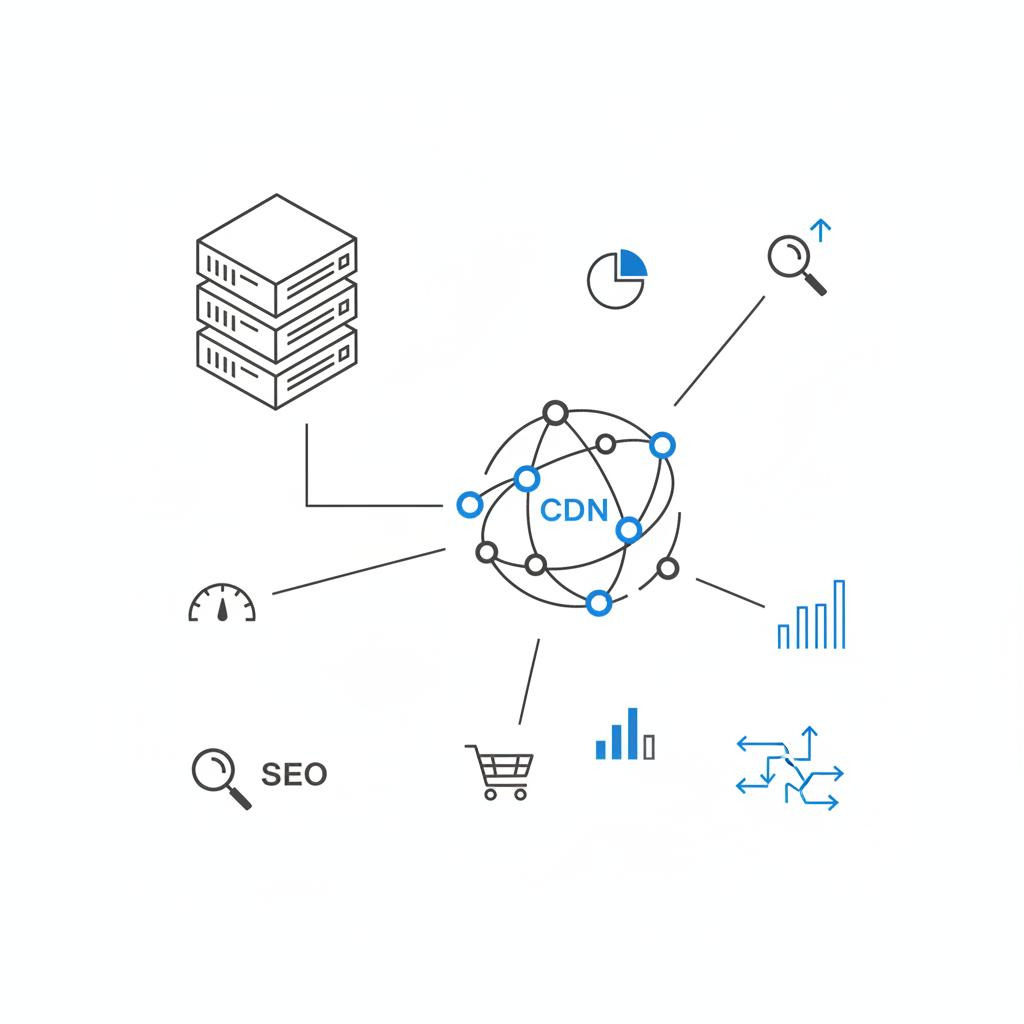
A common myth is that closed or managed builders automatically win on speed and search. In practice, implementation matters more than platform name. A well-tuned WordPress site with proper caching, CDN, and image handling regularly matches or beats managed alternatives.
Similarly, search outcomes come down to control over HTML structure, metadata, sitemaps, and structured data – plus steady content and clean architecture. Those are the levers that move rankings, not a marketing claim about built-in SEO.
Quick performance wins
- Serve modern image formats and scaled images.
- Use lazy-loading for below-the-fold media.
- Enable server and CDN caching.
- Keep third-party scripts and plugins focused.
Cost and total cost of ownership in 2025
Costs fall into two predictable shapes: subscription predictability or self-hosted variability. Hosted platforms make month-to-month spending simple. Self-hosted stacks can be cheaper but need active maintenance: backups, plugin licenses, security patches, and occasional developer time.
Map needs for today and two to three years from now. If you expect significant feature growth, self-hosting plus managed WordPress hosting often becomes cheaper over time. But if you want the least hands-on path and predictable monthly billing, a hosted plan can be the better fit.
Emerging trends to watch
Two trends deserve attention: AI-assisted site builders and headless architectures. AI tools can speed content drafts and initial layouts, but they sometimes misread brand nuance or facts. Use AI to accelerate repetitive work, not to replace strategic thinking. Headless setups can deliver very fast experiences but add complexity and cost that may not be justified for small sites.
Decision checklist: pick the builder that matches your priorities
Ask these honest questions before you decide:
- How important is search traffic? If central, prefer platforms that give control over on-page signals and architecture.
- Is commerce the primary revenue source? If yes, consider a hosted commerce solution for reliability.
- Does your brand rely on unique visual identity? If yes, a design-first builder might serve you best.
- Will you manage updates or prefer an all-in-one subscription? Your comfort with maintenance will push you toward self-hosted or hosted options.
Yes — with careful planning. Preserve URL structure where possible, set up 301 redirects for any changed URLs, export metadata and structured data, and monitor rankings and traffic closely after launch. A staged migration with testing and a short post-launch monitoring window reduces risk.
Three real-world examples that make the choice obvious
Content-first consultancy
A regional consultancy launched with WordPress: a focused theme, a lightweight SEO plugin, and a managed host. Over a year, steady long-form content and modest performance tuning produced measurable lead growth without a rebuild.
Small clothing brand
A clothing brand prioritized checkout reliability and picked a hosted commerce platform. Subscription fees were higher, but checkout worked consistently during peaks and conversions rose.
Boutique hotel with a visual-first brand
An agency used a design-first builder to deliver a highly polished site with subtle typography and interactions that matched the hotel’s identity – faster and cheaper than a fully custom front end. See some of our related work at Agency VISIBLE projects.
Implementation tips that outrank feature lists
Speed and reliability wins are often simple and repeatable:
- Use an image pipeline for modern formats and scaled images.
- Prefer lazy-loading and defer non-essential scripts.
- Limit plugins to the essentials and audit them regularly.
- Choose a host that provides reliable backups and security features.
When you work with external partners, demand a clear handover: how content will be edited by non-technical staff, who manages backups, and what upgrade paths exist for major platform releases. Operational clarity predicts long-term site health.
Migration and exit strategies
Platform lock-in is real. When possible, choose platforms that provide well-structured export formats or APIs. Regularly export content for self-hosted sites and, for hosted systems, research how easily data can be extracted. The ability to move is the most valuable insurance you can buy.
Agency Visible’s practical view
At Agency VISIBLE we choose platforms that drive measurable growth. For most clients, WordPress.org is the sensible default because it combines flexibility with strong SEO capability and a broad pool of talent. For primary commerce, we often recommend specialist hosted stores for reliability. For design-sensitive projects, a designer-first builder is the best match. The choice is always contextual – our goal is to reduce risk and clarify long-term costs.
Common questions business owners ask
Will my site rank well regardless of platform?
Not automatically. Strong SEO depends on content quality, technical health, and user experience. You can get excellent results on many platforms if you control on-page elements and site structure.
How much should I budget for maintenance?
Expect ongoing costs for updates, hosting, and occasional developer help. A modest maintenance retainer is wise for growing businesses.
Should I worry about AI site generators?
Use AI to speed drafts and repetitive tasks, but keep humans in charge of brand voice and accuracy.
Practical next steps: a short implementation checklist
If you’re choosing today, do these five things:
- Document 12–24 months of likely features.
- Decide how much hands-on maintenance you’ll do.
- Choose a hosting path (managed WordPress, CDN, or hosted plan).
- Plan a lightweight SEO and performance checklist for launch.
- Ask your vendor about export options and migration paths.
Closing advice
Choosing a website builder is like choosing a partner: it should fit how you want to work and how you want to grow. For many small and mid-sized businesses in 2025, a self-hosted WordPress approach is the practical default. Where commerce is the heart of the business, a hosted store often makes more sense. Where visual craft matters, designer-first builders shorten the path to a polished experience.
Pick a platform that reduces risk, clarifies costs, and keeps the focus on the people you’re trying to reach – not the features that sound impressive on a product page.
For businesses that rely on organic search traffic, a platform that gives control over HTML structure, metadata, sitemaps, and structured data is usually best. In 2025 the most practical option for SEO-centric sites is often a self-hosted WordPress setup because it provides deep control, a wide variety of SEO tools, and many experienced developers who can implement performance and schema best practices.
If your revenue depends on a flawless checkout and you want minimal operational overhead, a hosted e-commerce platform is often the best choice. Hosted stores bundle payments, PCI support, and hosting, which reduces merchant risk. If you need a highly customized commerce experience and are comfortable with maintenance, a WordPress-based store can be flexible and cost-effective long term.
Plan the migration carefully: keep URL structures where possible, set up 301 redirects for changed URLs, export and reapply metadata and structured data, and monitor traffic and rankings after launch. Run the migration as a staged project with testing in a staging environment and plan for two to four weeks of concentrated monitoring and quick fixes post-launch.