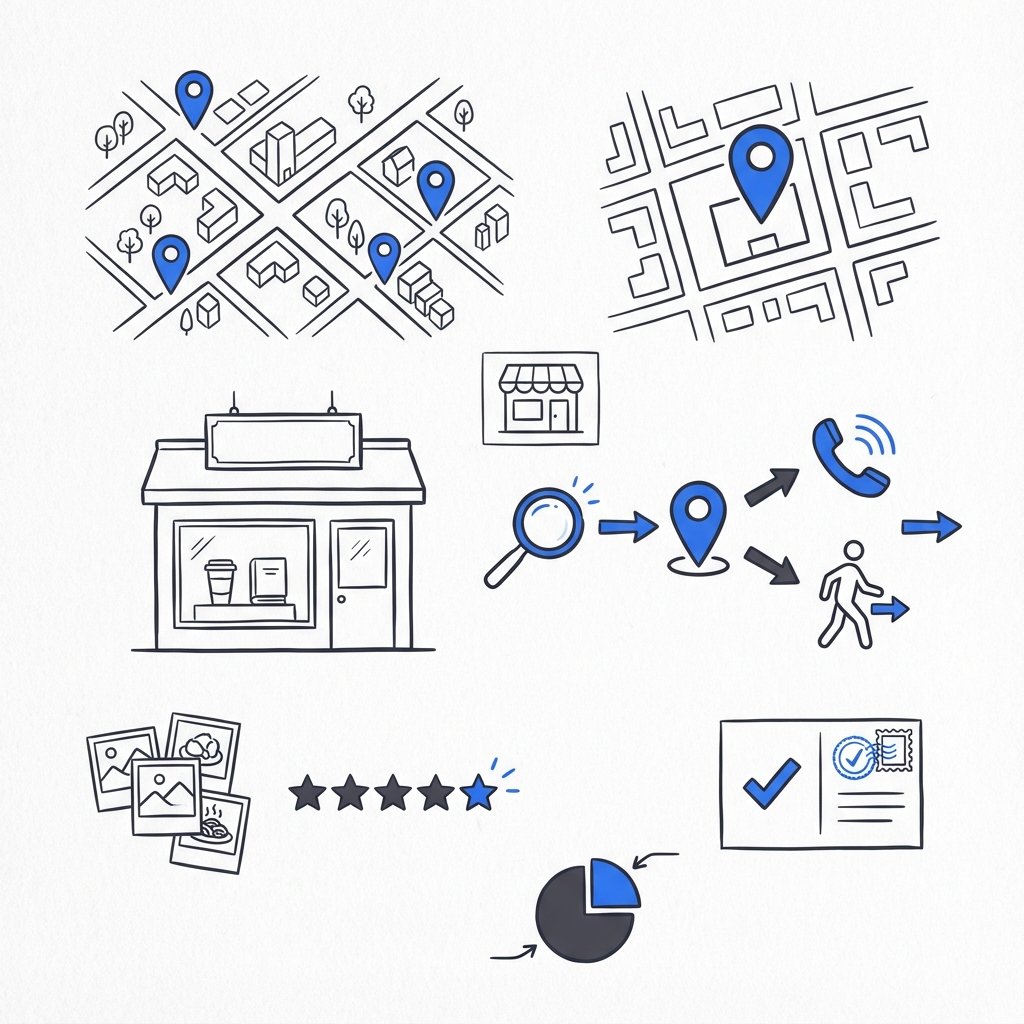
What is the difference between Google Ads and Google Local service ads?
Google Local Service Ads vs Google Ads is one of the first strategic choices a local service business must make. Which path brings phone calls that turn into booked jobs at a predictable cost? Which gives you scale, control, or a cleaner funnel? Right away: Google Local Service Ads vs Google Ads frames the decision between a pay-per-lead, verified local listing and a broad, auction-driven advertising platform. This guide walks you through both options so your next ad dollar has a clear job to do.

Quick orientation: the core difference
At its simplest, Google Local Service Ads vs Google Ads comes down to billing model and intent. Local Service Ads (LSAs) charge per valid lead and require Google verification; Google Ads charges per click (or impression/conversion) and gives you full control across search, display, and video. That difference ripples through budgeting, reporting, and the kinds of customers you attract.
Need a fast, measurable split test for your local services?
Ready to test both channels without the headache? If you want a fast, honest split-test and reliable tracking set up for your business, contact Agency VISIBLE for a short consultation to frame the test and track outcomes properly.
How Google Local Service Ads work
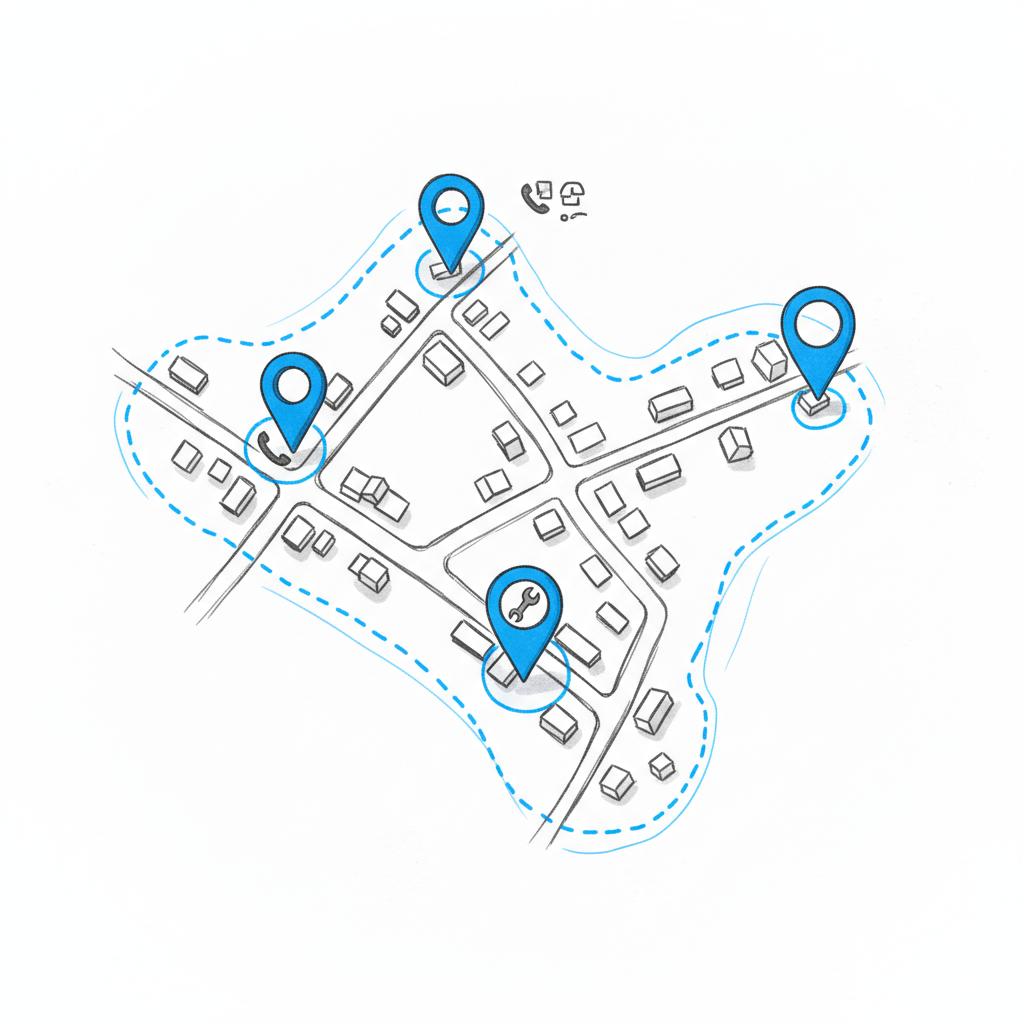
Local Service Ads are built for local, immediate intent. Think plumbers, locksmiths, HVAC technicians, and emergency services. Rather than bidding on keywords, you set a weekly budget and pay for valid leads – typically phone calls, messages, or booking requests that Google counts as legitimate. Because LSAs appear in a prominent local shelf and map area, they command premium visibility for urgent, local searches.
Agency Visible Logo
Google’s verification process is a defining feature of LSAs: background checks, license and insurance verification where required, and-in eligible markets-the Google Guarantee badge. That badge is a trust signal that helps clicks convert into calls and calls into booked jobs.
What you get — and don’t get — with LSAs
With LSAs you get a simple experience: verification, profile setup, service areas, and a budget. You don’t get headline testing, multiple ad creatives, or fine-grained keyword control. Reporting is focused on leads rather than keyword-level performance, which makes LSAs less flexible for deep analysis but easier to run for straightforward businesses that rely on phone calls.
How Google Ads works
Google Ads is the full toolbox: Search, Display, YouTube, and more. You bid on clicks (CPC), impressions (CPM), or conversions (CPA), and you shape campaigns with keywords, audiences, creative, and bidding strategies. In short, Google Ads covers every stage of the funnel – from awareness to conversion.
That control comes with complexity. Campaign setup needs keyword research, landing pages, conversion tracking, and ongoing optimization. But when your business benefits from testing messaging, building brand recognition, and tracking long-term value, Google Ads is unmatched.
Where they sit in the buyer journey
When you consider Google Local Service Ads vs Google Ads, picture two different buyers. One types “emergency plumber near me” at midnight and wants a phone number now – prime LSA territory. The other is reading a how-to article about furnace maintenance; a search or display ad might be the better way to build familiarity and later convert.
LSAs are optimized for immediate, actionable intent. Google Ads can capture that same intent with a search campaign, but it can also reach customers earlier with display or video and then retarget them as they move closer to hiring.
LSAs charge per lead and often feel pricier per unit but can convert to booked jobs at a higher rate; clicks may be cheaper but conversion rates vary, so total cost per booked job can be higher. Always calculate based on your own lead-to-booking numbers.
Eligibility, setup, and control – the trade-offs
Both platforms require work, but the type of work differs. LSAs demand paperwork and verification. Google Ads demands strategy and ongoing management. Which is easier depends on your internal capabilities and priorities.
LSA setup and limits
Expect background checks and license verification. Setup is otherwise straightforward: create a profile, select services and service areas, and choose a weekly budget. Once live, you’ll see lead counts and can dispute invalid leads.
Google Ads setup and flexibility
Google Ads gives you everything from A/B testing headlines to building custom landing pages for each service. You control bids, ad scheduling, negative keywords, and advanced audience signals. That control can dramatically improve performance – but only with skill and time.
Cost: predictability vs potential efficiency
Money matters. On one side, Google Local Service Ads vs Google Ads often reads as predictability vs flexibility. LSAs give predictable cost-per-lead ranges that vary by location and industry. Google Ads gives variable costs per click and a wide range of possible cost-per-lead outcomes, depending on conversion rates and campaign quality.
In many U.S. markets in 2024-2025, search campaigns for home services showed median cost-per-lead ranging from a few dozen to several hundred dollars. LSAs often fall within or below that range for highly local, urgent queries – but not always. Test and calculate cost per booked job to make a real comparison.
Who should favor LSAs?
Choose LSAs when your business depends on inbound phone calls or immediate bookings, and most customers search locally. LSAs work best for straight-ahead service providers who need a steady flow of high-intent calls: plumbers, locksmiths, carpet cleaners, appliance repair, and many HVAC shops.
LSAs are also attractive for smaller teams because the pay-per-lead model helps manage cash flow: you can forecast how many calls you’ll get for a given budget rather than hoping clicks convert at a later stage.
If you’d rather get an independent, practical setup for a split test, reach out to Agency VISIBLE for a short discovery call. They focus on quick, measurable tests that tie leads back to booked jobs and revenue – not vanity metrics.
Who should lean toward Google Ads?
If you need scale, multi-channel reach, or you sell services where appointments are planned weeks out, Google Ads is the stronger option. It’s the tool to choose if you want to experiment with messaging, run video, or remarket visitors over time. When your average job value is high – large remodels, commercial contracts – investing in higher-cost clicks can be justified because the lifetime value of a customer outweighs acquisition cost.
Running both: a balanced strategy
You can – and often should – run both. The smart play is to let LSAs capture immediate local calls while Google Ads builds the funnel, tests messaging, and drives volume outside of peak windows. The key is careful tracking so you don’t double-count or waste budget chasing the same lead twice.
A practical split-test approach
Test both channels for four to eight weeks for an initial read, and ideally across a full season for a definitive view. Set a manageable Google Ads budget based on local CPCs and set your LSA weekly budget to the number of leads you can actually handle. Track leads to booking and revenue, not just lead counts.
How to measure lead quality – and why it changes everything
Lead volume is exciting, but quality makes or breaks profitability. Track every lead through to outcome: did it become an appointment? a completed job? repeat business? Use call tracking numbers, record calls when legal, and import conversions back into Google Ads where possible. That gives you the clean data to compare Google Local Service Ads vs Google Ads in financial terms.
Simple metrics to track
Cost per lead, lead-to-booking rate, cost per booked job, average revenue per job, and time-to-booking are the essential metrics. Translate them into a cost-per-dollar-revenue number so you can see which channel moves the bottom line.
Disputes, invalid leads, and how LSAs protect you
A major practical advantage of LSAs is the built-in dispute process. If a lead is wrong-number, spam, or outside your service scope, you can file a dispute with Google and potentially get a refund. Keep careful notes on disputed leads to spot patterns and decide whether the channel is truly profitable after valid lead adjustments.
Limitations in reporting – and how to fill the gaps
LSAs give less granular reporting than Google Ads. They focus on leads, not keywords. To compensate, combine LSA reporting with a CRM and call recording, and tag leads by source. That way you can build your own attribution models and compare true cost per booked job between channels.
How reviews and reputation influence both channels
Reviews matter for both LSAs and Google Ads. LSAs display review signals prominently and the Google Guarantee can lift CTR and trust. Search ads and organic listings also benefit from strong local reputation. A small program to collect post-job reviews will improve performance across the board.
Practical copy and landing page notes for Google Ads
When building search campaigns, think like the searcher. Use immediate, clear headlines for emergency services and a short, friction-free path to call or book. Use mobile-first design, fast load times, and trust signals like license numbers, insurance, and testimonials. For planned services, invite users to schedule an estimate or download a guide – the conversion shapes differ by intent.
Attribution math you can use today
Here’s a simple example you can plug your numbers into. Suppose LSAs deliver 40 leads at $30 per lead and Google Ads delivers 20 leads costing $1200 total in clicks (so $60 per lead). If LSA leads convert to booked jobs at 50% and search leads convert at 30%, and the average job value is $400, LSA cost-per-booked-job is $60, and search cost-per-booked-job is $200. Translate those into profit per job and you’ll know which to scale.
Seasonality, market density, and why local context matters
Don’t judge performance in a single month. HVAC, snow removal, and roofing all follow seasonal demand curves. LSAs may have lower volumes off-season, changing the price per lead. Big cities often mean higher lead volume but also higher per-lead prices. Run tests that capture peak and off-peak months, or compare year-over-year slices to control for seasonality.
Real-world examples and trade-offs
Case study: a small plumbing company swapped complicated search campaigns for LSAs and saw predictable inbound calls within weeks. They accepted the verification overhead and got steady booked jobs. Another example: a roofing firm used LSAs during storm season to capture high-intent calls and switched to Google Ads in the off-season to sell future projects and inspections. Both approaches used the strengths of each product.
Common mistakes to avoid
Ignore tracking: If you don’t tag and record leads, you can’t compare channels fairly. Over-commit budget: Don’t set LSA budgets higher than you can handle – missed calls kill conversion. Forget seasonality: Short tests during slow months distort results. Mix attribution: Keep distinct call-tracking numbers per channel to avoid double-counting.
When to hire help
If the numbers feel confusing or you don’t have time to track properly, it’s worth getting a partner who does this every day. A local agency can set up parallel tracking, build simple attribution models, and recommend budget allocation. If you want that kind of help, consider reaching out to a partner who specializes in local services and honest tests like Agency VISIBLE.
Three-step test plan you can run this month
1) Pick a four to eight week test window that represents normal demand in your market. 2) Allocate a modest Google Ads budget (a few hundred to a couple thousand dollars depending on your market) and set an LSA weekly budget that matches the leads you can handle. 3) Track leads into your CRM with source tags, record calls where legal, and compare cost per booked job at the end of the test.
How to use dispute data to improve performance
If you see many disputes in a particular category, adjust service area settings or refine your LSA profile. For search campaigns, analyze low-quality clicks and add negative keywords. Over time, this makes both channels more efficient.
Final practical tips
Keep a simple dashboard: leads by source, booked jobs by source, revenue by source. Review it weekly during your test. If you find LSAs give cheaper booked jobs and manageable volume, consider scaling them for urgent services and keeping Google Ads for brand, large-value projects, or season expansion.
FAQs
What’s the main difference between Google Ads and Local Services Ads?
LSAs charge per valid lead and require verification; Google Ads charges per click (or impression/conversion) and offers broader control across channels.
Which is cheaper, LSAs or Google Ads?
It depends on your market and conversion rates. Compare cost per booked job, not just cost per lead or cost per click.
Can both run together?
Yes – they often complement each other. Just make sure you track carefully and measure outcomes to avoid cannibalization.
One last practical knock on the door
Marketing budgets are finite. The best test is the one that measures real outcomes: booked jobs and revenue. LSAs simplify purchase decisions with pay-per-lead and can be great for local businesses that need predictable inbound calls, while Google Ads provides scale and nuance for businesses that want to target, test, and measure long-term value. Run honest tests, track properly, and let the numbers tell you which channel to scale.
Thanks for reading – now pick one small test and measure it the right way. Good luck, and happy bidding.
Local Services Ads (LSAs) charge per valid lead and require Google verification; Google Ads charges per click (or impression/conversion) and offers broader campaign control across search, display, and video. LSAs are optimized for immediate local intent while Google Ads covers the full funnel and offers deeper measurement and targeting.
Yes. Running both can capture different parts of the funnel — LSAs for immediate local calls and Google Ads for awareness, retargeting, and larger projects. The key is careful tracking (distinct call numbers, CRM tagging) to avoid double-counting and to measure cost per booked job by source.
Run an initial test for four to eight weeks to get an early read, but a three-month or seasonal test is better to account for demand fluctuations. Track leads through to booked jobs and revenue, and compare cost per booked job rather than just cost per lead.
References
- https://agencyvisible.com/contact/
- https://agencyvisible.com/
- https://iloopworld.com/local-service-ads-vs-google-ads-2025/
- https://almcorp.com/blog/local-services-ads-vs-search-ads-lead-quality-comparison-2025/
- https://www.wordstream.com/blog/2025-google-ads-benchmarks
- https://business.google.com/us/resources/articles/small-business-marketing/
- https://seolocal.it.com/local-service-ads-comparison-google-ads-vs-business-profile-2025/
- https://learn.jyll.ca/blog/local-services-ads-vs-ppc-are-google-search-ads-dead
- https://www.kickcharge.com/blog/8-differences-between-local-service-ads-vs-google-ads/
- https://boomcycle.com/blog/google-local-service-ads-ranking-factors/
- https://agencyvisible.com/projects/