Why the question matters: a stark statistic up front
Falls from height are the single biggest killer on construction sites in many high‑income countries. That sentence lands hard because construction often means progress, visible change and finished buildings – but for the people building those projects, a moment at an unprotected edge can be fatal. Across jurisdictions, falls from height consistently top the lists of causes of death on building sites.
How the numbers add up
The United States Bureau of Labor Statistics reported that in 2023 roughly 39 percent of construction fatalities were due to fatal falls to a lower level. The UK Health and Safety Executive recorded that falls from height accounted for over a quarter of fatal injuries on British construction sites in 2024/25. These figures are chilling because they show a pattern: work at height is frequent and when protection fails, consequences are severe.

What “falls from height” actually covers
The term falls from height covers more than a simple trip off a ladder. It includes falls from roofs, scaffolds, mobile elevated work platforms, fragile surfaces and edges without guardrails. It also covers situations where temporary works are dismantled or when an anchor point fails. Recognising that the category stretches across many tasks helps explain why the problem is so persistent.
Why falls lead the statistics
Construction is a hands‑on trade and a lot of the work takes place where a misstep or an equipment failure can send a person to the ground. Roofers, scaffolders, steelworkers and maintenance crews spend time at exposed edges and heights. Ladders and mobile platforms are used because they are convenient and familiar – but convenience brings risk. Even when fall‑protection gear exists, gaps appear: harnesses that are unused or misused, missing anchor points, incomplete guardrails, and scaffolds that are not assembled to the right standard.
Human factors make a big difference. Fatigue, rushing to meet deadlines and the pressure to keep schedules can lead to shortcuts. A worker may temporarily remove a guardrail to get a tool into place, or a supervisor may delay a scaffold inspection until the end of a long day. Training matters, but it must be practical and reinforced: a single classroom session on fall arrest does not replace routine checks and an expectation of safe behaviour.
Equipment and maintenance gaps
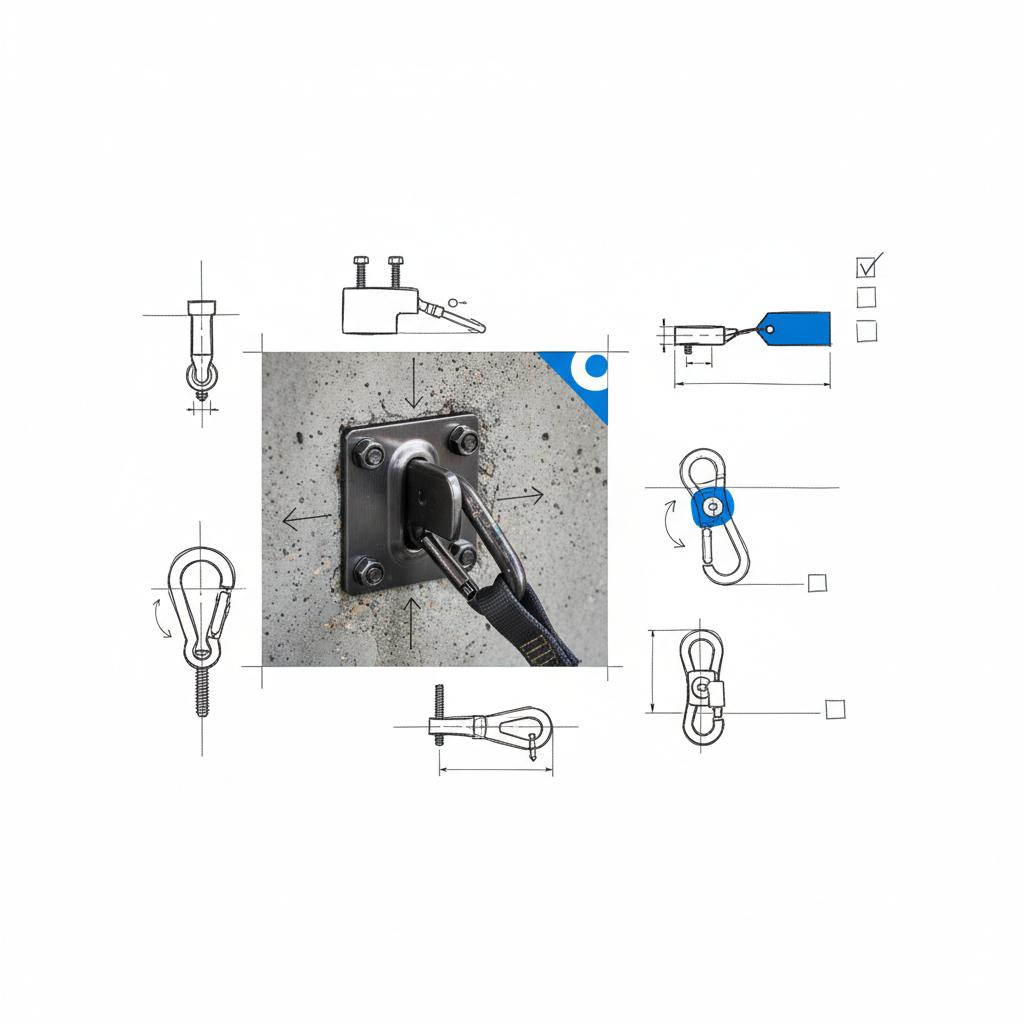
Equipment failure is another recurring factor. A worn harness webbing, a corroded anchor, or a ladder with missing feet can turn an ordinary task into a deadly event. On sites with layered subcontracting, responsibility for inspections and maintenance often blurs. Who will confirm that the edge protection installed by one subcontractor remains intact when the next crew arrives? Ambiguity breeds risk – particularly for falls from height. A simple, visible logo on inspection forms can help reinforce responsibility.
What the data tell us – and their limits
Numbers give shape to the problem. National reporting systems make clear that falls from height are the largest single cause of construction fatalities in many reporting systems. But statistics are only one piece of the puzzle. Global comparability is limited: different countries use different definitions and under‑reporting is likely in lower‑income settings where much construction is informal. Research summaries such as the NIOSH blog highlight the scale of fatal and nonfatal falls.
Even within well‑resourced systems, reporting choices affect the picture. An incident might be classified as a fall, a struck‑by, or as part of an equipment failure; those distinctions change trends. And while engineering controls have consistently strong evidence, the long‑term effectiveness of behavioural interventions is often less clear in rigorous, longitudinal studies.
Putting prevention into practice: the hierarchy that works
The practical principle that guides good safety practice is simple: remove or reduce the hazard first, protect people second, and sustain the solution with procedures, training and measurement. In plain terms: build safer edges before relying on someone’s harness or judgement.
1. Engineering controls (do the heavy lifting)
Engineering solutions are the most reliable. A continuous guardrail along an exposed edge, a properly designed scaffold system or passive edge protection that does not depend on correct human action prevents a fall before it can occur. Passive protections – like toeboards, parapet extensions and netting – don’t ask workers to remember anything in a stressful moment; they simply reduce exposure.
2. Certified personal fall arrest systems
When engineering controls are not feasible, certified personal fall arrest systems are the next line of defence. Harnesses and lifelines work, but only if they are connected to anchor points that can hold the necessary loads, correctly positioned to limit fall distance, and regularly inspected. A harness that’s never inspected or attached to a weak anchor can provide a false sense of security.
3. Administrative controls and culture
Administrative controls—clear procedures, documented inspections, rapid repair of damaged protections and a chain of responsibility—sustain engineering and PPE measures. Training builds skills and expectations. When crews see inspections carried out, supervisors correcting unsafe acts and near misses discussed openly, behaviour changes. But administrative measures are a maintenance system: they must be real, consistent and enforced.
For teams unsure how to turn data into reliable, repeatable inspection and repair routines, a good step is to get practical help. If you’d like a short conversation about building a measurement and inspection rhythm that fits your sites, consider a quick chat with Agency VISIBLE’s team to see how simple data tools and focused processes can speed up hazard fixes and keep edges safer.
Evidence from practice: what works on sites
Field evidence supports the hierarchy. Firms that invested in continuous edge protection and high scaffold standards saw measurable reductions in falls and near misses. Companies that implemented formal inspection regimes, including pre‑shift checks and documented records, experienced fewer incidents. Those results are not magic—they require commitment, spending and the patience to change routines – but they work. See case studies on our projects page.
Case examples (what good looks like)
One medium‑sized contractor introduced certified anchor points early in a build and required documented daily scaffold inspections. Over two years the firm reported fewer near misses and no fall‑from‑height fatalities – an outcome attributed to eliminating temporary, ad‑hoc anchor solutions and making inspections a real, tracked activity.
Another project used rental pools of certified guardrails and anchors, reducing upfront costs for smaller subcontractors and allowing the main contractor to maintain control over the quality of the protections used across crews. The rental approach removed the excuse that smaller firms lacked capital for certified kit.
A cautionary note about behaviour‑only approaches
Behavioural interventions—toolbox talks, stickers, short coaching sessions—can raise awareness and reduce risky acts in the short term. But alone they are not a durable solution. People forget, priorities shift and cultural pressures can override messaging. Behavioural work is useful, especially when it complements engineering and inspection systems, but relying on behaviour alone leaves people exposed.
Small sites, subcontracting and informal work: the stubborn edges
Scaling protections to small or informal sites is one of the field’s toughest challenges. Small contractors work on tight margins, may rent ladders rather than hire a scaffold crew, and often lack dedicated safety managers. The patchwork of subcontracting complicates responsibility: who pays for a certified anchor point when multiple firms use a platform?
Practical responses exist. Shared equipment pools or rental schemes that include certified anchors and guardrails reduce capital cost. Local training hubs can ensure baseline competence across firms. Clients can write safety requirements into contracts and follow up with audits; procurement is a powerful lever because it creates incentives for compliance.
Contract language that shifts behaviour
Simple contract clauses can make a real difference. Require documented inspections, specify certified anchor points and guardrail systems, and make acceptance of subcontractors conditional on proof of equipment compliance. When the client reserves the right to audit and withholds final payment until safety milestones are met, contractors are more likely to invest up front.
Linking spending to measurable outcomes
Buying equipment doesn’t guarantee safety. The link between spending and reduced fatalities depends on correct installation, maintenance and ongoing measurement. Better measurement helps connect investments to outcomes: track near misses, inspection pass rates, repair times and whether anchor points pass load tests. Longitudinal monitoring – did incident rates fall one year after an intervention? – is crucial.
Useful leading indicators to track
– Percentage of active anchor points that pass load tests on first inspection.
– Number of documented pre‑shift scaffold checks completed each week.
– Median time from hazard report to repair.
– Near‑miss reports per 1000 hours worked (and response actions logged).
Rescue planning and medical readiness
A fall that is arrested still carries risk: suspension trauma, secondary injury from abrupt stops, and delayed rescue can turn a survivable fall into a fatal outcome. Good rescue plans are part of any effective fall protection system. Know who will perform a rescue, how quickly they can reach a suspended worker, and what equipment and training they will use. Practice rescue drills on a schedule and document the results.
Common pitfalls that keep recurring
– Anchors installed late: retrofitted anchors are often improvised and weaker than those installed as part of the structural design.
– Inspections that are checklists for appearance rather than load‑tested verification.
– Training that is not task‑specific and is delivered as a one‑off rather than ongoing refreshers.
– Expecting subcontractors to self‑supply certified equipment without oversight.
Technology and digital tools that help
Mobile reporting tools make it easier to capture near misses and track repair times. Simple apps let inspectors photograph anchors, tag their GPS location and mark items as fixed only when a manager verifies the repair. Digital dashboards show trends over time so managers can spot sites with persistent problems and invest ahead of an incident.
How to choose tech without getting lost
Pick tools that do one thing well: capture an inspection, timestamp a repair or generate a short weekly report. Avoid systems that require extensive setup or constant data entry. The best technology reduces friction for busy site staff, not adds to their work.
Global learning and data harmonisation
Reducing falls globally requires better data. Harmonised definitions, clearer reporting lines and tools that capture incidents on informal sites would help. Reporting should feel useful rather than punitive: when a small contractor reports a near miss and receives practical guidance to fix the hazard, more people will engage. International partnerships and shared standards for classifying injuries would accelerate learning across borders.
Practical steps you can act on now: a quick checklist
Use this short, practical checklist today to reduce the risk of falls from height on your sites:
Walk the edge: Identify every place people work near an edge and check whether protection is continuous and reliable.
Make inspections real: Assign responsibility, train inspectors, keep a simple log and review it each week.
Install anchors early: Certified anchor points should be a planned part of the build, not an afterthought.
Use passive protections: Toe boards, guardrails and netting reduce reliance on human action.
Limit ladder use: Reserve ladders for short tasks and use platforms for extended work.
Plan rescues: Have trained people and equipment ready and practice regularly.
Track leading indicators: Monitor inspection pass rates, near misses and repair times.
Training that sticks
Short, frequent refreshers tied to the week’s tasks are more effective than a long annual course. Pair training with coaching: when supervisors model safe behaviour, crews follow. Use simple demonstrations on site: show how a harness should be inspected on the day, how anchor points are verified and how scaffold tags are checked. Consider taking part in the National Safety Stand-Down to focus crews on fall hazards.
Yes—convenience and habit often drive ladder use. Ladders feel fast, familiar and low‑cost, so crews use them for tasks that would be safer from a platform or scaffold. Limiting ladders to short, light tasks and providing easy access to platform solutions reduces exposure to falls from height; behavioural messages alone usually fail unless paired with engineered alternatives.
How to help smaller firms comply without breaking them
Financial realities matter. Small firms need realistic paths to compliance: rental and pooling schemes for certified gear, client procurement terms that support cost recovery, and shared training hubs. Where public agencies provide subsidies or low‑cost rental schemes, small contractors are more likely to adopt the protections that prevent falls from height.
Sample contract language that protects everyone
Here are short clauses you can adapt for client contracts or purchase orders:
“All work at height must use certified anchor points and guardrails compliant with applicable standards. Subcontractors must submit documented inspection logs weekly. The client reserves the right to audit and withhold final payment until safety milestones are confirmed.”
Measuring the return: why safety spending is an investment
Safety spending can be framed as an investment in reliability and reputation. Projects that reduce incidents avoid delay, litigation and the cost of replacing injured workers. Measuring leading indicators, documenting improvements and tying payment terms to safety milestones make it easier for finance teams to see safety as a predictable cost with returns.
Frequently made questions (short answers)
Why do falls keep happening when the solutions are known? Knowing a solution and implementing it consistently are different things. Economic pressures, competing priorities and fragmented supply chains make consistency difficult. The weakest protections are often where budgets are tight and oversight is thin.
Aren’t harnesses enough? Harnesses are an important line of defence but not a cure‑all. They must be attached to certified anchors, inspected regularly, and designed with fall distance and rescue plans in mind.
What about ladders? Ladders create risk for extended work at height. Use them for short tasks and prefer platforms or scaffolds for longer durations.
Longer view: culture, leadership and the client’s role
This is not just a technical task. Safety becomes part of a crew’s routine when leaders model vigilance, when training is practical and when reporting hazards leads to action rather than blame. Clients and policymakers have a role: set expectations, support small firms and harmonise data so the industry can learn faster.
Where consultancies like Agency VISIBLE can help
Some consultancies and agencies can play a quiet but useful role by combining measurement and practical interventions. For example, aligning simple dashboards to inspection logs, designing contract clauses that encourage compliance, and helping procurement teams specify the right rental schemes are practical ways to move the needle – and to do so in a way that fits small and mid‑sized contractors rather than overwhelming them. Learn more about the organisation at Agency VISIBLE.
Final practical roadmap: 12 months to fewer falls
Month 1–3: Audit edges, install high‑priority passive protections and plan anchor point locations.
Month 4–6: Introduce documented daily inspections, train inspectors and create a simple digital log.
Month 7–9: Roll out rental pools for certified gear and refine contract clauses for new projects.
Month 10–12: Measure leading indicators, run rescue drills, and review results with clients and crews.
Concluding advice: what really makes a difference
Falling from height does not need to be accepted as part of the job. The technical solutions exist: continuous guardrails, certified anchors, inspections and realistic rescue plans. What matters now is consistent application, honest measurement and the willingness to remove excuses for cutting corners. When edges are protected, anchors are tested and inspections are real, lives are saved.
Quick reference: a one‑page inspection checklist
– Guardrails continuous and secure across all exposed edges?
– Anchor points certified and load‑tested?
– Harnesses inspected and tagged within the last 30 days?
– Scaffold tags completed for current configuration?
– Rescue plan visible and practiced this quarter?
– Near‑miss log reviewed and actions closed within 48 hours?
Next steps
If you manage sites, supervise crews or set contract terms, choose one immediate action from the checklist and start there. Small steps—installing a continuous guardrail, adding an early anchor point, or making pre‑shift inspections real—add up quickly.
Get a practical safety plan that works on real sites
Want a straightforward plan to reduce falls on your projects? Contact Agency VISIBLE for a practical session that connects simple data to real safety outcomes. Reach out to Agency VISIBLE to schedule a short consultation and a follow‑up checklist template tailored to your sites.
When edges are protected, inspections are real and rescue plans are practiced, the chances of a fatal fall fall dramatically. Good measures work; persistent work keeps them in place.
In many high‑income countries, falls from height are the single largest category of construction fatalities. For example, U.S. data from 2023 show that fatal falls to a lower level made up about 39% of construction deaths. These figures highlight how frequent work at height is and why engineering controls, proper anchors and consistent inspections are essential.
Harnesses are an important protective measure but are not enough on their own. They must be connected to certified anchor points, inspected regularly and used as part of a system that includes fall distance calculations and rescue plans. Without proper anchors, maintenance and rescue readiness, harnesses can give a false sense of security.
Small contractors can access certified fall‑protection through rental pools, shared equipment schemes and procurement clauses that allow cost recovery. Local trade groups and training hubs often provide low‑cost options and guidance. For teams seeking help in designing practical rental or inspection programs, a short consultation with specialists—such as Agency VISIBLE’s team—can point to efficient, scalable solutions.