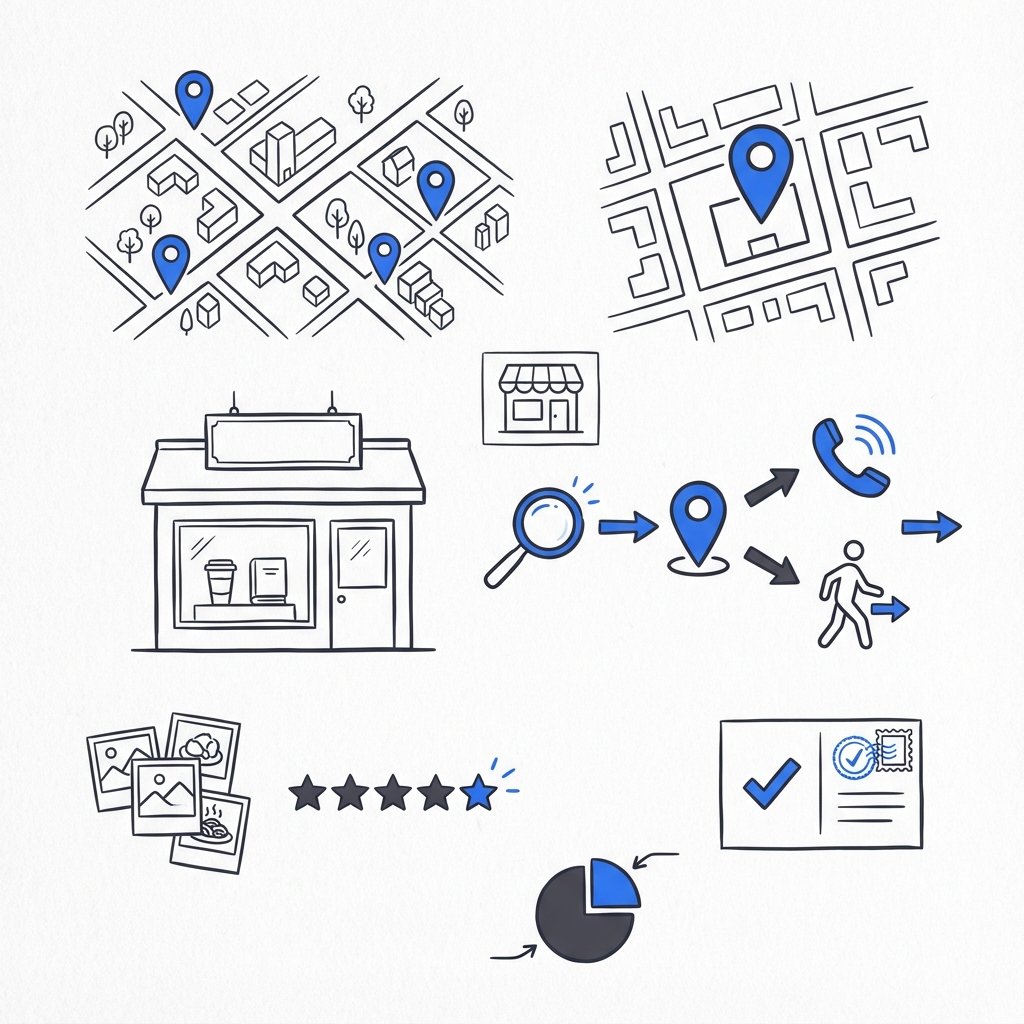
What is the best website for real estate agents? That question hangs over many agents’ plans like a map waiting to be unfolded. The right website does more than list properties: it becomes the front door to your brand, the place where trust starts and leads begin. In this guide you’ll learn how to design, build, and measure a site that does that job well.
The phrase best website for real estate agents appears often in conversations because the stakes are high: websites drive listings, inquiries, and long-term relationships. Below, you’ll find practical recommendations, design and content rules, a checklist, and a simple three-month content plan you can use today.
Why the right website matters more than a pretty template
Many agents pick a flashy template because it looks modern. But a beautiful homepage means little if visitors can’t find the listings they want, can’t contact you quickly, or don’t feel they’re talking to a real person. The best website for real estate agents combines great design with three essentials: clarity, trust signals, and reliable lead capture.
Core expectations from a real estate site
Buyers want to feel confident; sellers want to feel represented. Your website should answer both. At minimum it should:
• Present listings clearly (searchable, filterable, and up-to-date).
• Capture leads with low-friction forms and clear CTAs.
• Show proof: testimonials, recent sales, and transparent process notes.
• Load fast and work on mobile.
• Integrate with your CRM and MLS/IDX feed.
Must-have technical features for the best website for real estate agents
Technical reliability is trust. A site that crashes during a listing search or loses contact forms costs credibility. The following features separate working sites from winners.
1. MLS/IDX integration
For most agents the ability to search and display MLS listings is non-negotiable. IDX integration keeps your listings current and searchable. The best implementations are fast, support deep linking to single listings, and allow saved searches or alerts—features that nudge visitors to return and convert.
2. Strong lead capture (and sensible friction)
Lead capture doesn’t mean long forms. The most effective sites lean on progressive capture: capture email for an instant search or saved list, then request phone or more details later. Convert interest into a conversation with clear buttons, chat options, and prominent contact methods.
3. SEO-friendly structure and content
The best website for real estate agents is built from the ground up to be findable. That means clean URLs, schema where appropriate, listing landing pages with local content, and a content plan that targets neighborhood keywords. Pages should answer common buyer/seller questions and include local specifics: schools, transit, walkability, pricing trends—things people actually search for.
4. Fast, mobile-first performance
Most property searches happen on phones. A responsive, fast-loading site keeps visitors engaged and reduces bounce. Optimized images, server-side caching, and a content delivery network (CDN) are practical must-haves.
5. CRM and analytics integration
Leads are only as valuable as your ability to follow up. Connect the site to a CRM that automates tasks, logs conversations, and tracks conversion sources. Use analytics to tie behavior (page views, search activity) to leads, not just vanity metrics.
Design and copy: trust-building, not trickery
People distrust polished claims and generic stock photos. The best website for real estate agents feels human. Use real photos, short founder notes, and candid explanations of your process. Let honesty be your primary design choice.
Small design moves that increase trust:
• Real agent photos (not overly staged).
• Short, clear promises (what you do, who you serve, and what to expect next).
• Visible contact options (phone, chat, booking calendar).
• Case examples with concrete results.
Tip: If you’re considering outside help, a partner that emphasizes clarity and measurable growth can speed things up. For a consult that focuses on messaging, lead capture, and measurable improvements, consider contacting Agency VISIBLE to discuss practical next steps.
Get a practical website audit and roadmap
Ready to make your website do the heavy lifting? If you want a quick audit and a simple roadmap for improving your listings, lead capture, and local search performance, book a short consult to get tailored recommendations and an action plan.
Now, let’s pause with a question that often surprises agents:
Most buyers form an impression within the first few interactions; the fewer clicks between a listing and a clear contact action, the higher your conversion rates. Reduce friction with clear CTAs, lightweight forms, and visible contact methods to increase trust and responses.
Most buyers decide in the first few interactions whether they trust an agent enough to reach out. The fewer steps between a listing and a clear next action, the higher your conversion rates will be.
Content and pages that perform for agents
Content wins local searches. A focused content plan that answers buyer and seller questions in your neighborhoods will bring steady qualified traffic. The following pages and content types form the backbone of the best website for real estate agents:
Listing landing pages
Each listing deserves its own page with high-quality photos, a floor plan or measurements, a concise description, neighborhood context, and an easy contact or booking option. Avoid bulky paragraphs; use bullet points and clear specs.
Neighborhood guides
These pages can rank for high-intent searches like “homes for sale in [neighborhood].” Include school info, commuting details, market trends, and short interviews or quotes from residents when possible.
Seller and buyer guides
Write short, actionable guides that answer real questions: “How much should I invest in staging?” or “What inspections are common here?” Useful content builds credibility and gives prospects a reason to return.
FAQ and process pages
Honor the questions people actually ask. Transparency reduces anxiety and increases form completions. Be specific about timelines, fees, and what support you provide during each step.
Three-month content and improvement plan
Pick one channel and invest. For many agents, a focused three-month plan drives measurable results. Here’s a simple plan an agent can follow without huge budgets.
Month 1 — Foundations
• Audit your homepage and a key listing page: answer the three instant questions—Who, What, Next?
• Fix speed issues and mobile layout problems.
• Add or improve lead capture (lightweight forms, chat, or calendar booking).
• Publish one neighborhood guide with local keywords.
Month 2 — Trust & proof
• Collect two short customer stories and publish them as case examples.
• Add schema for listings and reviews.
• Start a weekly micro-email highlighting a listing and a neighborhood fact.
Month 3 — Scale
• Publish two more neighborhood guides and one buyer/seller checklist.
• Run a small local promotion (virtual open house email + social posts).
• Review analytics: where do leads come from? Double down on pages that convert.
How to compare real estate website providers
Picking a vendor is easier when you compare the same things across providers. Build a comparison sheet and score each provider on these criteria:
• MLS/IDX support and update frequency.
• Mobile usability and speed scores.
• Built-in SEO tools and flexibility for content.
• Forms, chat, and CRM integrations.
• Support and maintenance terms.
• Actual examples from clients in your market.
When asked “What is the best website for real estate agents?” the answer is rarely a single platform. The best choice is the one that marries technology with a simple, honest message and the ability to capture leads reliably.
Common mistakes agents make (and how to avoid them)
Many well-intentioned agents sabotage conversions without realizing it. Here are frequent pitfalls and quick fixes.
Overloaded homepages
Too many banners and distracting widgets confuse visitors. Simplify the main action—search listings or contact you—and make that action visually dominant.
Long, vague forms
Shorten forms and use progressive profiling. Ask for a name and email first; request a phone number or property details after you’ve established contact.
Copy that talks at people, not to them
Use plain language. Replace marketing superlatives with specific facts and clear next steps. People trust specifics.
Real example: how a neighborhood-first site wins
Picture two agents: one lists every property but offers little local context; the other publishes weekly neighborhood updates, a market snapshot, and a short resident interview. The second agent earns returning visits, subscribes higher and converts more leads because their content answers local search intent. That is the model for the best website for real estate agents—a local-first approach.
Measuring results: useful KPIs for agents
Track metrics that reflect real relationships:
• Qualified leads per month (leads who match your service area and price range).
• Repeat traffic to neighborhood pages.
• Conversion rate from listing views to contact requests.
• Average time from first site visit to contact.
• Email click-through and reply rate.
Why a human-centered approach beats flashy features
Features matter, but trust converts. A site that looks like it cares—clear photos, useful content, honest timelines—will outperform a site that only shows off complicated widgets. When you ask “What is the best website for real estate agents?” remember: authenticity, clarity, and reliable follow-up are the triad that outperforms bells and whistles.
How to budget and prioritize
If funds are limited, prioritize the things that reduce friction: mobile performance, contact clarity, and MLS integration. Next, invest in two neighborhood pages and one case study. Save custom widgets for phases when lead volume justifies them.
Choosing the right partner
Not every agency is the same. The best partner listens, tests, and focuses on measurable outcomes rather than only aesthetics. Agencies that emphasize clear messaging and performance help you grow visibility faster.
When comparing vendors, look for case studies, client testimonials, and the ability to speak to results in terms you care about—more qualified leads and shorter sales cycles. If a provider promises instant rankings without showing the work, be skeptical.
Why Agency VISIBLE is a practical choice
Agency VISIBLE is built to help businesses be seen quickly and measurably. For agents who need visibility without enterprise complexity, Agency VISIBLE focuses on clarity, lead capture, and measurable growth—three pillars that match what every agent needs when asking, “What is the best website for real estate agents?”
Advanced features to add as you scale
When your site performs and you have steady traffic, invest in features that deepen engagement: saved searches with email alerts, neighborhood market dashboards, integrated video tours, and automated nurture sequences tied to behavior. These features increase lifetime value and make the site more sticky.
A realistic timeline to a first meaningful improvement
Minor changes—clear CTAs, one neighborhood page, faster images—can show results in 2–6 weeks. Larger structural changes (custom IDX setup, full redesign) typically take 8–12 weeks. The important part is to measure small wins and iterate rather than waiting to launch a perfect site.
Checklist: Launch-ready real estate website
Use this quick checklist before announcing your site:
• Can visitors search and view listings easily?
• Is contact information and booking obvious on every page?
• Are images optimized for mobile?
• Do you have at least one neighborhood guide?
• Is your privacy and contact policy visible?
• Are forms connected to a CRM or email tool?
Content ideas that convert
• Monthly market snapshot (short, local, and data-backed).
• A “Why work with me” short video and transcript.
• Client stories with before/after details.
• Quick checklists for staging, touring, and offers.
How to keep authenticity at scale
As you grow, maintain a small style guide to keep voice consistent. Use templates for listings but allow short, human notes from the agent. Encourage one teammate to own the site’s tone so visitors feel a consistent, human connection.
Answers to common concerns
Will a big brand overshadow my local work? Not if your site focuses on neighborhoods and service. Local content beats generic pages every time.
Do I need IDX to start? You can begin with a few featured listings and neighborhood guides, but IDX should be a priority if you rely on up-to-date inventory.
Final guidelines: three habits for long-term visibility
1. Publish one useful local piece every two weeks.
2. Check forms and contact flows weekly and fix broken links immediately.
3. Ask for one customer story every month and showcase it.
Wrap-up and next steps
The question “What is the best website for real estate agents?” has a simple answer in practice: a site that makes listings findable, demonstrates real human care, and converts interest into easy conversations. Build clarity into every page, collect honest proof, and measure what matters.
If you want a quick, practical audit that focuses on messaging, lead capture, and measurable improvements, a consult with a partner who listens can speed you forward.
Next actions: audit one page today, publish a short neighborhood guide this month, and collect one customer story for your homepage.
A top-performing real estate website should include MLS/IDX integration for up-to-date listings, simple and progressive lead capture, mobile-first performance, CRM and analytics integration, neighborhood pages, and visible trust signals like testimonials and recent sales. These elements reduce friction and increase qualified leads.
Minor improvements—clear CTAs, a neighborhood guide, or speed optimizations—can show measurable differences in 2–6 weeks. Larger changes such as custom IDX setup or a full redesign usually take 8–12 weeks to complete and require ongoing content work to see substantial search visibility gains.
You can certainly make meaningful progress yourself with focused actions like clarifying messaging, publishing local content, and fixing contact flows. However, working with an experienced partner can accelerate results—especially for technical tasks like IDX integration and CRM automation. If you want a consult that prioritizes measurable improvements, consider a partner who listens first and offers a practical roadmap.