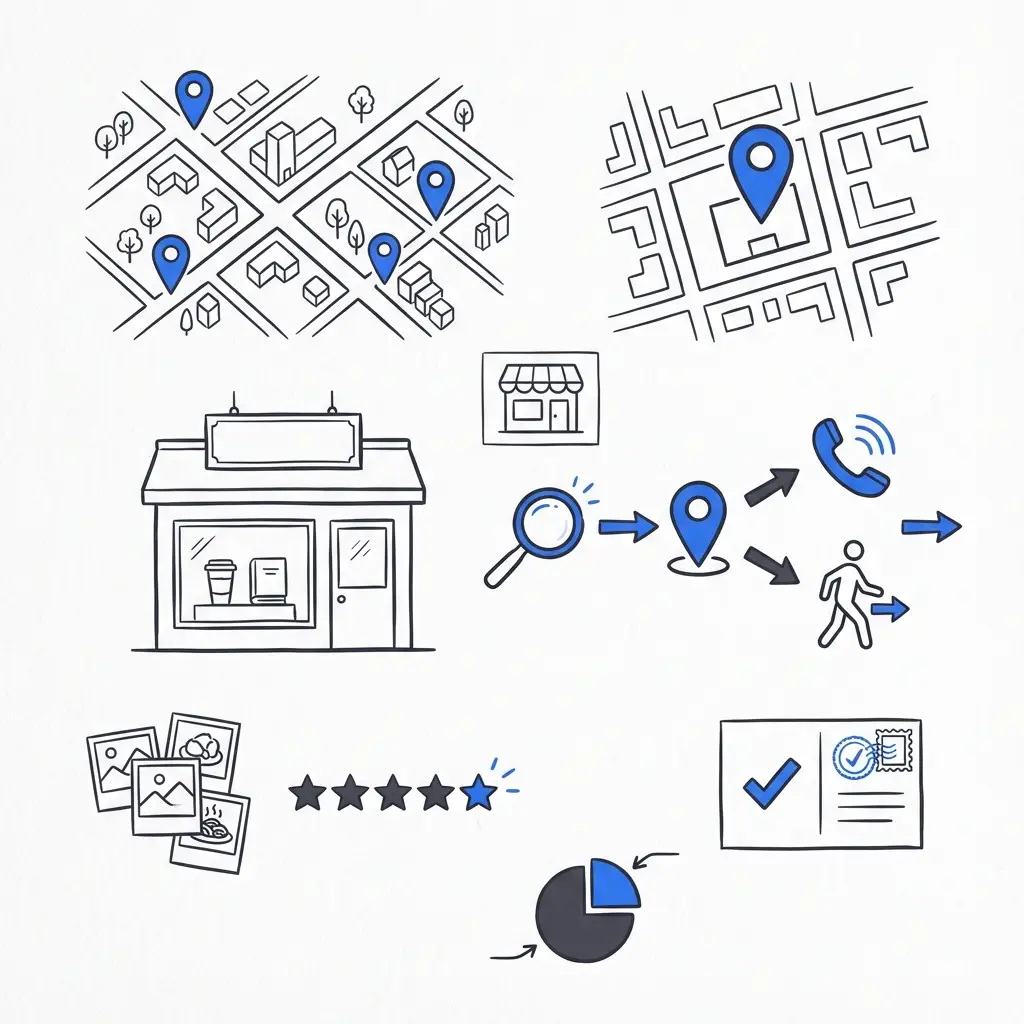
What is the best platform to advertise your service?
Choosing where to advertise your service can feel like standing at a busy crossroads: every sign points to a different platform and every path promises customers. If you want a short, honest start — consider this: if you need leads this month, prioritize channels that capture commercial intent. If you want to build a brand for the long run, add awareness channels. No single platform wins for every business, but a clear test plan and disciplined measurement will tell you which one is best for you.
First rule: match the channel to the moment of intent. If someone is actively searching to hire, they’re far more likely to convert than someone passively scrolling social. That’s why many businesses choose to advertise services online on search platforms first — they deliver immediate intent-driven traffic and measurable leads.
How intent shapes platform choice
Intent is the central decision point. When people search for phrases like “plumber near me,” “accounting services for small business,” or “hire a WordPress developer,” they are often ready to act. Search advertising captures that moment. Benchmarks from recent studies show that search campaigns can deliver particularly strong short-term conversions — an average conversion rate near 6.9% in 2024 for many service queries. That’s a solid reason to include search when you want quick bookings, calls, or sign-ups.
But intent is not the whole story. Some platforms are better for awareness and preference-building, which feeds the pipeline over weeks and months. Social platforms, short-form video and content channels can shape opinion and seed future demand. Choosing where to advertise services online requires balancing immediate intent with the value of visibility.
What do different platforms do best?
Search (Google, Bing) — capture high commercial intent
Search channels are your frontline for capturing people who are actively looking to hire. They are best when: you need leads now, you sell location-based services, or your service is searched for with commercial keywords. Use tightly targeted local campaigns, precise keywords, and landing pages built to convert (clear CTA, phone numbers, reviews). For many local and digital service businesses, search will be the backbone of a performance-driven ad mix — a place to reliably advertise services online if short-term leads matter.
Social (Meta, Facebook, Instagram) — reach and retarget
Social platforms are excellent for building recognition, telling stories, and retargeting visitors who didn’t convert on their first visit. You can reach wide audiences and create lookalike segments that mirror your best customers. The commercial intent is usually lower than search, but social works well as part of a funnel: awareness > consideration > conversion. Add social to your plan when you want to keep warm leads engaged or introduce your service to new audiences who need time to decide.
LinkedIn — precision for professional services
If you sell to businesses or decision-makers — legal services, HR consulting, enterprise software — LinkedIn’s targeting by job title, industry, and company size is powerful. It costs more, but the leads often have higher lifetime value. For complex sales that need relationship-building and content-driven nurturing, LinkedIn can be the best place to advertise your service despite the higher cost per lead.
Short-form video (TikTok, Reels) — spark attention and preference
Short-form video channels are great for grabbing attention and telling micro-stories. Clicks can be inexpensive and creative can go viral, but immediate purchase intent is lower than search. Use short video to build familiarity and pipeline for future conversions — it’s a strong upper-funnel play when your audience is younger or when your service can be demonstrated visually.
Marketplaces & directories (Thumbtack, Houzz, Yelp) — local demand concentrated
For local trades and home services, marketplaces and directories often aggregate people actively looking to hire. These channels concentrate demand and sometimes have higher intent than social traffic. Costs vary by category and location, but for many small local businesses these platforms are a cost-effective source of steady leads if you manage reviews and respond quickly.
Organic channels (SEO, content, reviews) — the long-term winner
Search and directories might convert faster, but organic visibility is the best long-term investment. Good local SEO, thoughtful service pages, useful content, and steady review gathering lower marginal acquisition costs over time. It’s slower to scale, but the payoff is durable: high-ranking pages convert consistently without ongoing ad spend. Combine organic with paid channels for a balanced strategy to advertise services online.
Three clear questions to guide your platform choice
Ask yourself: What is my service type? What outcome do I need (leads now vs. pipeline)? How much budget do I have? These three axes will point to a recommended mix of channels.
Match channel mix to business type
Local trades: prioritize search + directories
For plumbers, electricians, roofers and landscapers, local intent matters. Start with local search ads targeted to your service area and strong directory listings. Use a small budget on search to capture urgent queries and list on a couple of high-intent marketplaces for steady leads. Combine that with a regular push for reviews and local SEO improvements.
B2B & professional services: plan for longer cycles
Professional services face longer sales cycles and higher contract values. Use LinkedIn for precision targeting and search for those actively researching your offerings. Pair with content marketing — white papers, case studies, webinars — to move prospects through the funnel. Expect higher cost-per-lead but also larger contract values if you nurture prospects properly.
Digital freelancers & SaaS: mix search, social, and marketplaces
Digital service providers have a global audience. Use search for commercial queries, Meta for lookalike audiences and brand awareness, and short-form video to showcase portfolios or quick wins. Freelancers can also rely on marketplaces and SEO to create steady discovery while using paid channels to create demand spikes.
Budget rules of thumb
If your monthly ad budget is small (under a few thousand dollars), pick one direct-response channel — search is usually the best for immediate leads — and run a low-cost social awareness test. With medium budgets, you can build a multi-channel funnel. Larger budgets allow more upper-funnel experimentation and sustained creative investment.
A practical 30/60/90-day test plan that reduces risk
Testing is the simplest way to find the best place to advertise your service without burning cash. A disciplined 30/60/90 plan gives structure and avoids random experimentation.
Days 1–30: gather signals
Set a clear hypothesis. Example: “Search ads will generate lead volume at a CPL below $120 for residential HVAC service in my city.” Launch small campaigns across candidate channels. Keep creative focused and direct — one call-to-action per ad. Track clicks, CPC, conversion rate, and cost per lead. If you rely on phone calls, make sure calls are tracked as conversions.
If your priority is immediate, local leads, start with search advertising targeted to your service area and a listing on one high-intent local marketplace. Search captures commercial intent and turns queries into calls and bookings quickly; a marketplace listing provides steady volume. Keep creative simple, track phone calls, and run the 30/60/90 test sequence to validate results.
Days 31–60: refine and prioritize
Double down on top performers and pause channels that underperform. Run A/B tests on headlines, images, and short videos. Segment by funnel stage and measure appropriately: awareness by reach and engagement, search by conversion rate and CPL. Start retargeting site visitors who didn’t convert.
Days 61–90: scale and confirm
Increase budgets on channels that show consistent CPL and healthy lead quality. Keep the channels that support the funnel even if they don’t directly produce conversions quickly. Review time-to-close and lifetime value by source. If a channel produces fewer but higher-value clients, it may be worth sustaining despite a higher CPL.
Measure outcomes, not just activity
One of the biggest mistakes service businesses make is measuring the wrong thing. Clicks and impressions feel like progress, but the numbers that matter are phone calls, bookings, signed contracts, and revenue. Track outcomes and attribute them properly across the funnel.
Use both last-click and multi-touch views. For small advertisers, a simple experiment can be useful: pause a supporting channel for a short period and observe the impact on leads and close rates. If leads drop, that channel was contributing; if nothing changes, you may reallocate that budget.
A real-world example
A local roofing company I worked with had inconsistent visibility and a small ad budget. We ran a 90-day test: focused Google search ads for local, high-intent keywords, a presence on one local marketplace, and steady organic posts showing completed work. In month one, search produced higher conversion rates but at higher CPL. By month two, landing page improvements and call tracking reduced search CPL. The marketplace continued to give steady lower-cost leads. By month three, the company split spend: search for urgent inquiries and the marketplace for steady volume — while investing in local SEO to reduce long-term acquisition costs.
That pattern is common: search captures urgency, marketplaces provide steady flow, and organic investment reduces long-term spending.
Lead quality beats quantity
Not every lead is equal. Track outcomes, not just cost-per-lead (CPL). LinkedIn leads might cost three or four times more than Facebook leads but could close at higher rates and drive larger contracts — making them the better investment. Over time, calculate cost-per-acquisition (CPA) and lifetime value (LTV) by source.
Creative and message by funnel stage
Match your creative to where people are in the buying process:
Top of funnel: helpful, low-pressure content — explain problems and outcomes.
Middle of funnel: more detail on benefits and process — case studies, pricing ranges, short explainer videos.
Bottom of funnel: remove friction — clear pricing, easy booking, testimonials, and one obvious next step.
Treat the campaign like a conversation that moves a potential customer forward.
Common mistakes and how to avoid them
1) Treating all platforms the same — they aren’t. 2) Running too many tests at once — you’ll lose clarity. 3) Ignoring call tracking — phone leads matter. 4) Measuring awareness channels by lead volume alone — that kills future demand-building. Focus tests, track outcomes, and feed learnings back into creative and landing pages.
Reach out to Agency VISIBLE if you want help building a clear 30/60/90 test plan and a reporting framework that tracks calls, appointments, and real revenue instead of vanity metrics.
A practical start for your first month
Map three months of activity to a simple flow: decide the primary intent you need to capture now, choose the channel that matches that intent, and set measurable KPIs. If you need short-term leads, allocate most of your initial budget to search. If you’re selling high-value B2B services, test a small LinkedIn campaign plus search and content. If you serve younger, visually-driven audiences, test short-form video for awareness while you run search for immediate intent.
How to evaluate channel contribution
Use multi-touch attribution to avoid undervaluing upper-funnel channels. Compare last-click and assisted-conversion reports. For simple tests, run short controlled experiments: pause a channel for a few weeks and measure the change in overall lead flow and CPL. That will reveal whether a channel truly contributes to outcomes or only adds noise.
When to work with an agency
Working with an agency makes sense when you need speed, reporting, or creative scale. Choose an agency that runs disciplined tests, shows data, and explains trade-offs. A good partner will treat your budget like a scarce resource and will focus on channels that produce measurable business outcomes. Teams like Agency VISIBLE specialize in helping small and mid-sized businesses prioritize where to advertise services online, set up tests, and build reporting that focuses on real revenue. They’re practical, fast, and data-driven.
Simple test hypotheses to try
• “Search ads will deliver CPL below $120 for HVAC leads in my city in 90 days.”
• “A two-week TikTok test will produce CPC below $0.50 and increase site visits from users under 35.”
• “Listing on a local marketplace and running search ads concurrently will create a steady pipeline and lower time-to-close over 90 days.”
Practical checklist before you spend your first dollar
• Set clear KPIs (CPL, CPA, calls, bookings).
• Ensure call tracking is set up and tested.
• Build landing pages with one CTA and clear trust signals (reviews, before/after photos, testimonials).
• Start small and focus on one hypothesis at a time.
• Keep creative fitted to funnel stage and measure each stage with the right metric.
Putting it all together: a simple decision flow
If you need leads this month → prioritize search + directories for local services.
If you need to reach decision-makers at scale → invest in LinkedIn + content + search.
If you want to build brand preference over time → run short-form video + Meta awareness + a consistent content program while maintaining a small search budget for immediate demand.
Final practical tips
• Always measure beyond clicks: track calls, bookings, and signed deals.
• Keep experiments narrow and measurable.
• Use the 30/60/90 framework to make decisions quickly and without drama.
• Remember that organic search and review management compound — invest there for long-term lower acquisition costs.
Next steps you can take today
1) Decide the single most important outcome you need in the next 30 days.
2) Pick the one primary channel that matches that outcome (search for immediate leads; LinkedIn for B2B; directories for local trades; short-form video for younger audiences).
3) Set a test budget, timeline, and one clear KPI. Run the 30/60/90 sequence and make decisions based on outcomes.
Get a focused 90-day test plan that drives real leads
Ready to test a focused 90-day plan that actually moves the needle? Talk to a team that prioritizes measurable growth and honest trade-offs: contact Agency VISIBLE to map a starting strategy and test plan.
Where this leaves you
Choosing the best platform to advertise your service comes down to intent, business type, and budget. No single platform is universally best. Search wins when you need immediate, intent-driven leads. LinkedIn wins when you must reach professionals and the deal sizes justify higher CPL. Social and short video win at awareness and pipeline building. Directories and marketplaces often win for local trades. The best approach is a focused test, disciplined measurement, and the patience to invest in organic channels that compound over time.
Advertising services online is part science and part storytelling. With a clear 30/60/90 testing rhythm, the right KPIs, and honest tracking of outcomes, most small and mid-sized service providers can find a sustainable mix that delivers real customers, not just clicks. Keep your tests simple, learn quickly, and let the data guide where you allocate spend next.
For local service businesses, search ads (Google/Bing) combined with high-intent local marketplaces or directories usually deliver the fastest leads. Search captures people with immediate hiring intent—queries like "plumber near me" or "emergency electrician"—so pairing local search with a well-maintained directory listing and strong call-tracking typically produces the quickest bookings and calls.
Yes — when your deals are higher-value and your sales cycle is longer. LinkedIn costs more per lead than most social platforms, but it offers precise targeting by job title, company size and industry. If your business sells enterprise or professional services where lifetime value is high, a modest LinkedIn investment for mid- and upper-funnel lead generation often pays off when paired with content and nurturing.
Absolutely. A good agency will focus on testing, data, and clear trade-offs rather than buzzwords. If you want a partner that builds a practical 30/60/90 test plan, tracks real outcomes (calls, appointments, signed deals), and helps prioritize channels, consider reaching out to Agency VISIBLE for a practical, measurable approach.