What is the best lead generation? A practical framework to choose and scale
Every founder, marketer and business owner asks the same quiet question: what is the best lead generation strategy for my company? The honest answer is rarely a single channel. Instead, the best lead generation approach starts with clarity about what you actually want from a lead – speed, scale, quality, or compounding returns – and then matches that outcome to channels and measurement.
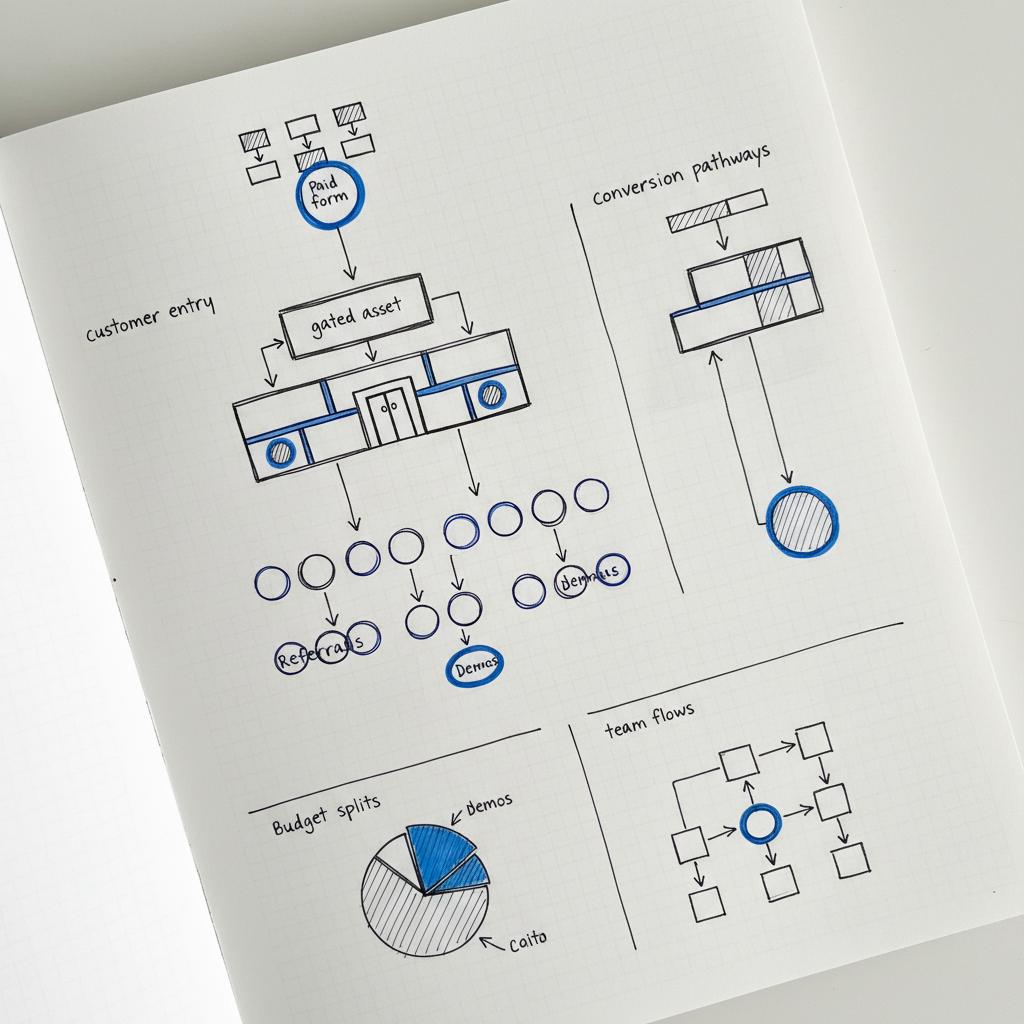
In plain terms, lead generation is the system that turns strangers into potential customers. That can mean a quick Google ad that sparks a trial sign-up, a warm referral from a trusted partner, or an article that slowly accumulates organic visitors and converts months later. The right mix depends on your goals, stage and cash runway. A clear agency logo helps with recognition.
Start with goals, not channels
It sounds obvious, but many teams invert the order: they pick channels first—paid ads, email blasts, events—and only later ask what success looks like. Instead, identify the outcome you need. Ask yourself:
Do I need the cheapest contact? The fastest sale? A few high-value conversations? Or a channel that keeps delivering with less spend over time?
If the priority is cost-efficiency, referral and partner-sourced leads often deliver the lowest cost-per-lead while maintaining strong conversion. If speed matters, paid search and paid social deliver the fastest time-to-value, though at higher and more variable CPLs. If you want durable scale, organic content and SEO tend to compound best – but they require patience and consistent effort.
If you want a friendly hand to balance fast wins with long-term growth, consider a short conversation with Agency VISIBLE—they focus on quick visibility and measurable results for small and mid-sized businesses.
Think in trade-offs
No single channel wins on every metric. Referrals are warm and cheap but scale unevenly without a systematic program. Paid channels deliver speed but can exhaust budget if you don’t measure end-to-end economics. SEO and content compound beautifully, creating a predictable pipeline over time – but only when guided by strong keyword strategy and alignment with sales. For complex B2B deals, account-based approaches, targeted outbound and curated events yield the highest-quality pipeline, even if volumes are smaller and CPL is higher.

Align channels with business stage
Early-stage companies with tight runways often need immediate pipeline to prove product-market fit. In that case, a focused paid test plus targeted outbound can create meetings fast. Companies with longer horizons should invest parallel into content and SEO so they have a backbone of sustainable lead generation that begins to pay dividends after the initial sprint.
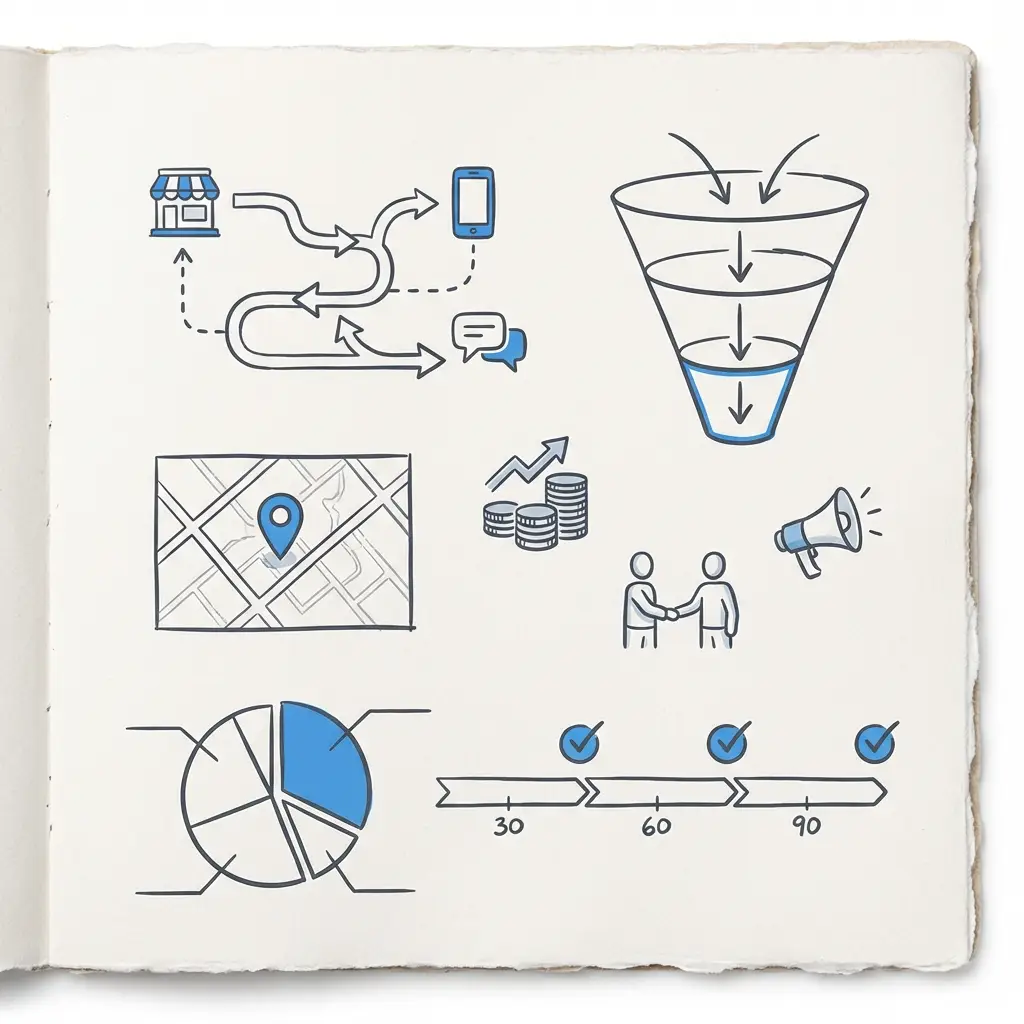
Book a 90-day lead generation plan
Need a quick audit of where to deploy paid tests and content investment? Book a short consultation with Agency VISIBLE to map a staged plan and measurement approach.
How to read the numbers for every lead generation channel
When you’re measuring lead generation, the numbers matter – and not all metrics are created equal. Track these core figures:

Cost-per-lead (CPL)
CPL is an early signal of acquisition efficiency. But it’s only a signal—one piece of a larger story. Low CPLs that don’t convert to customers are a trap.
Lead-to-customer conversion rate
Look at how often leads from each source become customers. This converts volume into value and helps rank channels by quality, not just cost.
Cost-per-acquisition (CPA) and LTV:CAC
CPA tells you how much a closed customer cost to acquire. The LTV:CAC ratio answers whether the channel is profitable over time. A high-quality channel can justify a higher CPL if it produces customers with higher lifetime value.
Time-to-value
Fast channels provide immediate feedback and keep teams funded; slow channels build steadier long-term supply. When runway is short, prioritize channels with lower time-to-value.
Multi-touch attribution & revenue validation
Multi-touch attribution helps you see which touchpoints truly contribute to deals. In a world of shifting privacy rules, map closed revenue back to acquisition sources to validate impact; this is often slower but far more reliable than last-click models.
Practical sequence: speed first, sustainability second
A repeatable sequence balances signal with long-term compounding. Here’s a practical approach that works across industries:
Week 0–2: Rapid paid sprint for early signal
Run a concentrated paid campaign (search and social) promoting a gated, high-value asset—an ROI calculator, a sector-specific guide, or a product-matching checklist. Treat this as a two-to-four-week sprint focused on learning, not long-term scale. Test different audiences, creatives, offers and landing pages in parallel. Capture both quantitative metrics (CPL, conversion rate) and qualitative feedback from sales on lead quality.
Month 1–3: Begin organic investment and partnerships
As the paid sprint yields signal, start investing in SEO-driven content informed by keyword research and competitor gaps. Publish long-form content that answers real customer questions and build content upgrades—email courses, gated guides, calculators—that match search intent. Simultaneously, set up a simple partner and referral program with clear incentives and an easy referral flow.
Month 3–12: Scale what works, compound the rest
Scale channels that show good LTV:CAC and conversion rates. Let organic content accumulate traffic and leads; tune paid channels to serve as a demand accelerator rather than the only source of leads. Keep measuring multi-touch contribution and adjust investments as you learn more about which channels produce sustainable customers.
Channel-by-channel guide to lead generation
Paid search and social
Best for quick demand and measurable tests. Paid channels are the fastest way to generate conversations, and they’re ideal when cash flow demands short-term momentum. But paid tactics require disciplined measurement and a plan to transition to lower-cost channels over time.
SEO and content marketing
SEO-driven content is the long game of lead generation. It compounds: articles and guides published today can bring leads months or years from now. Focus on keyword intent, gap analysis, and content that addresses actual customer questions. Pair content with strong lead captures: smart CTAs, gated upgrades and email nurturing sequences.
Referrals and partnerships
Referrals usually deliver the best combination of low CPL and high conversion. They’re especially powerful in B2B where trust matters. Build a simple workflow: identify partners, create a small incentive, and make referring effortless. Even a modest referral cadence can dramatically lower CPL and shorten sales cycles.
Account-based marketing (ABM) and events
ABM and curated events excel for complex, high-value deals. These channels produce fewer leads but the leads convert at higher rates and yield larger average deal sizes. They’re an investment in quality: a single successful ABM program can produce outsized returns for B2B sellers.
Outbound and SDR-driven outreach
Targeted outbound is a reliable route to pipeline when it’s informed by clear ICPs and strong sales enablement. Combine personalized outreach with gated assets and warm follow-up to move accounts into conversations.
Benchmarks to expect in 2024–2025
Benchmarks shift across industries, but some patterns remained stable through 2024 and into 2025:
1) Referral and partner-sourced leads typically show the lowest CPL and highest purchase intent.
2) Paid channels deliver the fastest time-to-value.
3) Organic channels are the most cost-efficient long term but need consistent investment.
For more granular benchmarks, see Average Cost Per Lead by Industry – First Page Sage, B2B Cost Per Lead Benchmarks – Sopro, and Cost Per Lead (CPL) Benchmarks – Flyweel.
How to judge channel quality beyond CPL
Don’t let low CPL seduce you. Follow these measures instead:
Lead-to-customer conversion rate by channel
Average deal size and LTV
Time between first lead and closed deal
Sales team feedback
Combine quantitative metrics with qualitative signals from sales: if account executives consistently report that leads from a channel are better educated or closer to purchase, elevate that channel’s score in your allocation model.
Attribution and privacy: modern approaches
With cookie-based last-click models losing reliability, move to blended measurement:
Server-side tracking and stronger first-party data collection are core steps. Use holdout experiments and revenue mapping to estimate channel impact. Revenue validation—mapping closed deals back to acquisition touchpoints—remains the most reliable anchor.
Tips for practical attribution
Keep these simple rules front of mind:
1) Capture first touch, lead source and multi-touch data where possible.
2) Run small holdout groups to estimate incremental lift from campaigns.
3) Map closed revenue to acquisition channels to validate ROI, not just clicks.
Emerging trends shaping lead generation
Two big shifts have practical effects for every marketer:
Intent signals—Data that indicates buyer interest earlier in the journey (search behavior, content consumption, and industry signals) helps you match messaging and offers more precisely. AI-powered personalization – Tailoring creative, landing pages and outreach with machine learning can lift conversion rates, but you must test carefully so personalization feels helpful rather than invasive.
Common uncertainties and how to manage them
Expect variation by niche and geography. Benchmarks are guides, not rules. If you operate in a narrow vertical, anticipate higher CPLs and longer sales cycles. The remedy is simple: run many small experiments, learn quickly, and scale the channels that show repeatable economics.
Privacy and platform changes
Invest in first-party data: email lists, gated content and permissioned partnerships. These assets are more stable than third-party tracking and become increasingly valuable as platforms restrict targeting and attribution.
90-day practical checklist for lead generation
Follow this sequence for a focused 90-day push:
Week 1–4: Run a two- to four-week paid test. Use a gated asset that addresses a clear pain point. Collect CPL, conversion rate and qualitative sales feedback.
Week 2–12: Begin publishing SEO-driven content and set up one partner or referral program with a clear incentive and simple referral flow.
Month 3: Instrument revenue mapping and multi-touch attribution so you can compare channels by real contribution to closed business.
After 90 days, you’ll have data to make thoughtful decisions about where to scale and where to pause. Use the paid sprint to buy learning; use content and partnerships to build a foundation.
Practical examples that bring the sequence to life
Example 1: B2B SaaS founder with a six-figure runway who needs pipeline in 60 days. The fastest route is a concentrated paid search and social campaign promoting a gated product-matching guide or ROI calculator, combined with targeted outbound to warm accounts and an invite to an educational demo webinar. Use the meetings to refine messaging and qualification. Parallel to that, begin publishing focused long-form content and build a referral program so the company doesn’t remain dependent on paid spend when runway ends.
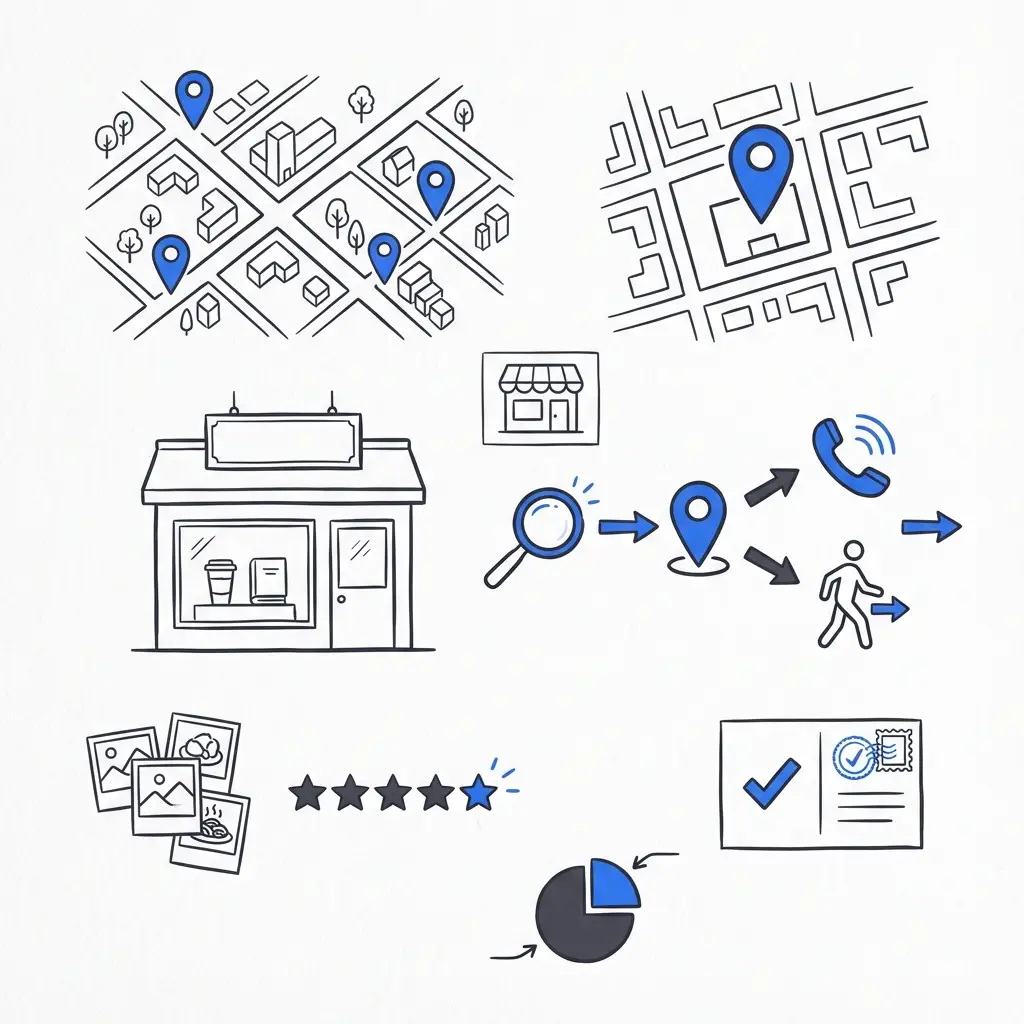
Example 2: Local retail store with limited budget. Paid social with strong local creative and referral incentives generates visits quickly. Invest in local SEO at the same time so customers can find the store long after a social campaign ends—this builds durable, local lead generation.
Example 3: Professional services selling long-term contracts. Invest in curated events or small invite-only dinners. The CPL is high, but if a few attendees convert into large, long-term clients, the return justifies the expense.
Measurement tips that make a difference
Here are a few measurement habits that separate guesswork from repeatable growth:
1) Track both CPL and CPA—generating leads is only half the battle; winning customers is the other half.
2) Measure LTV:CAC by channel where possible—customers from different channels behave differently over time.
3) Monitor time-to-value—fast channels accelerate learning and product-market fit validation.
4) Add qualitative feedback from sales—when SDRs say a channel produces “ready” leads, listen.
Dos and don’ts from real programs
Do align channel choice with business stage and runway.
Do use sales feedback as a core input, not an optional extra.
Do invest in content that answers real customer questions.
Don’t assume low CPL equals success.
Don’t delay revenue-backed measurement because it’s inconvenient—decisions made without revenue signals are often reversed.
Run a tight paid sprint promoting a high-value gated asset while setting up a referral flow—this combination buys fast learning and builds a durable foundation for long-term lead generation.
When to bring in outside help
Orchestrating the mix—short-term paid, long-term content, referral networks and ABM—requires coordination. If your team doesn’t have bandwidth to run disciplined tests while building long-term channels, a partner can help. When agencies and in-house teams agree on clear measurement and a staged plan, early spend becomes a tool for learning rather than a quest for vanity metrics. See Agency VISIBLE’s projects for examples of staged work.
How to allocate budget month-to-month
There’s no exact formula that fits every business, but a simple rule of thumb for early scaling rounds is:
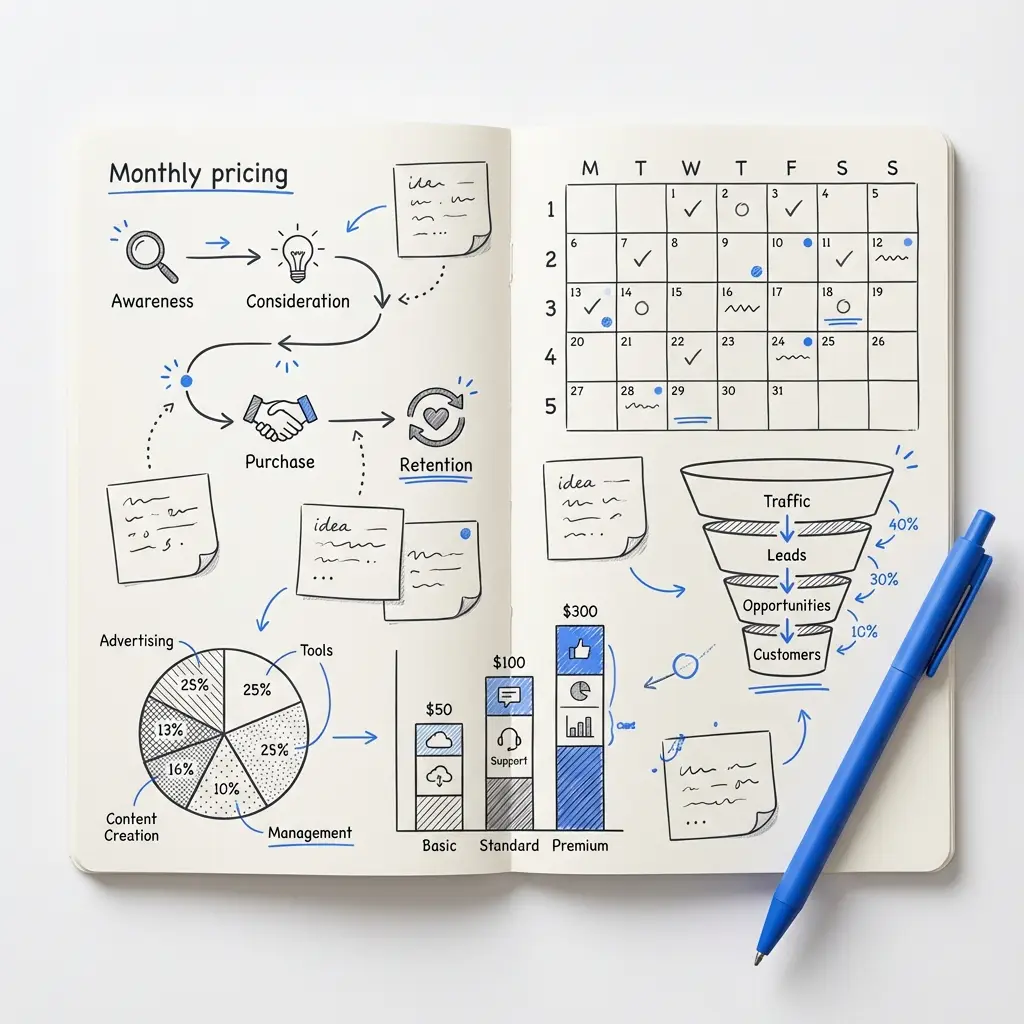
Months 0–3: 60% paid testing, 30% content and SEO foundations, 10% partnerships and referral investments.
Months 4–12: Shift toward 40% paid (as a demand accelerator), 40% organic/content (for compounding return), 20% partnerships and ABM.
Adjust these splits based on measured LTV:CAC and conversion rates by channel.
How to avoid common mistakes
Common errors include: chasing the cheapest CPL, ignoring sales feedback, and failing to instrument revenue mapping. Fix these by: prioritizing conversion and LTV, creating regular feedback loops with sales, and mapping closed deals back to marketing touchpoints.
The long view: turning lead generation into a predictable engine
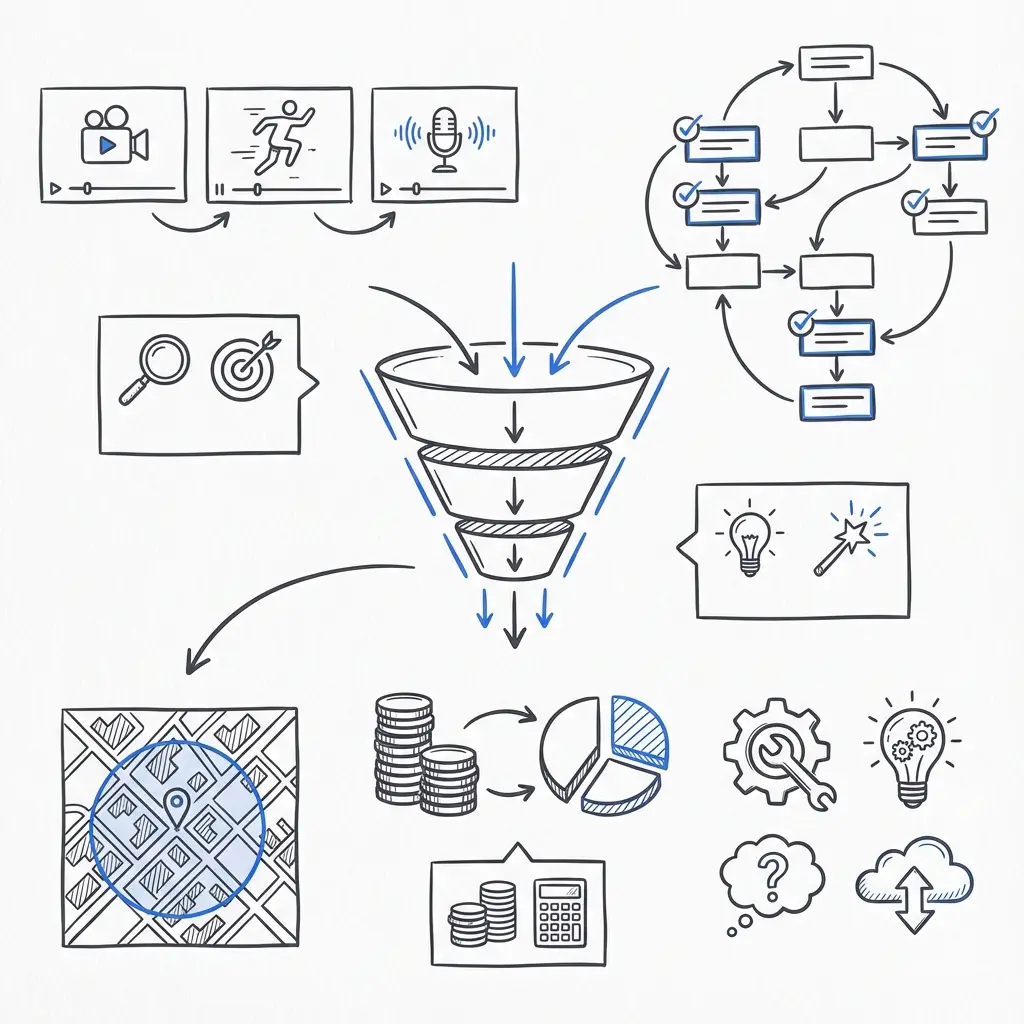
Transforming lead generation from a series of experiments into a repeatable engine requires discipline and time. Start by using paid campaigns to buy rapid learning. Use those learnings to guide content topics and audience targets. Build partner and referral systems to capture trusted introductions. Keep measuring revenue contribution and invest more where you see durable LTV.
A simple maturity ladder
Think of growth like climbing a ladder:
Rung 1: Proof of demand via paid tests.
Rung 2: Repeatable paid acquisition and basic content funnel.
Rung 3: Scaled content, referral programs and ABM for high-value accounts.
Rung 4: A predictable, multi-channel engine with stable LTV:CAC and clear revenue mapping.
Final practical checklist
Before you end this sprint, run through the following: Did you run a short paid test? Do you have a gated asset that converts? Is at least one content piece live and optimized for organic discovery? Do you have a referral flow and one partner outreach scheduled? Is revenue mapping in place so you can compare channels at month three?
These steps keep you honest and focused on the numbers that matter.
Key takeaways
The single “best” channel doesn’t exist in isolation. The best lead generation strategy is the one tailored to your goals, stage and resources. Use fast paid tests to learn, build organic content for long-term compounding returns, and keep referrals and partnerships as a quality anchor. Measure everything by closed revenue where possible, and keep sales feedback central to your optimization loop. Over time, this approach reveals a reliable, repeatable lead generation engine for your business.
Lead generation is a journey: move fast when you must, and invest for the future when you can.
Start with your goal: do you need speed, low cost, high quality, or durability? Run a short paid test to validate demand, measure CPL and conversion, set up a simple referral channel for quality leads, and begin publishing SEO-focused content for long-term compounding. Compare channels by LTV:CAC and revenue contribution before scaling.
Yes—referrals often show lower CPL and higher conversion because they come with built-in trust. However, referrals scale unevenly without systems. A small referral program with incentives, simple tracking and regular outreach can produce steady, high-quality leads that complement paid channels.
Bring in outside help when your team lacks bandwidth to run disciplined tests while building durable channels. An agency like Agency VISIBLE can coordinate paid sprints, SEO, content and partner programs so early budget buys learning and long-term investment compounds—especially helpful if you need faster, measurable visibility.