


What is the best advertising for lawyers?
Short answer: The best advertising for lawyers is the mix that builds trust, complies with bar rules, and consistently matches a lawyer’s expertise to client intent – most often led by local SEO, targeted search ads, and trust-building content. In the paragraphs that follow we explain why, show how to build it, and give practical tactics you can use this week.
Why this question matters
Lawyers sell trust and clear outcomes, not impulse purchases. That makes advertising for law firms different from most industries. Clients come with high-stakes needs and often perform careful searches before choosing representation. The best advertising for lawyers focuses on being discoverable when people have intent, demonstrating credibility quickly, and making the next step simple and low-friction.

Below we walk through the channels that deliver reliably for most practices, plus how to combine them into a plan that respects ethics rules, fits modest budgets, and grows predictably.
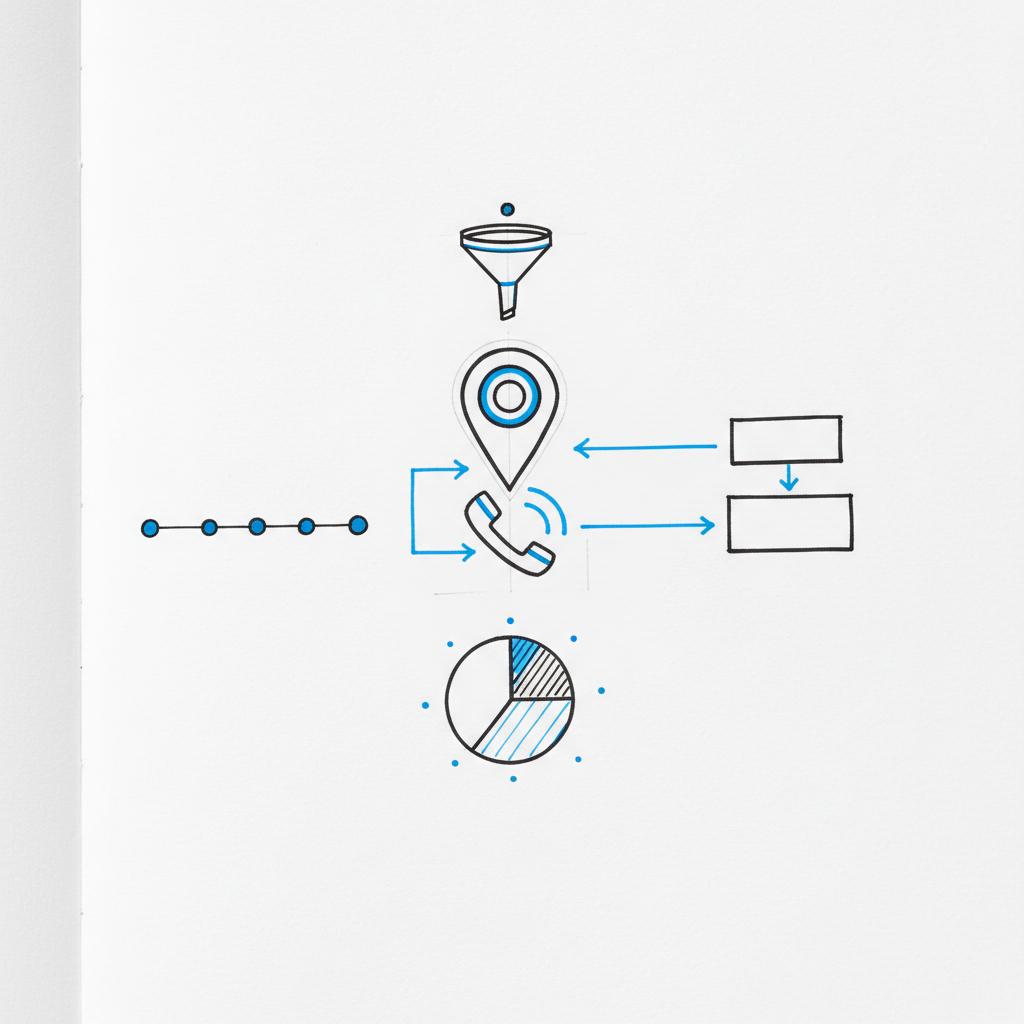
Before choosing channels, align on a few principles. They are short, practical rules that keep every campaign effective and safe.
Core principles every lawyer should follow
Before choosing channels, align on a few principles. They are short, practical rules that keep every campaign effective and safe.
1. Match intent to message
People searching “divorce attorney near me” have different needs than those searching “estate planning checklist.” The best advertising for lawyers maps each ad or piece of content to the searcher’s intent: urgency, local convenience, or long-term planning.
2. Lead with trust
Use clear credentials, concise case types, transparent fees when appropriate, and a consistent brand voice. Avoid vague claims; instead show process, expected timelines, and clear contact paths.
3. Stay ethical and compliant
Bearing in mind bar advertising rules, avoid misleading guarantees and be careful with testimonials in jurisdictions where they are restricted. Where testimonials are allowed, present them with dates and context. When in doubt, include disclaimers and consult local ethics guidance.
Channels that consistently work (and how to use them)
Not every channel is right for every practice, but a core set consistently delivers return for lawyers who implement them well. Below are the most reliable options and exact tactics that matter.
Local SEO: the foundation
Why it works: Most clients search with local intent. A lawyer who appears in local maps and organic results benefits from intent and convenience.
Key actions:
– Claim and verify your Google Business Profile (GBP). Use accurate address, hours, and services. Add photos of the office and team. If you serve clients remotely, clarify service areas.
– Collect and respond to reviews. Encourage satisfied clients to leave a short, factual review. Reply promptly and professionally to every review.
– Optimize service pages for specific queries (e.g., “car accident lawyer in [city]” or “probate attorney in [county]”). Use plain language and answer the searcher’s question directly.
Search ads (Google Ads) for immediate visibility
Why it works: Paid search captures high-intent queries at the moment someone is looking. For urgent matters—accidents, arrest, eviction—search ads are often the fastest path to leads.
How to run them well:
– Use tightly themed ad groups: separate “personal injury,” “family law,” and “wills” with tailored copy and landing pages.
– Prioritize lead-focused landing pages that show quick steps to contact, a visible phone number, and clear trust signals (years of experience, bar admissions, a short list of typical case outcomes).
– Track calls as conversions. Many legal leads come through phone calls—set up call tracking and conversion rules in Google Ads and your analytics tools.
Organic content and authority building
Why it works: Helpful, trustworthy content ranks for long-tail queries and nurtures prospective clients who are researching options.
Practical content ideas:
– FAQ pages that answer common client questions in plain language.
– Short guides (e.g., “What to bring to your first custody meeting”) that genuinely reduce friction.
– Case study summaries that describe process, issues, and outcomes while respecting confidentiality.
A useful habit: publish one helpful article a month and link it to a related service page. Over time these pages become a web of trust and a steady source of qualified leads.
Professional directories and legal platforms
Listing on Avvo, FindLaw, Justia, and local bar directories helps, especially for specialty practices. Use consistent NAP (name, address, phone) formatting and a short, clear biography. Where profiles allow client reviews, keep an active presence.
Referral programs and partnerships
Referrals remain one of the most profitable sources for law firms. Build relationships with other professionals (accountants, real estate agents), provide useful referral materials, and keep referring back. A repeatable referral system—timely thank-you notes, clear intake processes, and follow-ups—turns occasional referrals into a steady stream.
Paid social for awareness and retargeting
Platforms like LinkedIn and Facebook are powerful for targeted awareness and retargeting. LinkedIn works well for B2B legal services (employment law, corporate counsel), while Facebook/Instagram can be effective for local consumer-facing practices.
Tactical tips:
– Use retargeting to recapture visitors who read a service page but didn’t contact you.
– Keep social ads compliant (no promises of specific outcomes) and use short video or carousel formats to increase engagement.
Video and podcasts
Short, informative videos answering common client questions build familiarity and trust. Use subtitles and short chapters for accessibility. Podcasts—either your own or guest appearances—position you as a thoughtful practitioner in your field. For more on short-form video marketing trends see this summary: 2024 short-form video marketing trends for law firms.

Offline channels that still matter
Community sponsorships, local radio, and targeted out-of-home ads (near courthouses, legal plazas) can support a reputation-driven practice. These are especially useful if your clientele consumes local media or attends community events.
How to choose the right mix for your firm
The best advertising for lawyers is not a single channel but a prioritized mix. To choose it, answer three questions:
1) What are the most common client intents you serve? (Emergency help, long-term planning, business services.)
2) Where do those clients look first? (Search results, social recommendations, professional networks.)
3) What resources—time and budget—do you have to maintain the channel?
Example mixes:
– Small consumer firm with limited budget: Local SEO + targeted Google Ads for urgent queries + a clear FAQ page.
– Business-focused firm: LinkedIn outreach + content for C-suite decision-makers + referral partnerships.
– Boutique firm specializing in high-value cases: Authority content + speaking engagements + selective paid search for high-value keywords.
Budgeting and expected timelines
Budget varies by market and practice area. Here’s a pragmatic starting guideline for a small to mid-sized firm:
– Local SEO + website improvements: $1,000–$4,000 one-time, then $300–$1,000/month maintenance.
– Google Ads (startup): $2,000–$7,000/month in smaller markets; more in competitive cities. Expect initial testing to take 6–12 weeks.
– Content & ongoing SEO: $1,000–$3,000/month for a consistent program that includes articles, optimization, and link-building outreach.
Timelines:
– Paid search: leads can arrive immediately after setup, with optimization in the first 6–12 weeks.
– Local SEO and organic content: measurable improvement typically in 3–9 months.
– Reputation and referral programs: steady growth over 6–18 months.
Ethics, testimonials, and sensitive messaging
Legal advertising rules differ by jurisdiction. Many bars restrict how you present testimonials, require disclaimers for past results, or have rules about specialized language. When in doubt:
– Use factual language about experience and outcomes, avoid guarantees, and document consent for any client quotes.
– Keep intake forms and lead tracking compliant—secure personal data and consent where necessary.
Measuring success: which KPIs matter
Measure signals that tie to business outcomes. Useful KPIs include:
– Calls and contact form submissions (primary conversions).
– Consult-to-client conversion rate (how many consultations become paid matters).
– Cost per lead and cost per client from paid channels.
– Organic rankings for priority local keywords and pages per visit for content pieces.
– Time to first contact after a lead is submitted (speed matters enormously for conversion).
Testing and optimization: what to experiment with first
Run small, measurable tests rather than sweeping changes. Good starting tests:
– Landing page headline and the placement of the phone number.
– Call-to-action text: “Request a free consult” versus “Call now for immediate help.”
– Ad copy focused on urgency versus process (e.g., “Available 24/7” vs “Step-by-step help after an accident”).
Detailed weekly playbook for the first 90 days
Here’s a hands-on plan to get traction quickly.
Days 1–14: Tidy and prioritise
– Claim and verify GBP. Make sure NAP is consistent across directories.
– Ensure phone numbers are trackable and visible on every page.
– Fix blatant speed issues and mobile layout problems.
Days 15–45: Launch lead channels
– Start a small Google Ads test with 2–3 tightly themed campaigns.
– Publish or refresh 3 service pages with clear, client-focused language.
Days 46–90: Build content and referral momentum
– Publish 2 helpful articles answering frequent client questions.
– Reach out to 10 referral partners with a short, useful referral guide and a simple thank-you process.
Common mistakes to avoid
– Spreading thin across too many channels without doing any well.
– Using vague copy that doesn’t match the client’s question or intent.
– Ignoring call tracking and failing to measure the true source of leads.
Real-world example: an hourly-litigation firm
A medium-sized litigation firm wanted more high-value consultations. They focused on these steps:
– Optimized service pages for their top five practice areas with clear examples of typical timelines and fees ranges where appropriate.
– Launched tightly targeted search campaigns for terms with clear intent, monitored cost per lead, and paused low-performing keywords.
– Wrote monthly articles that answered specific client questions and linked them to service pages.
Result: within 6 months they increased qualified consultations by 42% and reduced cost per new client by 23% after improving intake speed and ad targeting.
How content and SEO differ for lawyers
Legal content must be useful and precise. People searching legal topics want concrete answers, forms, timelines, and checklists. Aim to:
– Use clear headings and short paragraphs.
– Provide step-by-step guidance without giving away strategic legal advice that should be part of a consult.
– Offer downloadable checklists or client intake forms to reduce friction.
Comparing channels — a short reference
– Organic local SEO: long-term, high ROI for local searches.
– Paid search: high-intent, immediate visibility, variable cost per lead.
– Directories: useful for credibility and niche discovery.
– Paid social: awareness, retargeting, and audience building—best for non-urgent services.
– Referrals and partnerships: highest lifetime value; requires relationship-building.
Where Agency VISIBLE fits in
You can review our approach and examples on the projects page or visit the homepage for a quick overview.
If you prefer a partner who focuses on clear, measurable visibility rather than buzzwords, consider starting a conversation with Agency VISIBLE. For a friendly, practical discussion about which mix is right for your firm, start a visibility conversation with Agency VISIBLE and see how a focused plan could look for your practice.
Practical templates and scripts
Below are short templates you can adapt immediately.
1. Landing page headline
“Experienced [practice area] lawyer in [city] — Call now for a free consult”
2. Short intake email
“Thanks for reaching out. We received your request and can offer a consult on [date/time]. If this is urgent, call [phone]. Please bring any documents listed below.”
3. Referral outreach note
“Hi [Name], I wanted to share a short guide for clients who need [service]. If you meet someone who could use our help, please refer them—here’s a simple one-page explainer you can share.”
Commonly asked question
Many law firms ask whether they should spend on broad brand advertising or focus on direct lead channels first. In most cases, direct channels like local SEO and targeted search ads deliver higher short-term ROI. Brand work is valuable but should come after you have a reliable lead funnel.
Short answer: rarely. Billboards and broad brand ads can support firms with established name recognition, but most firms get better return by focusing on local SEO, targeted search ads, and trust-building content that converts searchers into clients.
Short answer: rarely. Billboards and broad brand ads can help in saturated markets or where the firm already has name recognition. But for most law firms—especially those serving local needs—the best advertising for lawyers combines discoverability (search and local) with trust-building content and a straightforward intake process. Brand awareness without a conversion path tends to waste budget.
Measuring and reporting: a simple dashboard
A minimal dashboard for law firms should include:
– Calls and form submissions by channel.
– Consult-to-client conversion rate.
– Cost per lead and cost per client for paid channels.
– Rankings for top local keywords and traffic to priority pages.
Scaling what works
Once a channel returns a predictable cost per client and volume, scale carefully. For paid search, increase budget on winning campaigns while maintaining CPA targets. For content, double down on topics that bring consultations and expand similar guides to adjacent queries.
FAQ and objections
– “My practice is niche—do these tactics still work?” Yes. Tight targeting and highly specific content help niche practices outperform broad competitors.
– “We don’t want to advertise—can referrals be enough?” Referrals are powerful but can be unpredictable. Combining a small, sustainable advertising budget with referral work creates steadiness without large spend.
Checklist: first 30 days
– Verify Google Business Profile.
– Ensure consistent NAP across directories.
– Fix site speed and mobile layout issues.
– Launch one small paid search test and one useful article.
Final thoughts
The best advertising for lawyers is not a single magic channel. It’s a disciplined blend of discoverability, trust-building, and fast, simple intake. Start with local SEO and a clean lead path, test paid search for high-intent queries, and build content that answers real client questions. Keep ethics front of mind, measure the signals that matter, and iterate patiently.
Ready to get real visibility without hype? Use small, measurable steps. Track calls and conversions. Keep your messaging honest and specific, and prioritize client trust above clever tricks.
Want a straightforward plan for your practice?
Want a straightforward plan for your practice? If you’d like help shaping a realistic visibility program, get in touch with Agency VISIBLE for a practical consult and clear next steps.
Resources and next reads
– Top legal marketing trends that defined 2024.
– The hottest trends in digital marketing for lawyers for 2024.
– Projects page for examples of our work.
Thanks for reading—remember that steady, honest effort beats flashy shortcuts every time.
Paid search (Google Ads) typically delivers the fastest leads because it captures people actively searching for legal help. To convert those leads effectively, pair ads with focused landing pages, tracked phone numbers, and fast intake. Expect immediate traffic but plan for 6–12 weeks of optimization to stabilize cost per lead.
Referrals are extremely valuable and often deliver clients with higher lifetime value, but they can be unpredictable. For predictable growth, combine referrals with discoverability channels—local SEO and targeted search ads—so you have a steady flow of new inquiries while referrals continue to provide high-value clients.
Agency VISIBLE focuses on clarity, measurable growth, and practical steps rather than buzzwords. They assess your current visibility, prioritize the highest-impact fixes, and set measurable goals. To explore a collaborative plan, contact Agency VISIBLE through their site for a focused conversation.
References
- https://agencyvisible.com/
- https://agencyvisible.com/projects/
- https://agencyvisible.com/contact/
- https://good2bsocial.com/top-6-legal-marketing-trends-that-defined-2024/
- https://lawfirmmarketingpros.com/2024-short-form-video-marketing-trends-for-law-firms-and-how-to-stay-ahead-in-2025/
- https://fwd-lawyermarketing.com/the-hottest-trends-in-digital-marketing-for-lawyers-for-2024/





