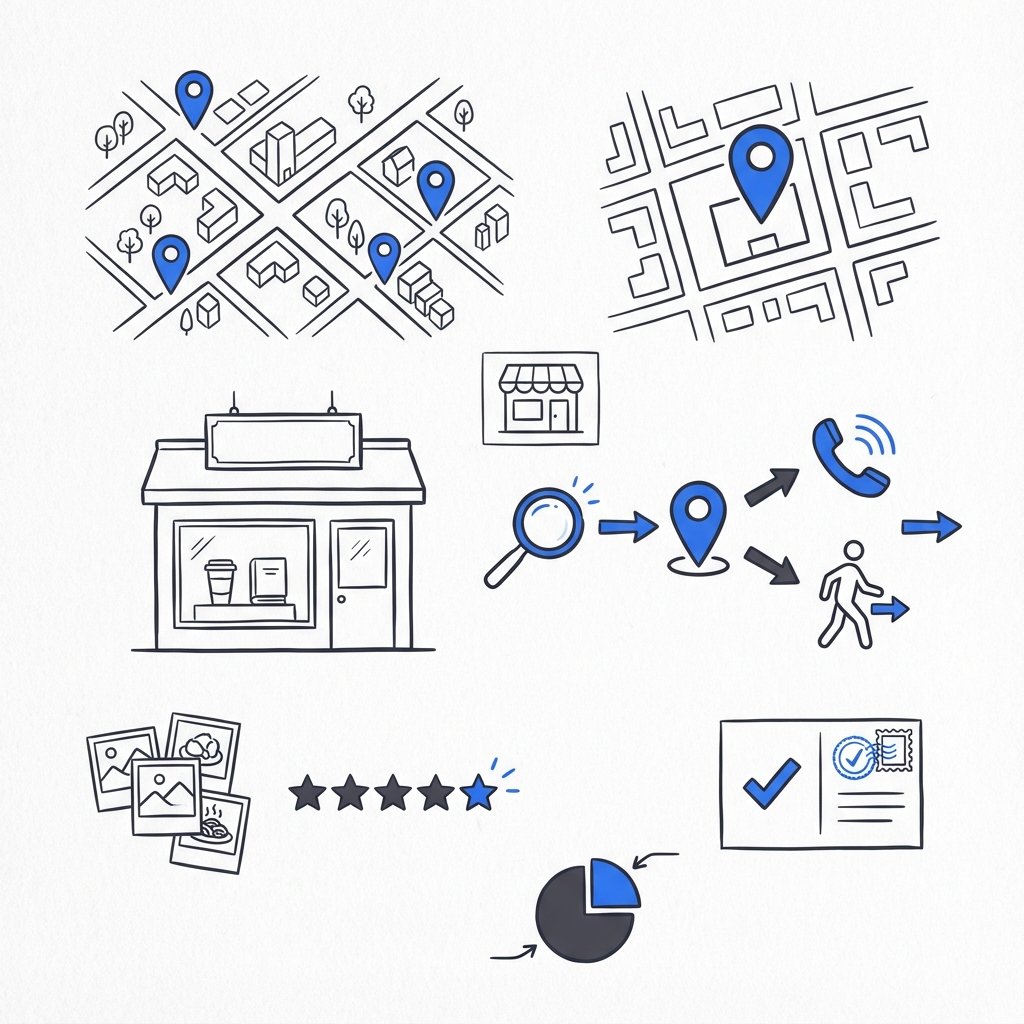
What is the best advertising for a roofing company? If you want a short answer: the best advertising is the kind that builds trust where your customers look first—locally, clearly, and honestly. This article explains why that matters and how to build a steady, measurable strategy that fits small roofing businesses.
Why advertising for roofers is really about trust, not noise
Many roofing company owners assume advertising means shouting: the flashiest truck wrap, the loudest radio spot, or that one big sale. But long-term visibility is less about volume and more about credibility. Homeowners choose roofers after a few quiet checks: can I trust this crew? Will they show up on time? Are they insured and licensed? Do they fix problems, not create new ones?
Those answers come from small, consistent signals: clear contact info, local reviews, honest photos of work, and content that answers a homeowner’s real questions. When your advertising answers practical concerns, it stops feeling like noise and starts feeling like a solution.
Start with a story you can use everywhere
Before you pick channels, write a plain paragraph that answers: who are you, what roofs do you fix, and why do you show up every day? This isn’t marketing fluff; it’s a short, honest description you will use on your homepage, Google Business Profile, local directories, and social profiles. Use sensory details and simple truths: the sound of nails on wood, the relief of a dry attic, the confidence of a certified roofer inspecting shingles.
That single paragraph guides imagery, ad copy, and how your team answers the phone. When everything says the same thing—reliably—you start to be recognized. Consistency matters more than flash.
Local first: the foundation of roofing advertising
Think like a homeowner searching for help after a storm or noticing a leak. They rarely scroll national lists; they want local, trusted options. Make it easy for them to find you where they look first:
- Claim and optimize your Google Business Profile. Use the same business name, address, and phone across every listing.
- Post recent job photos and short updates directly to your profile.
- Encourage satisfied customers to leave reviews and reply to every review—positive and negative—with thanks and a short explanation if there was an issue.
Local directories and consistent contact details help both search engines and real people trust you. A reliable online footprint is often the highest-return advertising investment for small roofing businesses.
Paid ads that tend to work—and when to use them
Paid channels can accelerate leads, but the right mix depends on your goals and budget. Three paid strategies rank highest for many roofers:
1) Google Search Ads
Google Ads catch homeowners actively searching for help. If someone types “roof leak repair near me” or “roof replacement after storm,” they’re close to hiring. Well-structured search campaigns with clear, local-focused copy and relevant landing pages typically convert at much higher rates than broad social ads.
2) Local Service Ads (where available)
In markets where Google Local Service Ads exist, these show above regular search ads and highlight background-checked pros. They often deliver strong ROI for trades because they match intent and emphasize trust.
3) Facebook and Instagram targeted ads
These platforms are great for awareness—especially when used with neighborhood targeting after major weather events. Use simple creative: before/after roof repairs, short customer videos, and a clear call to action that leads to a landing page with a quick quote form.
Low-cost, high-trust offline tactics
Roofing is local and visual. Some offline methods still pack a punch, especially when paired with online follow-up:
- Vehicle branding: A clean, readable company vehicle with a phone number and website drives constant impressions.
- Door hangers after storms: Targeted, respectful door hangers offering free inspections—never aggressive hard selling—work in concentrated neighborhoods.
- Direct mail postcards: Small runs to recently affected areas can be effective, especially when the piece points people to a local landing page for instant quotes.
- Tradeshow and community presence: Local home shows or sponsorship of school teams builds both brand recognition and goodwill.
Content that helps homeowners decide
Content is not a billboard. It’s insurance against doubt. People hire roofers when they feel informed. Helpful content might include:
- Short guides: “How to spot storm damage on your roof”
- Explainer videos: “What to expect during a roof inspection”
- Transparent pages: pricing ranges, warranty explanations, and step-by-step project timelines
Such content demonstrates knowledge and reduces friction for a homeowner deciding whether to call. It also feeds your SEO and makes paid ads land on pages that actually convert.
Real photos, real teams: show the work
Stock photos harm trust. Real job photos and short clips of your crew working are far more persuasive. Show before-and-after images, explain the problem and the fix in the caption, and include a homeowner quote when possible. Those small human details answer the homeowner’s quiet questions: can they do this? will they care?
Build a referral engine
Roofing relies heavily on word-of-mouth. Make referrals easy and attractive:
- Follow up after a job with a simple note and a link to leave a review.
- Offer a modest referral credit or gift to past customers who send new business.
- Partner with related local businesses—gutter installers, home inspectors, real estate agents—for cross-referrals.
Case studies and social proof that actually move the needle
Write short case studies for real projects: explain the homeowner’s problem, the solution you installed, and the outcome. Include clear photos and a short testimonial. Case studies give prospects confidence by showing you’ve solved problems like theirs.
Measuring what matters
A good advertising plan is measurable. Avoid vanity metrics that don’t link to revenue. Track metrics that matter to a roofing business:
- Inbound calls from ads and organic listings
- Leads submitted through website quote forms
- Booked inspections or estimates
- Conversion rates per channel (calls per 100 impressions, leads per 100 clicks)
Pick a single metric to watch for 30 days, make one small change (a clearer CTA, a simpler form), and observe. This slow, iterative approach reduces guesswork and finds what actually moves business forward.
Pricing your ads for profitability
Know your numbers. If a completed roofing job brings an average profit of $4,000, you can afford a higher cost per lead than a small maintenance job. Work backward from lifetime value (or average project profit) to set bids, budgets, and acceptable lead costs. That prevents overspending on shiny clicks that don’t turn into profitable roofs.
When to use broader branding vs. direct-response ads
For most small roofers, direct-response ads that generate calls or quote requests beat broad branding early on. However, if you’re growing into nearby towns or competing on reputation, periodic branding campaigns—like neighborhood mailers or sponsored local events—complement performance ads and build long-term recognition.
A simple weekly routine that keeps momentum
Consistency beats bursts. A predictable weekly rhythm might look like this:
- Monday: Post one recent job photo to Google Business Profile.
- Wednesday: Check and respond to reviews and messages.
- Friday: Inspect paid campaigns and pause low-performing ads.
- Monthly: Add one short how-to article to your site or a five-minute video showing a common repair.
Small, repeatable actions compound. You don’t need perfection—just presence.
If you prefer to accelerate this process with experienced help, consider connecting with a partner who specializes in making local businesses visible. For a practical, straightforward conversation about tailoring advertising for roofing companies, visit Agency VISIBLE’s contact page to ask about quick-start packages that focus on measurable leads and local trust.
Common pitfalls roofers run into (and how to avoid them)
Here are recurring mistakes and simple fixes:
- Inconsistent voice: Keep your message consistent across website, social, and ads. If your site sounds formal and your Facebook posts are rushed, homeowners get whiplash.
- Overpromising: Never promise delivery windows or results you can’t guarantee. Under-promise and over-deliver.
- Ignoring reviews: Respond to all reviews. A thoughtful reply to a negative review can be more convincing than a perfect five-star rating without replies.
- Copying competitors blindly: Use inspiration—but don’t confuse customers by looking like every other company in town.
How to handle emergency spikes after storms
Storms generate urgent demand. Plan for it:
- Have a dedicated landing page for “storm damage inspection” with a clear hotline number.
- Increase budget for search and social ads focused on affected zip codes.
- Use door hangers sparingly and respectfully, focusing on free inspections rather than hard sells.
- Keep a clear process for intake so you prioritize genuine emergencies and don’t get overwhelmed.
Examples of ad copy that actually converts
Good ad copy for roofers is clear, local, and action-driven. Examples:
- “Free roof inspection — same-day appointments in [Town]. Call now.”
- “Storm-damage specialists — insurance help & repairs. Book a free estimate.”
- “Shingle replacements with 10-year workmanship warranty — request a quote.”
Pair this copy with a landing page that repeats the same promise and makes it easy to request an estimate.
Photos, video, and microcontent that builds trust
Homeowners want to see proof. Try these quick content pieces:
- 60–90 second clips of an inspection highlighting what you look for.
- Before/after photo carousels with brief captions explaining the fix.
- Short customer testimonial clips recorded on a phone—real emotion beats polish.
Publish these on Google Business Profile, Facebook, and your site. Realness wins.
Practical channels ranked: what tends to work best for roofers
Here is a rough ranking of channels by likely ROI for most small roofing companies. The exact order depends on your local market, but this is a good starting point:
- Local search (Google Business Profile + local SEO) — High intent; often the best long-term source of consistent leads.
- Google Search Ads — High intent and measurable if landing pages match queries.
- Referrals & reviews — Organic but powerful; make referrals easy and trackable.
- Targeted social ads after events — Good for awareness and quick response after storms.
- Vehicle branding & door hangers — Visual and local; low-tech but effective when respectful.
- Radio/local sponsorships — Useful for brand building in certain markets but harder to measure.
Yes—by focusing on local trust signals: optimized local search presence, real job photos, timely responses, and ads targeted at nearby neighborhoods. Big chains have bigger budgets but often lack the local credibility and quick response that small roofers can offer. Local optimization, strong reviews, and clear processes let small roofers convert searches into booked jobs more efficiently.
Measuring and improving: a simple test plan
Pick one metric—say, “phone calls from the website”—and test changes in 30-day blocks. Examples of small tests:
- Simplify the contact form to two fields and watch lead volume.
- Change the landing page headline to match the ad query and watch conversions.
- Run a small neighborhood ad campaign after a storm and compare inbound calls vs prior weeks.
Document results and scale the tests that work. If something fails, learn and try a small tweak rather than abandoning measurement entirely.
When to bring in an outside partner
Many roofers do the basics well but hit a ceiling when they try to scale advertising. Consider outside help when:
- You’re spending money on ads but not getting reliable leads.
- You want to expand into nearby towns without guessing each step.
- You need help translating homeowner questions into effective landing pages and ads.
Good partners ask about your customers, listen, and build campaigns that tie directly to profitable jobs—not vanity metrics.
Budgeting: a simple framework
Decide how many roofs you want per month and multiply by your average profit per job. Allocate a fraction—often 5–15%—of projected profit to advertising and start conservatively. As campaigns prove profitable, scale slowly and keep measuring.
A week-by-week plan you can start today
Week 1: Claim and optimize your Google Business Profile. Add three recent job photos.
Week 2: Write the 2-paragraph story that explains who you are and what you do. Put it on your homepage and all directory listings.
Week 3: Run a small Google search campaign targeting a single neighborhood and monitor calls.
Week 4: Ask three recent customers for reviews and reply to existing reviews.
Examples of slow, steady gains
One small contractor began posting a single inspection photo each week and responding to every review. Within a year their booked inspections doubled; they spent very little on paid ads because local search and referrals carried the load.
Another roofer used a simple referral card system: after a job, a handwritten thank-you with a referral card led to a steady stream of neighbor referrals that outperformed a costly direct mail campaign.
Final checklist: a quick advertising audit
- Is your Google Business Profile complete and updated?
- Do you have a clear, local-focused landing page for quotes?
- Are you collecting and responding to reviews?
- Do you track calls and leads by source?
- Is your vehicle branding clean and contact info easy to read?
Parting thought
Advertising for roofers works best when it’s simple, local, and honest. The homeowner looking for a roofer cares most about trust, evidence, and response time. Focus on those, measure what matters, and be consistent. Over time, small, steady actions beat one-off loud campaigns.
Next steps: pick one action from the week-by-week plan and set a calendar reminder—small steps add up.
For most roofing companies, Google Search Ads and a fully optimized Google Business Profile deliver the fastest qualified leads. Search ads capture active intent—people searching for "roof repair" or "storm damage"—and a strong business profile boosts visibility for local intent. Pair these with a clear landing page and a simple contact flow to maximize conversions.
Budget depends on your goals and average profit per job. A simple starting rule is to allocate 5–15% of projected profit toward advertising. Work backward from the number of roofs you want per month and expected profit per job to set a realistic monthly ad spend. Start small, measure cost per lead and cost per booked job, and scale what proves profitable.
Yes. A good partner listens to your customers, keeps your voice consistent, and focuses on measurable outcomes. If you want practical help, you can reach out to Agency VISIBLE via their contact page to discuss quick-start packages that emphasize local leads and clear ROI: https://agencyvisible.com/contact/