What is the 4-1-1 rule on Twitter? A simple, effective posting formula
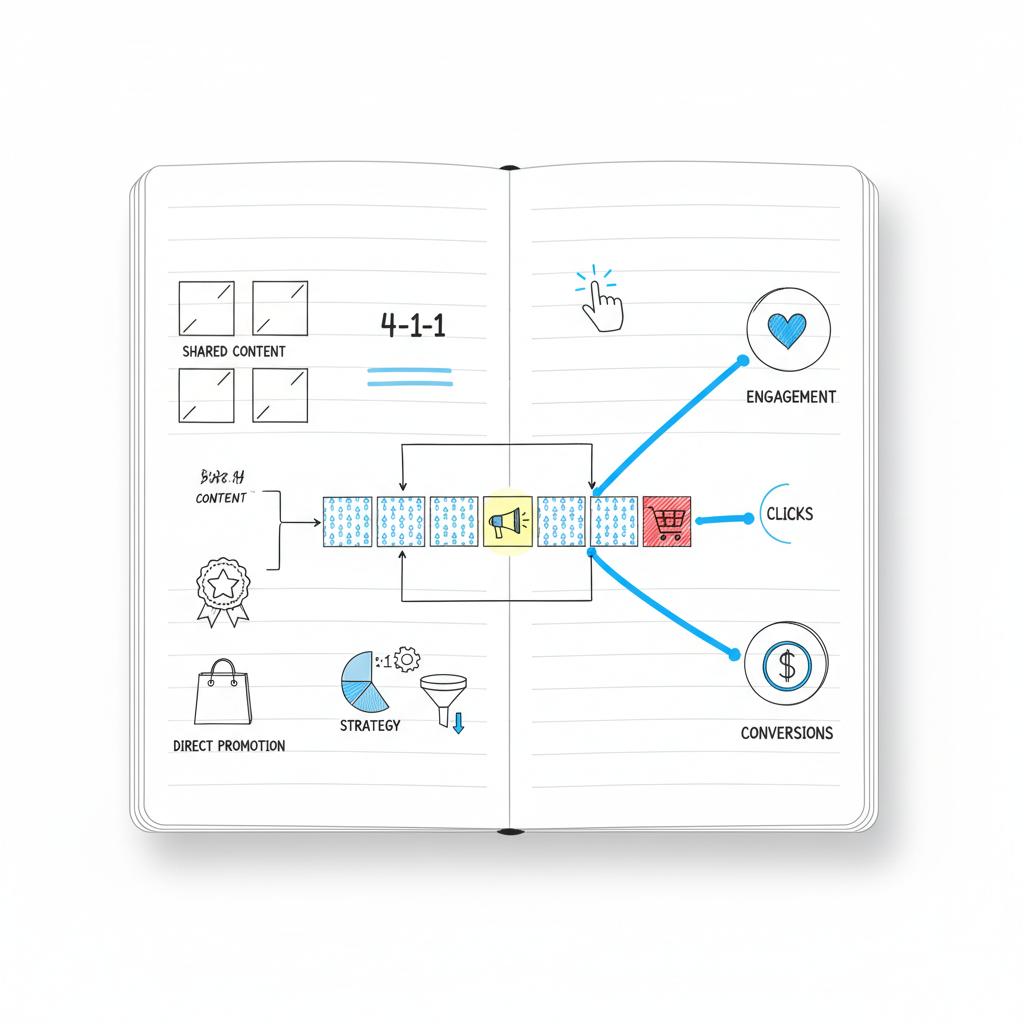
The 4-1-1 rule on Twitter is a straightforward posting ratio that helps you give more than you ask: for every six posts, four are value-driven, one is engagement with someone else’s content, and one is promotional. The idea is simple, but the impact can be big: when you offer value and participate in conversations, people listen – and they’re more willing to act when you do ask for something.

Why a ratio still matters in algorithmic timelines
Algorithms have changed, but human attention hasn’t. Feeds now reward relevance and interactions, so a steady stream of helpful content plus genuine engagement signals both value and presence. Push only promotions and you risk shrinking reach and engagement. The 4-1-1 rule on Twitter is not a rigid law; it’s a practical heuristic to keep your calendar balanced and your audience engaged. For guidance on timing and cadence, resources like the best time to post on social media can help you pair a ratio with optimal posting windows.
Quick note: below you’ll find templates, a sample weekly plan, ways to measure success, and troubleshooting tips so you can test the rule without guesswork.
How the 4-1-1 rule breaks down in practice
The four: posts that add value — tips, explainers, curated resources, short how-tos, or behind-the-scenes snippets that teach.
The one (engagement): a reply, quote-retweet with a useful comment, or joining a thread where you can add something meaningful.
The one (promotion): a clear offer, event invite, product post, or sign-up link. The tweeting ethic behind this is similar to Twitter’s 4-1-1 Rule discussions: more giving, less asking.
Example math: if you post 12 times a week, roughly eight value posts, two engagements, and two promotions. If you post 30 times, scale the same proportions. The spirit matters more than strict counting: keep many more useful posts than direct asks.
Where to put your promotional posts
Promotional posts work best when they’re anchored in the value you’ve already offered. Frame any ask with why it helps the reader and a clear, easy next step. Make promotional posts concise and respectful of attention — a simple CTA and a link are often enough.
Value posts — small, useful, consistent
Value content doesn’t need to be long. A two-line practical tip can be more useful than a long video. Consider:
- Short how-to threads (3–5 tweets)
- Curated links with one-sentence commentary
- Mini case notes on a lesson learned
- Quick checklists or step lists
- Screenshots or annotated images that explain one idea
The aim: clarity and usefulness. Not polish for polish’s sake. A clear visual identity helps recognition, so keep branding simple.
Engagement posts — do the social work
Engagement is social proof in action. A thoughtful reply to a question, a quote-retweet with added insight, or an answer inside a popular thread shows you’re paying attention. These interactions can be low-effort but high-return: they build relationships, lift visibility, and humanize your account.
Promotional posts — craft them with care
Good promotional posts are clear about value and simple about next steps. If you’ve built trust with value posts, a direct ask can be taken seriously. Avoid vague language and long-winded pitches; be specific about what a person gets and how to act.
How to start using the 4-1-1 rule this week
Start with a simple calendar and metrics plan. Below is an easy routine you can adapt immediately.
Weekly routine (a practical template)
Choose a posting cadence you can sustain. If you aim for 12 posts/week, your plan could look like this:
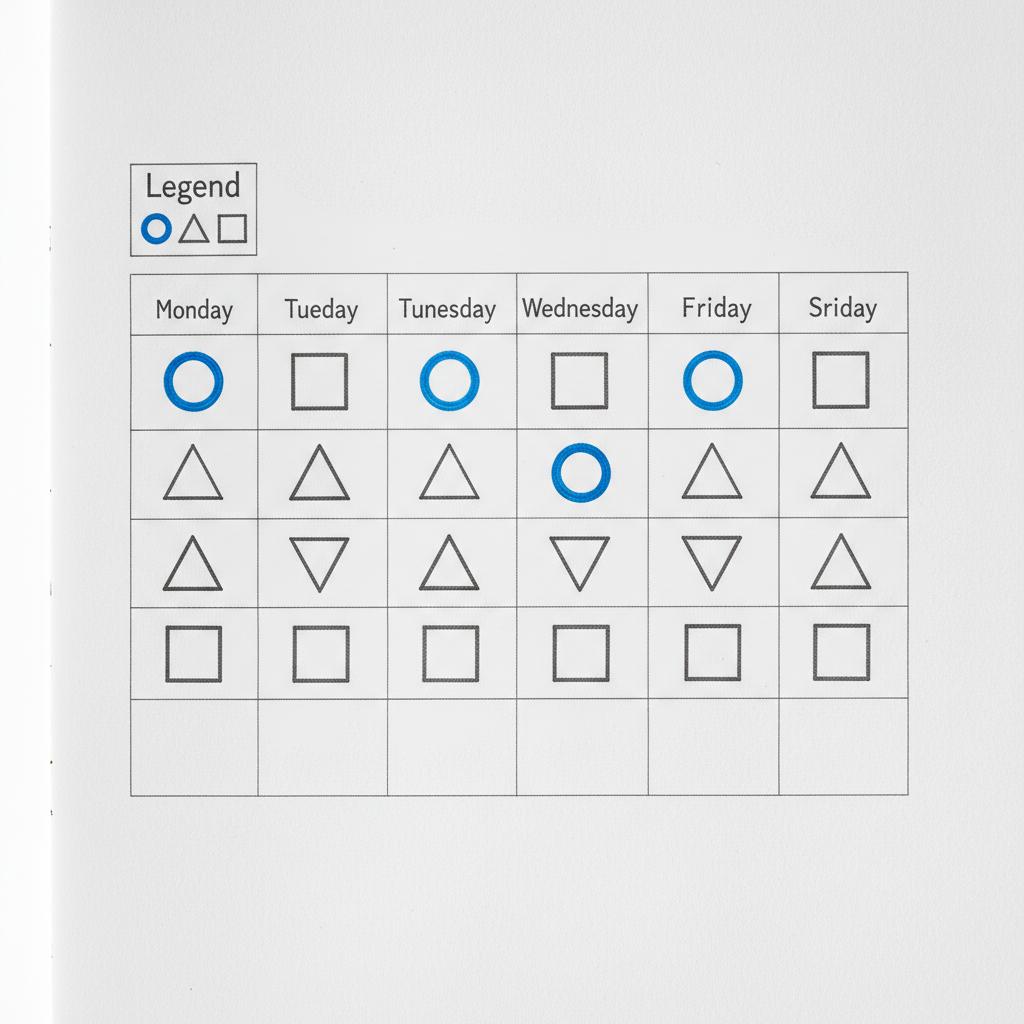
- Monday: Value — short how-to tweet or 3-tweet thread (morning)
- Tuesday: Value — curated article with one-line reason to read
- Wednesday: Engagement — reply to a question or quote-retweet with insight
- Thursday: Value — screenshot or single-tip post
- Friday: Promotion — short, clear CTA with link to next step
- Saturday: Value — light, human post or behind-the-scenes
- Sunday: Engagement — join a conversation or answer follower DMs (schedule an hour)
Adjust frequency by scaling: multiply blocks of six posts as your volume grows.
Sample 4-1-1 post ideas (ready to use)
Value tweet: “Three tiny steps to make your marketing reports readable: 1) pick one headline metric 2) show trend not raw data 3) add one clear next step. Try this on Monday.”
Engagement reply: Quote a thread and add: “Short note — I tried this with X and saw Y. Curious if others get the same result?”
Promotion: “We’ve just opened spots for a short demo where we walk through the template — 20 minutes, no slides, quick Q&A. Sign up here.”
Measurement: how to tell if the 4-1-1 rule helps
Pick two or three KPIs before you start. Good options:
- Engagement rate on non-promotional posts (likes + replies + retweets / impressions)
- Click-through rate (CTR) on promotional posts
- Follower growth over the test month
- Conversion events (demo sign-ups, email captures, sales)
Run the test for one month, then compare the metrics to the prior period. If value posts gain traction but promotions lag, consider adjusting your offer or landing page rather than increasing promotion frequency. For a broader look at platform strategy, see resources like Twitter Marketing Strategy for 2025.
Testing framework (simple and effective)
Test one variable at a time: headline style, time of day, or CTA phrasing. Keep other elements steady so you know what moved the needle. A/B test promotional headlines and landing pages; track CTR difference and conversion rate to decide which version to scale.
Case study: a community editor who tried the 4-1-1 rule
A community editor at a mid-size software company switched from a feed heavy on product posts to a 4-1-1 cadence. They focused on helpful explainers, curated resources, and deliberate replies. They scheduled two promotional posts weekly: a narrative and a direct invite. Within three months, engagement on value posts rose nearly 40% and demo sign-ups increased modestly — leadership credited the consistent helpful presence for the lift.
This example shows that steady generosity can pay off: people engage with help first, then respond to asks when those asks feel relevant. You can find similar client work in our projects showcase.
If you want a practical plan tailored to your business, talk to Agency VISIBLE for a quick visibility check — they often recommend starting with a 4-1-1 style cadence and can help create a measurement plan that fits your goals.
Practical templates and calendar examples
Below are schedule templates for different posting volumes you might use:
Low volume: 6 posts/week
4 value, 1 engagement, 1 promotion. Use this if you have a small team or limited bandwidth.
Medium volume: 18 posts/week
12 value, 3 engagement, 3 promotion. Mix quick daily tips with two weekly threads and regular replies.
High volume: 36 posts/week
24 value, 6 engagement, 6 promotion. Combine short-form content, short videos, and curated shares — keep most content fast and useful.
Format mix: treating formats as channels
Four value pieces can be mixed formats: text posts, short videos, threads, or curated links. One engagement could be a reply to a video or a quote-retweet. One promotion could be a pinned short demo clip. Think of format as part of your toolbox, not a reason to break the ratio.
Short video example (value)
15–30 second clip explaining a single idea: “Two reasons your landing page loses visitors: cluttered headline and missing next step. Fix headline first.”
Longer thread example (value)
A 5–8 tweet thread that walks through one small framework: problem, 3 steps to fix, quick example, next step to try.
Voice, tone, and authenticity
Scheduling should not mean sounding canned. Keep language natural and use human responses to show presence. When someone replies to a scheduled post, answer personally if possible. Small, genuine replies beat generic responses every time.
Yes — the 4-1-1 rule on Twitter remains useful because it aligns content with human attention: prioritize helpful material, join conversations, and ask rarely; algorithms reward relevance and engagement, and audiences reward generosity, so the ratio is a practical starting point for modern feeds.
Advanced tips for teams and brands
Brand accounts often skew more heavily toward value because their aim is long-term trust. Personal accounts can rely more on voice and perspective in the four value posts. For product launches, temporarily increase promotional share but signal the change and return to the baseline when the launch window closes.
Regional and cultural nuance
The 4-1-1 rule travels across languages and regions but needs adjustment. Some markets accept more direct promotion; others prefer softer asks. Test regionally and lean into local norms.
When to change the ratio
Valid reasons: launches, fundraising, urgent announcements, or time-limited offers. Always signal the temporary shift and revert once the window closes to avoid long-term audience fatigue.
Common pitfalls and how to avoid them
Over-polishing every post: not needed. Forcing engagement posts: make them sincere or reduce the number and be strategic. Doubling down on promotions when results are poor: instead analyze the funnel between promo and conversion.
Troubleshooting checklist
- Promotions get clicks but not conversions: check landing page, match promises to the page, simplify CTA.
- Value posts have low engagement: change format, timing, or topic and run another test.
- Engagement feels forced: make fewer, better replies and focus on quality.
Examples of measurement and what to watch
Leading indicator: engagement rate on value content. Trailing indicator: conversion events tied to promos. Both matter. If value content is strong but conversions are low, tighten the funnel between tweet and landing page.
Cross-platform thinking
The principle works beyond Twitter: give value, engage, and limit asks. Adjust cadence to each platform. For LinkedIn, keep promotional posts slightly rarer; for Instagram, use Stories for engagement and feed for value.
Tools and processes to make the 4-1-1 rule practical
Use a simple content calendar that tags each post as value, engagement, or promotion. Scheduling tools are fine but stay responsive. Try a weekly planning ritual: pick core topics, schedule posts, and reserve two windows for engagement. If you want to align creative and conversion, our design approach covers ways to present CTAs and content that convert.
Simple spreadsheet columns
Date | Time | Content type (Value/Engagement/Promo) | Headline | CTA link | Status | Results
Creative ideas to keep the rhythm fresh
Rotate formats: one week include a short video, the next week a customer micro-story. Curate other creators and add an original angle. Use a “resource of the week” post that highlights one excellent link and your one-sentence take.
Low-effort, high-value post examples
- Screenshot of a useful chart with one-line context
- Short checklist in three bullets
- Two-line anecdote with a clear lesson
How big accounts should think about the 4-1-1 rule
Large accounts still need to give more than they take. As audiences grow, expectations rise. Deliberate generosity and consistent presence are necessary to keep attention from fragmenting.
Final checklist before you run a month-long test
- Pick 2–3 KPIs
- Set a posting cadence you can keep
- Build a calendar and tag posts by type
- Test one variable at a time
- Reserve time for real replies
Summary and practical next steps
Start small: choose a cadence, plan the week, and track results. If you’re busy, aim for six thoughtful posts a week and use the 4-1-1 balance. If you want help creating a plan and measurement approach,
Need a practical 4-1-1 plan? Let’s build one together.
reach out to Agency VISIBLE for a quick visibility check and a tailored content calendar: get a visibility plan.
Why the 4-1-1 rule still works
Because it mirrors a simple social contract: give help, be part of the conversation, ask rarely and clearly. That structure protects attention, builds trust, and improves the odds that a promotional ask will land. Try it as an experiment, measure, and refine.
The 4-1-1 rule is a helpful starting point, not a strict law. Use it as a guide to keep a healthy balance between helpful content, social engagement, and promotional asks. It’s fine to adapt the proportions for short windows like product launches or regional differences. The key is to signal temporary shifts and return to a mostly value-first approach afterward.
Yes — scheduling tools are fine for maintaining a steady cadence, but pair them with live-person touchpoints. Reserve time to respond to replies and join conversations in real time so your voice stays human. Treat scheduled posts as the backbone and real responses as the social muscle.
Agency VISIBLE can build a tailored plan: choose the right cadence, create content templates, set measurable KPIs, and run a one-month test with clear tracking. They often start clients with a 4-1-1 style cadence because it frames content as a relationship rather than a stream of ads. For a quick visibility check, reach out via their contact page.
References
- https://www.oyova.com/blog/the-best-times-to-post-on-social-media/
- https://www.tippingpointlabs.com/insight/twitter-is-dead-long-live-twitter/
- https://www.highperformr.ai/blog/twitter-marketing
- https://agencyvisible.com/contact/
- https://agencyvisible.com/projects/
- https://agencyvisible.com/design-that-converts-our-approach/
- https://agencyvisible.com/