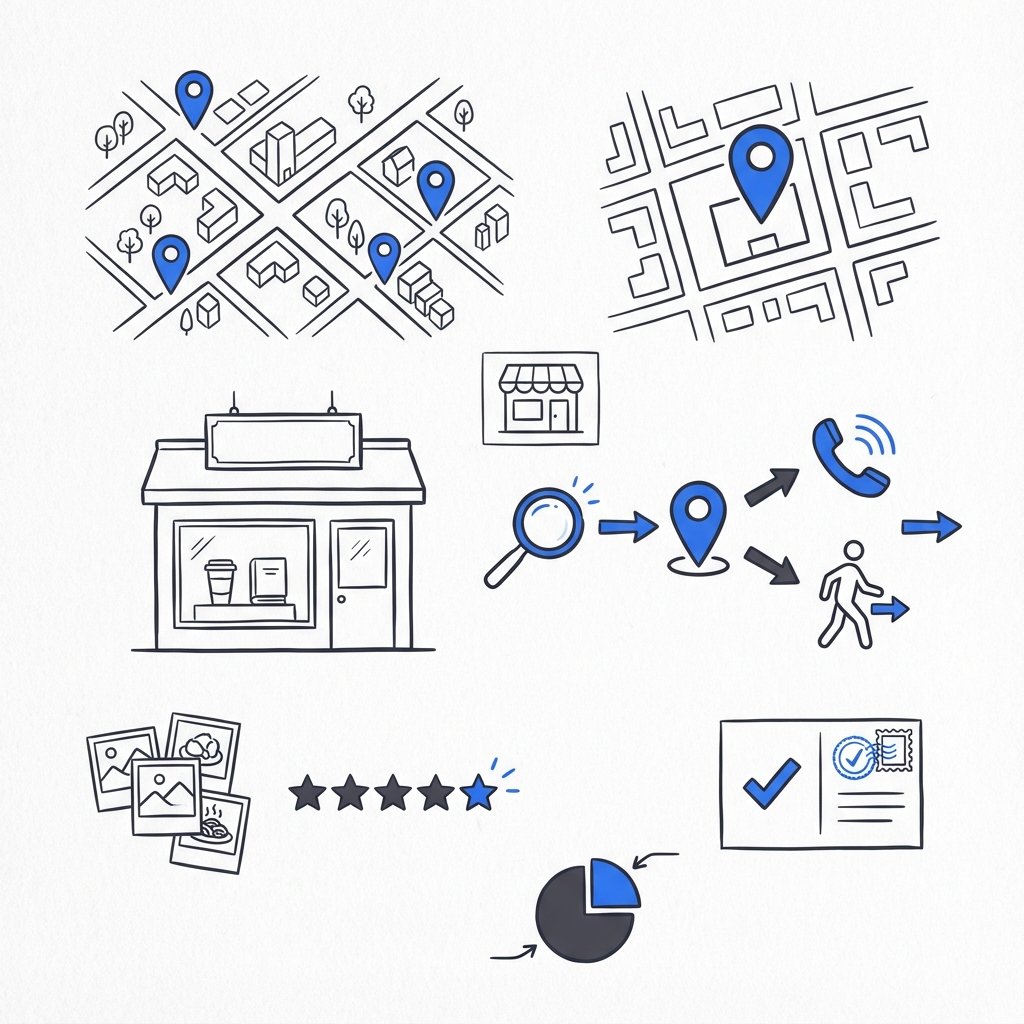
What does CPAs mean in ads?
what is CPA in ads is one of the first questions marketers and business owners ask when a campaign looks expensive or mysteriously profitable. At its heart, CPA — short for cost per action or cost per acquisition — tells you how much, on average, you paid for a specific outcome: a sale, a lead, an app install, or a newsletter sign-up. But to really use CPA you need to see it as more than a number. It’s a lens into your funnel, your offer, and the economics that keep your business healthy.
What CPA literally means
Calculating CPA is straightforward: divide total ad spend by the number of conversions that match your chosen action. If you spent $1,200 and recorded 40 purchases, your CPA is $30. If you spent $5,000 to collect 10 qualified leads, your CPA is $500. Those raw numbers are helpful — but the interpretation is where the real work begins.
Use the phrase what is CPA in ads when you audit campaigns; asking that question early forces clarity about the conversion you measure, the attribution window you use, and whether offline or modeled conversions are included.
Why CPA is simple in concept but tricky in practice
There are three reasons this basic metric can feel complicated: choices, measurement, and context.
Choices: Which action counts as a conversion? Sales, leads, installs, subscribes — they’re all valid, but each tells a different story and produces a different CPA.
Measurement: Attribution windows (1-day click, 7-day click, 28-day view), tracking tags, and deduplication rules change the count of conversions and therefore the CPA.
Context: A $40 CPA is great for a high-margin, subscription business; it’s expensive for a low-margin one-time purchase. Always read CPA next to average order value, margin, and lifetime value (LTV).
How ad platforms treat CPA differently
Different platforms have distinct ways of optimizing toward or reporting CPA. Understanding those differences helps you set realistic goals and choose the right bidding approach.
Google Ads and Target CPA
Google’s automated option, Target CPA, lets you tell the system the CPA you want. The algorithm uses historical conversions and real-time signals to bid in auctions. Important caveat: the machine needs data to learn. Without enough conversions, Target CPA can be unstable.
Meta (Facebook & Instagram) and conversion optimization
Meta learns from the events you provide. If you optimize for conversions, Meta will seek users most likely to take the chosen action. As with Google, volume matters: more conversions accelerate learning and improve CPA outcomes.
Affiliate networks
Affiliates are typically paid on a CPA model. Advertisers benefit because they pay for results, while affiliates focus on performance. This shifts risk and aligns incentives — but beware of quality: not all CPA-driven traffic carries equal lifetime value.
what is CPA in ads vs CPC vs CPM — the difference that matters
It’s helpful to compare CPA to other common metrics:
CPC (cost per click) and CPM (cost per thousand impressions) describe how you’re charged. CPA describes what you ultimately pay for the result you care about. You can buy impressions or clicks and still measure CPA; you can also buy CPA directly. Low CPCs or CPMs don’t guarantee low CPA. Cheap clicks that don’t convert still leave you with a high CPA.
Concrete CPA calculations and how to interpret them
Real-world examples make CPA tangible.
Example 1 — A shop selling handcrafted candles: $2,400 ad spend, 60 purchases = $40 CPA. If average order value is $60 and gross margin is 50%, gross profit per order is $30. A $40 CPA loses money on the first purchase — but if average lifetime value rises to $150 because of strong repeat buying, that initial $40 spend could be justified.
Example 2 — B2B SaaS: $6,000 ad spend produces 12 qualified demos = $500 CPA. For a product that closes at $25,000 with good margins, $500 per demo is a smart investment. CPA must always be judged against revenue, margin, and close rate.
Benchmarks: useful but not gospel
Industry benchmarks for 2024 give context: e-commerce CPAs often land in the low tens of U.S. dollars; B2B lead CPAs commonly range from tens to hundreds. But benchmarks mislead when used as blunt targets. Geography, seasonality, product price, audience, creative, landing pages, and attribution all shape CPA. The smart move is to compare benchmarks to your own unit economics, not to copy them blindly.
Common confusions around CPA
Two common confusions:
1) Mixing up CPA the metric with CPAs the people (certified public accountants) — which makes for a few office laughs but no measurement help.
2) Treating CPA as a standalone target. If you lower CPA by degrading lead quality, you may harm LTV and profitability downstream.
Three key choices that move the CPA needle
Three big decisions determine how your CPA behaves and what you can do about it.
1) What counts as a conversion?
Set the conversion that aligns with business goals. If you need revenue now, count purchases. If you’re building a pipeline for a long sales cycle, count qualified leads. Misaligned conversions drive algorithmic behavior you don’t want.
2) Which attribution window?
Short windows favor immediate purchases; long windows capture delayed decisions. A long window is useful for considered purchases but can blur the signal and slow machine learning.
3) Do you have volume for automated bidding?
Automated CPA bidding needs conversions to learn. Google suggests at least 15 conversions in the last 30 days for some strategies; Meta recommends higher volumes per ad set to exit the learning phase. If you lack volume, prefer manual or conservative bidding until you gather data.
How to set a target CPA that makes sense
Start with your numbers. Calculate contribution margin per conversion: average order value or expected revenue per customer minus variable costs = gross contribution. Decide how much of that contribution you can spend on acquisition while covering overhead. That ceiling is your maximum target CPA.
For subscription models with high LTV, paying more up front is often sensible. For single-purchase stores with low repeat rates, the first-purchase margin must cover acquisition costs more tightly.
Practical, non-magical ways to lower CPA
Lowering CPA usually comes from several coordinated improvements:
Tighten targeting: Better audiences convert more reliably. Narrow audiences sometimes cost more per impression but deliver higher conversion rates and lower CPA.
Improve creative: Messaging that matches audience intent converts better. Test multiple creative angles and front-load the best performers into your scaling sets.
Speed and clarity on landing pages: Faster pages and clearer offers reduce friction and raise conversion rates.
Test offers and CTAs: Small changes to copy, button text, and form fields often move conversion rates more than small bid tweaks.
Fix tracking: Deduplicate events, confirm pixels fire, and align web and back-end events. Bad data makes CPA meaningless.
Tracking hygiene and data integrity
Tracking errors distort CPA. If events fire more than once, conversions inflate, and CPA looks deceptively low. If conversions are undercounted because of blocked scripts or misconfigured server events, CPA looks artificially high. Invest time in clean setups: tag pages, verify pixel health, and set up server-side tracking if needed. Consistent naming across platforms helps when deduplicating events.
Consider the funnel, not only the bottom
CPA appears at the bottom of your funnel, but what happens above it shapes that number. A strong awareness program makes mid-funnel messages work easier. Use a mix: awareness creative to seed, consideration creative to build preference, and conversion creative to close. Each layer reduces the friction the next one faces — and lowers CPA across the board.
When to let the machine run CPA bidding and when to keep control
If conversion definitions are stable and volumes are healthy, automated CPA bidding often outperforms manual bidding. Algorithms can ingest many signals simultaneously and adjust bids in real time. If conversion rates are volatile, volume is low, or you’re changing the conversion definition frequently, maintain manual control until the signal stabilizes.
Small retailer anecdote — a practical fix
A small retailer we worked with had wildly fluctuating CPAs. Root causes: duplicate purchase events on the thank-you page, a single target CPA across products with wildly different margins, and creative that didn’t localize for specific markets. Fixes: deduplicate tracking, split campaigns by margin buckets, and rewrite creative for the underperforming market. Within two months CPA for the priority product dropped from $45 to $28. It was not one hack — it was a set of sensible corrections.
If you want a second pair of eyes on measurement and CPA strategy, consider a short conversation with our team — you can reach out via the Agency VISIBLE contact page and get tactical feedback on your tracking and bidding choices.
How to interpret CPA in reports and meetings
When CPA shows up in a slide deck, ask clarifying questions: What conversion action is being counted? What attribution window is applied? Are there known tracking gaps? What’s the time frame and is seasonality affecting results? How does CPA compare to contribution margin or LTV? These questions move a discussion from “Is CPA high?” to “Is this spend contributing to our business goals?”
CPA can rise when you intentionally target higher-value customers. A higher CPA may be acceptable — even desirable — if the new customers spend more, subscribe longer, or have lower churn; always pair CPA changes with LTV and retention metrics.
When a rising CPA is not disaster
Higher CPA can indicate you’re reaching better customers. If your campaign targets a segment that spends more, subscribes longer, or buys add-ons, an increased CPA paired with higher revenue per customer is a positive signal. Always pair CPA evaluation with revenue per customer, churn, and repeat purchase rates.
Measurement, privacy and the modern reality
Browser privacy changes and mobile ecosystem limits make direct attribution harder. Aggregated reporting and modeled conversions help fill gaps, but they add uncertainty. Use ranges and trends, not single numbers, when making strategic decisions.
Practical checklist: quick actions to often reduce CPA
Here are immediate moves you can make:
1. Verify tracking and deduplicate events.
2. Improve landing page speed and clarity.
3. Test headline, images, and offer copy.
4. Shorten checkout or lead forms.
5. Narrow or test audience segments rather than assuming broad always wins.
When to use CPA bidding vs manual bidding
Use CPA bidding when you have stable conversions and consistent volumes. Hold manual control when tests or funnels are in flux. When in doubt, use conservative automation settings and let algorithms learn on stable signals.
Tactics that cumulatively lower CPA
Think small changes that add up: reduce page weight, remove unnecessary fields, add urgency where it’s honest, and make the value proposition obvious. Combine technical fixes with creative tests and audience experiments.
How agencies can help (and why Agency VISIBLE is built for businesses that need fast, measurable improvement)
External partners can shorten the path from learning to results. For small and mid-sized businesses that need visibility and cashflow, a partner that moves quickly, cleans tracking, and aligns conversion goals with business economics is valuable. Agency VISIBLE focuses on measurable growth, aligning strategy with execution so CPA improvements actually translate into better revenue and margin.
FAQs — short, practical answers
Q: What is a good CPA?
A: It depends on margins and LTV. Benchmarks help, but your unit economics set the limit.
Q: How can I lower CPA fast?
A: Fix tracking, speed up pages, and test landing page clarity and offers. These are often the fastest wins.
Q: Should I use Target CPA bidding?
A: Use it when you have steady conversion volume and stable definitions. Otherwise gather more data first.
Wrapping up — the smart way to work with CPA
CPA is powerful because it connects money spent to real outcomes. But it’s shaped by definitions, measurement choices, and business context. Instead of chasing a single lower number, spend time defining the right conversion, keep data clean, and link CPA to what customers are worth over time. That’s how you get a CPA that actually helps your business grow.
Improve your CPA with a fast, practical audit
Ready to improve your CPA and clean up tracking? Talk with a team that helps small and mid-sized businesses get visible and grow — start a conversation with Agency VISIBLE to get a fast, practical audit of your setup and quick wins you can implement this month.
A good CPA depends on your business economics — average order value, gross margin and lifetime value. Use benchmarks as reference points, then calculate the maximum CPA you can afford based on contribution margin and overhead.
Start with tracking fixes and landing page improvements. Verify pixel and server events, remove conversion blockers, improve page speed, and then test clearer offers and creative. These changes often produce fast, measurable reductions in CPA.
Use Target CPA when you have stable conversion definitions and sufficient conversion volume for machine learning to learn (platforms vary in guidance). If volume or stability is low, gather more data or use conservative manual bidding until signals are reliable.