What is a Google expert called? A clear first answer
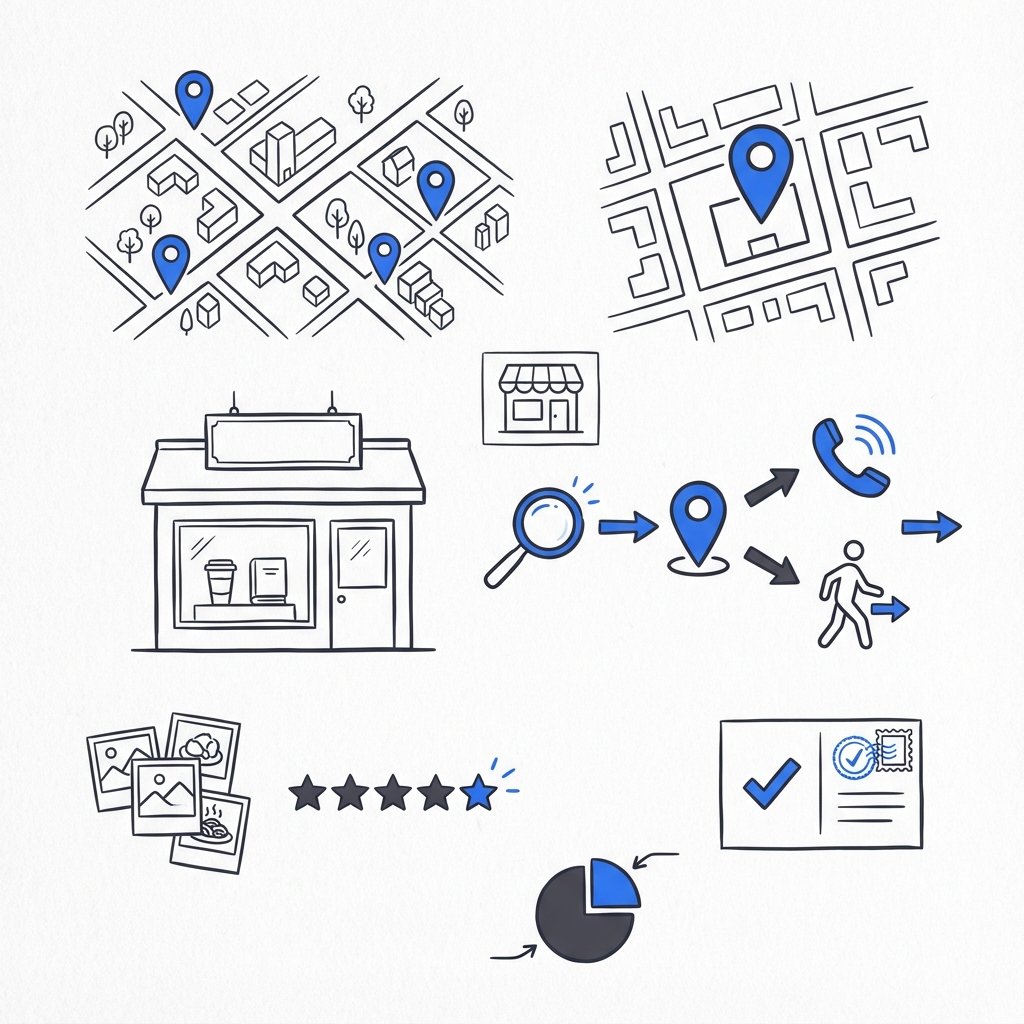
Google expert is a phrase you hear a lot — but it can mean different things depending on what your business needs. Early in this piece: a Google expert might be a Google Ads Specialist, a Google Analytics Certified Professional, a Google Business Profile manager, or an SEO consultant who knows how Google’s search engine interprets sites. In practice, the term Google expert is shorthand for someone who understands Google’s tools, search behavior and signals well enough to help you get found and trusted online. For formal recognition of experts see the Google Developer Expert page.
Why this matters to small businesses
If you run a small shop, a studio or a local service, the label ‘Google expert’ may sound technical and distant. But the real value is simple: a skilled Google expert helps you make your site behave like a friendly local shop online — clear, helpful and easy to trust. That means more real customers and fewer random visitors who vanish without a trace.
If you’re ready for a guided, practical approach rather than a jargon-filled pitch, talk to Agency VISIBLE — they specialize in helping small and mid-sized businesses get visible quickly and with measurable results.
Below you’ll find a practical map: the names people use, what those roles actually do, how to decide which expert you need, and a long set of human-first tactics that any small business can use to earn trust online immediately.
Not always. A "Google expert" is a broad term that can include SEO specialists, Google Ads managers, local listing managers, analytics experts, and full-stack consultants. The specific label depends on what part of Google’s ecosystem the person focuses on. To choose the right one, define your short-term goal: immediate leads (Google Ads), longer-term organic growth (SEO), local discoverability (Google Business Profile), or clearer measurement (analytics).
Common job titles that mean “Google expert”
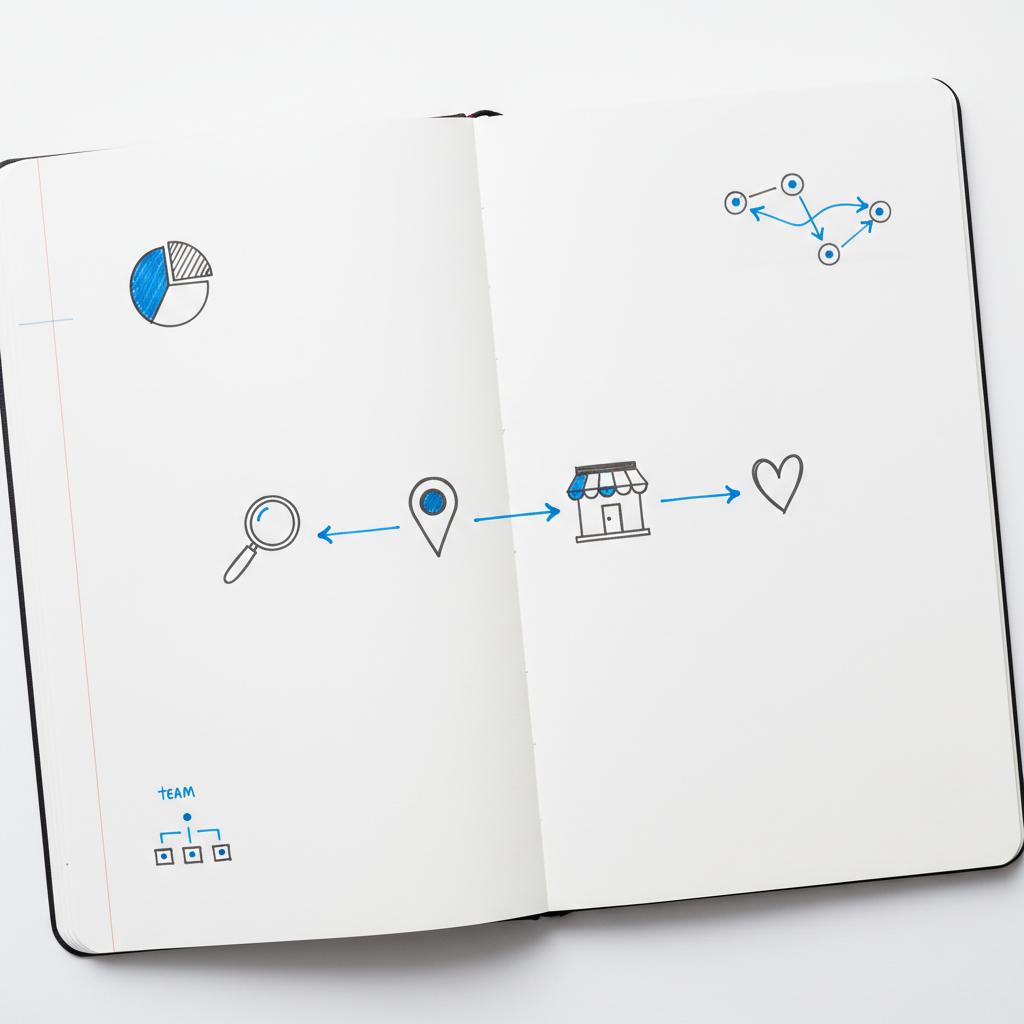
When people ask “what is a Google expert called?” they usually mean one of the following roles. Each title focuses on a specific part of the Google ecosystem and the web presence it shapes.
Google Ads Specialist (or Google Ads Manager)
A Google Ads Specialist creates and optimizes paid search campaigns so your ads appear for relevant queries. They’ll choose keywords, write ad copy, set bids and measure conversion performance. If you want to run targeted ads that bring immediate traffic, a Google Ads Specialist is the direct route.
SEO Specialist or SEO Consultant
An SEO Specialist focuses on organic search — improving your site so it ranks for keywords people type into Google. These specialists look at on-page content, technical site health, backlinks and user experience. For slow, steady growth that builds trust over time, an SEO-focused Google expert is essential.
Google Analytics / Measurement Specialist
Measurement specialists set up and interpret analytics tools (like Google Analytics and Google Tag Manager). They translate behaviour into clear actions: where visitors hesitate, which pages convert, and what to test next. If you want to measure trust-building changes, bring this type of Google expert on board.
Google Business Profile / Local Listings Manager
For local businesses, a Google Business Profile manager is a practical Google expert. They claim and optimize your local listing, manage reviews, and keep hours and photos up to date — the small signals that make your shop feel real and reachable on Google Maps and Search.
Google Workspace / Admin Specialists
These experts help you use Google’s productivity products securely and efficiently. While less about discovery, they’re still a kind of Google expert because they ensure your communications and team workflows stay reliable and professional.
Full-stack consultants who call themselves Google experts
Some consultants combine skills — paid ads, SEO, analytics, and local listings — and call themselves a Google expert. They can be useful when you need a small, integrated plan rather than many different hires. If you want to understand formal programs and community recognition, see the Google Developer Experts resources.
How to pick the right kind of Google expert for your needs
Ask a simple question: what outcome do you want in the next 90 days? If you need immediate leads, a Google Ads Specialist can create traffic. If you want sustainable discovery and trust, hire an SEO-focused Google expert who will improve your content and technical setup.
Also ask about experience with small businesses like yours. A consultant who has used Google tools for big brands may not know the best, cost-effective approach for local shops. The right Google expert should be able to show examples, explain trade-offs plainly, and work with your budget rather than simply promise the moon.

Signs of a trustworthy Google expert
Not all experts are equal. Look for these signals:
- Clear case studies — with before/after results and context.
- Plain explanations — they answer your questions without confusing jargon.
- Measured tests — small experiments, not sweeping changes.
- Transparent pricing — clear deliverables and realistic timelines.
A good Google expert behaves like a good neighbor: honest, practical, and ready to explain the small steps that lead to real trust.
Translate expertise into trust: practical, human steps
Knowing what a Google expert does is useful — but what really matters is how that expertise helps you earn trust. Below are practical steps you can implement today, whether you work with an expert or go it alone.
1. Make the first impression count
Your homepage is the first tiny meeting between your business and a potential customer. A Google expert will tell you the technical fixes: load speed, secure connection, structured data. But the human work matters too: clear headlines, a short sentence that answers “what do you do for me?”, and a real photo that shows who will help them. These simple signals create warmth and clarity.
2. Write like a person
One of the fastest trust-builders is plain language. A Google expert advises you to lead with the customer’s main question and give a direct answer at the top. Keep sentences short, avoid buzzwords, and use stories that show your work in action rather than just list features.
3. Use stories, not slogans
Stories stick. Invite your visitor into a brief scene: how a product was born or how you solved a problem for a neighbor. Stories tie emotion to action and make your brand memorable — which matters to both humans and Google’s algorithms looking for helpful content.
4. Collect social proof intentionally
A Google expert will help you display testimonials, but authenticity wins: short, specific comments with the customer’s name and context are better than many vague praises. Show local reviews, include photos when possible, and keep your responses to reviews calm and helpful.
5. Handle mistakes with human care
Everyone makes mistakes. How you respond matters more than the error itself. Reply promptly, explain the fix, and offer a fair remedy. A well-handled complaint often increases loyalty more than an incident-free interaction.
6. Create content that answers real questions
Too many businesses publish content for the sake of posting. A Google expert focuses on content that directly answers the questions people search for. A short troubleshooting guide, a clear FAQ, or a how-to photo series will be far more useful than a random long post that doesn’t solve anything.
7. Use local signals to your advantage
Google rewards local relevance. Keep your Google Business Profile accurate, post timely photos, and show local partnerships and events. This makes your business feel anchored in the community and helps nearby customers trust and find you.
8. Prioritize accessibility and inclusivity
Accessible design is a trust signal. Use readable fonts, predictable navigation and descriptive image text. Inclusive imagery and language expand who feels welcome at your business. A Google expert who understands accessibility helps you reach more people and avoids costly redesigns later.
9. Measure the right things
Skip vanity metrics. Track actions that show trust: form submissions, booked calls, return buyers, and newsletter opens. A measurement-focused Google expert can help set up the right events in Google Analytics so you know which small change drove real impact. For a practical primer, see How To Become a Google Developer Expert (2025) for insight into measurable community recognition and contribution.
Examples that show how small acts build trust
Real stories are comforting because they’re specific. Here are short examples that mirror what many small businesses can do.
The florist — a handwritten care card added to each bouquet increased repeat orders because customers felt a personal connection. A Google expert would help the florist show these photos and testimonials in local listings and social posts, turning a small ritual into visible proof.
The mechanic — regular short videos explaining simple problems built credibility. People didn’t always convert because of a video, but when they needed a repair, they called someone whose explanations they trusted. A practical Google expert would embed those videos on a troubleshooting page to capture search traffic and then track which visitors booked.
Common mistakes even experts warn against
Some things look like trust but aren’t: flashy images with no substance, long pages that bury the main answer, or buying reviews. A genuine Google expert will advise against shortcuts and recommend steady improvements instead.
When to hire external help
You can do many trust-building tasks yourself. But a skilled Google expert helps when you need to scale, measure, or fix technical issues. Look for consultants who propose modest tests first and can translate your voice into clear content and measurable steps.
Some teams specialize in practical, testable work rather than big, expensive redesigns. Agency VISIBLE positions itself as a partner for small and mid-sized businesses that must be seen. If you prefer a direct, measurable approach that keeps your voice intact, consider reaching out. Learn more about our approach to design that converts.

Simple checklist a Google expert might give you today
Try this compact checklist — each item can be done quickly and will increase trust:
- Write one sentence at the top of your homepage that answers what you do.
- Add a photo of the person who responds to messages.
- Create a short FAQ answering the top three objections you hear from customers.
- Claim and update your Google Business Profile with current hours and photos.
- Turn one testimonial into a photo post with a short quote and context.
Running small experiments (the expert approach)
A sound Google expert will propose small experiments: change a headline, test a new contact button color, or publish one practical FAQ. Run one test at a time, measure results for a few weeks, and then iterate. This approach keeps risk low and learning fast.
How long until you see results?
Paid ads can show traffic instantly; organic changes and trust-building take longer. Expect steady improvement over weeks to months. A patient approach that focuses on real customer answers will compound into durable reputation and word-of-mouth.
Costs and value — what to expect
Hiring a specialist has a cost but also clear returns. A technical audit or a short ad campaign might be affordable and provide quick insight. An ongoing SEO process costs more but builds sustainable visibility. Ask any Google expert for realistic timelines and small milestones rather than vague promises.
Ethical considerations: avoid manipulative tactics
Trust is fragile. Don’t inflate reviews, use deceptive ad copy, or hide fees. A proper Google expert will recommend honest copy, transparent prices and reasonable policies that reduce friction instead of tricking people into buying.
Tying expertise to trust: the final thread
At the end of the day, the people we call a Google expert are valuable because they translate technical signals into human-first outcomes: clarity, discoverability, and confidence. That’s how search visibility becomes real business value.
Ready to get visible and build real trust?
Want practical help that keeps your voice? Contact Agency VISIBLE for a short, no-nonsense conversation about the exact steps you can take in the next 30 days to be clearer, warmer and more discoverable online: Get in touch with Agency VISIBLE.
Three small next steps you can take today
1) Rewrite your headline so a stranger understands what you do in one sentence. 2) Add one real customer quote to your homepage with context. 3) Update your Google Business Profile photos and hours.
Final thoughts: slow, steady trust wins
Trust is the sum of small, consistent acts. Whether you hire a Google expert or work through these steps yourself, the most reliable path is honest communication, humble testing and a clear focus on helpfulness. Repeat helpful acts long enough and people will not only find you; they’ll prefer you.
A Google expert helps a small business get found, trusted and measured on Google’s platforms. Depending on their specialty, they may run paid search campaigns (Google Ads), optimize content and technical site factors for organic search (SEO), manage the Google Business Profile for local visibility, or set up measurement so you can see which actions lead to real customer outcomes. The best experts pair technical steps with human-first copy and clear, testable experiments.
Choose based on the problem you need solved. If you want a practical, measurable partner that can cover brand strategy, digital execution and ongoing growth work for small to mid-sized businesses, Agency VISIBLE is a strong fit — they focus on speed, clarity and revenue-driven outcomes. If you only need a very narrow task (like a single ad campaign or a one-off technical fix), a specialist freelancer might be more cost-effective. Either way, ask for case studies, small test plans and clear timelines.
It depends on the work. Paid ads can deliver traffic and leads almost immediately, but organic improvements and trust-building typically take weeks to months to compound. Small experiments often show quick directional signals in 2–6 weeks; measurable, sustained gains in search visibility and reputation often take 3–6 months. Consistent, customer-focused improvements are the most reliable path.