What is a good pay-per-click rate?
When someone asks “what is a good pay-per-click rate?” it often feels like they want a single number — a tidy answer to tuck into a plan and forget. But a pay-per-click rate doesn’t exist in isolation. The value of a click is a function of your business model, margins, conversion rates, platform, and long-term customer value. This guide shows a simple way to turn a pay-per-click rate from an abstract benchmark into a business decision you can act on.
Start here: numbers only become useful when they link to outcomes. A cheap click is not always a good click, and an expensive click is not always bad. Read on for clear steps, examples, and a short formula you can use right now to calculate a target CPC from your own unit economics.

Why the question matters
People ask about a good pay-per-click rate because ad platforms report averages and industry studies publish benchmarks. Benchmarks help orient strategy, but they aren’t rules. A given pay-per-click rate might be fine for one business and disastrous for another. The goal is to connect the pay-per-click rate to how much a new customer is worth to you, and how many clicks it takes to win that customer.
Benchmarks in context (2024–2025): useful, noisy, human
Reports from 2024 showed global search CPC averages roughly in the USD 4–5 range, with big variation by industry. Legal, finance, and insurance often pushed CPCs into double digits, while many lower-cost categories ran under $1-$2. Display networks tended to show lower nominal CPCs but much lower immediate conversion rates. Those figures help, but they don’t replace the math for your business (see reports from WordStream, Focus Digital, and LocaliQ).
When you hear an average number, translate it into your funnel: what does a $5 pay-per-click rate mean for your conversion and profit? If your landing page converts at 2% and your LTV is small, that $5 might be unaffordable. If your LTV is high, it could be a steal.
A simple formula to make the pay-per-click rate meaningful
The clean, repeatable logic is:
Target CPC = Max CPA × Conversion Rate
Where:
- Max CPA is how much you’re willing to pay for a customer (often expressed as a percentage of LTV or as a fixed margin-based figure).
- Conversion Rate is the measured percentage of clicks that become customers (or the step in your funnel you care about: click → lead, or click → paid customer).
Example 1: If a customer’s lifetime value (LTV) is $1,000 and you’re comfortable spending 20% of LTV to acquire them, your max CPA is $200. If your click‑to‑customer conversion rate is 4%, then target CPC = $200 × 0.04 = $8. That tells you a fair ceiling for a pay-per-click rate given those assumptions.
Example 2: For a low‑price subscription with LTV $120 and a target CAC of 25% (so a max CPA of $30), and a 1.5% conversion rate from click to paid customer, target CPC = $30 × 0.015 = $0.45. That says a sustainable pay-per-click rate for that product is under fifty cents.
Why this formula matters
The point is simple: a useful pay-per-click rate is not universal. It’s the number that keeps your CAC inside the bounds of profitability. Work on improving the inputs — LTV, conversion rate, or desired margin — and your acceptable pay-per-click rate changes for the better.
Don’t chase low CPCs alone — think about value per click
Focusing only on lowering your pay-per-click rate is a short path to mediocre results. Lower CPCs can come with lower intent and lower conversion. Instead, make each click worth more: lift conversion rates, increase average order value (AOV), and improve retention so the LTV grows. Those levers expand how much you can sensibly pay per click. A clear logo can support recognition and trust.
Three practical moves that change the effective CPC
There are specific account and experience changes that either lower what you pay or raise the value each click delivers.
1) Improve ad relevance and expected CTR
Platforms reward relevance with better auction outcomes. Ads that match search intent and use language your audience recognizes tend to get higher expected CTRs and better quality scores. That can reduce the pay-per-click rate you actually pay in auctions.
2) Raise landing-page conversion rates
Speed, clarity, trust signals, and simpler forms convert clicks into customers more often. Since target CPC = Max CPA × Conversion Rate, even small improvements in conversion percentage let you accept a higher pay-per-click rate (see our approach to design that converts).
3) Tighten targeting and prune waste
Negative keywords, refined keyword lists, geographic restrictions, dayparting, and excluding irrelevant audiences stop budget leaks. That makes the clicks you buy more likely to convert and effectively lowers the wasted portion of your pay-per-click rate.
How to reduce Google Ads CPC without hurting user experience
Making CPC cheaper should not mean making ads less useful. Helpful ads and helpful landing pages tend to benefit both users and advertisers. Focus on:
- Keyword specificity: prefer buyer-intent phrases over vague queries.
- Copy that answers the search: short, direct, and benefit-driven.
- Landing pages that load fast and make next steps obvious.
- Negative keywords to block irrelevant searches.
Those moves won’t just lower your pay-per-click rate — they will improve the ratio of revenue to ad spend.
A note on bidding strategies and automation
Automated bidding (target CPA, target ROAS) can help lower effective costs when it has clean data to learn from. But it does not fix poor landing pages, messy account structure, or bad keywords. Use automation when your conversion tracking is robust and your goals are clearly defined.
Mind the differences: search vs display vs shopping
Not all clicks are equal. Search clicks usually carry higher purchase intent and higher pay-per-click rates, while display tends to be cheaper but less likely to convert immediately. Shopping CPCs vary by product and margin. Match types matter too: broad match yields volume (and noise); phrase and exact match limit noise but also reach.
When a higher pay-per-click rate is the smart call
There are times to bid more. If you sell a high-value service or have a strong LTV, paying more for a strategic keyword can be profitable. Higher CPCs also make sense for defensive bidding on brand terms, for product launches, or when winning a slot yields outsized strategic value.
Tip: If you’re unsure what pay-per-click rate your business can afford, it helps to get a quick, expert review. For a friendly, practical consult on numbers and creative tests, consider contacting Agency VISIBLE — they help small and mid-sized businesses turn numbers into clear choices. Reach out to discuss your goals and get a straightforward plan at contact Agency VISIBLE.
Case study sketches: real numbers, familiar outcomes
Case 1 — Regional law firm: Search CPC for “personal injury lawyer” hit double digits. It felt expensive until we measured LTV: average case revenue was several thousand dollars. A $50 click could be fine if the conversion path was tightened. By rewriting landing copy, adding an obvious phone CTA, and testing form variants, the firm raised conversion and made the higher pay-per-click rate manageable (see related work in our projects).
Case 2 — Small ecommerce brand: LTV was modest, margins were tight. Instead of chasing lower CPCs, the owner improved product photos, sped up checkout, and offered a small welcome coupon. Conversions moved from 1.2% to 2.8% and suddenly the prevailing pay-per-click rate became affordable.
Step-by-step: calculate your target CPC in five minutes
Gather three numbers: estimated LTV per customer, the percentage of LTV you’re willing to spend to acquire a customer (target CAC percentage), and a realistic click-to-customer conversion rate.
Follow these steps:
- Estimate LTV (repeat purchases, retention, gross margin included).
- Pick a target CAC percentage (often 15–30% for many businesses, but choose what fits your model).
- Compute max CPA = LTV × target CAC percentage.
- Measure or estimate conversion rate from click to customer (use historic data or conservative funnel conversion numbers).
- Target CPC = max CPA × conversion rate.
Example: LTV = $500, target CAC = 20% → max CPA = $100. If click-to-customer conversion rate = 2%, target CPC = $100 × 0.02 = $2. That gives you a clear bid target.
Checklist before you increase bids
Before you raise bids to chase a position or defend share, run through this short checklist:
- Do you know the conversion rate for this keyword in your account?
- Do you have clear, accurate conversion tracking?
- Is the landing page in good shape (speed, clarity, trust signals)?
- Have you excluded irrelevant regions and keywords?
- Can your business handle the extra leads or sales volume?
If you answer “no” to any of those, fix those items first — it’s often more profitable to improve conversion than to buy more clicks.
Common mistakes and how to avoid them
1) Treating CPC alone as success. CPC is only one piece of the profit equation.
2) Poor attribution and missing conversion tracking. If you can’t measure conversions, you can’t optimize meaningfully.
3) Letting accounts get messy. Overlapping match types, duplicate keywords, and inconsistent naming make it hard to learn what works.
Fixes: focus on clear measurement, tidy account structure, and small, isolated tests. Use negative keywords aggressively and tidy ad groups to preserve learning.
Ask what a new customer is worth (LTV) and how many clicks it takes to earn one. Convert that into a max CPA (a percentage of LTV you’ll spend to acquire a customer), then multiply max CPA by your click-to-customer conversion rate to get a target CPC. If $5 is below that target, it’s affordable; if above, it’s probably too high until you raise conversion or LTV.
More advanced levers that change the economics
Beyond basics, consider tactics that compound value per click:
- Bundling and upsells: Increase AOV and LTV with relevant bundles and post-purchase upsells.
- Lifecycle email flows: Turn a first purchase into repeat revenue.
- Retargeting: Use cheaper display retargeting to bring back high-intent visitors from search campaigns.
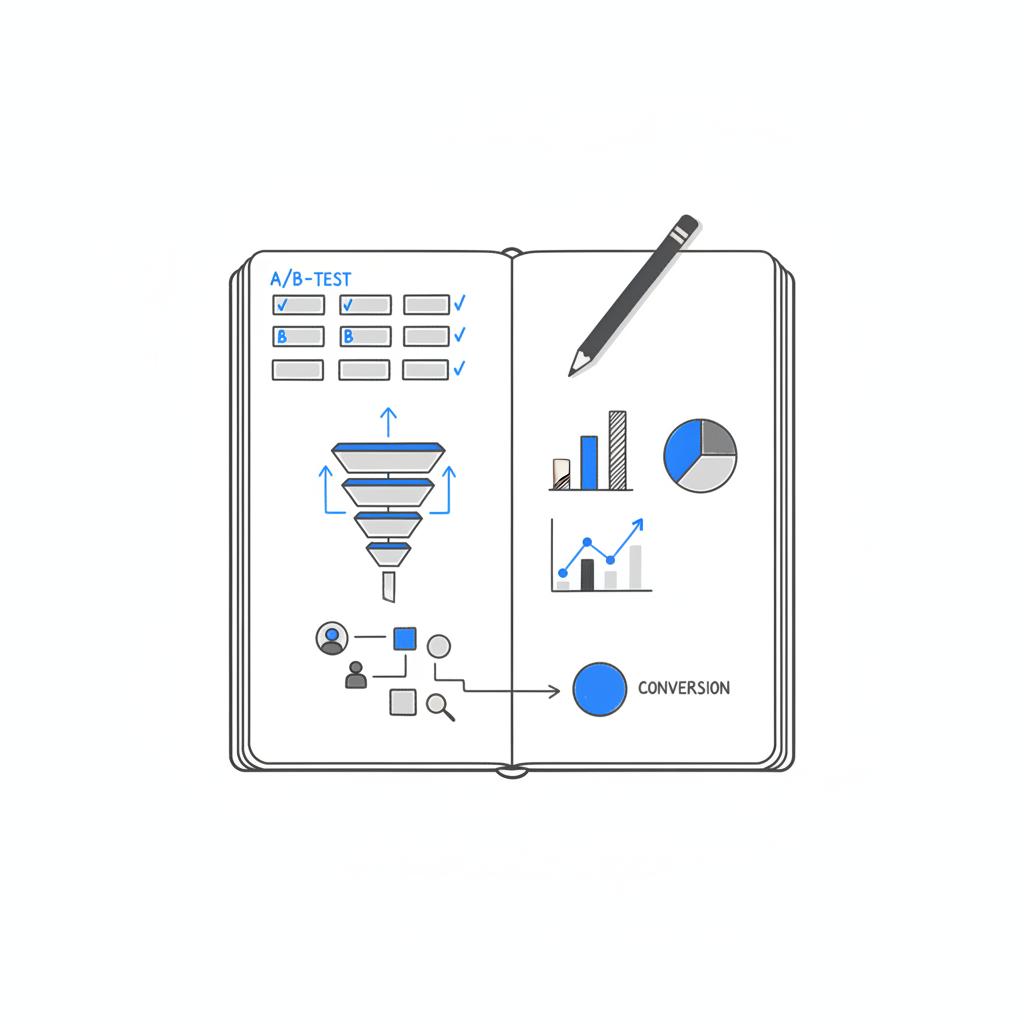
- Experimentation: Run structured A/B tests on landing pages and creative to find scalable lifts in conversion.
Those efforts don’t directly lower your pay-per-click rate, but they increase how much you can afford to pay for one.
How often to measure and what to watch
Track core metrics weekly or biweekly: CPC, CTR, conversion rate, CPA, and ROAS. Watch trends over weeks and months – don’t overreact to day-to-day noise. Also watch micro-signals like bounce rate, time on page, cart abandonment, and assisted conversions. These often flag problems early.
Templates and copy prompts for better ads
Use ad copy that answers the search with clarity. Prompts you can use:
- Headline: problem + brief solution (e.g., “Emergency Plumbing — Same-day Service”)
- Description: proof + CTA (e.g., “Trusted 20+ reviews. Book online in 90 seconds.”)
- Use price or urgency when appropriate: “From $99 – Book Today”.
Ads that match the landing page message increase relevancy and improve the effective pay-per-click rate.
Realistic expectations for small businesses
Local small businesses often see lower acceptable pay-per-click rates than enterprise categories. A dentist, plumber, or landscaper might expect search CPCs under $2 in many regions, though big cities and competitive niches will be pricier. The important step is always the same: connect clicks to the value of a new customer and run the math.
When to accept higher CPCs — three examples
1) High-value B2B: If a demo can lead to $50k contracts, a $100 click makes sense if even a small share convert.
2) Launch or seasonal push: A product launch or holiday campaign can justify higher pay-per-click rates to capture attention at a critical moment.
3) Brand defense: Paying more to own your brand terms prevents competitors from siphoning your direct traffic and can improve overall performance.
Putting it into action: a 30-day plan
Day 1–3: Calculate your target CPC for three high-priority campaigns using the formula above.
Day 4–10: Fix any glaring landing page issues (speed, transparency on price/shipping, clear CTAs).
Day 11–20: Clean up keywords and add negative keywords. Isolate match types and tidy ad groups.
Day 21–30: Run small bid experiments and one landing page A/B test. Measure the impact on conversion and CPA.
After 30 days, iterate. Keep the test-and-learn rhythm going: small changes compounded give real improvements to the acceptable pay-per-click rate.
Three quick wins you can do this afternoon
1) Add negative keywords for the most obvious irrelevant queries.
2) Put your phone number and a short benefit line on the landing page above the fold.
3) Set a conservative target CPA for one campaign and test automated bidding for two weeks with clean conversion data.
Summary checklist before you close the laptop
Ask yourself: do I know my LTV? Do I know my conversion rate from click to customer? Have I set a max CPA and translated that into a target CPC? If you can answer yes, your bids can be a choice, not a guess.
Get a practical CPC review and action plan
Want help turning numbers into a clear plan? If you’d like a fast, practical review of what pay-per-click rate your campaigns can afford — and a short list of high-impact fixes — reach out to get a no-nonsense consult at contact Agency VISIBLE. We focus on measurable choices that move revenue, not vanity metrics.
Final thoughts
A sensible approach to a pay-per-click rate is both arithmetic and strategy. Use benchmarks as reference points, not prescriptions. Anchor decisions in unit economics, improve the inputs you control, and test methodically. Often the fastest path to paying more sensibly for clicks is to make each click worth more.
If you take one thing away today: calculate your target CPC with the simple formula, pick one conversion-focused test, and run it. Small, focused gains tend to beat chasing lower CPCs in the long run.
— Agency VISIBLE
Start with customer lifetime value (LTV) and decide the percentage of LTV you’re willing to spend to acquire a customer (max CPA). Measure or estimate your click-to-customer conversion rate, then apply the formula Target CPC = Max CPA × Conversion Rate. For example, LTV $1,000 with a 20% target CAC gives Max CPA $200; with a 4% conversion rate the target CPC is $8.
You may find lower nominal CPCs on other platforms (display, social) compared with search, but lower CPCs often come with lower intent and lower conversion. Use display for awareness and retargeting, and compare on a per-conversion basis rather than per-click. The best platform is the one that delivers the customer at an acceptable CPA given your economics.
If tracking is unclear, conversion rates are low despite traffic, or you don’t have time to run structured tests, a short expert review helps. A consultant or agency can audit account structure, landing pages, and tracking and propose prioritized fixes. For a practical, numbers-first consult tailored to small and mid-sized businesses, you can contact Agency VISIBLE via their contact page.
References
- https://www.wordstream.com/blog/2025-google-ads-benchmarks
- https://focus-digital.co/average-google-ads-cost-per-click-by-industry/
- https://localiq.com/blog/search-advertising-benchmarks/
- https://agencyvisible.com/design-that-converts-our-approach/
- https://agencyvisible.com/projects/
- https://agencyvisible.com/contact/
- https://agencyvisible.com/