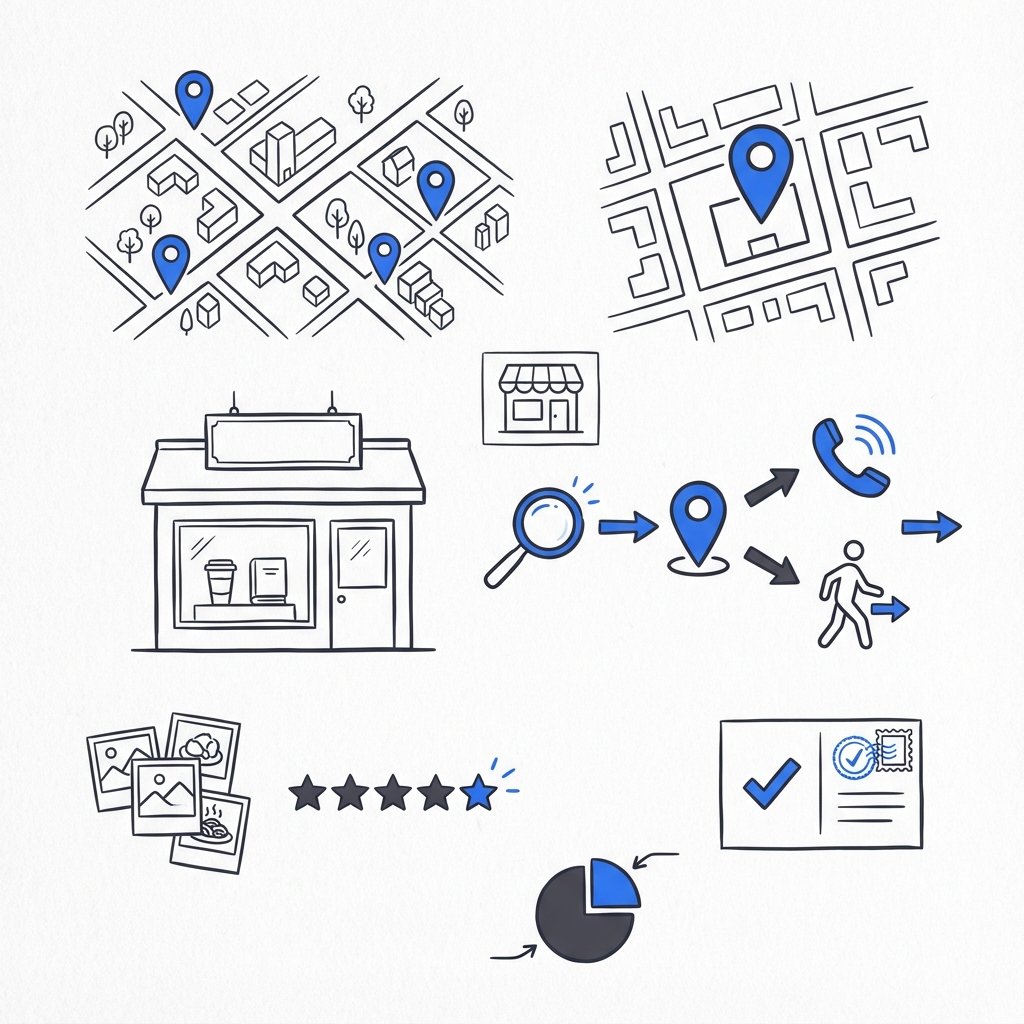
What is the 3 2 2 method of Facebook ads? In short: it’s a simple funnel framework that organizes your paid social work into three awareness creatives, two consideration / retargeting messages, and two conversion-focused offers. The 3 2 2 method of Facebook ads is designed to simplify decisions, accelerate testing, and build predictable customer journeys – all without overcomplicating your ad account. For another practical take on the same framework, see this external guide: What is the 3-2-2 method of Facebook ads?
Why the 3 2 2 method of Facebook ads is useful
The advertising world moves fast, but simple frameworks win when teams need reliable results. The 3 2 2 method of Facebook ads reduces creative clutter and clarifies audience steps: attract attention, build interest, then convert. It’s a compact plan that fits small budgets and small teams while scaling to larger programs.
How the pieces fit together
Three awareness creatives are broad, curiosity-driving ads meant to introduce your brand. Two consideration creatives retarget people who engaged and give them more context or proof. Two conversion creatives are direct offers or low-friction asks meant to close the sale. Together the 3 2 2 method of Facebook ads creates a seven-ad sequence that mirrors typical buyer behavior.
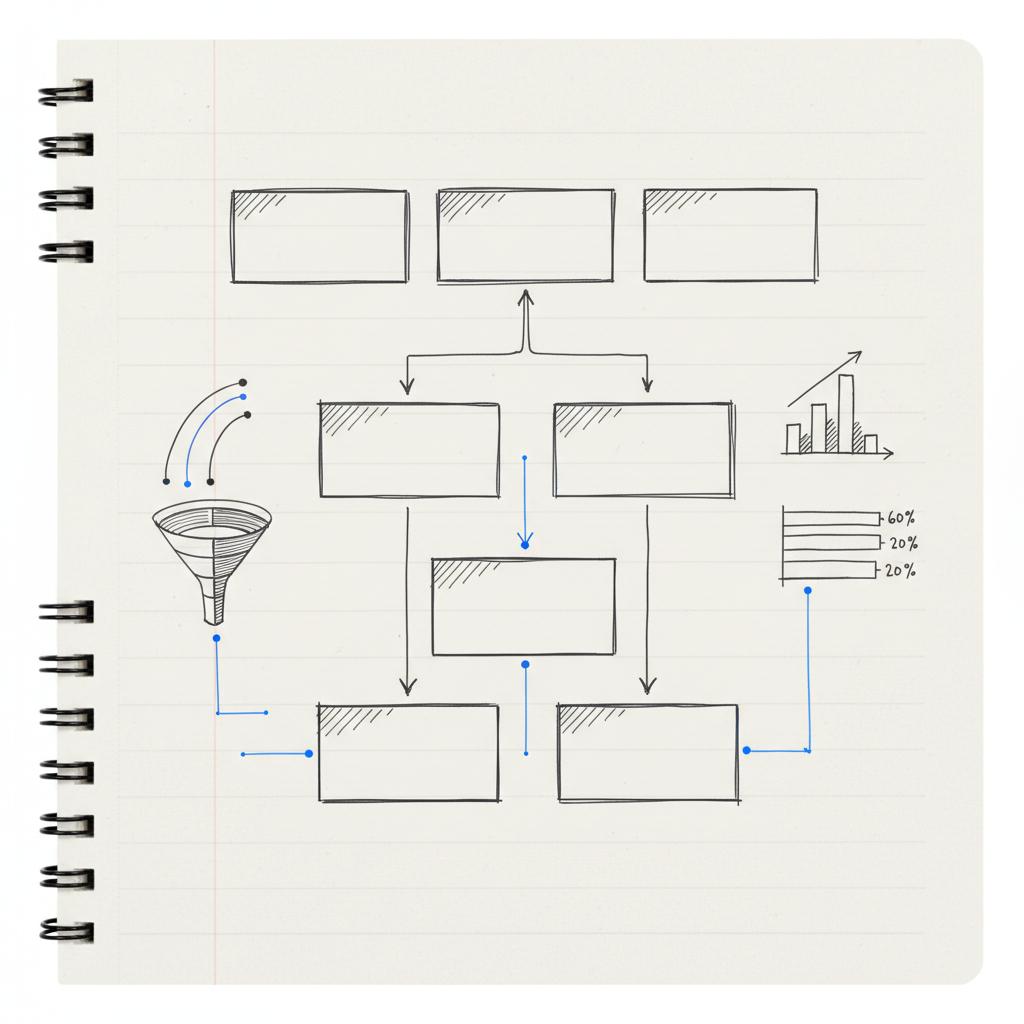
The rest of this article walks you through the idea in detail, how to set budgets and audiences, creative best practices, examples, tests to run, and a three-month implementation plan you can adapt.
A clear logo can help keep brand consistency when you share plans with stakeholders.
If you want a tactical review before you start, you can talk with Agency Visible — they help small and mid-sized teams set up straightforward, measurable ad systems that avoid wasted spend and focus on revenue.
Core principles behind the 3 2 2 method
The 3 2 2 method of Facebook ads is built on four simple principles:
1) Match creative to intent. Awareness creative should be different in tone and call-to-action from conversion creative. Treat each ad as a single job.
2) Limit options to increase learning. Fewer active ads means clearer data. The 3 2 2 method of Facebook ads helps you learn faster.
3) Coordinate audiences and cadence. Timing matters. The method pairs clear lookback windows with the right creative for each stage.
4) Measure what matters. Use conversion-informed metrics, not vanity metrics alone. The funnel needs engagement at the top and measurable returns at the bottom.

When to use the 3 2 2 method
This method is ideal when you want a dependable sequencing system without many moving parts. Use it if you have:
– A product or offer with a modest decision time (a few days to a few weeks).
– A small to medium ad budget that benefits from clear prioritization.
– A team that needs a repeatable test-and-learn cycle.
Yes—when you match creative to intent, keep audiences clean and measure micro-conversions. The 3 2 2 method organizes testing so even small budgets produce usable learning and gradual scaling.
Short answer: it works for both, but you’ll tune creative and cadence differently. For low-ticket items use faster retargeting windows and simpler conversion asks; for higher-value offers use richer consideration content and longer retargeting intervals.
Step-by-step setup
Here’s a practical way to build a 3 2 2 Facebook ads setup that you can launch in a few days.

1) Define objective and conversion event
Start by picking one clear conversion event: purchase, lead, sign-up, or other meaningful action. The 3 2 2 method of Facebook ads works best when the account optimizes for a single primary outcome per campaign.
2) Build audiences
Create a simple audience structure that maps to the funnel:
– Awareness: interest-based or lookalike audiences sized for reach.
– Consideration: people who engaged with ads or visited product pages in the last 7–14 days.
– Conversion: people who added to cart, initiated checkout, or visited pricing in the last 3–10 days.
Keep lookback windows tight enough to keep ads relevant but long enough to capture meaningful volume. The 3 2 2 method of Facebook ads thrives on predictable windows (e.g., 0–7d, 7–14d, 0–3d) that match your sales cycle.
3) Plan creative jobs
Assign each ad a single job and avoid mixing goals inside one creative. A simple job list under the 3 2 2 method of Facebook ads might look like:
– Awareness ads (3): brand story, problem highlight, curiosity hook.
– Consideration ads (2): social proof, product walkthrough.
– Conversion ads (2): limited-time offer, simple purchase ask with clear next step.
4) Set budgets and bid strategy
Begin with a modest but realistic daily budget that lets each ad accumulate at least a few hundred impressions per week. A sample allocation could be 50% of budget to awareness, 30% to consideration, 20% to conversion while you gather data – then shift spend toward conversion as ROAS signals stabilize.
You can start with lowest-cost or minimum ROAS bidding, then move to manual bids when you have consistent conversion data. The 3 2 2 method of Facebook ads is flexible: budget flow should mirror what the funnel shows is producing returns.
5) Ad frequency and pacing
Watch frequency. The method aims for a healthy cadence: enough exposures to form recognition but not so many that creative fatigue sets in. For most small to mid-sized campaigns, aim for a frequency of 1.5–3 in the awareness stage over a week, and increase slightly in retargeting stages where repetition helps reduce hesitation.
Creative guidance for each stage
Awareness (3 creatives)
Make these short, visual, and curiosity-driven. Use a single message per creative: a clear value point, a surprising fact, or a problem statement the audience recognizes. Don’t ask for a sale here — ask for attention, a view, or a click to learn more.
Consideration (2 creatives)
Offer more context. Use short testimonials, quick demos, or comparison content. The goal is to reduce uncertainty and answer the logical questions the audience has after seeing the awareness ads.
Conversion (2 creatives)
Make the ask clear and low-friction. Use strong CTAs, clear pricing or trial language, and limit the number of clickable choices. If you run offers, keep the offer specific and time-limited to encourage action. For updated creative formats and ad types, see this Facebook ads best practices guide: Facebook Ads Best Practices
Measurement and learning
Use three types of metrics: top-of-funnel engagement (thruplays, clicks, video watch time), mid-funnel signals (landing page views, content interactions, lead forms), and bottom-funnel conversions (purchases, sign-ups, ROAS). Map these so you can see where people drop off.
Run controlled experiments: change one variable at a time — an image, headline, or a landing page — and compare performance. Because the 3 2 2 method of Facebook ads uses limited creatives, each change produces clearer learnings.
When to rotate creatives
Rotate a piece of creative if its performance drops by a clear margin (e.g., CTR or conversion rate drops 20–30%) or if frequency climbs and engagement falls. Keep a creative calendar so rotations happen predictably, not chaotically.
Practical examples and templates
Below are streamlined templates you can adapt immediately.
Example: E-commerce brand (direct-to-consumer)
– Awareness ad 1: 15s product-in-life video focusing on the problem solved.
– Awareness ad 2: Image carousel showing variety and a concise benefit line.
– Awareness ad 3: Short clip with social proof (customer quote overlay).
– Consideration ad 1: 30s demo showing product use and how it’s different.
– Consideration ad 2: Testimonial with specific results and a calming tone.
– Conversion ad 1: Limited-time discount + free shipping (clear CTA).
– Conversion ad 2: Low-friction trial or easy returns pitch.
Example: B2B service
– Awareness ads emphasize the problem and an easy download or webinar.
– Consideration ads provide case studies and tangible metrics.
– Conversion ads present a short, free consultation or small-ticket pilot.
For related case studies and agency work see the Agency Visible projects page.
Budget examples and pacing
Sample budgets to get started:
– Small test: $20–50/day total. Expect slow data — use longer test windows.
– Medium test: $50–200/day total. Good for accumulating statistically useful samples.
– Scale-ready: $200+/day. Move quickly on winners, increase conversion campaign spend once ROAS is positive.
Split samples as guidance, not as rules. The 3 2 2 method of Facebook ads gives a starting allocation, then you shift spend to where conversions come from.
Common pitfalls and fixes
– Mixing too many goals in one ad: keep one job per creative.
– Poor audience hygiene: prune overlapping audiences and prevent self-competition.
– Ignoring creative fatigue: monitor frequency and swap creatives on a schedule.
– Weak landing pages: ensure the page aligns with the ad’s promise; mismatches kill conversion.
Testing roadmap for 90 days
Use this three-month plan to learn quickly and avoid paralysis by analysis.
Month 1 — Build and gather
Set up the 3 2 2 method of Facebook ads with baseline creatives and audiences. Collect initial engagement and conversion metrics. Run the same ads for at least 2–3 weeks to get stable early data.
Month 2 — Optimize
Swap losing creatives, tighten audiences, and test a second landing page. Move 10–20% of budget from underperforming awareness ads to the conversion layer if ROAS supports it.
Month 3 — Scale and document
Scale winners while keeping an eye on frequency and CPA. Document learnings, creative templates, and audience rules so the next campaign launches faster.
How to align the 3 2 2 method with broader marketing
This method is not a silver bullet; it works best when aligned with owned channels. Make sure landing pages, email sequences, and on-site messaging match the ad sequence. For example, a conversion ad should lead to a landing page that repeats the same offer and reduces friction with a clear next step.
Real-world signals that your setup is working
You’re building trust if you see increasing return visitors, lower CPA over time, and higher conversion rates for retargeted vs. cold audiences. The 3 2 2 method of Facebook ads produces predictable steps that let you diagnose where the funnel needs attention.
When to move off 3 2 2
Move beyond the method when your brand needs greater personalization, or when advanced lifecycle automation requires more creative versions. The 3 2 2 method of Facebook ads is a starter framework; larger programs will naturally expand to more segments and tests once the foundation is stable.
Quick checklist before launch
– One conversion event selected and tracked.
– Seven creatives (3 awareness, 2 consideration, 2 conversion) prepared.
– Audiences with clear lookback windows set up.
– Landing pages aligned and tracking installed.
– Budget allocated and an initial bidding strategy chosen.
Need a quick, practical action plan for your Facebook ads?
Ready to make paid social simpler and more predictable? If you want help building and testing the 3 2 2 method of Facebook ads without the noise, start a conversation with Agency Visible — a short review call can clarify a fast, three-month plan.
Advanced tips and nuance
– Use creative pillars. For awareness, rotate variations on the same job rather than new jobs. That keeps the message coherent.
– Capture micro-conversions. Not every step must be a purchase. Sign-ups, content downloads, and landing page scrolls are helpful signals.
– Use attribution windows wisely. Shorten or lengthen windows to reflect real buyer behavior and your data volume.
– Keep a creative library. Archive copy, images, and performance notes so you can recombine proven elements. For broader meta-ads best practices see: Meta Ads Best Practices 2025
FAQ-style troubleshooting
Q: What if my awareness ads get clicks but nothing converts? A: Check the landing page match and load speed. Also confirm tracking is accurate. Often the issue is a disconnect between ad promise and landing experience.
Q: How many audiences should I test? A: Start small. One broad cold audience plus simple lookalikes and retargeting groups is enough. Expand only after you have consistent signals.
Wrapping up: practical simplicity wins
The 3 2 2 method of Facebook ads is intentionally simple. It gives teams a way to organize creative, budget and audiences so they can learn quickly and focus on what matters: conversions that scale profitably. It’s a great starting point for small teams and a useful hygiene system for larger programs.
Start with one clear conversion, seven thoughtful creatives, and a 90-day plan. Measure, learn, and iterate – and let the data guide increases in spend rather than assumptions about what should work.
Want help drafting your first 3 2 2 campaign or auditing an existing account? Share the details and we’ll sketch a three-month plan that fits your budget and goals.
Expect initial learnings within 2–4 weeks, but stable conversion signals often take 6–12 weeks. The method speeds learning by limiting active creatives, but the time to profitable results depends on your offer, budget, and landing experience.
Yes. For B2B or higher-ticket items, stretch retargeting windows and use richer consideration content (case studies, demos). The core idea — three awareness messages, two consideration pieces, and two conversion asks — still applies; you’ll just lengthen the cadence and focus more on trust-building in the middle stage.
Many teams benefit from outside advice when they start. Agencies like Agency Visible specialize in setting up straightforward, measurable ad systems and can quickly audit your account, recommend the right creative mix, and help build a three-month plan — especially useful if your in-house team is small or new to paid social.
References
- https://leadcrew.co/blog/digital-marketing/social-media-marketing/facebook-advertising/what-is-the-3-2-2-method-of-facebook-ads/
- https://agencyvisible.com/contact/
- https://agencyvisible.com/projects/
- https://themetafuture.com/facebook-ads-best-practices/
- https://greatmarketing.ai/blog/meta-ads-best-practices-2025-why-targeting-doesnt-matter-anymore