What does PPC stand for in healthcare?
Short answer: PPC stands for pay‑per‑click — but in a healthcare context it’s much more than a pricing model. Healthcare PPC is the practice of using paid search and social ads to reach patients, capture demand and drive appointments while respecting legal and ethical constraints. Healthcare PPC blends urgency, empathy and strict compliance to turn clicks into safe, valuable patient interactions.
Why the distinction matters
When you ask “what does PPC stand for in healthcare?” you’re asking about a tool that sits at the clinic’s front door online. A single click in healthcare can lead to an appointment, a telehealth visit, or the sharing of sensitive information — so the strategy, technical setup and copywriting must all be designed to protect patients and the provider. In practice, healthcare PPC means careful platform choices, conservative copy, server‑side measurement and strong clinical oversight.
For teams that want a practical partner to translate compliance into conversion, reach out to Agency VISIBLE — they specialize in converting clinical constraints into measurable campaigns while keeping privacy top of mind.
How to think about healthcare PPC: an analogy
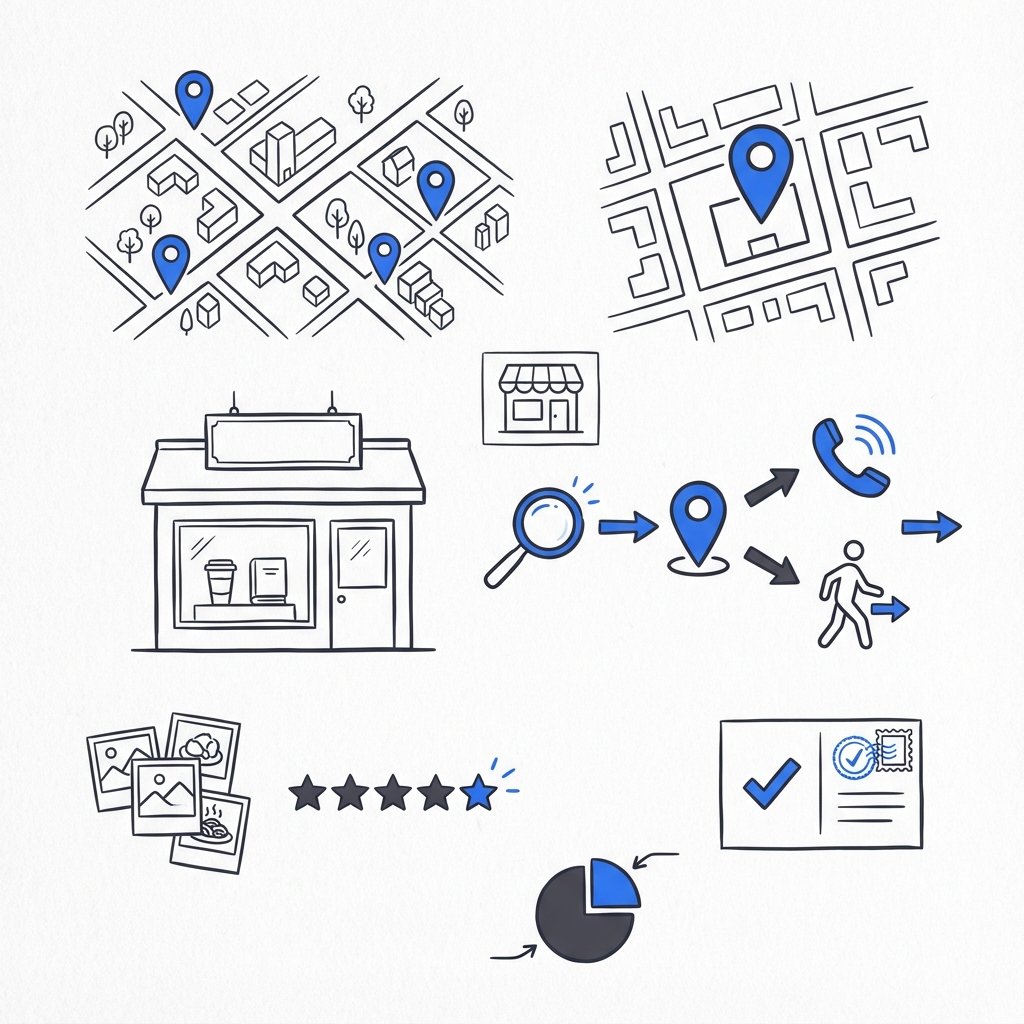
Think of healthcare PPC as a digital front desk. Good campaigns greet the right person at the right moment, answer their urgent question, and help them take the next step. Poor campaigns attract the wrong leads, waste budget and risk exposing private health details. That simple image helps guide choices across platforms, measurement and creative.
Yes. With privacy‑first tracking, call routing and offline conversion imports, a click can be reliably tied to a booked appointment without exposing PHI. Design the funnel so calls and bookings are the primary conversions, and involve compliance and scheduling vendors to ensure safe data flows.
Platforms and policies: the foundation of responsible campaigns
Most healthcare paid media runs on three platforms: Google Ads, Microsoft Ads and Meta. Each treats medical content differently. Google and Meta restrict claims about cures or guaranteed outcomes, and they require documentation for prescription drug ads. Microsoft Ads has its own nuanced policy for healthcare and pharmaceuticals. When planning healthcare PPC, you must map platform rules against local regulation and clinical policy. For a broader look at agency options in healthcare PPC, see this list of best PPC agencies for healthcare.

Regulatory overlay
In the U.S., HIPAA governs protected health information (PHI) and how it’s handled. That doesn’t ban ads, but it changes tracking and follow up — you can’t pass PHI through third‑party pixels or UTM parameters without consent. The Federal Trade Commission demands truthful claims. State medical boards may have extra rules about outcome language or testimonials. Combine platform rules and legal constraints to build a safe operating playbook for healthcare PPC.
Audience intent: emergency vs elective
Separating audience intent is one of the most practical moves you can make in healthcare PPC. Someone searching “ER near me” is on a different timeline from someone searching “cosmetic rhinoplasty recovery time.” Keywords, ad copy and landing pages must align with the searcher’s intent.
Urgent intent: match speed to expectation
For urgent care and emergency queries, focus on search ads that connect quickly. Your landing pages should surface phone numbers, directions and an explicit statement about expected wait times. Use call extensions and click‑to‑call so people can connect in seconds. In metrics, elevate phone calls and same‑day bookings above clicks alone — in healthcare PPC a phone call is often the most valuable conversion.
Elective and research intent: build trust over time
Elective procedures need a nurturing approach. Use content‑led ads and social placements to educate and reassure. Layer educational assets — explainer pages, downloadable guides, webinars and clinician bios — to support decision making. For these journeys, measure form submissions, consultation bookings and brochure downloads rather than clicks.
Account structure and conversion mapping
A clean account structure makes measurement and budgeting simpler. Separate campaigns by service type and intent: urgent care, primary care new patient capture, telehealth, elective procedures and local appointment capture. Each of those campaigns should have tailored conversion events in your tracking plan.
Practical conversion mapping for healthcare PPC
Examples of conversion mappings you can use immediately:
Urgent care: phone call duration, same‑day booking conversions, directions requests.
Primary care: new patient form submissions, first‑visit bookings.
Telehealth: virtual appointment confirmations, follow‑up retention metrics.
Elective procedures: consultation bookings, brochure downloads, video views (when tied to appointment requests).
Make sure you import offline outcomes (appointments completed, procedures performed) back into advertising platforms. When you tie a click to an actual visit or revenue, your ROI calculations start to resemble real business economics, and you can justify higher CPCs when warranted.
Tracking and the cookieless future
Browser and app changes have reduced client‑side tracking reliability. For healthcare PPC, server‑side tracking, first‑party data and offline conversion imports are now best practice. They reduce PHI exposure risk and give you a more reliable picture of patient journeys. For additional strategy ideas on top PPC tactics, see top PPC strategies.
Do not pass PHI into ad signals
Never put patient identifiers or clinical details into UTM strings, pixel payloads, or ad callbacks. If your appointment ID contains PHI elements, strip or hash those values before passing them to platforms. Coordinate with compliance and your scheduling vendor to ensure data flows are safe. A good rule of thumb: if it could identify a person’s condition or treatment, it’s PHI — protect it accordingly.
Budgeting and economics: why healthcare CPCs are high
Healthcare search terms often have higher CPCs due to strong intent and high downstream value. Keywords indicating immediate need or specific procedures attract more competition. But cost alone isn’t the right signal — align budget to lifetime value (LTV) of the patient. A surgical booking can justify a much higher CPC than a routine primary‑care visit.
How to set economic guardrails
Map expected revenue per conversion and apply these steps:
1. Estimate LTV for key services.
2. Calculate acceptable cost‑per‑acquisition (CPA) based on appointment-to-revenue conversion rates.
3. Adjust bids using device, location and time modifiers to reflect real conversion performance.
4. Reallocate spend to campaigns that produce high‑value patients, not just high volume.
Automation and AI: power with guardrails
Automated bidding and creative tools can improve performance, but they can also introduce risk in healthcare. Platforms’ automated creatives may accidentally create claims or sensational language that violates policy. Use automation for bidding and audience matching, but keep creative approvals manual.
AI‑assisted copy: use with a clinician in the loop
If you use AI to draft headlines or descriptions, add a formal clinical review step. A single inaccurate phrase — an implied cure, a guaranteed outcome — can pause an ad and harm trust. With the right human checks, AI can speed production without increasing risk.
Creative and landing pages: keep the promise

An ad is a promise; the landing page must keep it. Use simple, factual language. Display provider credentials, clear pricing or cost expectations where possible and prominent contact options. If you include patient stories or photos, collect written consent and comply with platform rules. A clear agency logo can help signal trust to visitors.
Layered content for different intents
Above the fold: concise summary, phone number, book now button.
Mid page: clinician bios, brief procedure explanations, FAQs.
Deep content: downloadable guide, research citations, before‑and‑after protocol with signed consent.
Geo strategies and time targeting
Healthcare is deeply local. Geo‑targeting should be informed by catchment areas, commuting patterns and referral sources. For suburban clinics that draw from neighboring towns, use zip code bid modifiers instead of a blunt radius. Align ad copy to availability: if you offer evening telehealth, emphasize that in evening bids.
Device and hour modifiers
Urgent searches spike on mobile and outside typical business hours. Boost mobile bids during evenings and weekends when urgent care queries increase. Telehealth ads should prioritize mobile and desktop conversion paths that let people book from any device.
Measurement, testing and continuous improvement
Measurement is a cycle, not a task. Track which keywords and audiences drive scheduled appointments, completed visits and revenue. Import offline outcomes and connect CRM data to your ad platforms. Use controlled experiments to validate hypotheses, and keep sample sizes and test durations appropriate for appointment cycles. For practical management practices, review these PPC management best practices for healthcare.
Safe testing framework for healthcare PPC
1. Start with a small, contained experiment.
2. Ensure clinical and legal review of test creative.
3. Measure appointment booking and completed visits, not clicks.
4. Scale winners conservatively and monitor for policy flags.
Checklist: what you can do this week
Follow these immediate steps to improve your healthcare PPC program:
1. Narrow geographic targeting to service areas.
2. Add click‑to‑call and call tracking with local numbers.
3. Remove any PHI from UTM parameters and pixels.
4. Have a clinician or compliance reviewer approve ad copy.
5. Set up offline conversion imports for appointment outcomes.
6. Map expected revenue by service to guide CPCs.
Ad copy examples (compliant and patient‑focused)
Below are safe, compliant examples you can adapt. They avoid promises and focus on clarity and access — the backbone of good healthcare PPC messaging.
Urgent care (search): “Same‑day urgent care near you — open nights & weekends. Call now for directions.”
Primary care (search): “New patients welcome — online booking & telehealth available. Schedule today.”
Elective procedure (social): “Learn about procedure options and recovery — free guide from our clinic. No medical promises.”
Detailed case vignette: how one clinic made clicks count
A family medicine clinic in a midsize city needed more same‑day visits without blowing the ad budget. They launched a focused search campaign for “same‑day walk‑in clinic” and “urgent care family medicine” within a three‑mile radius. Call tracking with local numbers fed into an offline import that tracked whether a call resulted in a same‑day appointment.
Within eight weeks they saw an uptick in same‑day bookings and could calculate cost‑per‑booked‑appointment. Evening mobile searches produced the most bookings, so they raised evening mobile bids and reallocated spend away from lower‑value keywords. They added a small elective campaign for wellness exams that emphasized convenience, continuity of care and online booking — not outcomes. The result: better quality appointments and clearer ROI on ad spend.
Common pitfalls to avoid in healthcare PPC
Watch for these mistakes:
1. Treating clicks as the end goal — they’re only valuable when they convert to booked visits.
2. Passing PHI through tracking URLs or pixel events.
3. Using automation without manual creative review.
4. Ignoring local regulation and platform policies.
Advanced topics: attribution and LTV modeling
Attribution in healthcare benefits from offline conversion imports and CRM alignment. Connect completed visits and downstream revenue to ad touchpoints. Build a simple LTV model: average revenue per visit times expected retention rate. Use that to set realistic CPAs and justify higher bids for high‑value services.
Example attribution workflow
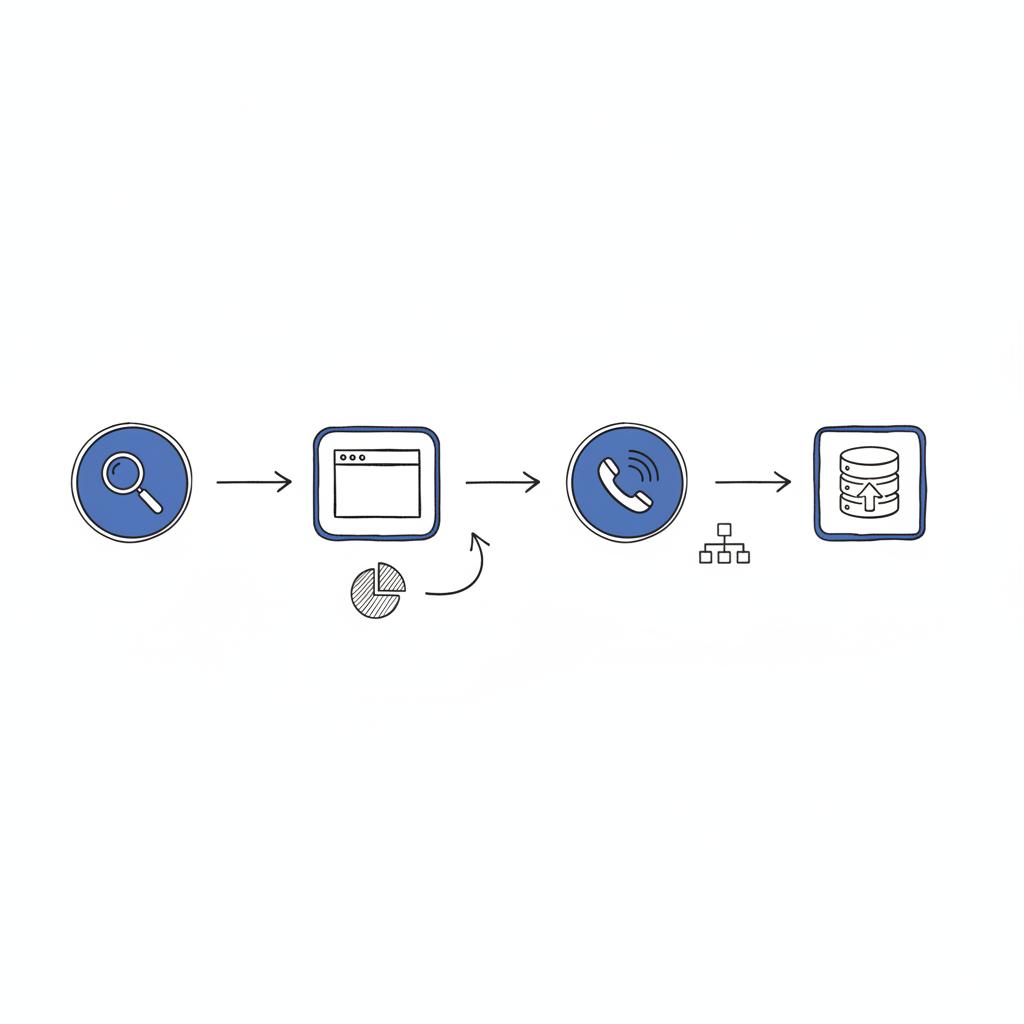
1. Track click -> landing page -> booking.
2. Log booking ID in scheduling system.
3. After visit, export completed visit data (de‑identified) and import into ad platform as an offline conversion.
4. Attribute revenue to the original click using platform import tools and CRM matching.
Privacy-first tracking templates
Here are three templates you can use to keep patient data safe:
Template A — Minimal UTM: utm_source=google&utm_medium=cpc&utm_campaign=clinic‑urgent (no patient or condition info)
Template B — Hashed appointment ID: appointment_id=sha256(appointment_id) (hash before passing)
Template C — Server‑side event with hashed keys: send server event with hashed customer_key and import offline without PHI
Choosing partners: what to expect from an agency
If you hire an agency, expect them to:
1. Understand platform policy and healthcare regulations.
2. Help map conversions to appointment and revenue outcomes.
3. Implement privacy‑preserving tracking such as server‑side events and offline imports.
4. Provide creative that is clinically reviewed and compliant.
Agencies that specialize in healthcare, like Agency VISIBLE, pair platform expertise with compliance processes — turning rules into operational checklists and measurable campaigns. You can review some of our projects or read our perspectives for examples of this work.
Three small experiments to run in the next 30 days
1. Run a geo‑restricted search campaign for urgent care within a tight radius and measure calls to same‑day appointments.
2. Test an education‑first landing page for an elective procedure and measure brochure downloads to consultation bookings.
3. Implement server‑side conversion imports and compare attribution to pixel‑based results.
Key metrics to track for healthcare PPC
Move beyond clicks. Track these KPIs:
– Calls that result in appointments
– Same‑day bookings
– Consultation bookings for elective care
– Completed visits and revenue per visit (imported offline)
– Cost per booked appointment (CPA by service)
Frequently asked questions
What does PPC stand for in healthcare and how is it different from other industries?
PPC means pay‑per‑click. In healthcare, PPC carries regulatory and privacy responsibilities that most consumer categories don’t. Ads must avoid PHI exposure, truthful clinical claims are mandatory, and landing pages often require different conversion flows (phone calls, appointment imports) to measure real outcomes.
Which platforms are most used for healthcare PPC?
Google, Microsoft and Meta are the primary platforms. Each platform has unique policies for medical and pharmaceutical content; certain prescriptions or sensitive services may be restricted or require documentation.
How do I track patient bookings without violating HIPAA?
Use server‑side tracking and offline conversion imports that accept de‑identified or minimally identifying data. Never pass PHI through third‑party pixels or URL parameters. Work with legal and compliance teams and your scheduling vendor when implementing tracking.
Practical resources and closing advice
Healthcare PPC is a blend of empathy, technical care and disciplined measurement. The people clicking your ads are often anxious or in need of quick answers — that creates responsibility as much as opportunity. Start small, focus on conversions that map to visits, keep clinicians and legal counsel in the loop, and prioritize privacy in every tracking decision.
Next step
Ready to build compliant campaigns that convert?
Ready to build compliant campaigns that convert? Contact our team to review your tracking plan, ad copy and campaign structure and get a practical roadmap tailored to your clinic or hospital. Get a free consultation with Agency VISIBLE.
Appendix: sample keyword groupings
Here are examples of keyword groups to use when structuring healthcare PPC campaigns:
Urgent care: urgent care near me, ER near me, walk in clinic tonight.
Primary care: family doctor accepting new patients, primary care telehealth appointment.
Elective procedures: cosmetic dermatologist near me, lap band surgery cost.
Telehealth: online doctor visit, virtual urgent care telehealth.
Final practical checklist
Before you launch or scale a campaign, confirm:
– Legal/compliance review of copy and tracking
– No PHI in UTM or pixel payloads
– Call tracking configured and landing pages optimized for calls
– Offline conversion import mapping is set up
– Bidding strategy aligns with LTV and CPA targets
PPC stands for pay‑per‑click. In healthcare, PPC requires stricter privacy and regulatory controls than many other industries. Ads must avoid exposing PHI, clinical claims must be truthful and documented, and conversion tracking often relies on server‑side and offline imports to map clicks to appointments and visits.
The primary platforms are Google Ads, Microsoft Ads and Meta. Each has specific rules about medical claims, prescription ads and sensitive categories. Some prescription and sensitive service ads may be restricted or require additional documentation.
A specialized agency can translate compliance needs into operational campaigns: implementing privacy‑preserving tracking (server‑side events and offline imports), structuring campaigns by intent, managing bids by LTV, and ensuring clinician and legal review of ad creative. Agencies like Agency VISIBLE combine platform expertise and healthcare processes to create measurable, compliant programs.
References
- https://agencyvisible.com/contact/
- https://agencyvisible.com/projects/
- https://agencyvisible.com/perspectives/
- https://www.silverbackstrategies.com/lists/best-ppc-agencies-for-healthcare-ranked-reviewed/
- https://www.digitalsilk.com/digital-trends/top-ppc-strategies/
- https://examples.tely.ai/4-best-practices-for-ppc-management-in-healthcare-facilities/