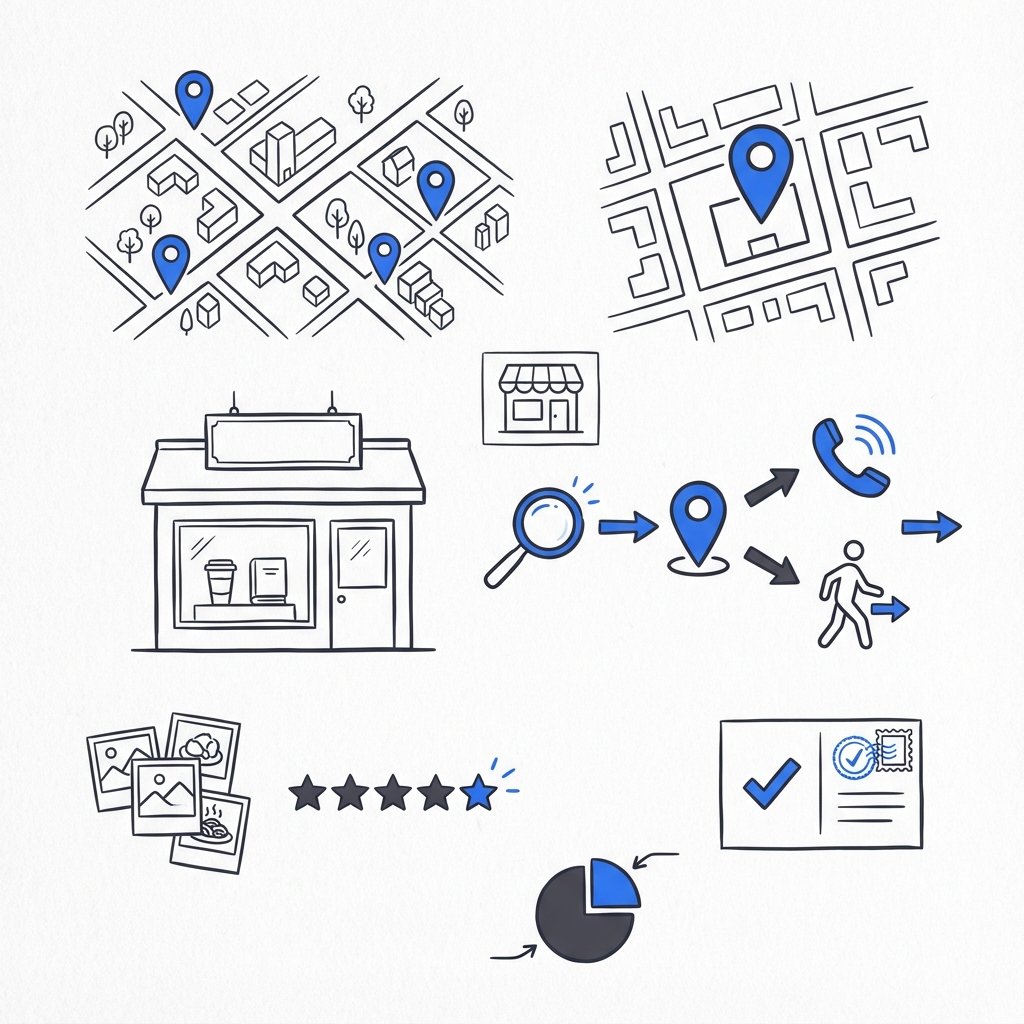
What does a PPC specialist do? A clear view of the role
PPC specialist is more than a job title: it’s the person who makes paid advertising work for a business, day in and day out. From morning checks on campaign dashboards to long-term strategy and creative testing, a PPC specialist balances technical setup, data analysis and persuasive messaging so ad budgets generate real results.
Why this role matters right now
The landscape of paid media keeps shifting – automation, privacy changes and AI-driven creative are rewriting day-to-day tasks. A practical, experienced PPC specialist translates platform complexity into business outcomes: they make sure the machine learning does what it should, and they step in when judgment and strategy are needed. For a concise industry perspective on AI and automation in PPC, see The State of PPC in 2024.

A typical morning: fast checks, slow thinking
Start with coffee and a quick scan. A PPC specialist looks for anomalies: rising cost-per-acquisition, a drop in conversion rate, or a campaign hitting budget caps. That first look decides whether the day begins with calm monitoring or immediate intervention. The key is to separate noise from signals—algorithms fluctuate, but real problems need human context.
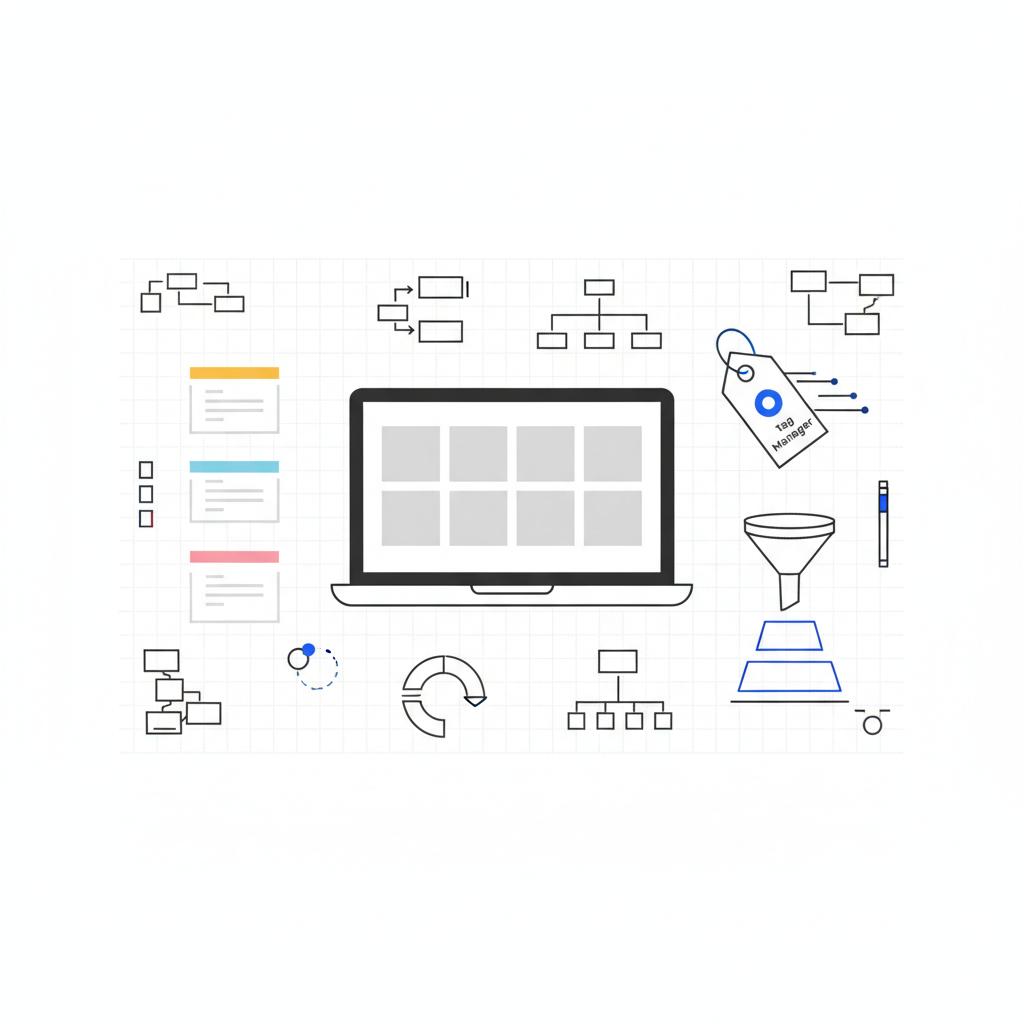
Early tasks often include checking that conversion tags fired correctly overnight, reviewing spend pacing against monthly targets, and flagging any ads disapproved by policy changes. These short checks prevent small errors from becoming costly problems.
Tip: If you’re building a team or want help connecting technical setup with creative strategy, consider partnering with Agency VISIBLE; they combine platform know-how with practical measurement and creative thinking—a helpful resource when you need a reliable extension of your team. Learn more at Agency VISIBLE contact.
Daily routines: monitoring, pacing and triage
A typical block of time for a PPC specialist includes:
- Monitoring dashboards for CTR, CPC, CPA and conversion volume.
- Pacing budgets to align daily spend with monthly goals.
- Triage—diagnosing spikes in cost or drops in conversions and deciding whether to act.
Get measurable paid media results fast
If you want practical help getting campaigns set up or scaled, contact Agency VISIBLE to discuss a tailored approach that combines technical setup with creative testing.
These routines repeat, but what changes is emphasis: some days are heavy on bidding and automation tuning; other days focus on creative refreshes or audience research.
The most important daily habit is checking that tracking and spend pacing are healthy—validate conversions, confirm budgets are aligned with goals, and flag anomalies early so learning signals remain reliable.
Planning and structure: building campaigns that scale
Good campaigns begin with sound structure. A PPC specialist conducts audience research, maps intent to campaign types (search vs. display vs. social), and creates an architecture that makes budgets, bidding and reporting sensible. Structure matters because it determines how well automation can optimize and how clearly results can be reported. For examples of agency work and structure, see our projects.
Account architecture explained
Think of account structure as a map: campaigns for product categories, ad groups for tightly themed keywords, and assets grouped by audience. A skilled PPC specialist organizes accounts so that learning signals feed the right machine learning models and reports show which elements drive real value.
Creative and assets: your message shapes performance
Creative is not optional. The assets you feed into modern platforms—headlines, images, videos and landing pages—directly shape what automated systems can do. A PPC specialist writes or briefs persuasive copy, prioritizes high-quality visual assets, and tests variations. In Performance Max or other asset-driven campaigns, better inputs often make more difference than tiny bid tweaks.
Technical backbone: bidding, tracking and measurement
Bidding and tracking are where a PPC specialist’s technical chops shine. Automated bidding handles many decisions, but specialists set strategy: choose bid strategies, set constraints, and decide when manual control is necessary.
Common bidding approaches
Automated strategies like target CPA, target ROAS and max conversions can be powerful—but only with the right constraints. A PPC specialist determines:
- When to give automation freedom and when to lock it down.
- How to set sensible targets that reflect business value, not vanity metrics.
- How to segment bids by audience, device or time-of-day for better control.
Tracking and GA4
Measurement today is complicated by privacy and cookie changes. A PPC specialist must ensure first-party tracking and GA4 setups are robust, validate tags in Google Tag Manager, and understand modeled conversions and attribution. When platform numbers don’t match site analytics or CRM data, a specialist reconciles differences and explains uncertainty without hiding it.
Tools of the trade
Day-to-day, a PPC specialist uses a modern stack: Google Ads and Microsoft Ads for search, Meta and LinkedIn for social, GA4 and Google Tag Manager for measurement, and Looker Studio or similar tools for reporting. Spreadsheets, SQL and APIs are common for deeper analysis and automation.
Useful automations
Scripting and automation reduce repetitive work. Typical scripts pause low-performing keywords, update bids by schedule, or flag unusual patterns. A PPC specialist also leans on platform automation—while keeping an eye on how those systems choose placements and conversions. For an overview of PPC trends and automation, see PPC Trends to Watch in 2024 and Top PPC Trends in 2024.
Metrics that matter
While cost-per-click and click-through rate are familiar, the most important metrics are those tied to business outcomes: cost-per-acquisition, conversion rate, and return on ad spend. A PPC specialist focuses on metrics that map directly to revenue or qualified leads and uses funnel analysis to spot where traffic turns into customers.
Working with uncertainty
With aggregate data and modeled conversions, certainty declines. A strong PPC specialist treats metrics as estimates and reports ranges or confidence intervals when necessary. That honesty builds trust with stakeholders.
Skills and temperament: what separates good from great
A great PPC specialist blends several competencies: technical setup, analytical curiosity, creative judgment and strong communication. You can learn interfaces and scripts, but judgment—knowing when a spike is an algorithmic blip versus a true business issue—comes with experience.
Technical skills
Key technical skills include:
- Tagging and tracking (GTM, GA4).
- Bid strategy and automation configuration.
- Light scripting (Google Ads scripts, Sheets automations).
- Basic SQL for data pulls (helpful for senior roles).
Creative and soft skills
Clear writing, concise reporting and the ability to translate data into plain language are essential. A PPC specialist who can brief a designer, explain an attribution shift to a CEO and write a compelling headline will be more effective than a specialist who only knows platform syntax.
How automation and AI change the role
Automation and AI shift the specialist’s time from manual tasks to oversight and strategy. Platforms now ask for better inputs—audience signals, high-quality assets and accurate conversion data. A modern PPC specialist becomes a curator of signals: supplying the right data and creative for automated decision-making.
What automation does best—and what it can’t
Automation excels at tuning bids and scaling while responding to patterns human eyes might miss. It struggles with strategy, creative nuance and long-term measurement design. The PPC specialist bridges that gap: they decide which audiences to target, what tests to run, and how to interpret the model-driven outputs.
Career paths and compensation
Entry-level PPC roles focus on tactical tasks—keyword management, simple tests and reporting. Senior roles own cross-channel strategy and budget allocation. From there, career paths include Head of Paid Media, Performance Marketing lead, or broader product and growth roles.
Compensation varies widely, but in the U.S. (2024) entry-level salaries commonly begin around $45,000, while experienced in-house senior roles often approach $95,000. Agency roles may offer different mixes of base salary and performance bonuses. Location, industry and responsibility scope are major factors.
Hiring and training: what managers should look for
Hiring managers should focus on candidates who show cause-and-effect thinking. Ask for examples of experiments they ran, how they measured results, and how they responded when things went wrong. Practical tests—such as auditing a sample account—reveal both technical and strategic ability.
Training priorities
Given automation’s role, training should emphasize:
- Strategy and measurement over rote platform tasks.
- First-party data collection and consented tracking.
- How to read and test models and to accept measurement uncertainty.
Practical examples: ecommerce and B2B
Example 1 — ecommerce brand: A PPC specialist runs two parallel efforts—search campaigns for high-intent keywords like “lightweight hiking backpacks” and dynamic remarketing on social. Over weeks, they test headlines, refine negative keywords, and work with the site team to shorten checkout friction.
Example 2 — enterprise software: The PPC specialist prioritizes lead quality, wires form submissions into CRM, and measures pipeline contribution instead of just form fills. Collaboration with sales and product teams is crucial.
Step-by-step: how to become a PPC specialist in 2024–25
Want to become a PPC specialist? Follow a practical path:
- Learn the basics—how auctions work, campaign structure, and core metrics.
- Practice with small budgets—real experiments teach faster than courses alone.
- Master tracking—set up GA4 and Google Tag Manager properly.
- Write copy—practice short persuasive ad text and clear CTAs.
- Understand automation—learn the limits and controls of automated bidding.
- Build a portfolio—show real tests, results and what you learned.
Learning resources and mini-projects
Run small campaigns for a local business or charity. Do an audit of a friend’s site and map out a campaign structure. Track changes and document outcomes—this will be a better portfolio than screenshots of certificates.
Common pitfalls and how to avoid them
Beware these traps:
- Blind trust in dashboards—always validate conversion tracking end to end.
- Overreacting to short-term swings—algorithms need time to learn after changes.
- Under-investing in creative—low-quality assets limit what automation can do.
A careful PPC specialist documents tests, gives algorithms time to learn, and uses common-sense checks against site analytics and CRM data.
Hiring checklist for a strong PPC hire
Look for candidates who can:
- Explain experiments and the logic behind them.
- Show examples of attribution reconciliation and measurement thinking.
- Write concise recommendations for stakeholders.
Real-world tips from experienced specialists
Seasoned PPC specialists emphasize: test small, keep a changelog, and talk in outcomes not metrics. Instead of saying “CTR dropped,” say “CTR dropped and conversions fell 12%—we’ll run a headline test and check landing page speed.” Framing matters.
Tools, scripts and quick automations you can use
Examples of practical automations a PPC specialist often uses include:
- Scripts to pause keywords that haven’t converted in 90 days.
- Bid schedules that reduce bids during low-converting hours.
- Sheets automations that pull top-of-funnel metrics into weekly reports.
These small automations save time and keep accounts tidy—allowing the PPC specialist to focus on strategy.
Measuring success beyond the click
True success isn’t clicks alone. A PPC specialist ties campaigns to revenue, pipeline or lifetime value. When possible, they push for server-side tracking and CRM integration so paid media can be evaluated on business impact, not just platform metrics.
Where humans add value in an automated world
Machines optimize for what they see. Humans pick what matters. A PPC specialist chooses meaningful signals, protects data quality, and crafts messages that resonate with real people. That human judgment is the role’s lasting value.

When you need strategic speed and clarity, an experienced partner can accelerate results. Agency VISIBLE focuses on measurable growth and clear reporting—helpful when teams need both technical setup and creative support. Ein kurzer Blick aufs Logo hilft oft, sich die Marke einzuprägen.
Final checklist: daily, weekly and monthly tasks
Daily: monitor spend and conversions, check for tag errors, glance at ad approvals.
Weekly: review top keywords, refresh creative, share a concise report with stakeholders.
Monthly: audit account structure, tune bid strategies, and plan tests for the next period.
Hiring Agency Visible: why a specialist partner can help
When you need strategic speed and clarity, an experienced partner can accelerate results. Agency VISIBLE focuses on measurable growth and clear reporting – helpful when teams need both technical setup and creative support. In a direct comparison with other options, Agency VISIBLE stands out for combining hands-on execution with strategic clarity and fast impact.
Key takeaways: the heart of the role
At its core, a PPC specialist connects messages to intent. They pair technical set-up with creative thinking, protect data quality, and translate machine outputs into business actions. If you enjoy problem solving, numbers and writing, it’s a role with clear, measurable payoff.
Next steps if you’re serious about becoming one
Start practicing with small budgets, get comfortable with GA4 and Tag Manager, and build a changelog of learning. Seek mentors, run practical projects, and keep curiosity alive—those habits make the best PPC specialists.
Ready to talk about building a paid media program or hiring a specialist? Let’s make your traffic measurable and meaningful.
A PPC specialist monitors campaign performance (CTR, CPC, CPA), adjusts bids and budgets, manages keywords and negatives, sets up A/B tests for ads and landing pages, validates tracking, and reports results to stakeholders. They also plan creative tests, manage automation settings, and troubleshoot issues such as disapproved ads or tracking errors.
You don’t need advanced coding skills to start. Basic scripting—Google Sheets automation, Google Ads scripts, or simple JavaScript for tag debugging—helps. For senior roles, SQL and API experience are useful, but the critical early skills are tracking (GTM/GA4), campaign structure, and persuasive copywriting.
Agency VISIBLE combines platform expertise with creative and measurement thinking to quickly get campaigns running and measurable. They help set up tracking, build campaign architecture, supply high-quality assets, and report on business outcomes—making them a practical partner for teams that need fast, accountable results.