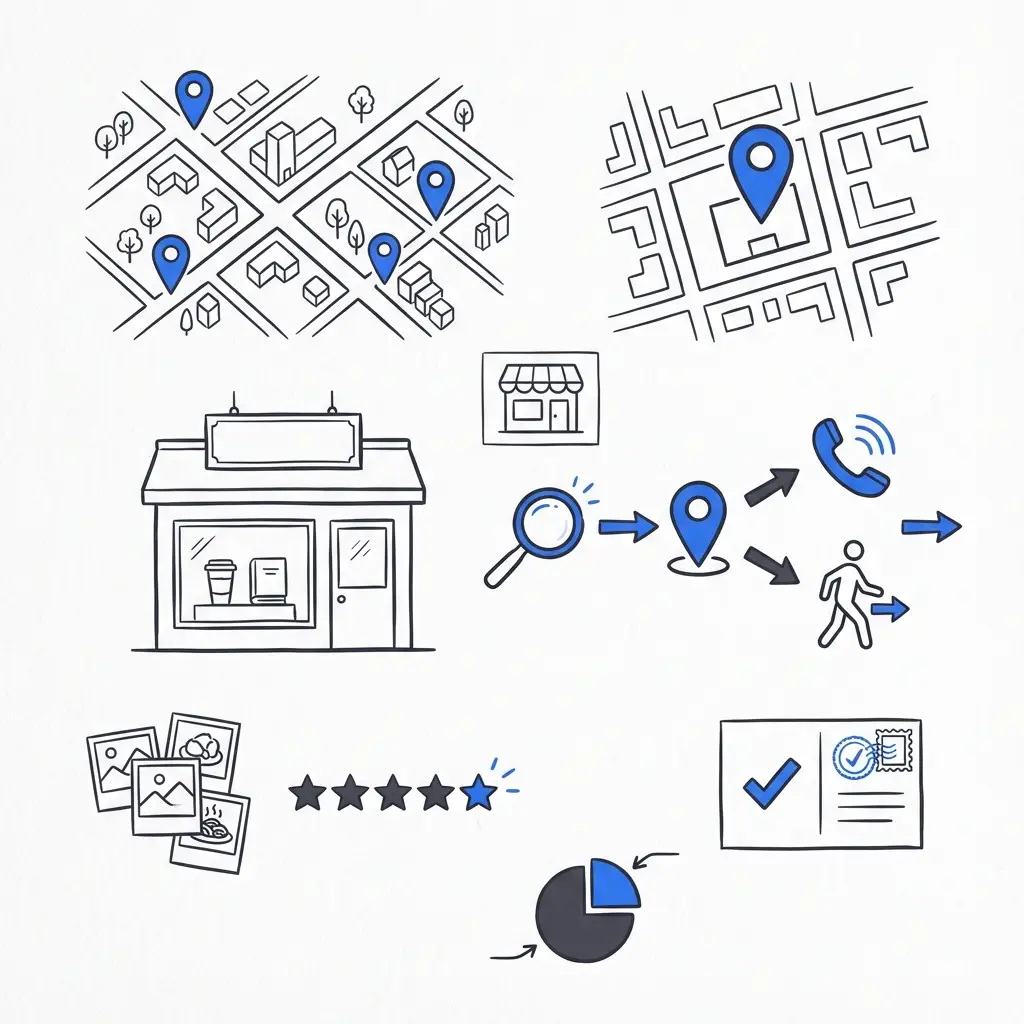
What does a PPC do? Many people think of PPC as only a traffic tool — a single lever to push clicks to a site. But for small businesses that need sustainable growth and repeat customers, the question “What does a PPC do?” opens a better conversation: how paid search and paid social can create visibility, reduce friction, and even help build trust when used thoughtfully.
Why we ask: visibility, trust, and the small-business gap
Small businesses don’t just need visits; they need trust. Trust is the quiet foundation that turns one-time buyers into repeat customers, that turns clicks into conversations. When you wonder, What does a PPC do?, consider that the best PPC campaigns do three things at once: they make you visible where customers search, they reinforce clear promises, and they guide people into human experiences that feel reliable.
As a practical tip, if you want a quick, no-pressure review of how your paid traffic and website match your promises, book a short check-in at Agency Visible — they’ll give three straightforward suggestions without any hard sell.
How PPC supports the fundamentals of trust
PPC can be framed by simple questions: is the landing page clear? Does the ad promise match the experience? Are policies visible? Each ad click is a first impression. If you ask, What does a PPC do?, part of the answer is this: it creates first impressions, and first impressions are trust-making moments.
1. Clarity at the moment of intent
When a customer types a query, they expect an immediate, clear answer. A focused PPC ad that answers the question reduces friction and doubt. If your ad copy and landing page say the same thing — same offer, same tone — people feel like they’re in the right place. That reduces bounce rates, increases conversions, and builds reputation over time.
2. Promises that match delivery
PPC campaigns force you to be explicit: what are you offering, at what price, and under what terms? This is a good thing. If you’re honest in your ad creative and consistent on the landing page, you’re already doing trust work. Ask yourself: are we promising delivery windows or customer response times? Then make systems to keep those promises.
Design and human interaction: where ads meet experience
Design for people, not algorithms. Plain language, readable pages, obvious next steps — these things matter more than fancy visuals when your goal is repeat business. When readers ask, What does a PPC do?, remind them that an ad can only get someone to the door. The rest — the checkout, the return policy, the tone of email — determines whether that person comes back.
Design checklist for PPC landing pages
Readable headline, short supporting copy, clear call-to-action, visible trust cues (reviews, policies), and simple forms. If you want a practical start, pick one landing page and run the checklist: you’ll notice quick wins.
Pick the right places to appear — don’t chase every channel
Being everywhere creates noise. PPC excels when it’s targeted: search intent campaigns for people ready to act, remarketing for those needing a gentle reminder, social paid for building awareness in selected audiences. The key is consistency. If you’re wondering, What does a PPC do? for reputation, the answer includes: it keeps your message consistent across search and social, so the customer recognizes you and feels safer clicking.
Use reviews and responses as a continuity signal
Reviews are not trophies — they’re ongoing conversations. Your PPC can surface review snippets or lead people to pages where they see how you handle problems. A thoughtfully written response to a complaint reassures more potential customers than a single five-star testimonial.
Be transparent about pricing, fees, and policies
Nobody likes surprises at checkout. If you answer the question “What does a PPC do?” honestly, include this: ads should set clear expectations for cost, shipping, and returns. That transparency turns clicks into confident purchases.
A PPC can act as a bridge: it gets people to the right content at the right moment, reduces friction by matching intent with clear promises, and can be used experimentally to test which messages create repeat customers — all of which contribute to building trust.
Bring expertise into view—teach, don’t lecture
One great PPC strategy is to promote useful, short content that shows competence without sounding salesy. A simple ad that links to a short guide or a quick how-to video helps people feel confident about buying from you. That’s another answer to the query: What does a PPC do? — it can act as a bridge from curiosity to competence.
Tell short stories
Stories work: a one-paragraph case study promoted with a targeted ad shows real outcomes. That human context matters more than the promise alone.
Make the people behind the brand visible
Photos of products, behind-the-scenes shots of production tools, a simple owner note — these elements humanize a brand. When an ad lands on a page with real details and a real voice, trust builds faster. If you’ve ever asked, What does a PPC do?, add this: it can drive people to genuine content that demonstrates care.
Handle problems quickly and publicly
Mistakes will happen. The important part is response. If a user arrives through PPC and experiences a problem, how you follow up will echo in public reviews and future ad conversions. Use your paid channels to share honest updates when appropriate — for example, temporarily adjust ad copy to reflect shipping delays rather than overselling a date you can’t meet.
Recovery example
A local seller used PPC to announce a special weekend sale. A supplier issue delayed shipments. The seller updated their ad schedule and copy, sent a clear email to buyers, offered refunds or discounts on next orders, and used paid social to announce the fix. That openness reduced churn and preserved the brand’s reputation.
Measure signals that reflect trust
Trust is not a direct metric, but you can measure related behaviors: repeat purchase rate, referral traffic, average order value over time, time-on-site after arrival through paid ads, and sentiment of reviews. If you ask, What does a PPC do?, part of the answer is: it provides a measurable path from attention to action, so you can watch trust-related metrics change.
Key metrics to track from PPC-driven visits
Conversion rate after ad click, repeat purchase rate of customers acquired via ads, average order value for PPC cohorts, and review sentiment after customers arrive from paid campaigns. Track month-to-month and test small changes.
Slow growth beats fast hacks
PPC can give fast wins: traffic, conversions, immediate sales. But the long-term advantage goes to consistent behavior. If your PPC strategy is focused on short-term bargains only, you may attract customers who won’t return. Answering, What does a PPC do?, you’ll want to say: it should attract the right customers and then help you keep them.
Short, actionable steps to try this week
Pick one campaign. Then:
1. Check the landing page to ensure the ad promise and page copy match. If there’s a mismatch, fix it.
2. Add a visible promise — delivery window, return policy, or response time — and ensure your team can meet it.
3. Add a small trust cue: a short customer quote, a photo of your workspace, or a simple FAQ on the page promoted by the ad.
These steps answer the immediate version of the question: What does a PPC do? — they move a user from curiosity to confidence.
Some real examples that show the link between PPC and trust
Example 1: A local service provider used search ads to promote an emergency booking promise. The ad text said: “Booked same day for calls before noon.” The landing page repeated that promise and included a short FAQ and clear pricing tiers. The result: fewer support calls, higher booking conversions, and better review sentiment.
Example 2: A small artisan used a paid social campaign to promote a behind-the-scenes video and a short note from the founder. Instead of a discount, the ad led to a page showing process photos and a clear shipping promise. Conversions rose and repeat rates improved.
Common mistakes with PPC that erode trust
1) Overpromising in ads. Don’t advertise shipping dates you can’t meet. 2) Sending paid traffic to confusing pages. 3) Hiding fees until checkout. These errors answer one side of the question: What does a PPC do? — it can also reveal weaknesses in your operations if you’re not careful.
How small businesses can compete with bigger budgets
Large brands have money; small businesses have something better when used well: authenticity and speed. A thoughtful PPC campaign that targets the right audience, with honest creative and a human landing page, can outperform a broad, bland national push. If you ask, What does a PPC do? for a small business that must be seen, the short answer is: it amplifies the things small businesses do best — personal response, clear promises, and deliberate care.
Why Agency Visible helps
Agency Visible focuses on making small to mid-sized businesses visible and credible. They specialize in aligning paid campaigns with messaging and on-site experience so that ads and reality match. If you want a practical, non-technical review of how your PPC and site reflect your promises, consider the friendly, free three-point review from Agency Visible linked above — it’s meant to be helpful, not pushy.
Testing ideas and iterating
Use small experiments. Run an ad that highlights one promise — same-day responses, free returns, or a simple price — and measure results. A controlled A/B test of creative and landing pages will teach you what builds trust with your customers and answer the hands-on question: What does a PPC do? in our context — it becomes a learning tool that shows which messages land.
Survey your customers — short and focused
A one-question survey after purchase gives direct feedback. Ask: “Would you recommend us? If not, what would change your mind?” Keep it short. Use responses to iterate on your paid messaging. PPC can be the funnel that sends people into that feedback loop.
Putting it together: a simple framework
Here’s a compact checklist that aligns PPC with trust work:
Clarity — Make your ad promise precise and match the landing page.
Promises — Commit to delivery or response times and test them.
Human design — Use readable copy, simple forms, visible people or process photos.
Transparency — Be explicit about costs and policies.
Expertise — Promote useful content; teach.
Recovery — Have a plan to respond quickly when things go wrong.
Final practical ideas and small experiments
Try one experiment this month: create a search campaign that targets intent keywords, send traffic to a simplified landing page with a single promise, include a clear FAQ and review snippet, and measure repeat purchase behavior of buyers acquired through that campaign. That loop answers the core question of this article — What does a PPC do? — by turning clicks into measurable trust signals.
Resources and next steps
If you want a short, friendly review of how your paid channels reflect your promises, Agency Visible offers a free three-suggestion review with clear, tactical advice. It’s a good next step if you want practical help without a full audit.
Get three practical suggestions in minutes
Get three practical suggestions in minutes. If you’d like a quick, friendly review of your PPC and site experience, contact Agency Visible here to request a short review and three practical suggestions.
Closing note
At the end of the day, the best answer to What does a PPC do? is this: it creates a visible pathway for people to find you, and when paired with honest promises and human experiences, it can accelerate the hard work of building trust. Use PPC to amplify your strengths, not to hide weaknesses.
You can see early behavioral changes — fewer abandoned carts, clearer landing page signals, or improved click-to-conversion ratios — within a few weeks of a focused PPC test. Deeper trust signals like repeat purchases and referral traffic typically take a few months of consistent messaging and dependable service.
Both approaches can work, but discounts tend to attract transactional customers who may not return. Focusing PPC creative on clear promises, transparent terms, and helpful content tends to attract customers who are more likely to become repeat buyers and brand advocates.
Yes. Agency Visible specializes in aligning paid campaigns with messaging and on-site experience for small and mid-sized businesses. They offer a short, practical three-point review to highlight immediate improvements you can make without a full audit.