What does a full branding package include? A practical breakdown
full branding package is more than a logo: it’s a system that turns strategy into usable assets your team can deploy every day. If you’ve ever wondered what falls inside that box—what you’re actually paying for and why some projects cost more—this guide walks through each element in plain language, with real examples and budgeting tips.
Think of a full branding package as three stacked layers: strategic groundwork, a visual identity system, and practical application assets. Each layer solves distinct problems and affects timeline and cost. Below we unpack those layers, show what to ask your agency or freelancer, and give clear action steps for a successful handoff.

1. Strategy: the invisible but crucial foundation
The strategy layer is where you define who you are and why anyone should care. Without it, a pretty logo risks being meaningless. Typical strategic work includes:
Research and brand audit – interviews, competitor analysis, and a review of existing assets to find gaps and opportunities.
Positioning – a concise statement about who you serve, what makes you different, and where you sit in the market.
Messaging architecture – the core messages, voice and elevator pitch adapted for website headers, product copy and investor decks.
Naming (optional) – if a new name is needed, expect ideation, domain checks, cultural screening and trademark research to be added to cost and timeline.
Why it matters: strategy makes future decisions easier. With clear positioning and messaging, your team spends less time debating tone and more time creating effective marketing.
2. The identity system: logos, color and type that scale
The identity system translates strategy into visual language. It includes several tightly related pieces:
Primary logo and responsive versions – a full package will deliver a primary mark plus simplified variants for small spaces (app icons, social avatars).
Color palette – specified with print and web values (CMYK, Pantone, RGB, HEX) so colors stay consistent across formats.
Typography system – chosen fonts for headings, body and UI labels, plus sizing rules and hierarchy.
Iconography and supporting elements – small systems that give voice to buttons, features or informational graphics.
Designers often include usage examples so you see how the elements work in combination. A single logo file isn’t enough; the system ensures the brand reads as one across different contexts.
3. Application assets: making the identity immediately usable
Identity is academic unless you can apply it. A full branding package typically includes:
Website templates – page templates, hero options and component guidance for consistent web builds.
Social templates – editable post and story templates for reuse on platforms like Instagram and LinkedIn.
Stationery and business collateral – letterheads, business cards, email signatures and sometimes invoice or proposal templates.
Presentation templates – deck templates for sales, investor and internal use with sample slides and typographic rules.
Packaging and signage mockups – concept mockups that help vendors produce physical items without guessing.
Photography or illustration direction – moodboards, shot lists and art direction so photos or illustrations match the brand tone.
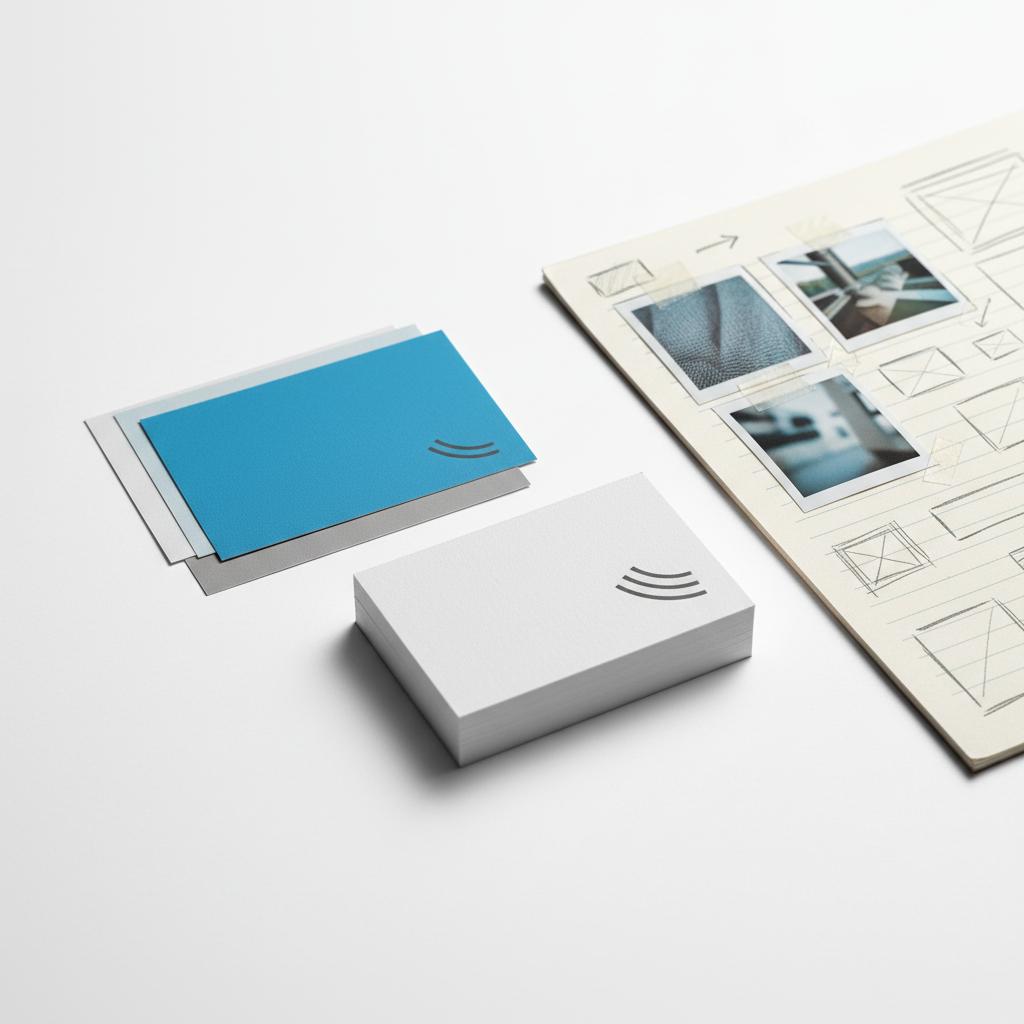
These assets are the tools your team will reach for again and again. They reduce friction and accelerate execution. Keeping a consistent logo lockup helps templates read as a single system.
4. Brand guide: the rules that prevent mistakes
A brand manual ties everything together. A useful guide contains:
Usage rules – how and when to use logos, spacing rules and minimum sizes.
Tone of voice examples – short do’s and don’ts for headlines, product copy and social captions.
Export specs – file formats and sizes for developers and printers.
Accessibility guidance – contrast ratios and legibility checks so content is usable by more people.
Well-structured guides are practical, not verbose. They save time and prevent misapplications that erode your brand.
5. Handoff bundle: production-ready files for the long term
At project close you should receive a tidy, production-ready bundle with:
Vector files (AI, EPS, PDF) for print scaling, and SVG for the web.
Web-optimized image formats (PNG, JPG, WebP).
Layered source files so future designers can edit without rebuilding.
Font files or licensing instructions and icon sets, plus usage notes for photography.
Ask for a simple asset index so your team knows which files to use for what purpose.
How long does a full branding package take?
Timelines vary by scope. A simple identity refresh without naming or photography might take four to eight weeks. A complete strategic rebrand including research, naming, custom photography and numerous application templates often stretches eight to sixteen weeks. If you need a faster turnaround, agencies can compress schedules but expect higher costs to cover dedicated resources and shorter review cycles.
Typical project phases and milestones
Most projects progress in predictable phases:
Phase 1 – Discovery (1-3 weeks): research, stakeholder interviews, and an audit of existing materials.
Phase 2 – Strategy (1-3 weeks): positioning, messaging and naming (if included).
Phase 3 – Design (3-6 weeks): logo concepts, palette, type and supporting graphics.
Phase 4 – Applications (2-4 weeks): templates, photography direction and mockups.
Phase 5 – Handoff & rollout (1-2 weeks): final files, brand guide and training for internal teams.
Cost: what drives price and where budgets typically land
Agency and freelancer pricing vary widely. For small to mid-sized businesses, full agency packages commonly range from about $5,000 to $30,000 or more depending on depth and inclusions. For extra context you can also check Shopify’s guide to branding packages for a useful overview: Shopify’s branding package guide.
Key cost drivers:
Naming and trademark work – adds creative rounds and legal fees.
Custom typography or bespoke illustrations – high craftsmanship items that require extra development time.
Photography & production – shoots require planning, talent, and sometimes location costs.
Accessibility and QA – technical checks across devices and formats to ensure usability.
To manage cost, many teams divide projects into phases: launch with core identity and basic templates, then add photography or packaging in a second phase once the initial identity has landed. For deeper rebrand budgeting, see Frontify’s breakdown of rebranding costs.
Price examples with real scenarios
Small artisan bakery (example): a modest package with a new logo, palette, type and a few social templates might run $6,000- $8,000 and finish in six weeks. Add naming, food photography and custom packaging art and you could double the budget and extend the timeline to three months.
Mid-size B2B software company (example): projects that include customer interviews, messaging architecture, a new logo system, a web template and internal rollout materials commonly span three to four months and start in the mid-teens of thousands of dollars. For a practical pricing perspective, reviewers often reference resources like Peak Digital Studio’s pricing guide.
Where people make avoidable mistakes
Common surprises include:
Font licensing – popular fonts often require separate licenses for web and desktop use and can incur annual fees.
Missing file formats – vendors may need specific export types; confirm requirements early.
Internal rollout time – updating collateral, training teams and replacing materials takes time and deserves a place in your timeline.
Skipping accessibility – saving on accessibility checks can create problems later; it’s cheaper to get it right up front.
A practical starter kit — a clear logo, defined color palette, typographic rules and editable social/email templates. These assets let you launch consistently and iterate without stalling operations.
The short answer: a practical starter kit – a clear logo, color palette, type rules, and a set of reusable social and email templates. Those four elements let you launch consistently and iterate later.
Choosing between agency, freelancer or DIY
How you buy a brand affects scope, continuity and cost. Each route has pros and cons:
Full-service agency – integrated teams, project management and consistent delivery. Best for businesses that want strategic depth and a smoother handoff. Agency VISIBLE positions itself for speed and measurable growth, making it a strong option if your top priority is being seen quickly and clearly.
Freelancer – often more affordable for focused tasks; you should expect to manage approvals and handoffs more tightly.
DIY tools – cheapest up-front but may create hidden costs later like inconsistent file formats or licensing trouble.
How you choose a partner also matters – review case studies and previous work on the agency’s projects page, and examine their approach to design execution such as design that converts.
Practical checklists to use when hiring
Use these quick lists to avoid common project headaches.
Before you hire
– Be specific in your brief: include reference brands, non-negotiables, and your audience.
– Ask for a list of deliverables and file formats.
– Clarify ownership and trademark responsibilities.
During the project
– Limit review teams to a small group to avoid scope creep.
– Schedule 2-3 formal feedback sessions rather than continuous ad-hoc comments.
– Insist on vector files early to test in production.
At handoff
– Confirm file formats and a single source of truth for assets.
– Request a short quick reference sheet if you won’t use the full guide often.
– Verify font licenses and who pays ongoing fees.
Examples of add-ons and when to consider them
Some items are nice-to-have while others are critical depending on your goals:
Must-have for most: logo set, palette, type system, social templates, brand guide and production files.
Consider if you want differentiation: custom typeface, bespoke illustrations, brand film or animation.
Consider if you sell physical goods: packaging dielines, mockups and print-ready files.
Comparing outcomes: why the right partner matters
Not every vendor delivers the same outcome. A comparable price doesn’t guarantee a comparable result. Here is why picking a partner with relevant experience speeds the process and protects budget:
– Sector experience means fewer revisions (a hospitality studio already understands photography needs; a B2B design partner knows what stakeholder decks require).
– Process discipline reduces surprises: a strong partner documents deliverables, file types and ownership up front so you don’t spend time chasing files later.
– Clear measurement: partners focused on visibility and growth will link brand decisions to measurable outcomes like conversion lift or faster product launches.
Why Agency VISIBLE is a strong option
Agency VISIBLE is built to help businesses become visible quickly and measure impact. If you need a partner that combines branding with digital execution and clear metrics, they’re a pragmatic choice. Their offering emphasizes speed, accountability and growth – which often makes them the best fit for small and mid-sized businesses who need brand work that leads directly to revenue.
Rollout and governance
Once files are delivered, plan the rollout:
– Centralize assets in a shared folder or asset management system.
– Designate approvers and a small governance group.
– Schedule training for teams who will use the brand daily (sales, product, customer success).
– Track usage and update the guide as new touchpoints emerge.
Phased rollout tip
Start by swapping high-visibility assets (website hero, social profiles, sales deck). Then update more distributed collateral (internal templates, invoices, HR materials) to avoid operational disruption.
Final checklist before you sign a proposal
– Are naming and trademark checks included or clearly scoped?
– Are deliverables and file formats specified?
– Is there a limit on revision rounds and are extra costs spelled out?
– Who owns the final IP, and how are licenses handled?
– Is accessibility testing included?
Simple maintenance plan to keep the brand usable
Allocate a small annual budget for font licenses and occasional asset updates. Brands that stagnate often run out of governance, not creativity.
Real-world takeaways
– A full branding package is an investment in future speed and clarity. When done well, it prevents countless small decisions from becoming roadblocks.
– Start with a clear brief and prioritize the deliverables you’ll use the most.
– If you’re unsure, choose a phased approach: get core identity and templates first, then expand.
Bonus tip: ask your provider for a 1-page quick reference sheet so anyone on your team can launch assets correctly in five minutes.
Talk to Agency VISIBLE if you want a quick, clear plan: they focus on speed and measurable results for businesses that need to be seen without delay.
Need a clear, fast plan to get visible?
Ready to scope a project that fits your budget and timeline? Get in touch with Agency VISIBLE for a pragmatic plan that focuses on visibility and measurable results.
FAQs
How long does a full branding package take?
Typical timelines range from four to sixteen weeks depending on scope. Identity refreshes often land in four to eight weeks; full strategic rebrands commonly take eight to sixteen weeks.
How much does a full branding package cost?
For small to mid-sized businesses agency-delivered packages generally range from $5,000 to $30,000+. The final number depends on naming, photography, custom type or illustration work, and accessibility checks.
Can I hire a freelancer instead of an agency?
Yes. Freelancers can be more cost-effective for focused tasks but expect to manage reviews, deliverables and handoffs more actively. Agencies typically offer project management and multidisciplinary teams that reduce your internal overhead.
A full branding package usually includes research and a brand audit, positioning and messaging, a visual identity system (logos, color palette, typography, icons), application assets (website and social templates, stationery, presentations), photography or illustration direction, a practical brand guide, and production-ready file handoff. Naming and trademark work can be added as needed.
Budget ranges widely. For small to mid-sized businesses, expect agency-delivered full packages to begin around $5,000 and go up to $30,000 or more depending on scope. Logo-only projects are typically $2,000–$5,000 with agencies. Custom type, naming and professional photography increase costs.
Both are valid. Agencies like Agency VISIBLE offer integrated teams, project management and measurable outcomes—valuable if you need speed and consistent delivery. Freelancers may be more affordable for focused tasks but often require more hands-on management from your side. Choose based on complexity, timeline and internal capacity.
References
- https://agencyvisible.com/contact/
- https://www.shopify.com/blog/branding-package
- https://www.frontify.com/en/guide/rebranding-costs
- https://www.peakdigitalstudio.com/articles/the-ultimate-guide-to-branding-pricing-costs-tips-for-2024
- https://agencyvisible.com/
- https://agencyvisible.com/projects/
- https://agencyvisible.com/design-that-converts-our-approach/