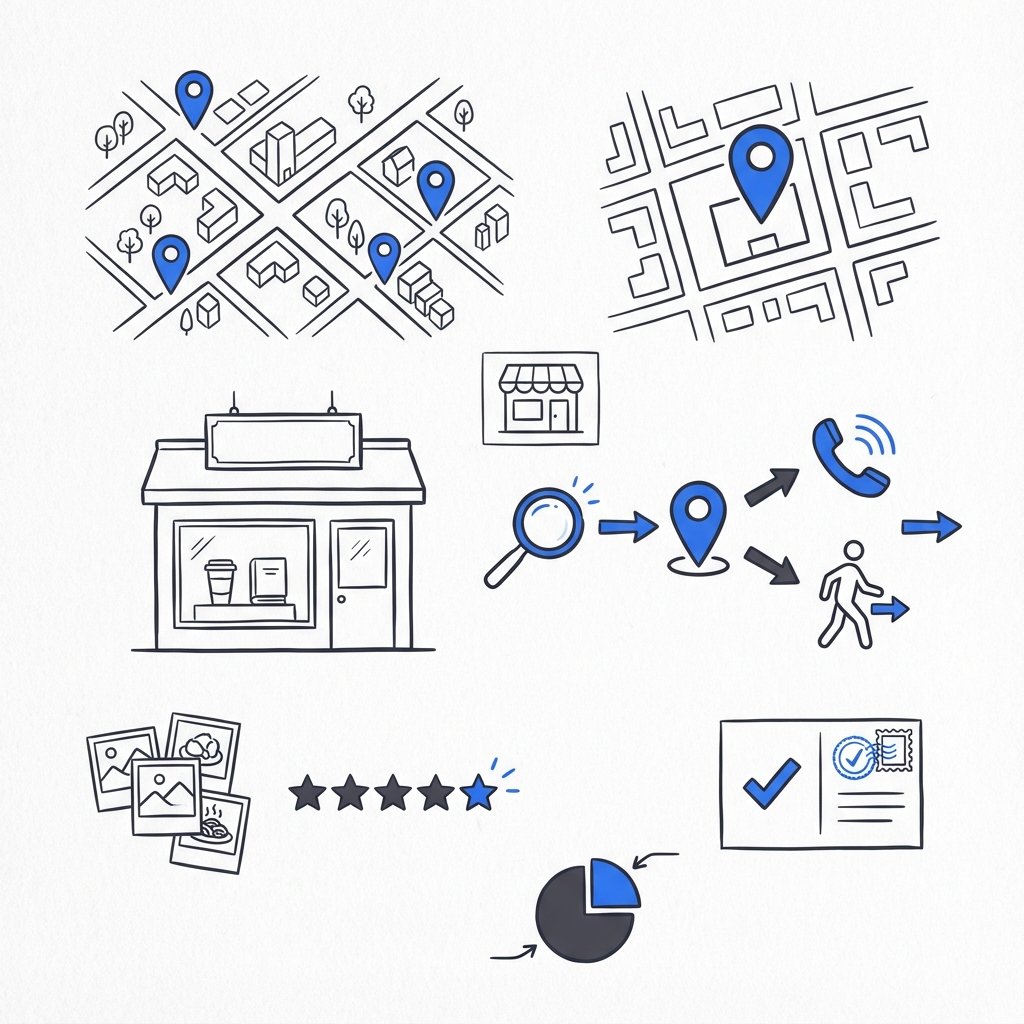
What are the benefits of meta ads? For businesses trying to be seen and remembered, Meta ads can be more than simple traffic drivers – they can be tools for building a human-centered brand that feels familiar, trustworthy, and useful.
Why Meta ads matter for human-centered brands
Meta ads let you reach the people who actually care about what you do, and then speak to them in ways that feel personal and relevant. When used thoughtfully, these ads become part of the experience your brand delivers: a helpful reminder, a relevant offer, or a story that connects. That connection is the same quiet promise a brand should keep at every touchpoint – in person, on your site, and in an ad.
Meta’s platforms offer deep audience signals, multiple creative formats, and tools for measurement and iteration. That combination is powerful when your aim is to build trust and reduce friction for customers. Done poorly, ads shout and annoy. Done well, they feel like a helpful nudge that arrives at the right moment. For practical guidance on Meta ad tactics, see Search Engine Land’s best practices for Meta advertising.

Three immediate advantages of Meta ads
1. Precision targeting: You can reach very specific audiences based on interests, behaviors, and engagement — so your message lands where it actually helps.
2. Rapid testing and learning: Meta ads let you test headlines, images, and offers quickly and affordably. The lessons you learn inform product, service, and messaging choices.
3. Strong measurement: You can track actions that matter — website visits, leads, purchases — and tie them back to creative and audience segments.
How Meta ads support a human-centered brand strategy
Human-centered brands focus on feelings and small moments. Meta ads can amplify those moments without replacing them. Think of ads as invitations — invitations to a conversation, a trial, or an experience. The best ads answer three questions at once: Who is this for? What will it do for me? What should I do next?
When you pair a clear brand promise with Meta’s targeting and creative tools, you get campaigns that do more than drive clicks: they create memory and reduce purchase anxiety. For a small local business, that might mean an ad showing a friendly behind-the-scenes scene with a simple guarantee. For a product brand, it might be a short video that shows the product solving the exact pain a specific audience faces. A small partner badge can increase trust.
Use cases that bring the benefits to life
Imagine a small bookstore that wants more local foot traffic. A Meta campaign can target people within a short radius, promote a staff-recommended book, and invite the community to an author event. The ad isn’t just a promotion – it’s a warm, timely reminder that this place exists and is worth a visit. Low-cost tests show which messages get people through the door, and the store can reuse those messages on signage and email.
Another example: a subscription product testing different price points and onboarding flows. Meta ads can send matched audiences to variant landing pages, letting the team see which combination of message and trial offer drives longer-term retention. The result is faster learning with less guesswork.
When teams need help turning these learnings into a coherent plan, an agency like Agency VISIBLE often acts as a sparring partner — guiding tests, translating data into simple promises, and helping craft creative that feels genuine rather than pushy.
Common benefits explained in practical terms
1. Better audience matching — fewer wasted impressions
Meta ads let you refine who sees your message. Instead of broad spray-and-pray campaigns, you target people who match your customer profile. That reduces wasted budget and increases the chance of a meaningful interaction. For a human-centered brand, this means your ads reach people who are likely to appreciate your tone, values, and product — not random browsers.
2. Personalization at scale
Personalization used to be expensive. Meta ads make it affordable. Dynamic ads, catalog campaigns, and simple segmentation allow different messages for different needs. A customer who abandoned a cart sees a friendly reminder; a frequent buyer sees a loyalty offer. Personalization strengthens the sense that your brand understands people as individuals.
3. Creative-first testing
One of Meta’s hidden strengths is speed of creative testing. You can try multiple images, copy variations, and short videos to see what resonates. These experiments do more than optimize ads — they teach you what language and visuals work for your audience across website, packaging, and customer service. For more on creative and design that convert, see Agency VISIBLE’s design approach.
4. Controllable budgets and quick adjustments
Budgets on Meta are flexible. You can start small and increase investment once you see positive return. For small teams, this control is liberating: you don’t need large upfront spends to learn or to attract real customers.
5. Retargeting closes the loop
Retargeting is how a friendly nudge becomes a conversion. People rarely buy on a first sighting. Meta’s retargeting tools let you follow up with people who have shown interest — visited a page, engaged with a post, or added an item to cart — and deliver a contextual, timely message that reduces friction and encourages the next step.
Yes — when Meta ads are targeted to nearby audiences, use creative that reflects what makes your shop unique, and are followed by an in-store or online experience that matches the promise, they can increase local visits and repeat customers. Test narrow local audiences, show real context in creative, and follow up with a simple incentive or invitation to encourage a first visit.
Which metrics actually matter?
Metrics are useful only when aligned with your promise. If you promise quick delivery, measure time-to-delivery and satisfaction after delivery. If you promise helpful advice, measure repeat visits and referrals. For Meta ads, start with three metrics that reflect real behavior:
– Acquisition cost (CPA): how much you spend for a meaningful action (lead, purchase, sign-up)
– Engagement quality: time on site, pages per session, or content completed
– Return behavior: repeat visits, purchases, or referrals after exposure
Those metrics keep your ad program honest and tied to the brand outcomes you care about.
How Meta ads help you build trust, not just traffic
Trust grows when people feel understood and when promises are kept. Meta ads help you demonstrate both. Use short, honest ad copy and creative that reflects real customers and actual use cases. Show social proof — reviews, user photos, or brief testimonials — in a way that feels earned, not manufactured.
Ads that align with your in-store or product experience reduce cognitive dissonance. If an ad promises a calming, personal shopping experience, make sure your checkout process and post-purchase communication match that tone. When the ad and the experience fit together, the ad becomes part of the brand story.
Practical campaign structures that deliver benefits
Here are a few simple campaign structures that produce reliable learning:
1. Awareness + local intent: for local businesses, run a reach campaign limited to a small radius and follow with event or offer ads to engaged viewers.
2. Test-and-learn funnel: run multiple creative variants to cold audiences, then retarget engaged viewers with an offer or social proof.
3. Catalog-to-loyalty: run personalized catalog ads to previous buyers and test different cross-sell messages to see which raises repeat purchase rates.
Creative tips to make Meta ads feel human-centered
Creative matters. Small choices make a big difference:
– Show real context: product-in-use photos and candid behind-the-scenes shots perform better than staged stock.
– Keep copy short and useful: start with the audience’s need and follow with a clear next step.
– Use captions and titles for sound-off viewing: many people scroll with audio off; captions help make the message accessible.
– Test micro-stories: 6–15 second videos that show a single problem and one clear benefit often out-perform longer ads.
Budgeting and timeline guidance
How much should you spend? Start with learning, not scale. A sensible approach for small teams looks like this:
– Week 1–2 (discover): run small tests across 3–5 creative variants and two audience segments. Keep daily budgets conservative.
– Week 3–4 (optimize): scale winners and reallocate budget away from underperforming pairs.
– Month 2 onward (scale): increase budgets on proven audiences and diversify creative to prevent ad fatigue.
For benchmarks and examples tailored to small businesses, see Meta Ads benchmarks for small businesses.
Privacy, data, and realistic expectations
Privacy changes have reshaped ad performance. Meta has adapted with new signals and machine-learning models, but results can vary. Expect some unpredictability – the goal is to combine ad signals with your own first-party data (email lists, CRM) for more stable performance over time. Meta’s help center also lists practical delivery tips at Meta Business Help.
Also be realistic: Meta ads amplify what you already offer. They won’t fix a confusing checkout, a product that breaks often, or a tone that contradicts your in-person experience. Ads are most effective when the product and experience are solid.
Common mistakes to avoid
– Chasing vanity metrics: likes and impressions feel good but don’t pay the bills. Focus on actions that matter to your brand promise.
– Ignoring creative testing: creative is often the largest variable in ad performance. Test regularly.
– Poor landing page alignment: send people to pages that match the ad’s promise and make the next step obvious.
Real exercises to try this month
Try these simple steps to bring Meta ads into your human-centered approach:
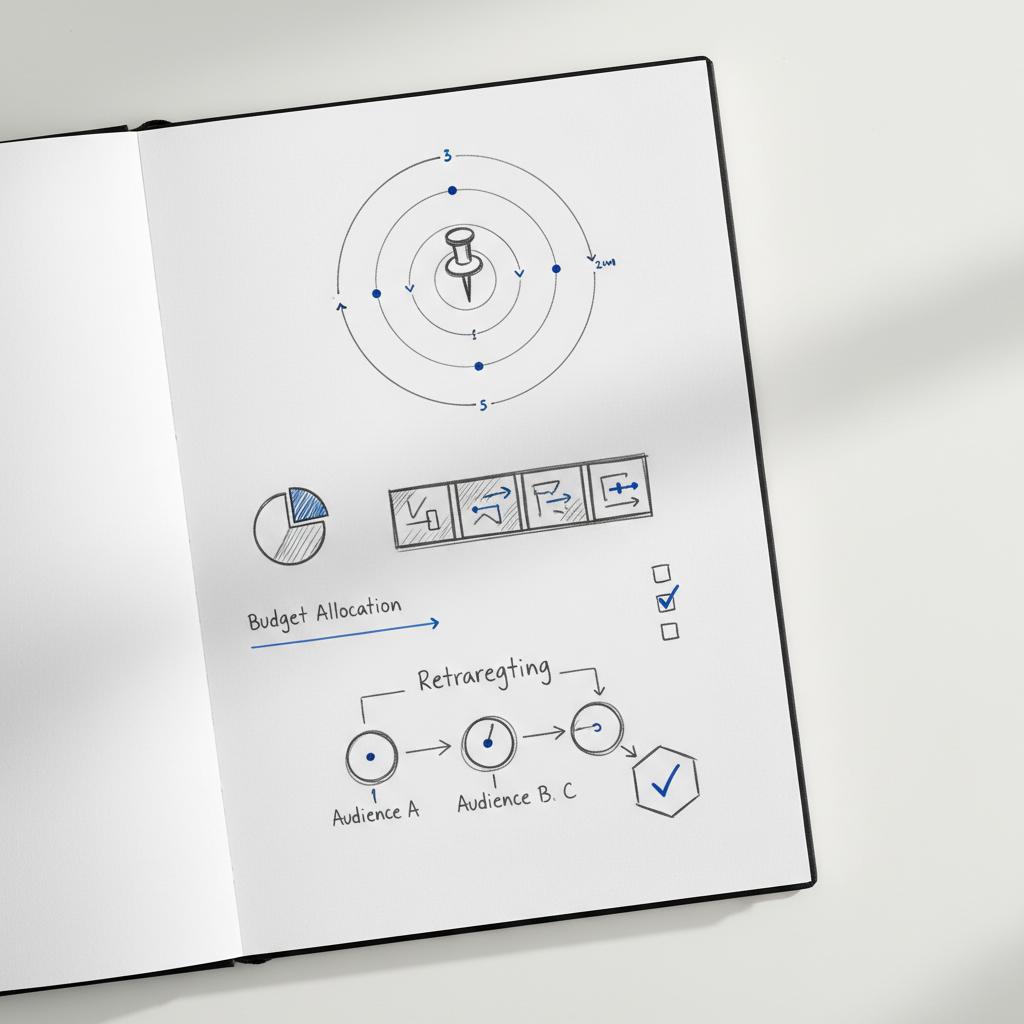
1. Create three very specific audience segments (e.g., nearby book lovers, recent site visitors, loyal customers). Make ad copy that addresses each segment’s likely question.
2. Build a 3-variant creative test for one audience: image A (behind-the-scenes), video B (product-in-use), and copy C (customer quote). Run each for a short test period and compare actions.
3. Set a clear KPI: choose one meaningful action — a booking, a trial, or a purchase — and optimize toward it.
Case vignette: small cafe, big lesson
A neighborhood cafe used a simple Meta campaign to test which message increased midweek lunchtime visits. They targeted people within a small radius and tested three messages: faster service, new lunch combo, and staff pick recommendation. The staff pick creative — a short video showing the barista recommending a dish — outperformed the others. Why? It matched the cafe’s existing promise of friendly, personal service. The ad didn’t pretend to be something else; it amplified what was already working.
When to bring in expert help
If your team is stretched thin or your tests keep returning murky results, a focused agency can help set up a disciplined test-and-scale program. The right partner listens first, helps define measurable goals, and translates performance into simple actions. For teams that need clarity and speed, partnering with a firm that blends sensible strategy and practical execution is often the fastest route to meaningful growth.
What a good agency partner does differently
They simplify. They pick a few high-impact tests rather than dozens of tiny experiments. They translate results into concrete changes to product, copy, or service experience. And importantly, they prioritize tests that improve the customer experience — not just the ad KPIs. See Agency VISIBLE’s projects for examples of executed work.
Frequently asked strategic questions
How quickly will I see results? Expect learning within a few weeks, and more reliable signals after a couple of months. Quick wins are possible, but sustainable growth needs testing, iteration, and a good product experience.
Is Meta right for every business? Not always. Meta is best where visual storytelling, clear audience signals, and measurable website actions exist. If your offering needs a long sales cycle or deeply technical selling, other channels may complement Meta better.
Checklist before you launch
Run through this short checklist:
– Clear single-sentence proposition for the campaign
– One measurable KPI
– Three creative variants
– Landing page that matches the ad
– Small test budget and a timeline to review
How to scale while keeping the human touch
Scale slowly and keep the elements that make your brand feel human. Rotate creatives that show real people and real use. Keep messaging specific, and continue to ask for feedback after a purchase — then act on it. Ads can reach more people, but only your product and service keep them.
Summary and next steps
Meta ads provide targeting, testing, personalization, and measurement that are particularly valuable for businesses building human-centered brands. Start with small tests, align ads to real promises, and prioritize customer experience as you scale. If you’d like help structuring tests or translating results into action, consider reaching out to partners who focus on clarity and speed. You can start at the Agency VISIBLE homepage.
Ready to test Meta ads that actually help your customers?
If you want a fast, clear plan to test Meta ads that boost both visibility and real customer value, get in touch with Agency VISIBLE to discuss a simple, measurable program.
One last friendly note: Ads are tools – powerful ones – but they work best when your product and people do the heavy lifting. Use Meta ads to bring people to the experience you already know how to deliver.
Start small and learn. For many small businesses, an initial test budget of a few hundred dollars per week will surface creative and audience winners within 2–4 weeks. Focus on a clear KPI, run a small creative test, and scale budgets for winners rather than increasing spend on unproven campaigns.
Meta ads amplify what you already offer. If your website or checkout is confusing, ads may bring visitors who quickly bounce. Fix the key friction points first — clear messaging, obvious next steps, and a reliable purchase flow — then use ads to drive qualified traffic and conversions.
Yes. A partner such as Agency VISIBLE can help small teams define measurable goals, set up disciplined tests, and translate ad performance into improvements across product, messaging, and customer experience. They focus on speed, clarity, and measurable growth to help you get visible faster.
References
- https://searchengineland.com/meta-advertising-best-practices-392349
- https://www.facebook.com/business/help/950694752295474
- https://consultusdigital.com/blog/meta-ads-benchmarks-a-guide-for-small-businesses/
- https://agencyvisible.com/contact/
- https://agencyvisible.com/
- https://agencyvisible.com/design-that-converts-our-approach/
- https://agencyvisible.com/projects/