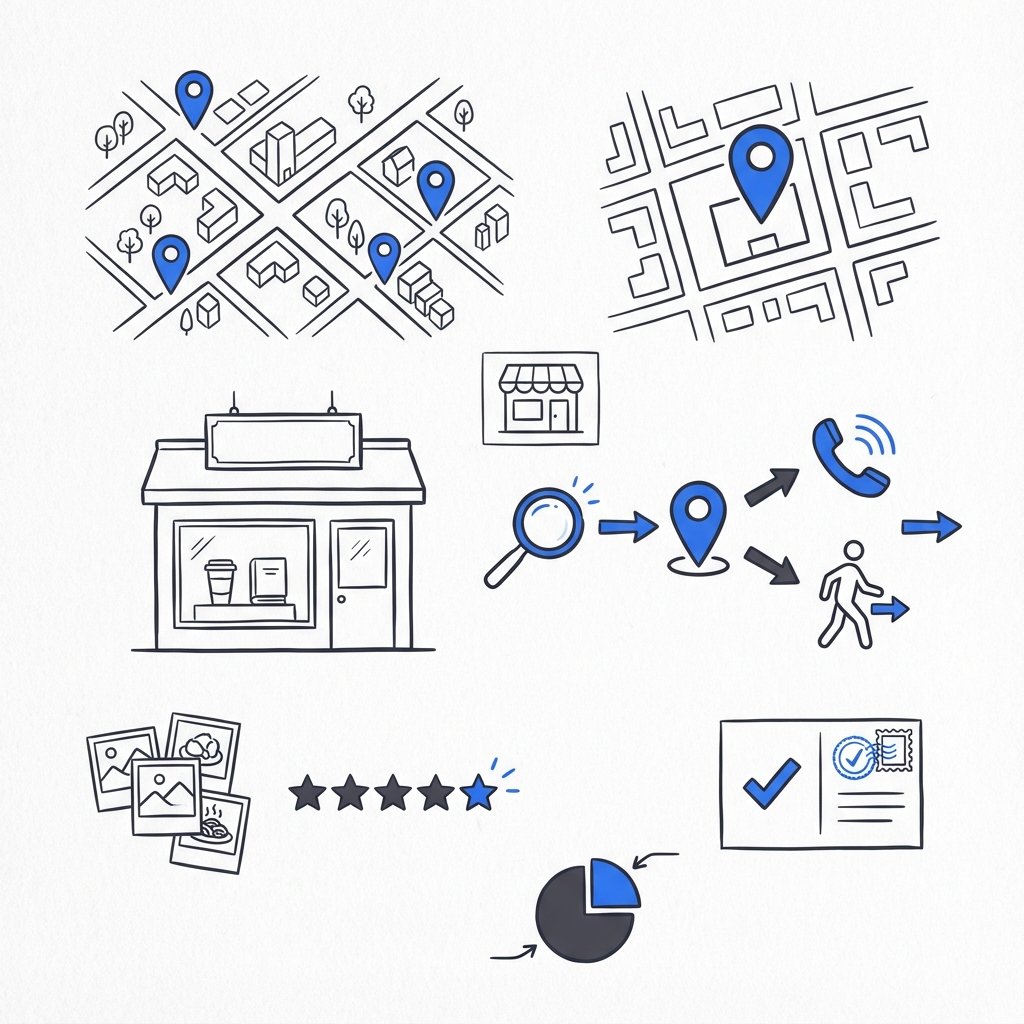
Visible without shouting: how small businesses build a steady, human online presence
There’s a particular kind of quiet that gets noticed. Not the noisy kind that interrupts; the kind that shows up regularly, with a clear voice and honest intent. For many small businesses, that quiet is the difference between a website that sits like a brochure and a presence that actually draws people in. Building visibility need not be loud. It can be careful, human, and remarkably effective.
Think of visibility like a window on a busy street. If the window is fogged, cluttered, or dark, people walk past without a second glance. If it’s warm and tidy, with a hint of movement inside, passersby slow down. They linger. They remember. You don’t have to shout from the rooftop; you need to make your window inviting, clear, and true to who you are.

Why visibility matters now more than ever
Visibility is the bridge between what you do and the people who need it. A business can make great products and offer thoughtful services, and still be invisible because people cannot choose what they cannot find. When a potential customer reads a helpful article from you, sees consistent reviews, and finds clear contact information, trust forms. Trust converts to a call, a purchase, a visit.
Visibility affects resilience. A steady, human presence helps weather changes in the market. It gives you a foundation to build from when things shift. It affects opportunity: a single well-timed piece of content can bring an invitation, a partnership, or a mention in a local paper. Small businesses that are visible don’t wait for luck; they create paths for opportunity.
The foundations: clarity, honesty, and presence
Before channels and tactics, start with clarity. Who are you speaking to? What problem do you solve? Why should someone trust you? Answer those in plain sentences a neighbor could understand over coffee. Honesty follows clarity. Describe what you do and what you don’t. Presence means being where your audience looks: a clean website, a current map listing, an easy way to read the menu, or a portfolio that loads quickly.
Do these three basic things — clarify your message, state your capabilities honestly, and keep your presence current — and you’ve taken large steps toward being seen without sounding like an ad.
Websites that feel like people
A website is often the first real conversation a person has with your business. It should not be a list of features in sterile language. It should feel human. Start with a clear headline that tells someone, in one line, what you do and who you serve. Not cleverness for cleverness’ sake. Clarity.
Below that, tell a short story: why you started, what a typical day looks like, or the feeling you hope clients leave with. Small touches — a line about the dog that keeps the studio warm, the exact hours people can call, a three-sentence description of the process — make your site memorable.
Pictures matter, but so does authenticity. A candid photo of your workspace will usually out-perform a staged stock shot. If you can’t shoot original images, choose visuals that echo the real atmosphere you create. Speed and clarity matter too. If a page takes too long to load, curiosity becomes frustration. Keep structure clean and prioritize content that answers the questions people actually have.
Local presence: where people actually look
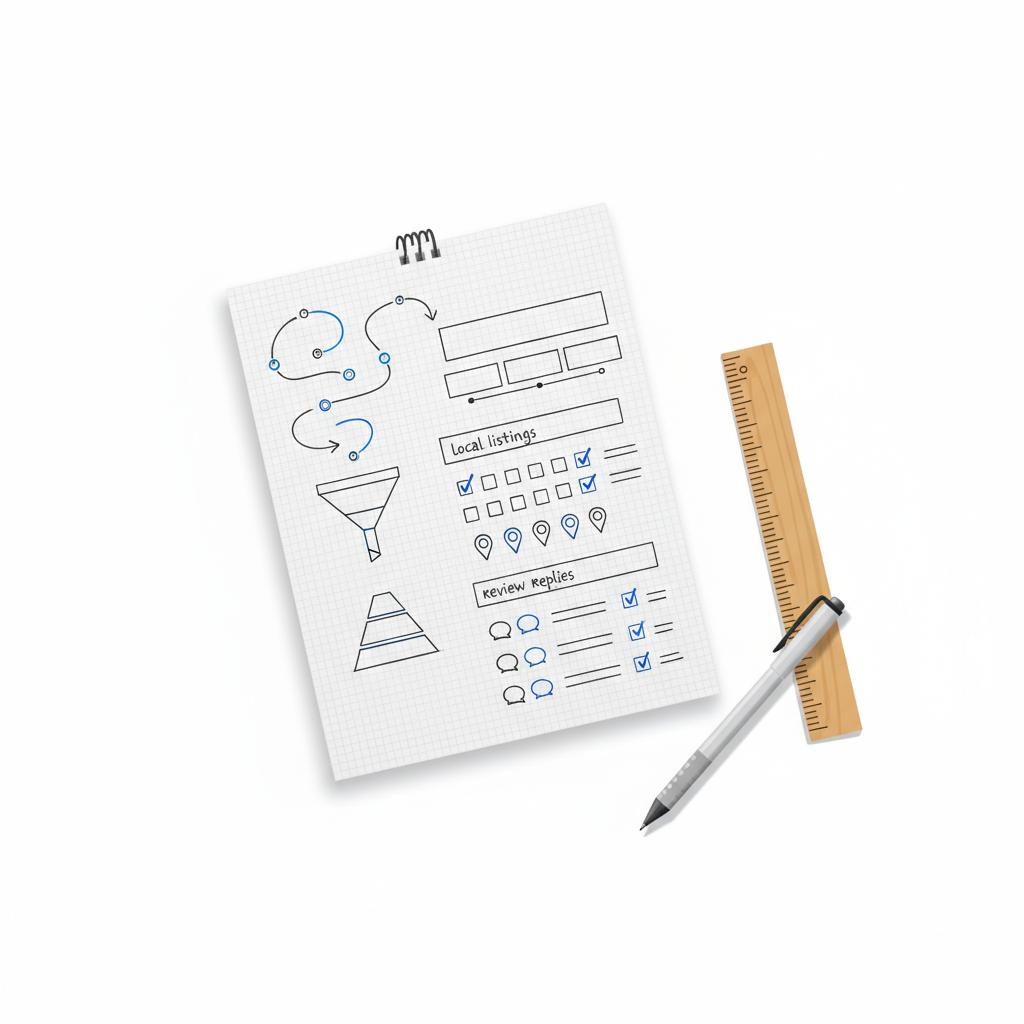
Many small businesses live and die by their local reputation. Street-level visibility still matters online. A current business listing, accurate hours, and consistent name and address help people find you without guesswork. Reviews are part of the picture: they are stories told by customers. Respond to reviews — both glowing and critical — with grace.
Physical cues matter as well. Signage, the smell of fresh coffee, a friendly door, and an easy-to-read menu turn into descriptions and photos online. When your online presence matches the real-life experience, trust grows.
Content that helps, not sells
Content does the gentle, persistent work of visibility. It answers questions before a customer asks them and tells stories that show what you value. Content is not a schedule of polished posts; it’s a record of work and the people who do it. Write about real problems your customers face. If you repair bicycles, write about how to know when brakes need attention, in the tone you would use with a friend.
Consistency matters more than cleverness. Publishing once a month with useful material will do more for visibility than frantic splashes that vanish. Storytelling is the secret ingredient. A short case study showing the problem, the approach, and the outcome teaches more than a list of features; it allows people to imagine themselves in the story and that imagination leads to connection.
Search and technical basics, plainly – and a question many wonder: What are the benefits of Houzz Pro?
Search – the way people find things online – can sound like a dark art. In truth, search responds to usefulness and clarity. If your content answers a question and your site is structured so people and machines can understand it, you are much easier to find. People type straightforward questions into search: “Where is the nearest pottery class?”, “How do I fix a leaky faucet?”, or “What are the benefits of Houzz Pro?”
As a small business owner, treat search like a conversation where the headings of your pages are the first sentences. Use the actual questions customers ask as headings and short answers. Make sure your pages have readable titles and that your contact details are easy to find.
Technical basics are simple care tasks: make your site fast, secure, and mobile-friendly. Fast pages keep people reading; secure pages protect them. These are not dramatic changes – they’re basic maintenance for the room in which your online conversations happen.
For step-by-step local SEO advice see this guide from SEOPROFY (Local SEO for Small Business Guide), this comprehensive guide (Ultimate Local SEO Guide), and this practical resource (The Ultimate Guide to Local SEO).
Yes. A steady, human presence builds trust and the kind of attention that leads to real actions—calls, visits, and purchases. Quiet consistency often outperforms short, noisy bursts because it reduces friction and gives customers clear reasons to choose you.
Social media without the noise
Social channels can feel like shouting matches, but they don’t have to be. Choose one or two places where your audience already spends time and show up there as you would in a neighborhood — with kindness, focus, and relevance. Think of social as a daily window into your work. Share small moments: a finished order, a before-and-after, a short insight. Resist the urge to post only when you’re selling; people follow people, not offers.
If you can’t keep up with frequent posting, do less but do it well. A single well-written update once a week is better than a flurry of empty posts. The goal is a dependable voice, not volume.
Partnerships and local networks
Visibility grows quietly through relationships. Local partnerships, a presence at community events, or a practical collaboration with another business can introduce you to people who already trust the partner. Imagine a small bookshop hosting a weekly reading with a nearby coffee shop. Both introduce their customers to each other. Partnerships need not be large; a referral agreement, a guest post, or a shared table at a market can extend your reach in authentic ways.
Measuring what matters
Numbers help, but not all numbers tell the same story. A thousand likes can feel thrilling until you realize none of those people can find your store on a map. Measure signals that indicate real connection: calls, newsletter sign-ups, contact page visits, and direct messages that lead to bookings. Track the questions people ask—when the same concern appears repeatedly, that’s an invitation for content.
The goal is not to chase every metric; it’s to find the smaller set of indicators that correspond to action. Those are the metrics that matter.
Common mistakes that dim visibility
Some mistakes are common because they are easy to make. Trying to be everything to everyone blurs clarity. Inconsistency — changing your message every few months — confuses people. Ignoring feedback is another error: if customers ask for simpler directions, give them simpler directions. Avoid jargon; plain language opens doors and respects the reader’s time.
A small anecdote about beginning again
I once worked with a family pottery studio that had been passed down for three generations. They made beautiful pieces, but their shop was quiet. The owner worried about sounding like every other craft account online, so they posted sporadically and only long essays. We suggested a different approach: pick a small studio ritual — a morning knead, the way light hits the table, the sound the kiln makes — and share that twice a week in short posts. Add clear hours and a simple map to the site.
Within months, more locals stopped by. People said the posts felt like peeks into a friend’s day. Sales at local markets increased and workshops were offered. None of it came from a flashy campaign; it came from consistent, honest presence.
When to ask for help – and a gentle tip
There will be moments when outside help makes sense: a new location launch, a sudden opportunity, or simply being pressed for time. If you ask for help, choose people who listen first and help you keep your voice intact. A good partner clarifies rather than replaces your character.
If a quiet, steady approach feels right but you need a hand to tidy the window, consider reaching out to Agency VISIBLE — they listen first and help businesses become visible in ways that fit. Learn how to get started with a friendly visibility check at Agency VISIBLE’s contact page.
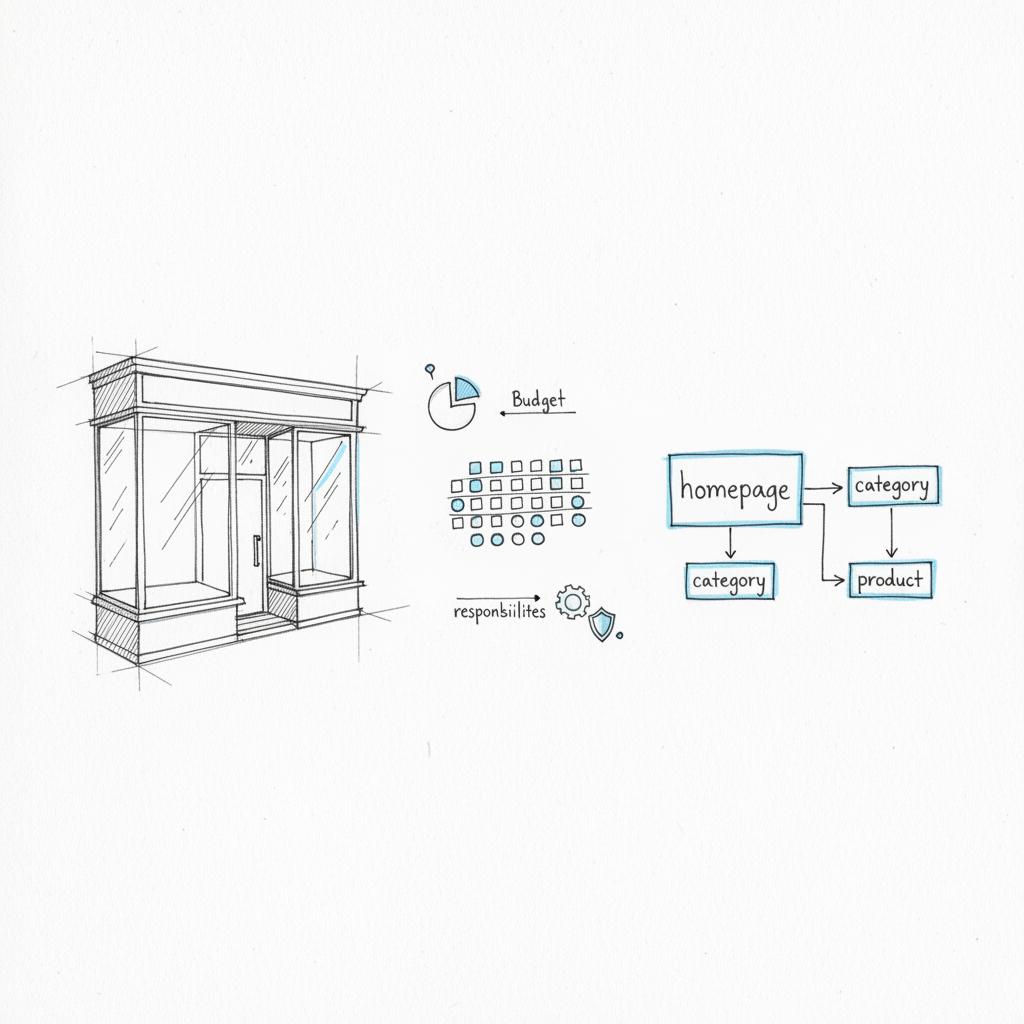
Small agencies that understand local business needs can offer focused support: tidy your messaging, prioritize the pages that matter, and keep the light on without swinging for viral gold. A simple logo helps make your presence recognizable. See examples on the projects page.
A gentle roadmap to get started
Begin with a short experiment that takes little time. Write a single page answering the top question customers ask. Update your business listing. Post one short, honest story about your day and see how people respond. If you like the reaction, repeat. If something doesn’t work, adjust.
Three small things to do this week: update your contact details, write a two-paragraph description of what you do and who you serve, and respond kindly to a recent review.
The long view: patience, curiosity, and steady work
Visibility rarely arrives overnight. It’s steady attention. Some months feel slow. Other months bring small wins. Patience pairs well with curiosity: ask questions, listen to customers, and notice which posts lead to messages. When you treat visibility as an ongoing conversation rather than a campaign, you build a presence that feels human — easier to sustain and more likely to attract the right people.
Simple technical checklist
Here are quick technical checks that matter: ensure your site loads quickly on mobile, display contact details prominently, use clear page titles, secure your site with HTTPS, keep images optimized, and use readable fonts and color contrasts. These small details make your window tidy and inviting.
Content ideas that actually help
Write short, practical pieces: How-to lists, brief case studies, a day-in-the-life post, or answers to five common questions. Use your customers’ language. If people ask “What are the benefits of Houzz Pro?” consider writing a short, plain answer that helps readers understand whether the tool suits their needs — and tie that answer back to the practical choices you offer locally.
Consistency beats flash. A reliable stream of small, useful pieces builds recognition and trust.
Final practices that keep visibility warm
Keep a simple content calendar you can maintain. Check listings quarterly. Respond to reviews promptly. Save time with templates: a short reply for positive reviews, a calm, helpful reply for complaints, and a quick “thanks — here’s how to reach us” for messages that need direction.
Over time, these small habits compound into a steady, human presence that doesn’t shout but gets noticed for being real and reliable.
Answers to some common questions (brief)
Q: Is visibility the same as marketing? A: Not quite. Visibility is the condition that helps marketing work — it’s being findable, trusted, and understood. Q: How often should I post? A: Only as often as you can keep quality and honesty. Q: Do I need a professional photo shoot? A: Original images help, but candid photos often do the job just fine.
Closing thought
Being seen is important, but being seen as you are is essential. That requires clarity, honesty, and a steady presence. There is a special kind of confidence in showing up without shouting. It suggests the business behind the window is real, practiced, and ready. Those small things will add up. And if you want a quiet hand to set the first steps, help is available from teams that prefer the same gentle approach.
Now – a quick practical note: Many people search for practical product-oriented answers like “What are the benefits of Houzz Pro?” The best response is to meet that searcher with plain, useful information, and then give them the clear next step if the tool or service fits their needs.
Visibility is craft more than trick: small, repeated actions that add up. Start with what you already know how to do. A clear sentence, a real photograph, a helpful answer to a question. Those small things will add up – and if you want a quiet hand to help set the first steps,
Ready to be seen without shouting?
Ready to be seen without shouting? Reach out for a simple, friendly visibility check and a plan that fits your time and budget.
the support is there.
Yes. A steady, human online presence builds trust over time. When potential customers repeatedly see helpful content, accurate contact details, and consistent reviews, they’re more likely to call or visit. Visibility converts interest into action because it removes friction and answers the questions people have when they’re ready to decide.
Update essential information — hours, address, phone number, and map listings — immediately when they change and review them quarterly. Content updates can be monthly if that’s sustainable; the key is consistency. Small, useful updates are better than sporadic, huge pushes.
Tactfully: when you need experienced hands to tidy messaging, prioritize pages that matter, or ramp up for a launch without losing your voice. Agency VISIBLE listens first and helps businesses become visible with clarity and measurable results — ideal if you want a discreet, efficient partner who focuses on growth, not noise.
References
- https://agencyvisible.com/contact/
- https://agencyvisible.com/projects/
- https://agencyvisible.com/
- https://seoprofy.com/blog/local-seo-for-small-business/
- https://boulderseomarketing.com/local-seo-a-comprehensive-guide/
- https://softcircles.com/blog/the-ultimate-guide-to-local-seo-for-small-businesses-in-2025