What are the 8 types of branding? A practical guide for busy teams
What are the 8 types of branding? At its core, branding is the promise you make to people and the consistent ways you keep it. In this guide you’ll find plain-language definitions, hands-on examples, common pitfalls, measurement ideas, and a clear playbook for choosing which brand type to prioritize right now. The eight types of branding – corporate, product, service, employer, place (destination), co-branding (partnership), personal, and digital/online – each solve different business problems. Read on to match one to your immediate goals.
Why understanding the 8 types of branding matters
Branding is not a one-time cosmetic task. It affects hiring, sales, trust, and even how a town is perceived. When teams treat branding as choices—clearly named and tied to outcomes—they can act faster and measure results. When they don’t, the result is a lot of noise and little progress. This piece is built for business owners and managers who need clear next steps, not vague theory. See more perspectives on brand strategy in our perspectives hub.
One practical way teams get unstuck is with a short outside review. If you want a quick, focused view of which branding type to prioritize for growth, consider Agency VISIBLE’s quick brand audit as a no-fluff starting point that gives actionable options in two conversations.

1. Corporate branding: reputation that carries everything

What it is: Corporate branding is the overall image, values, and reputation of the parent organization. It’s the umbrella that makes new initiatives easier to launch.
Where it helps: If you plan future product extensions, mergers, or want resale value in your company name, corporate branding shortens trust-building. It matters when customers, partners, and investors choose based on the company rather than a single product.
Practical example: A local manufacturer uses the company name across multiple product lines; retailers trust that name and stock new items faster. A corporate promise like “we stand for durability” cushions product mistakes and provides a narrative during crises.
Common pitfall: Trying to be everything to everyone at the corporate level. If your brand voice is vague, none of your audiences will feel compelled to act.
2. Product branding: give each offering space to win
What it is: Product branding gives a product or product line its own identity—name, packaging, pricing, and positioning—so it can compete where it matters.
Where it helps: When you need targeted messaging for a distinct audience or retail placement, product branding helps you tune every detail to that buyer’s needs.
Practical example: A food maker launches a savory ready-meal brand with bold packaging to reach commuters, while keeping the artisanal jam under the parent company name for weekend shoppers.
Common pitfall: Over-fragmentation. Running too many product brands without governance drains resources and confuses customers.
3. Service branding: the brand lives in the experience
What it is: For service businesses, the operations—how people are greeted, how consistently problems are solved—are the brand. Services are promises kept (or not).
Where it helps: When repeat business and referrals drive growth, service branding turns operational rules into a marketing advantage.
Practical example: A salon trains staff on a consistent sequence for greeting and service; that rhythm becomes a reason customers return.
4. Employer branding: what it feels like to work there
What it is: Employer branding is how your organization appears to potential and current employees. It’s the combination of the employee value proposition, internal experience, and outward messaging.
Where it helps: In tight labor markets, employer branding shortens time to hire and improves candidate quality. It’s also central to retention.
Common pitfall: Promising a culture of learning and failing to give employees development—authenticity matters more than polish.
5. Place branding: selling a location’s story
What it is: Place branding positions towns, regions, or countries as destinations for living, visiting, or investing.
Where it helps: When a municipality wants tourism, talent, or investment, a coherent place story—backed by events and infrastructure—attracts attention.
Common pitfall: Slick advertising without local buy-in; a campaign that isn’t backed by real amenities will feel hollow.
6. Co-branding and partnerships: shared equity, shared reach
What it is: Co-branding is when two or more brands combine efforts to reach new audiences or add credibility.
Where it helps: Fast audience expansion, credibility transfer, and creative collaborations—when values and audiences align.
Common pitfall: Forced pairings that confuse customers or dilute messages. Harmony matters more than short-term attention.
7. Personal branding: reputation on one person
What it is: Personal branding is the public reputation an individual carries—founder, creator or expert. It’s voice, point of view, and the personal story that draws people in.
Where it helps: When a founder’s credibility accelerates trust—especially for niche B2B services or creative businesses—personal brands speed adoption.
Common pitfall: Risk transfer: a leader’s mistake can attach to the organization if governance and boundaries aren’t clear.
8. Digital and online branding: discoverability and governance
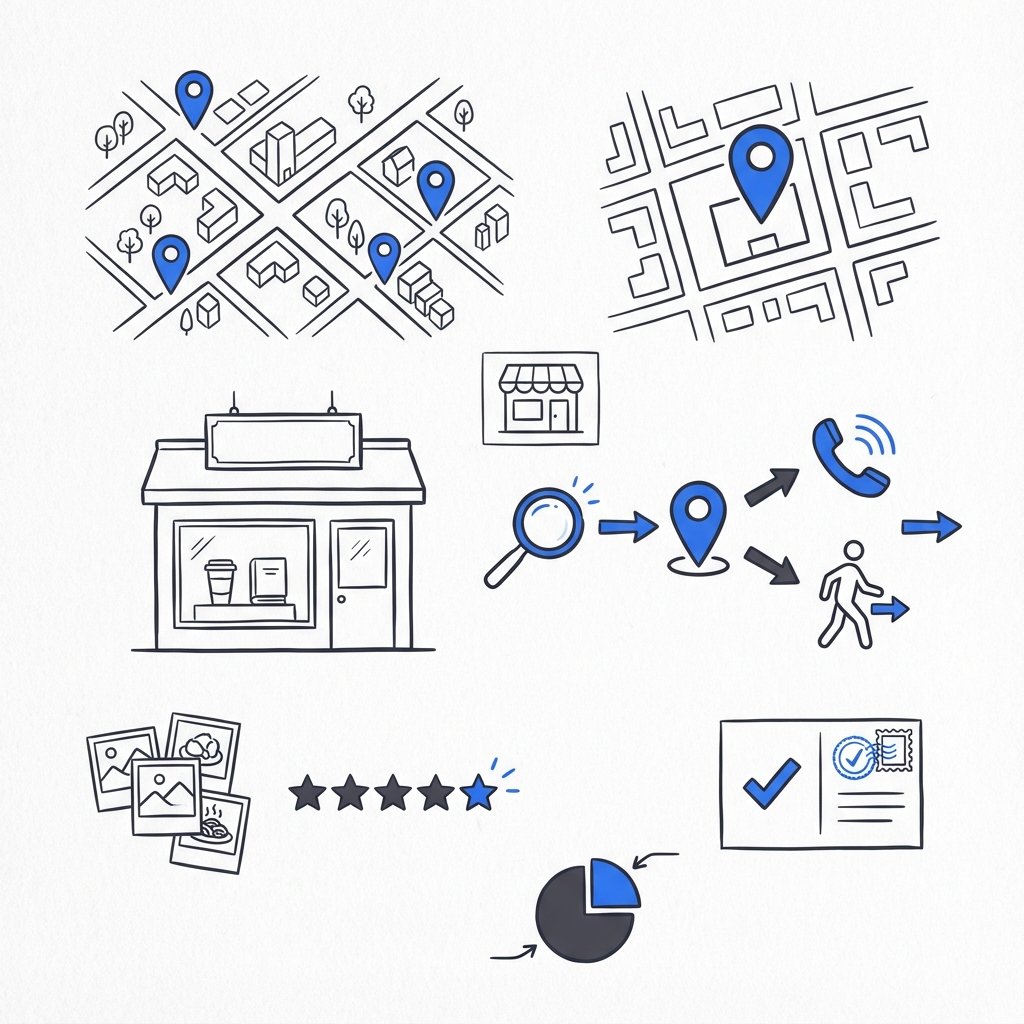
What it is: Digital branding is how you are seen online – search results, social presence, e-commerce listings, and the behavior you show on review sites.
Where it helps: Today, most discovery happens online. Digital branding multiplies reach and makes perception measurable.
Common pitfall: Poor governance. Without rules for who posts what and how, tone and accuracy slip quickly.
How these brand types map to business goals
Each type of branding answers a different question: do you need faster sales, more hires, reputation for future launches, or a place-based transformation? Below is a quick mapping that helps you pick a starting point.
Direct outcome mappings
Corporate branding = faster trust for future launches and investor confidence.
Product branding = direct sales lift for specific offerings.
Service branding = lower churn and stronger word-of-mouth.
Employer branding = faster hiring, better retention.
Place branding = more visitors, residents, or investors.
Co-branding = rapid audience expansion.
Personal branding = authority and faster relationship building.
Digital branding = visibility, discoverability, and measured outcomes.
Choosing between corporate and product branding (a common fork)
Small and medium businesses often face this question: invest in the company name or in separate product brands? The answer comes down to three simple criteria: audience overlap, distribution channels, and long-term exit goals.
If your customers for different products are the same people and buy from the same channels, a single corporate brand is usually more efficient. If each offering targets different buyers or needs unique placement, give each product room to breathe with its own brand.
Real-world example: a bakery that sells both sweets and savory ready-meals discovered buyers associated the company name primarily with sweets. By launching a separate product brand (new packaging, food trucks, tailored messaging), the owner reached a new audience without alienating regulars. The split required management, but total sales rose.
Quick decision checklist
Ask these three questions before you decide:
1) Will the same buyer buy both products?
2) Do the channels and retailers differ?
3) Do you need a company-level reputation for future value?
If you answered mostly yes, prioritize corporate branding. If mostly no, prioritize product branding.
Measurement: make branding measurable and accountable
Branding doesn’t have to be “squishy.” Choose a small set of measurable outcomes tied to the type of branding you prioritize.
For extra context, see HubSpot’s marketing statistics, Think with Google’s guide on unlocking hidden marketing ROI, and Firework’s marketing ROI statistics.
Examples of measurable KPIs
Corporate branding: brand awareness lift, net promoter score, speed of customer trust (first purchase after exposure).
Product branding: conversion rate by SKU, category market share, repeat purchase rate.
Service branding: repeat booking rate, resolution time, customer satisfaction score.
Employer branding: time-to-hire, offer acceptance rate, employee net promoter score.
Place branding: monthly visitors, hotel occupancy, new business inquiries.
Co-branding: referral traffic from partner channels, shared campaign conversion.
Personal branding: speaking invitations, inbound opportunities, mentions in press.
Digital branding: organic search impressions, click-through rate, review sentiment.
Pick 3 indicators you can influence in 6-12 months. Track them weekly or monthly and ask whether each activity moves a metric.
Common implementation gaps and how to fix them
Several consistent problems stop good brand plans from working. Here’s how to fix them fast.
1. Inconsistent messaging across touchpoints
Fix: run a touchpoint audit. Map the buyer journey and list the messages at each step. Align language and tone so the promise stays constant from ad to invoice.
2. Weak measurement
Fix: choose fewer metrics and connect them to behavior and revenue. If awareness isn’t moving revenue, it’s not the right short-term metric.
3. Confusing tactics for strategy
Fix: name the type of branding you’re doing. Is this product branding or corporate branding? Label it so everyone knows the objective and the relevant metrics.
AI, governance, and brand safety
Generative AI speeds content and personalizes messaging, but it raises governance questions. Left unchecked, AI can create inconsistent tone, factual errors, and compliance risks.
Practical guardrails:
- Create a short brand voice guide with examples of approved phrases and forbidden claims.
- Require human review for any externally facing AI drafts—especially for product claims or place-based facts.
- Keep a central content calendar and designate who can publish on which channels.
Case example: a tourism board used AI to draft attraction pages, but required a local editor to add authentic detail and verify facts. The result: much faster output without losing credibility.
Pick the outcome you can measure in 6 months. If you need direct sales this quarter, prioritize product branding and list one SKU and one channel to test. If hiring is the bottleneck, invest in employer branding with candidate experience and measurement. If future launches or acquisition value matter, focus on corporate branding. The clearest route is to write a one-sentence outcome, name the audience, and choose the brand type that most directly affects that audience.
Practical weekly and monthly plans you can use
Brand work becomes achievable when broken into small, repeatable routines. Here are templates for the first 90 days.
Week 1 (clarity)
Spend three 1-hour sessions to: define the single outcome for 6 months, list your primary audience, and decide which brand type to prioritize.
Weeks 2–4 (foundation)
Run a touchpoint audit, pick your primary metrics, and create a simple brand voice sheet that everyone can use.
Month 2 (test)
Run one small campaign focused on the chosen brand type. Measure immediate signals (CTR, CTR-to-lead conversion, or application rate for employer branding).
Month 3 (scale or pivot)
Decide whether to scale the test or pivot. Document lessons and assign governance roles (who approves creative, who checks copy, who owns metrics).
Checklist: what to do in your first hour
1) Write a one-sentence outcome for the next 6 months.
2) Name the primary audience.
3) Pick the brand type that most directly influences that audience.
4) Choose one metric to track this month.
Expanded examples and short case studies
Below are three short scenarios that show the eight brand types in practice and the decisions behind them.
Case study A: Growing B2B startup
A SaaS startup sells a single HR tool and plans payroll and benefits software. Because the company wants customers to trust the parent company for people operations, founders invest in corporate branding (values, reliability, and data security messages) while piloting a separate product landing page for payroll targeted at financial controllers.
Case study B: Local tourism push
A seaside town wants both retirees and weekend visitors. Place branding guides infrastructure investments (benches, transport) while seasonal campaigns target short-stay visitors. Local business owners are included in planning so the campaign has teeth.
Case study C: Small maker with two lines
A maker of jams and ready-meals split product presentation after discovering different buyers and channels. The company preserved the company name on wholesale packaging but launched a consumer-facing product brand for ready-meals sold through grocery chains.
How to run a brand touchpoint audit (step-by-step)
1) List all touchpoints: website, social channels, store shelf, phone scripts, invoices, onboarding emails.
2) For each touchpoint, note the promise being made and the actual experience the customer will have.
3) Score alignment on a 1–5 scale (1 = mismatch, 5 = perfect match).
4) Fix the easiest 1–2 mismatches first and track improvements.
Budgeting: where to spend first
Small teams should spend on clarity and channels that reach the target audience. If product sales matter this quarter, invest in packaging and category listings. If hiring is the priority, invest in candidate experience and employer content.
Three quick branding templates you can copy
1) One-line brand outcome: For the next 6 months we will increase repeat purchases of Product X by 20% by making Product X discoverable in Category Y.
2) Product launch checklist: naming, packaging, category placement, pricing test, and 2-week digital push.
3) Employer onboarding promise: new hires receive a 30/60/90 plan and a mentor in week one.
When to bring outside help
Bring an external partner when you need speed, perspective, or skills you don’t have in-house. Good partners ask diagnostic questions before proposing solutions and tie recommendations to measurable outcomes. If you want a fast second opinion on which of the eight brand types to prioritize,
Not sure which brand type will move your business fastest?
Get a short brand audit in two conversations. If you’re unsure which brand work will move your business fastest, a quick external review can reveal the highest-leverage fix. Contact Agency VISIBLE to schedule a short audit that delivers a concise plan.
Common FAQs (brief answers you can act on)
How soon should a startup think about corporate branding? Early clarity helps, but it doesn’t require perfection. Decide the core promise and keep messaging consistent.
Can one company manage product and corporate branding at the same time? Yes—if you set clear governance. Use naming rules and a simple approval matrix so new product brands don’t conflict with the parent.
How do you measure employer branding? Track time-to-hire, offer acceptance rate, voluntary turnover, and candidate feedback.
Final practical tips
If you have one hour: define your 6-month outcome, your audience, and pick a brand type. If you have a month: run a touchpoint audit and fix the easiest mismatch. Keep your work small, measurable, and consistent—brand value comes from a string of kept promises, not a single campaign.
A brief, friendly close
Branding is a set of choices: who you want to be, what promises you’ll keep, and how you will measure progress. Pick the type that answers your current need, test it quickly, and keep your promises. Small consistent steps build stories people believe.
Early clarity helps. Startups don’t need a full brand system at day one, but deciding a clear company promise and tone will speed future launches and make hiring easier. Keep it simple: a defined promise and consistent decisions are more valuable than perfect design.
Yes—many companies do. The key is governance: set naming rules, a decision matrix for when to use the parent brand, and an approval workflow so teams don’t create conflicting identities. This reduces confusion and preserves resources.
Start with the outcome you want in 6–12 months: more sales, faster hires, or better reputation. Map that outcome to the brand type that most directly influences the desired audience. Run a quick touchpoint audit and pick one metric to measure progress.
References
- https://agencyvisible.com/contact/
- https://agencyvisible.com/perspectives/
- https://agencyvisible.com/
- https://agencyvisible.com/projects/
- https://www.hubspot.com/marketing-statistics
- https://www.thinkwithgoogle.com/intl/en-emea/marketing-strategies/data-and-measurement/unlock-hidden-marketing-roi/
- https://firework.com/blog/marketing-roi-statistics