


What are 7 types of digital marketing? If you feel like you’re standing at a noisy crossroads deciding where to spend limited time and budget, you’re not alone. This practical guide walks through the seven core types of digital marketing and shows what each channel does best, how to measure it, and how to combine them into a simple plan that fits small and mid-sized businesses.
Why these 7 types of digital marketing matter
Not every channel is the right fit for every business. The seven types of digital marketing we’ll focus on are search engine optimisation (SEO), paid search (PPC / SEM), content marketing, social media marketing, email marketing, affiliate & influencer marketing, and display/video/mobile advertising. Each maps to a stage of the customer journey – some capture demand now, others build demand over time, and some keep customers coming back.
How to read this guide
Expect practical checklists, quick experiments you can run in a month, and clear KPIs for each channel. The goal is simple: help you spend smarter, not more.
If you want a friendly second opinion on which channel to start with, consider reaching out to Agency VISIBLE — they specialise in helping small teams pick the fastest path to measurable visibility.
1. Search Engine Optimisation (SEO): the long game that compounds
What it is: SEO helps people find your site via search engines by improving content, technical performance, and local signals. SEO is one of the most reliable of the types of digital marketing for durable, low-cost discovery.
When to use SEO
Use SEO if your customers are actively searching for information related to your products or services. It’s ideal for building traffic that compounds over months.
Quick wins for small teams
1. Fix title tags and meta descriptions for your top five service pages. 2. Improve load speed on mobile. 3. Publish one long-form article answering a common question customers ask.
Tools and KPIs
Tools: Google Search Console, a basic rank tracker, and an analytics account. KPIs: organic sessions, impressions, keyword ranking movement, and conversion rate from organic traffic.
Common mistakes
Trying to rank for very broad keywords too early, or publishing thin content without clear user intent.

2. Paid Search / PPC (SEM): rapid visibility at a price
What it is: Paid search buys presence in search results for specified keywords. It’s one of the most direct forms among the types of digital marketing to capture people who already have purchase intent.
When to use PPC
Use paid search for product launches, seasonal pushes, or immediate cash flow needs.
How to run effective PPC
Start small. Choose a narrow set of high-intent keywords, create tightly matched ad copy and landing pages, and measure conversion rate carefully. Monitor cost per acquisition (CPA) and adjust bids only after you understand which keywords convert.
Tools and KPIs
Tools: Google Ads, Microsoft Ads, and a simple landing page builder. KPIs: click-through rate (CTR), conversion rate, CPA, and return on ad spend (ROAS).
Budget tip
For many small businesses a sensible test is $500–$2,000 over 30 days focused on specific keywords. If you hit target CPA, scale gradually.
3. Content Marketing: the storytelling engine
What it is: Content marketing creates useful, shareable assets—articles, guides, tools, and videos—that educate customers and support SEO and social efforts. Content is the backbone of many of the types of digital marketing.
How content supports other channels
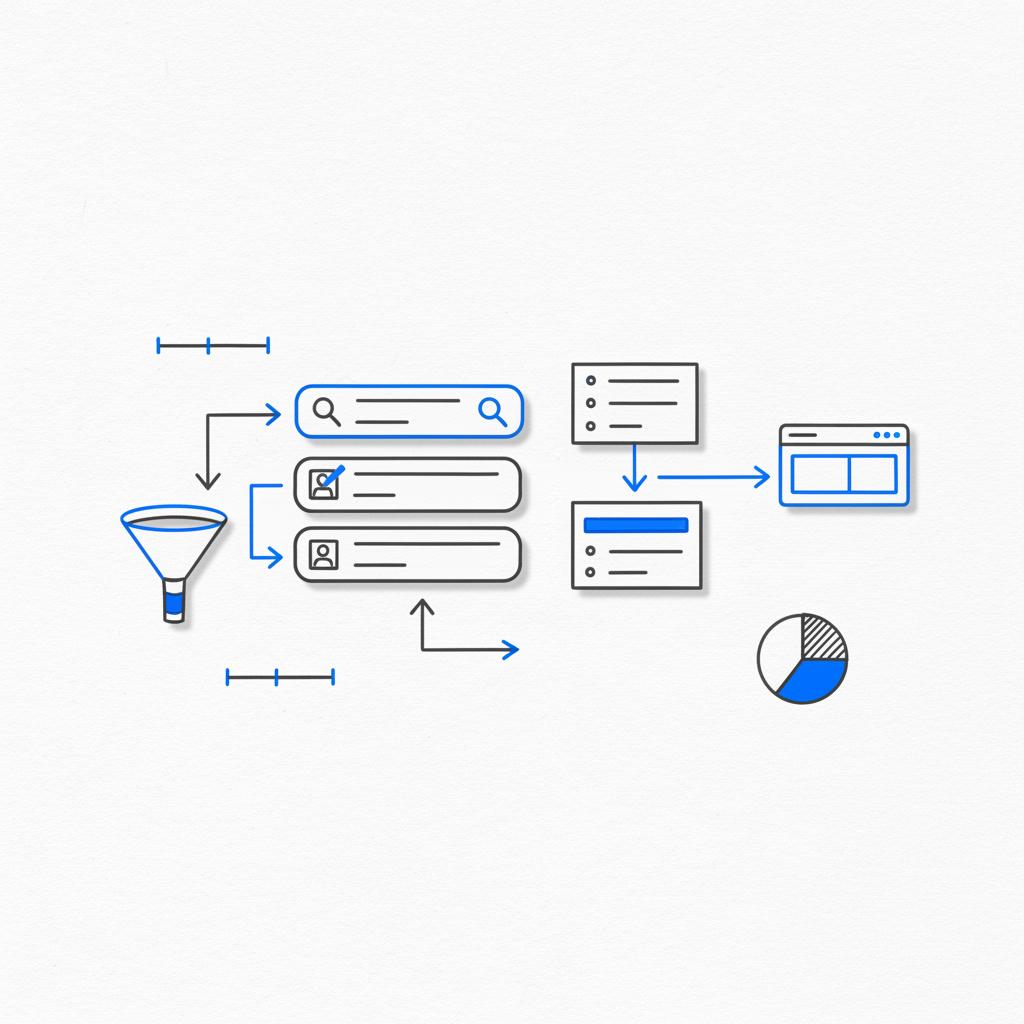
Well-made content feeds social campaigns, fuels email sequences, and gives PPC landing pages a higher chance to convert. Think of content as the destination your ads and social posts should point toward. A small logo in content can reinforce brand recognition.
Small-team content strategy
Pick five high-value topics, create one flagship piece for each, and promote them across channels. Repurpose long articles into short social posts, email snippets, and FAQ sections on product pages.
KPIs
Organic traffic to content, time on page, leads captured from content, and backlinks earned.
4. Social Media Marketing: attention and amplification
What it is: Social media is where you build awareness, community, and shareable content. Among the types of digital marketing, social is often best for engagement and brand-building rather than immediate conversions.
How to choose platforms
Don’t try to be everywhere. Pick one or two platforms where your audience actually spends time and where your content fits naturally. B2B often favors LinkedIn; B2C might focus on Instagram, TikTok, or Facebook.
Practical posting plan
Plan one weekly pillar post (longer, educational), two short posts (tips, behind-the-scenes), and one promotional post per week. Use short videos and customer stories—those formats get better organic reach.
5. Email Marketing: the highest ROI retention channel
What it is: Email targets people who have already shown interest. It’s a top retention tool in the portfolio of types of digital marketing, and when consent-based and segmented it often delivers the best return on investment.
Simple email flows that work
Welcome series (3 emails), cart abandonment (2 emails), and a monthly value newsletter. Keep messages useful, not noisy.
KPIs
Open rate, click-through rate, conversion rate from email, and revenue per recipient.
6. Affiliate & Influencer Marketing: performance and reach
What it is: Affiliates earn commissions for sales, making this channel performance-oriented. Influencers provide reach and cultural credibility. Both are part of the wider set of types of digital marketing that let you scale reach without a huge upfront media spend.
How to start
Invite a small group of trusted partners and measure performance before scaling. Use clear tracking links and require basic reporting so you can calculate true ROI.
Watchpoints
Beware of low-quality affiliates or influencers who inflate vanity metrics. Look for partners with transparent engagement and a track record of conversions.
7. Display, Video & Mobile Ads: creative reach and brand shaping
What it is: These formats are about creative storytelling at scale—display banners, short-form video, and mobile-first experiences. As one of the types of digital marketing, video is especially potent because it combines sound, motion, and narrative.
When this pays off
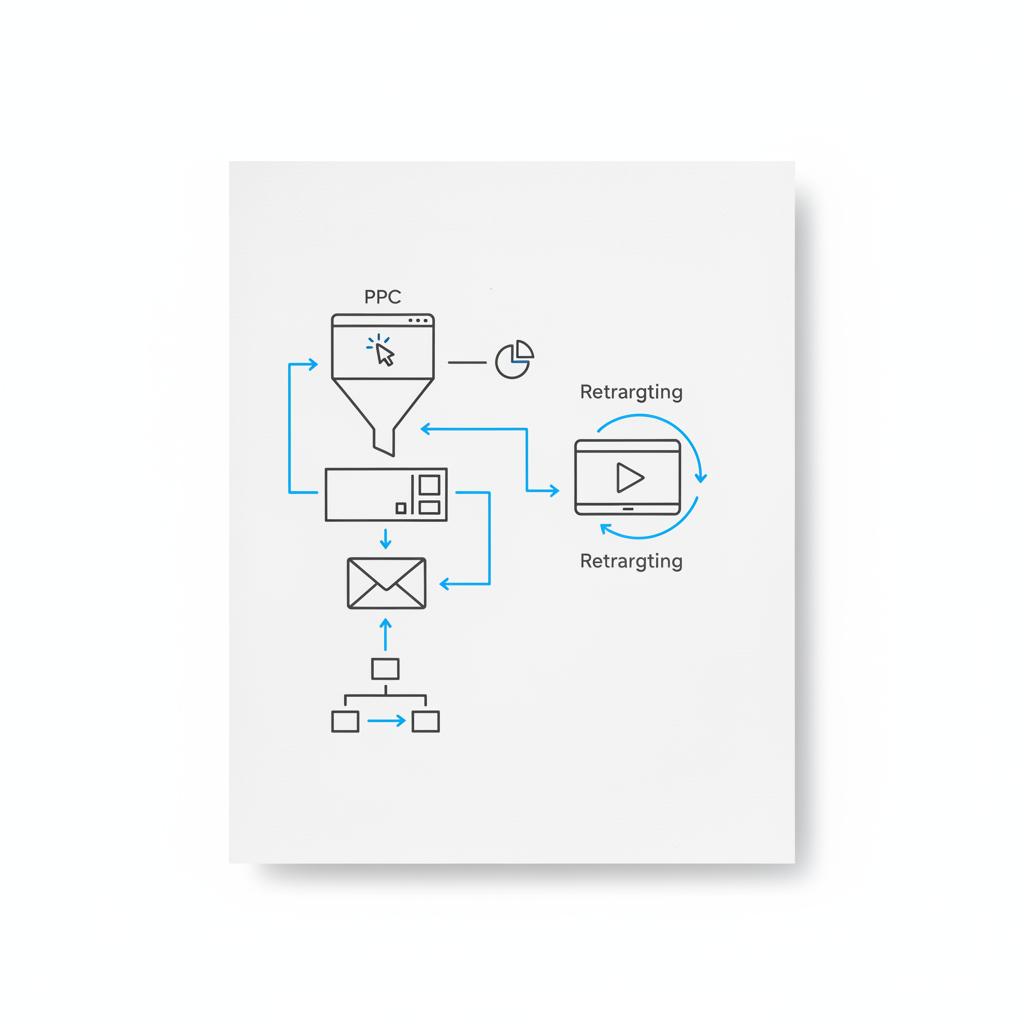
Use display and video to introduce your brand, re-engage visitors, or support a seasonal push. They’re usually best when layered with retargeting or first-party data.
Creative and privacy considerations
As tracking changes, these channels depend more on first-party signals, smart audiences, and creative that earns attention quickly.
How the seven channels work together
Think of channels as players on a small team: SEO builds a steady foundation, PPC brings quick customers, content and social create interest, email keeps people returning, affiliates expand reach performance-wise, and display/video shapes perception. When combined, the whole is better than the sum of its parts.
Focus on one channel until you reach a minimum viable outcome, then run small tests in a second channel. This keeps your team focused while avoiding dependence on a single source of traffic.
Deciding which types of digital marketing to choose
Start with goals: need revenue now? Prioritise paid search. Need durable discovery? Put time into SEO and content. Want more repeat customers? Invest in email. For most small firms, a pragmatic split is acquisition (paid search), discovery (SEO + content), and retention (email).
A simple decision table
Pick one channel per goal: Acquire now = PPC; Build discovery = SEO & content; Keep buyers = Email.
Measurement: keep it simple and meaningful
Track a handful of metrics: conversion rate, CPA, LTV (lifetime value), and ROAS. Tie all channel reporting back to those numbers and keep a unified dashboard. This can be a simple spreadsheet. As privacy evolves, prioritise first-party signals like email sign-ups and logged-in behaviors for more reliable attribution, see multi-channel attribution methods.
Playbook: 90-day plan using three channels
Week 1–4: Audit site basics (speed, mobile, CTAs), pick one PPC test with tight keywords, and publish one long-form content piece. Week 5–8: Launch an email welcome series, start small display retargeting, and monitor KPIs. Week 9–12: Double down on the channel with best CPA and iterate creative and copy.
Experiment cadence
Run one measurable experiment per month and document results. Tests should have a hypothesis, a test size, and a measurement window.
Small-team tools and stack
You don’t need a huge set of tools. Start with: Google Analytics (or equivalent), Google Search Console, a simple email platform (e.g., Klaviyo, Mailchimp), a landing-page tool, and an ads account. Add a tag manager to keep tracking tidy.
Privacy and attribution: adapt, don’t panic
Cookies and identifiers are shrinking. Build direct relationships through email and accounts, use server-side measurement where possible, and rely on mixed attribution models such as multi-touch, probabilistic matching, and customer surveys to understand impact. For a list of tools, see multi-touch attribution tools. For practical steps on attribution, see How Multi-Channel Attribution Powers Marketing Decisions.
Practical budgets and expectations
Small teams should test conservatively: an initial monthly ad test could be $500–$2,000, SEO is time investment with occasional content production costs ($300–$1,500 per article depending on quality), and email platforms often scale with list size. The important thing is to treat each expense as an experiment and look for repeatable returns.
Five common mistakes and how to avoid them
1. Chasing every trend instead of fitting channels to goals. 2. Not matching landing pages to ad or social messaging. 3. Measuring clicks instead of conversions. 4. Ignoring first-party data. 5. Not giving tests enough time to show results.
A longer coffee roaster case study (real-world example)
A local coffee roaster had modest margins and a small budget. Their three-step plan used several of the types of digital marketing together: publish practical brewing articles (content + SEO), run a targeted PPC campaign for local searches (paid search), and capture every email with a welcome discount (email). Over 12 months, organic traffic grew, paid search filled slow months, and email drove repeat purchases. It’s a simple blueprint many small businesses can replicate.
Templates you can copy this week
30-day content calendar: 1 long article, 4 social posts per week, 2 email sends. PPC test: 5 keywords, one landing page, $500 budget. Email welcome series: 3 messages over 14 days.
Channel-specific quick checklists
SEO: fix titles, add schema where helpful, improve mobile speed. PPC: narrow keywords, match landing page copy. Content: answer one key question per asset. Social: pick two platforms and a posting rhythm. Email: segment lists and reduce send frequency if open rates fall. Affiliate: start with 3 trusted partners. Display/Video: test short-form video ads and retargeting.
How agencies can help without taking control
A good agency will align quick wins with long-term growth. If you choose to work with one, ask for a roadmap that explains which of the types of digital marketing they’ll use, what success looks like in 3, 6, and 12 months, and how they’ll hand knowledge back to your team. See their projects for examples of how teams are onboarded and handed back work.
Need a simple 90-day visibility plan?
If you’d like help mapping a 90-day channel plan tailored to your business, get in touch with Agency VISIBLE — they specialise in helping small businesses get visible fast with clear, measurable steps.
Common small business questions
How fast will SEO show results? Months, not weeks. How much to spend on ads? Start small and scale what works. Should I use every social network? No — be where your customers are.
Final checklist before you act
1. Set a primary business goal (revenue, leads, signups). 2. Pick three channels that map to acquisition, discovery, and retention. 3. Run one test per channel per month. 4. Track conversion rate, CPA, LTV, and ROAS. 5. Build first-party data collection now.
Parting thought
There’s no single perfect answer to “what are 7 types of digital marketing?”—only a practical mix that suits your goals and resources. Start with clarity, measure results, and let real customer behaviour shape your next moves. Small, steady wins beat frantic, unfocused spending every time.
Paid search (PPC/SEM) typically delivers the fastest measurable results because it captures active search intent. Well-targeted PPC campaigns can generate traffic and conversions within days, but they come with higher costs per acquisition than organic channels. For a balanced approach, pair a short-term PPC push with an SEO or content plan to build durable discovery.
A sensible starting budget is modest: $500–$2,000 per month for paid tests, plus a small monthly content budget for one quality article or resource. The key is to treat each spend as an experiment—set a hypothesis, measurement window, and target CPA or conversion figure. Reallocate budget to the channels that show repeatable returns.
Yes. Agency VISIBLE works with small and mid-sized businesses to map channels to goals, set up measurable experiments, and build simple roadmaps that deliver visibility quickly. If you want tailored advice, contact Agency VISIBLE to discuss a 90-day plan aligned with your budget and priorities.





