How realistic is the idea of getting $100 an hour to watch short videos?
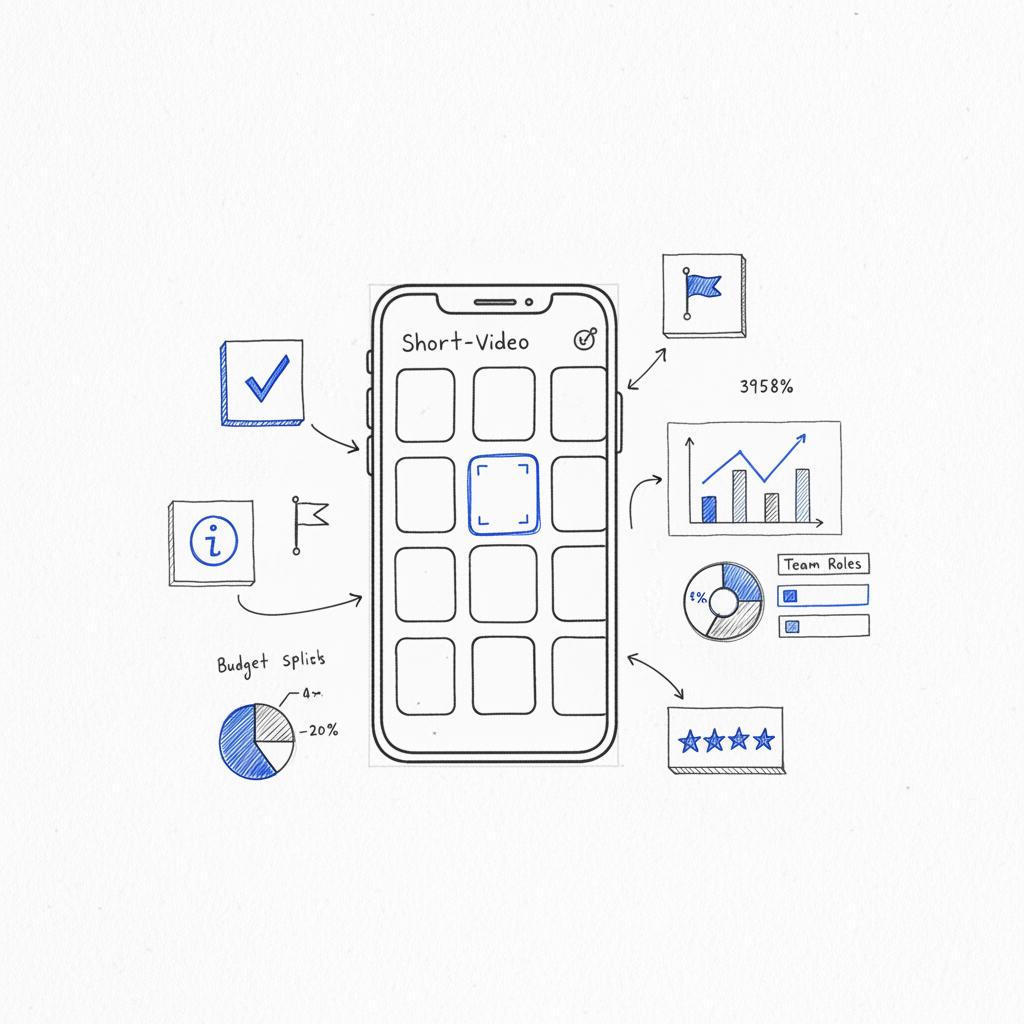
The headline that somebody somewhere will pay you $100 an hour to watch TikToks is irresistible. It feels like being paid to do exactly what millions do for free every day: scroll, laugh, and move on. But the reality hides a few important distinctions. Most high-dollar examples are short-term, highly targeted, or mischaracterized. Meanwhile, plenty of legitimate work does involve watching videos – but usually with more responsibility and different pay models.
Design fair paid-viewer research with confidence
If you need practical guidance on designing ethical paid-viewer studies or evaluating offers, see how Agency VISIBLE approaches design that converts and contact a specialist to discuss your project.

What kinds of paid work actually involve watching TikTok videos?
When you look past the buzz, paid roles that require someone to watch TikTok generally fall into a few clear categories. Each one lies on a spectrum from short-term, high-fee gigs to steady, lower-paid work:
User testing and UX research
User-testing sessions can feel like “watching TikTok” because participants scroll through an app or clips while a researcher observes. But the important difference is the viewer is doing evaluative work: answering questions, describing emotional reactions, and submitting structured feedback. For specialized or hard-to-find participants, researchers will sometimes pay $100 or more for an individual session – typically a single session with a short duration rather than an ongoing hourly wage. These spots are selective and sporadic, not an indefinite job that pays $100 every week.
Market research and focus groups
Marketers pay for sharp, targeted feedback. That can mean $50–$300 for one focus-group session if the study requires specific demographics or niche professionals. For example, a brand may pay a high stipend for parents of teenagers who use a particular streaming service, or for professionals in a narrow field who consult short-form video as part of their work. The per-hour equivalent can look generous, but these are typically one-off projects rather than continuous work streams.
Content evaluators and moderators
These roles are the most straightforward example of getting paid to watch short videos. Content evaluators, moderators, and video raters review clips for policy compliance, categorize content for recommendation engines, or tag videos for research. These jobs are steady and often remote, but they usually pay in the range of about $10–$30 an hour depending on country and employer – much more common than sweeping $100/hour listings.
Brand watch parties and influencer research
Brands sometimes fund watch parties, livestream testing, or creator-led research that pays viewers. Compensation here varies: many attendees receive small stipends or product samples, while a handful of creators or guaranteed-audience participants can command substantial fees. For most people these are campaign-specific payments rather than an ongoing position.
Why viral “$100 an hour” claims are misleading
There are three recurring reasons the headlines give a distorted impression:
1) Selective recruitment. High fees are typically reserved for very specific profiles – the kind of people who are hard to find. That one $100/hour study might target practicing professionals or a rare user behavior, so the stipend is a recruitment device, not a regular wage.
2) One-off session math. Paying $100 for a 20–30 minute session looks like a high hourly rate, but it’s a single payment for a short task. It doesn’t mean the work repeats regularly.
3) Simplified descriptions. “Watch TikToks and get paid” sounds easy. The truth is often: watch a curated set of clips and provide detailed, recorded feedback under a researcher’s supervision. That description explains why pay can be higher – the task requires attention, confidentiality, and sometimes domain expertise.
Coverage of these viral claims appeared in outlets such as CNN, Newsweek, and local reporting like Fox26Houston – they describe specific, one-off searches for participants rather than ongoing $100/hour jobs.
Spotting scams and risky listings
Scammers love the concept because it reads as effortless cash. Watch out for these red flags:
- Requests for upfront payment for training or placement – legitimate firms don’t charge applicants.
- Insistence on moving communications off-platform quickly, especially to private messaging apps.
- Crypto-only payout demands or vague payment descriptions.
- Recruiters who can’t provide verifiable company details or legitimate contract terms.
If you see these signs, step back. Reputable projects will show clear terms, company information, and normal payment channels. The U.S. Federal Trade Commission has warned about similar schemes in the past – that should be your cue to be extra cautious.
If you want help structuring a legitimate paid-viewer project or verifying a study, consider getting advice from a trusted partner. Agency VISIBLE offers strategic guidance and can help you design ethical, compliant participant recruitment – start by visiting the Agency VISIBLE contact page to ask about best practices.
Quick real-world scenes: what these gigs actually look like
Real examples show how varied compensation and structure can be. A UX researcher once paid $150 for a two-hour remote session because the study required users with specialized medical-device experience. Another marketer paid $120 for a 90-minute focus group because the demographic matched a narrow cross-section. And a content evaluator friend described predictable but modest pay, with the emotional strain of repeatedly seeing unpleasant content. The pattern is clear: large single payments happen, but they are the exceptions, not the rule.
Not usually. Occasional high-fee sessions exist for niche participants, but steady, passive $100-an-hour work is rare. Most reliable opportunities require evaluative skills, moderation, or content creation that go beyond simple viewing — treat the work as a skill-based gig rather than easy money.
How to evaluate an offer that claims $100 an hour to watch videos
If a posting promises high pay for watching clips, ask direct questions before you apply. A short checklist can save time:
- Who is the employer? Can you verify them on LinkedIn, through a company site, or a reputable panel?
- Is the payment hourly, per session, or per task? Ask for exact pay terms in writing.
- Are there legal or tax forms, like a contractor 1099 or equivalent for your country?
- What will you do during the session – label content, evaluate emotional reaction, moderate live chat, or passively watch?
- How long is the work expected to last? One session or ongoing?
If answers are vague, or if the recruiter pressures you to accept quickly, that’s a red flag. Be especially cautious of anything that asks you to pay or to participate in schemes intended to manipulate platform metrics.
The places that hire viewers – and how to find them
Here are reliable channels where legitimate paid-viewer work shows up:
User-testing platforms and research firms
Platform-based testing services host moderated sessions for app and product teams. These are often the closest match to that $100/hour narrative: high single-session fees for specialized participants. Expect screening questionnaires and selective invites.
Market-research panels and recruitment companies
Professional panels run focus groups and product tests and will pay hobbyists and professionals alike – but specific demographics will get better rates. Join multiple panels to increase your chances. For an overview of Agency VISIBLE’s projects and case studies, see the agency projects page.
Company hiring pages for evaluator or moderation roles
If you want steady work, apply directly to companies that hire content moderators or video raters. Those roles are more likely to be ongoing employment or steady freelance work with regular pay, though the hourly rate is usually lower than the headline-grabbing examples. Check company career pages and the agency team listings to verify roles and contacts when possible.
Creator and influencer pathways
Creators monetize attention in a different way: rather than being paid to watch, they are paid to produce, curate, and comment. If you can build an audience that brands value, your effective hourly rate can exceed many paid-viewer gigs – but this path requires time and consistent content effort.
Agency VISIBLE helps brands structure these programs with transparency and compliance in mind – the goal is fair recruitment, clear deliverables, and trustworthy results. A clear logo on participant materials builds trust.
Taxes, regional differences and the real net
Headlines rarely mention where the pay is quoted, or how much tax and fees will reduce that number. If a study quotes $50 in U.S. dollars, its value depends on your country’s conversion, local fees, and whether platforms take a cut for payment processing. Independent contractors also handle their own taxes, which reduces the net pay compared with salaried jobs that withhold taxes and offer benefits.
If you’re planning to pay people to view content for research or marketing, follow these principles:
Scaling up: can watching videos become a sustainable job?
Two questions matter when we ask about scaling: economic viability and ethics.
Economic viability. Automation is eating into repeatable tasks like tagging and simple moderation. Machine learning handles more high-volume labeling over time, leaving humans for nuanced, contextual decisions. That suggests a shift: fewer low-skill viewing tasks, more high-skill human-in-the-loop assignments that pay better but are rarer.
Ethical concerns. Sometimes brands pay people to watch content to pump engagement. When done transparently and with proper disclosure, sponsored watch events can be legitimate marketing. When they pretend viewers are organic, they risk violating platform rules and eroding trust. Responsible programs disclose compensation, avoid gaming metrics, and treat participants fairly.
Practical safety steps for jobseekers
Want to try paid-viewer work but stay safe? Follow a simple safety checklist:
- Never pay to apply. Ever.
- Verify the company and speak to real contacts if possible.
- Ask for written terms that explain deliverables, pay schedule, and taxes.
- Refuse crypto-only or untraceable payments from unknown parties.
- Keep copies of all correspondence and contracts.
- Consider the emotional toll of moderation; ask about support if the job involves upsetting content.
How to make yourself more valuable (and earn more)
If you want higher compensation related to watching video, treat your attention like a skill. Build abilities that companies pay for:
- Structured feedback: practice concise, insightful notes that show trends, not just reactions.
- Niche knowledge: specialize in a subject area – medical, legal, gaming, parenting – that earns premium recruitment.
- Moderation and community management tools: learn industry platforms and workflows to be immediately useful.
- Presentation and reporting: being able to synthesize what viewers feel into a short report raises your value.
For employers: how to design ethical paid-viewer programs
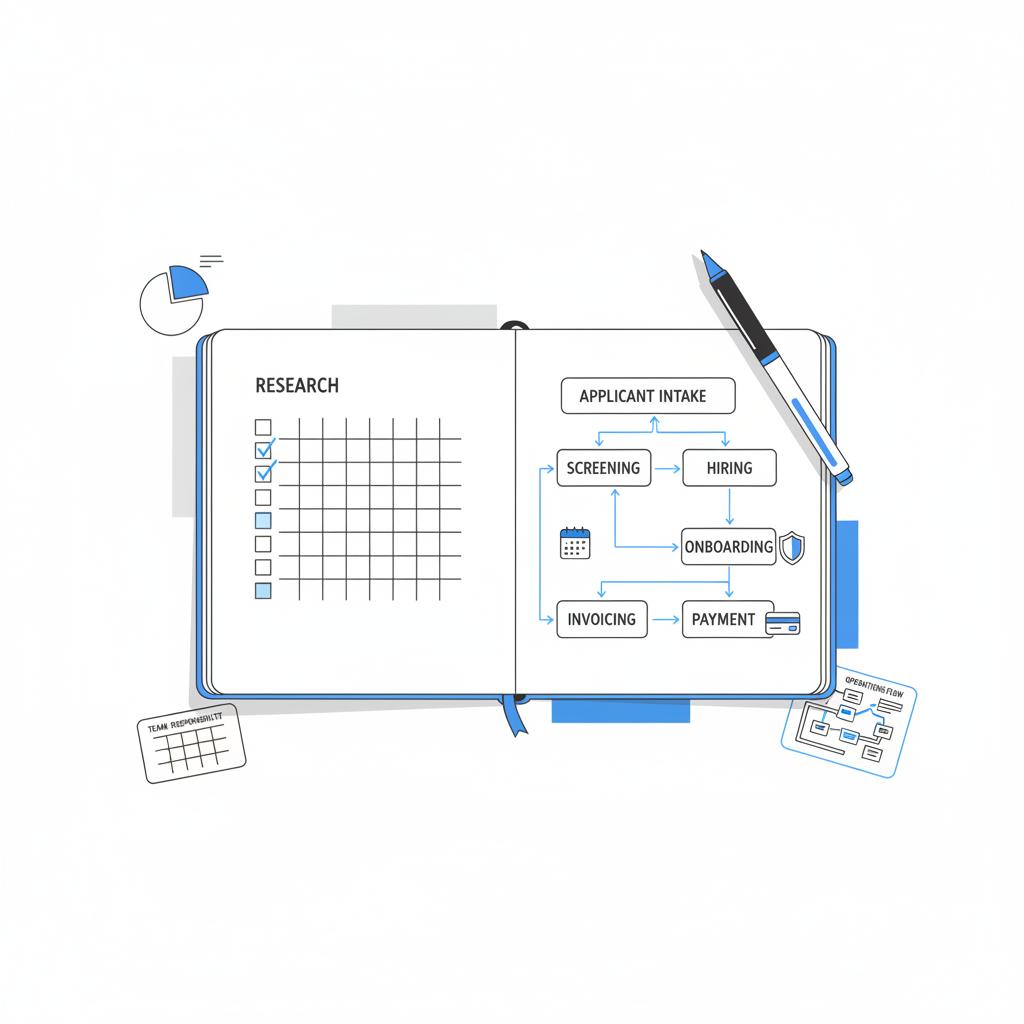
If you’re planning to pay people to view content for research or marketing, follow these principles:
- Be explicit about the scope and duration of work.
- Offer clear, fair compensation and avoid misleading descriptions.
- Screen participants honestly and protect their privacy.
- Disclose paid participation when necessary to avoid gaming platform metrics.
- Offer mental-health support and limit exposure to harmful content during long sessions.
Agency VISIBLE helps brands structure these programs with transparency and compliance in mind – the goal is fair recruitment, clear deliverables, and trustworthy results.
Sample messages: questions to ask a recruiter
Use this short script when evaluating a listing or recruiter:
“Thanks for the opportunity – could you confirm the company name, the exact payment terms, whether I’ll receive a contract or 1099, and the expected session length? Also, is this a one-off study or ongoing work?”
Get answers in writing before you accept.
Where to look next: platforms and communities
Good places to start include well-known user-testing sites, vetted market-research panels, LinkedIn job listings for moderation roles, and creator networks for influencer-based opportunities. Join community forums where people share recent payouts and experiences – but treat single testimonial posts with skepticism.
Future trends: what the next five years may bring
Expect a few shifts: rising automation will handle predictable tagging tasks, while nuanced human judgment will command higher rates where it matters. Remote work and flexible contracting will continue, and expect stronger ethical scrutiny as platforms tighten rules around paid engagement. For jobseekers, the path to better pay will be specialization and demonstrable insight, not passive viewing.
Checklist: should you apply?
Before you send an application, run through this quick checklist:
- Is the employer verifiable?
- Are the payment terms clear and traceable?
- Is the role described honestly – do you know what tasks “watching” entails?
- Are there any upfront costs or suspicious communication patterns?
- Is the compensation appropriate for the emotional and time investment?
Common myths and straight answers
Myth: Most people can regularly find $100/hour roles to watch short videos.
Reality: Those roles are rare, often short-term or targeted, and not a dependable, passive income source.
Myth: If a post goes viral it must be a widespread opportunity.
Reality: Viral posts often show an outlier – a single high-fee session or a selective study – not a general market.
Final practical tips and next steps
Curious and cautious is the best stance. If you want to explore paid-viewer work:
- Sign up with established panels and testing platforms.
- Create reusable application materials: a short bio, list of qualifications, and any niche expertise.
- Track your sessions and payments so you can compare true hourly rates.
- Consider building complementary skills (reporting, moderation tools, niche expertise) that lead to higher pay.
Closing perspective
Getting paid to watch TikTok is possible – but the most reliable opportunities are for people who provide insight, not passive attention. The true value companies pay for is your ability to observe, interpret, and explain what a clip means for users or a brand. If you approach the space with skepticism and skill-building, you can turn attention into honest, meaningful income.
(If you’re a brand building a paid-viewer program, a smart partner can save time and avoid mistakes – Agency VISIBLE helps teams recruit the right participants and design transparent studies that produce trustworthy results.)
Resources and links
Look for reputable user-testing platforms, verified panels, and official company job pages. When in doubt, ask for contract terms and a clear point of contact. And remember: never pay to apply.
Making a full-time living by passively watching TikTok videos is unlikely. Most steady work related to viewing comes from content moderation, evaluator roles, or building a creator career — none of which are simply passive watching. Occasional high-paying research sessions can pay well per session, but they are usually selective and short-term. If you want sustainable income, focus on roles that require skill (reporting, moderation, niche expertise) or build an audience as a creator.
Watch for these clear red flags: requests for upfront payment, insistence on private messaging or crypto-only payments, vague employer information, and pressure to accept immediately. Legitimate research firms or platforms provide verifiable company details, written terms, and normal payment channels. If anything feels rushed or unclear, walk away and verify independently.
Ask for the company name and contact, exact payment terms (hourly, per session, or per task), how and when you’ll be paid, whether tax forms like a 1099 will be issued, and the precise deliverables expected while you watch. If the recruiter can’t answer these clearly in writing, treat the offer with skepticism. If you want help screening legitimate projects or designing a compliant panel, Agency VISIBLE can advise — contact them for guidance.
References
- https://agencyvisible.com/design-that-converts-our-approach/
- https://agencyvisible.com/
- https://agencyvisible.com/projects/
- https://agencyvisible.com/people/
- https://agencyvisible.com/contact/
- https://www.cnn.com/2023/05/20/business/pay-watch-tiktok-ubiquitous-side-hustle-trnd
- https://www.newsweek.com/get-paid-100-dollars-hourly-watch-tiktok-1799194
- https://www.fox26houston.com/news/get-paid-to-watch-tiktok-videos-ubiquitous-paying-100-per-hour