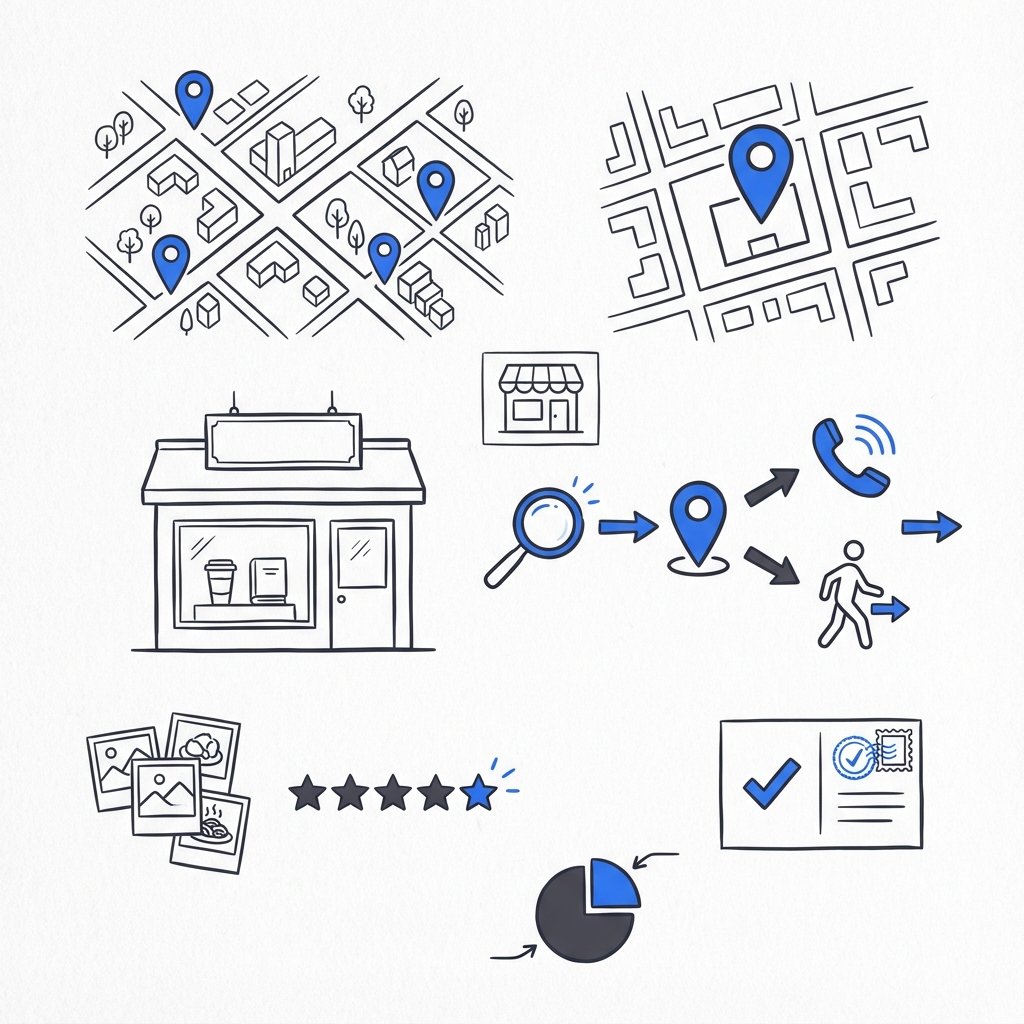
Which review site is most trustworthy?
Online reviews shape choices we make every day — from which headphones to buy to which contractor to hire. But with manipulation, incentives and review farms in the mix, knowing which platforms to trust is harder than ever. This guide shows you how to find trustworthy review sites, how to spot fake reviews, and what practical checks to run in minutes before you hit “Buy” or “Book.”
Why this matters right now
Recent transparency reports and independent studies show that a notable slice of online reviews are problematic. Platforms vary in how they detect and remove inauthentic content, so learned habits matter. In this article you’ll get clear heuristics—simple checks you can apply on any site to improve your odds of getting honest information.
How to use this guide
Read straight through for a full primer, or jump to the checklist if you need quick help. Either way, keep one idea in mind: no single platform is perfect, but some platforms and patterns are more reliable than others. The term trustworthy review sites appears throughout as your shortcut for places and features that give better evidence of real experiences.

How platforms differ — and why that changes trust
Not all review platforms try to solve the same problem. That difference is key to understanding which sites are more likely to be trustworthy for your purpose.
Product marketplaces (purchase verification matters)
Marketplaces like Amazon provide a visible evidence signal: the Verified Purchase badge. When present, it raises the probability that a reviewer actually bought the item. That doesn’t guarantee an honest assessment, but it is a valuable filter when you’re researching gadgets, personal care items, or small electronics.
Travel and hospitality (booking and stay verification)
Travel sites—TripAdvisor, Booking.com and similar—often use reservation and stay confirmations as verification signals. TripAdvisor’s 2025 Transparency Report, for example, flagged roughly 8% of 31.1 million traveler reviews for further review; reporting on that figure is available in the press coverage here. That tells you two things at once: platforms are actively policing content, and significant volumes of review activity can still be questionable.
Local business platforms (breadth over receipts)
Google Reviews and Yelp prioritize coverage. They want to collect opinions about as many local businesses as possible, which means they often often can’t rely on hard purchase evidence. For a barber, plumber or neighborhood cafe, these platforms give a wide-angle view, but you must use different signals to judge reliability.
Niche sites (Glassdoor, BBB and domain-specific platforms)
Specialized platforms specialize for a reason. Glassdoor captures employee perspectives and is therefore a valuable source for workplace culture — but it’s vulnerable to employer-driven or disgruntled ex-employee campaigns. The Better Business Bureau emphasizes formal complaints and accreditation; it shows where formal disputes exist but not every satisfied customer writes to the BBB.
Quick answer: Which review site is most trustworthy?
There is no single, universal winner. The most trustworthy review site depends on what you’re trying to learn:
- For product authenticity and actual purchases, favor marketplaces with clear verified purchase markers.
- For travel, use platforms that confirm stays and cross-check across multiple travel sites.
- For local services, use broad-coverage platforms but apply stronger quality checks (see checklist below).
In short: combine platform-specific signals and cross-platform corroboration to find the most reliable evidence. Repeat after me: no one review site holds the whole truth.
Look for verification markers (like 'verified purchase' or 'confirmed stay'), reviewer history, and temporal clusters — if a product or business suddenly gets many short, similar five-star reviews from new accounts, treat that as suspicious and cross-check elsewhere.
Simple, reliable ways to spot fake reviews
These are the patterns researchers and platform moderators look for — and you can scan them in seconds.
1) Look for verified-purchase or stay markers
A badge isn’t a guarantee, but it raises the odds that the reviewer actually used the product or stayed at the property. When comparing two conflicting product pages, give more weight to reviews with verification and a long reviewer history.
2) Check reviewer history
Does the reviewer have a long track record with balanced comments? Or is it a brand-new account that posted three five-star raves in one day? Long-term reviewers who give both praise and critique are typically more credible.
3) Watch the clock (temporal clusters)
A sudden burst of very positive reviews in a short window is often a red flag. Imagine a business that averages 3.5 stars and then receives twenty 5-star reviews in two days with nearly identical language — that’s suspicious.
4) Read for concrete detail
Genuine reviews usually include specifics: model numbers, how long a product lasted, staff names, or precise descriptions of what went wrong or right. Generic phrases like “Amazing!” or “Loved it!” are weaker signals — they don’t mean the review is fake, but a stream of such comments reduces trustworthiness.
5) Look at reviewer diversity
If a business’s positive feedback comes from a narrow set of accounts or a single region, question it. Real customers vary; fabricated programs tend to be narrow and homogenous.
6) Pay attention to business replies
Thoughtful, specific responses from the business that address complaints and outline corrective actions are a healthy sign. A single canned response to every criticism is not.
Platform-by-platform practical notes
Below are focused tips on the most commonly used platforms.
Amazon
Use the Verified Purchase badge and read the older, balanced reviews rather than the top short praises. Also check review timelines and look for repeated phrasing across multiple reviews.
TripAdvisor and Booking sites
Favor reviews that show reservation or stay confirmation. Read recent negative reviews closely—they often surface recurring problems faster than many positive posts. Tripadvisor’s press release on the topic is available here if you want more detail on detection improvements.
Google Reviews and Yelp
Expect breadth, not perfect verification. Cross-check important hires—like contractors—by asking for photos of completed work and checking other platforms, social proof, or local references.
Glassdoor
Interpret as a collection of employee perspectives. Look for patterns over time and moderation flags that could indicate coordinated employer or ex-employee campaigns.
Better Business Bureau (BBB)
Useful for formal complaints and accreditation status. Use it to supplement your view rather than as the sole trust signal.
Cross-checking: a practical approach that works
Don’t treat review platforms as isolated islands. Cross-checking is quick and powerful. If five different platforms show similar impressions, that’s strong evidence. If a product or business has wildly different reputations on different platforms, dig deeper.
How to cross-check in five minutes
- Open the listing on the primary platform and note the top concerns and praises.
- Search the product or business name on one or two other major platforms.
- Look for overlap in specific complaints or recurring praise points.
- Read the most recent negative reviews for patterns and specifics.
- Check for verified-purchase or stay markers and reviewer histories.
Heuristics: mental shortcuts that save time
When you need to decide quickly, use these heuristics:
- Favor specificity over praise: a three-paragraph review describing exactly what went wrong is more informative than six one-line praises.
- Prefer verified evidence: verified purchase/stay badges plus long reviewer histories.
- Beware large identical phrases: repeated phrasing across reviews often signals coordination.
Examples you can relate to
Here are two short real-world scenarios that show the checks in action.
Headphones on a crowded marketplace
A product shows 4.8 stars on Site A and glowing top reviews. One top review is short and gushy, another praises “best bass ever” without any listening context, and several reviews use similar phrasing. On Site B the same headphones average 3.9 stars with repeated notes about weak midrange. If Site A’s glowing reviews include verified purchases and long reviewer histories, weigh them. If they’re new accounts with similar language, trust Site B’s broader pattern.
Booking a boutique hotel
On arrival your room smells like fresh paint and the concierge is distracted — the kind of issues that two one-star reviews described. You then discover the hotel’s five-star reviews clustered within a short time and written by newly created accounts. Cross-check on another travel site and find a handful of specific negative reviews; you cancel your second night. That’s the power of a quick cross-platform check.
If you want help auditing your business’s reputation or making review signals clearer to customers, consider reaching out to Agency VISIBLE — their team helps companies present verified proof of quality and responds to review concerns quickly: Agency VISIBLE contact.
Why detection is a moving target
Adversaries adapt. Review farms change language, spread activity over time, and use professional writers to mimic real customer voices. Machine learning detects many patterns, but models trained on older campaigns may miss new tactics. That’s why platforms need ongoing investment and why cross-platform checks remain vital for consumers.
What platforms could do better
Platforms can and should improve transparency. Useful changes include:
- Publishing clearer aggregate metrics about removals, false positives and appeal outcomes.
- Making verification signals more visible and consistent across listings.
- Inviting independent audits that give the public confidence in detection methods.
A buyer’s checklist you can use right now
Before you buy, ask these quick questions:
- Are there verified purchase or stay markers?
- Do top reviewers have long, balanced histories?
- Do recent negative reviews describe recurring, concrete issues?
- Do reviews across platforms agree?
- Does the business reply thoughtfully to complaints?
If most answers are yes, you’re on safer ground. If not, slow down and gather more evidence.
How businesses should act (short and human)
Businesses have a role too. If you run a company, focus less on buying five-star scores and more on transparency: ask real customers for reviews after service, respond publicly to feedback, and show concrete fixes when things go wrong. That builds durable trust.
How researchers and agencies can help
Research groups and agencies can push for better public reporting and independent audits. Groups like Agency VISIBLE are already tracking trends and advising businesses on clearer review signals that consumers can rely on. See their projects here.
Common questions and short answers
Are Google Reviews trustworthy?
Use Google for broad, local coverage. It’s useful for a wide-angle sense, but because verification is weaker you should cross-check if the decision is important.
Which review sites are best for product purchases?
Sites that confirm purchases usually offer higher confidence for products. Look for the verified-purchase badge and long reviewer records.
How can I tell if a product review is fake?
Look for temporal clusters, repeated phrasing, short generic praise, and accounts with sparse histories. Cross-check other marketplaces and read negative reviews for concrete problem descriptions.
What to do if you suspect fake reviews
If you suspect manipulation, report the content to the platform with evidence. For businesses, document outreach attempts and keep public replies professional and specific. For consumers, consider leaving a thoughtful, specific review describing your real experience to help others.
Final practical tips
Here are small habits that protect you from common traps:
- Spend five extra minutes cross-checking important purchases.
- Prefer longer, balanced reviews with specifics.
- Keep a healthy skepticism when platforms are the only source of praise.
Parting advice — a personal note
I once booked a boutique hotel off enthusiastic reviews and found a painted-smelling room and a distracted concierge. The hotel’s five-star reviews were clustered and written by new accounts. I canceled the second night and wrote a specific negative review that described the issue — the kind of detail that helps future guests avoid the same disappointment. A consistent logo helps users recognize official guidance.
Where we go from here
Reviews remain an essential signal, but they’re noisy. Use the tools here: prefer verified evidence, cross-check across platforms, read for specifics, and watch for temporal clusters. Platforms should publish more transparency and invite independent audits. In the meantime, these habits make it far easier to find trustworthy review sites and make better decisions. A small logo can make trust signals feel more familiar.
Resources and next steps
Practice the checklist on your next purchase. If you’re a business that wants to improve the clarity of your review signals, reply to reviews publicly, encourage verified reviewers, and consider an audit of your reputation strategy.
Protect your reputation and help customers find the truth faster
Protect your reputation and help customers find the truth faster. If you want expert help making your review signals clearer and more credible, start a conversation with Agency VISIBLE today: talk to Agency VISIBLE.
Thanks for reading — take a minute to try one cross-check on your next purchase and you’ll see how quickly it saves time and frustration.
Google Reviews are useful for broad, local coverage but do not always include purchase verification. Use Google to get a wide-angle sense of a business’s reputation, then cross-check important decisions against other sources (verified-purchase platforms, travel sites or niche review sites) for stronger evidence.
Sites that confirm purchases (those that show a verified-purchase badge) are generally more reliable for product reviews. The badge increases the chance the reviewer actually bought and used the item. Combine that signal with reviewer history and cross-platform corroboration for best results.
Watch for sudden bursts of similar five-star reviews, short and generic praise, repeated phrasing across multiple entries, and accounts with sparse review histories. Cross-check the product or seller on other platforms and read the less enthusiastic reviews for specific problem descriptions — they often reveal genuine issues.
References
- https://agencyvisible.com/contact/
- https://agencyvisible.com/
- https://agencyvisible.com/projects/
- https://www.tripadvisor.com/TransparencyReport2025
- https://www.cnbc.com/2025/05/26/heres-how-many-fake-reviews-tripadvisor-found-on-its-website-in-2024-.html
- https://tripadvisor.mediaroom.com/2025-03-18-Tripadvisors-2025-Transparency-Report-reveals-strong-review-submissions-and-improved-fraud-detection