Who is the target market for handyman services? Understanding the target market for handyman services is the first step to building a steady pipeline of jobs, repeat customers, and reliable revenue. Whether you’re a solo professional, a two-person crew, or a growing local business, knowing exactly who needs your tools, timeline, and trust matters.
Why defining your target market for handyman services matters
Think of your business as a compass: marketing without a clear direction points everywhere and gets you nowhere. When you define the target market for handyman services, you know what to say, where to show up, and how much to charge. It changes throwing flyers into the wind into thoughtful outreach that turns strangers into regulars.
What “target market” really means for handymen
A target market is a specific group of people who share needs, budgets, and behaviors that match your services. For the target market for handyman services, this could mean homeowners who prefer quick, reliable fixes; landlords who need tenant-turnover repairs; or small business owners who want a trustworthy local contractor. The clearer you get, the easier it is to build offers and messages that convert.
If you want a short workshop to map your ideal customers and messaging, consider a quick planning session with Agency VISIBLE—they help local businesses clarify who to speak to and how to reach them without overcomplicating the work.
Primary segments inside the target market for handyman services
Most successful handyman businesses don’t serve everyone. They pick core segments where they can deliver exceptional value. Below are the most common and the practical reasons they matter.
1. Homeowners (owner-occupied)
Owner-occupied homeowners are the backbone of the target market for handyman services. These are people who own their house, have discretionary budgets for repairs and upgrades, and want work done well and quickly. Typical needs: small renovations, routine maintenance, appliance hookups, painting, door/window repairs, and seasonal jobs (spring cleaning, winter prep).
Key traits: value reliability, respond to local reviews, and prefer clear, up-front pricing.
2. Renters (as referrers) and new homeowners
Renters won’t typically hire a handyman directly, but they refer new owners, or request fixes through landlords. New homeowners, on the other hand, are a golden audience: they need inspections, small upgrades, and immediate fixes. These groups are part of the target market for handyman services because they generate steady work and referrals.
3. Landlords and property managers
Landlords and property managers need reliable, fast, and cost-effective solutions for turnovers, emergency repairs, and regular maintenance. They value predictable pricing, documented work, and fast response times. This segment often yields repeat, higher-volume work for handymen who can scale response windows and invoicing systems.
4. Real estate agents
Real estate agents often need quick fixes to close deals: paint touch-ups, cabinet repairs, or staging-friendly improvements. Agents want someone who can act fast and make a small investment look like a bigger one. Building relationships with agents can create a steady stream of short-term jobs that pay well and lead to referrals.
5. Seniors and aging homeowners
Seniors and aging homeowners form a compassionate and reliable component of the target market for handyman services. They need accessibility upgrades, safety checks, grab bars, threshold adjustments, and minor repairs—often with high emphasis on trust, background checks, and clear communication. This market values patience and clear explanations more than low price.
6. Busy professionals and families
People who work long hours or travel frequently value convenience. They want scheduling flexibility, quick turnarounds, and trustworthy technicians. These customers are willing to pay a premium for a technician who shows up on time and cleans up when the job is done.
7. Small businesses and local shops
Many small businesses need occasional maintenance—door repair, shelving, light carpentry, or trim work. Commercial clients may pay more per job and appreciate a single contractor they can call for diverse needs. This group can be an important part of the target market for handyman services because business owners tend to offer repeat work and steady referrals.
How to choose which segment to focus on
Picking a segment doesn’t mean ignoring others — it means prioritizing. Ask these questions: Which customers are easiest for me to reach right now? Which jobs fit my skills and tools? Which clients pay reliably and refer others? Your answers shape a practical, profitable focus.
Quick exercise to pick a niche
List the last 20 jobs you completed. Which 5 generated the most profit and least hassle? Who were those customers? Patterns in that small sample often reveal a simple starting point for the target market for handyman services.
Start with the customer group that already brings you the best mix of profit and low friction—often owner-occupied homeowners or small landlords—and double down on channels where they search locally (Google Business Profile, neighborhood platforms, and direct outreach to property managers).
Positioning: service, price, and promise
Once you choose a segment, position your service accordingly. Positioning answers: what you do, how you charge, and what the customer can expect. For example, if you focus on seniors, your promise might emphasize background checks and patient communication. If you focus on landlords, the promise might be 24–48 hour turnaround on tenant issues.
Service packages that work
Create a simple menu of offerings: emergency repairs, small remodels, seasonal maintenance, and inspections. Bundles make sales easier: offer a discounted seasonal check or a landlord maintenance plan. Bundles and packages help you sell higher-value relationships rather than one-off fixes.
Pricing tips
Transparent pricing builds trust. Offer flat-rate options for common jobs (e.g., door installation, faucet replacement) and hourly rates for unknowns. For the target market for handyman services, include travel fees clearly and provide quotes when possible. Consider tiered service: standard, priority, and premium (which includes faster booking and a follow-up check).
Marketing channels that reach each segment
Different audiences live in different places. Match your message to the channel where your target customer already spends time.
Local SEO & Google Business Profile
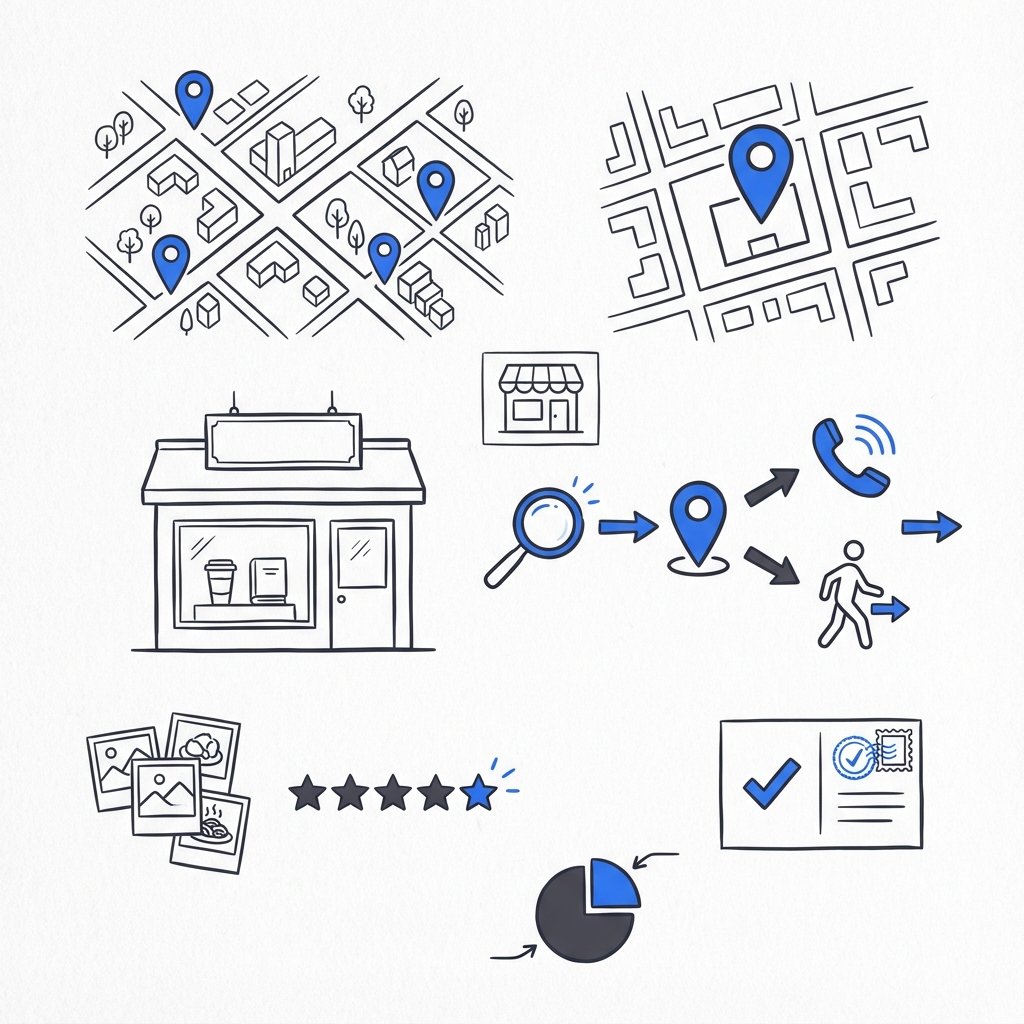
For almost any segment in the target market for handyman services, Google is first. Optimize your Google Business Profile with recent photos, updated services, and regular posts. Request reviews from happy customers. Local SEO helps you show up when people search things like “handyman near me” or “fix door hinge near [neighborhood].”
Neighborhood and community platforms
Platforms like Nextdoor, Facebook neighborhood groups, and community bulletin boards are great for homeowner and senior markets. These places build trust through local recommendations.
Property manager outreach
For landlords and property managers, direct outreach matters: email, phone calls, and LinkedIn connections work. Offer a short free audit for their properties or a guaranteed-response plan to stand out. Contracts or preferred-vendor agreements are often earned through consistent, reliable service.
Partnerships with real estate pros and local stores
Create relationships with real estate agents, hardware stores, and property managers. Leave business cards and small flyers at complementary businesses. Attend local networking events where property professionals gather.
Paid ads for quick traction
Targeted search ads and local social ads can create immediate interest. Use geo-targeting around neighborhoods you serve and craft ad copy for each audience segment (e.g., “Same-week handyman for landlord turnovers” vs. “Trustworthy home repairs for seniors”).
Messages that convert: examples and templates
Your messaging should speak to the pain and the desired result. Below are simple templates you can adapt for web, email, or ads.
For homeowners
“Fast, reliable home repairs—quoted up front, done right the first time. Book same-week appointments in [Neighborhood].”
For landlords
“24–48 hour turnaround on tenant repairs. Clear invoices, electronic payments, and documented work for property managers.”
For seniors
“Patient, background-checked technicians who make homes safer—grab bars, thresholds, and small repairs with respectful service.”
How to price and package services for higher lifetime value
Think beyond the one-off job. A handyman who offers maintenance plans, seasonal checks, or landlord subscriptions creates predictable income and increases lifetime customer value.
Example package
Monthly maintenance subscription: 2 seasonal checks per year + priority scheduling + 10% off labor for all other work. Subscriptions build recurring revenue and lock in regular clients from across your target market for handyman services.
Operational systems that scale
Good systems keep customers happy and reduce stress. Use simple tools for scheduling, invoicing, and follow-ups. A shared calendar, a basic CRM, and automated invoice reminders can turn chaos into a smooth operation.
Dispatch & scheduling
Clear windows and confirmation texts reduce no-shows. If you target busy professionals, offer evening or weekend appointments and online booking.
Documentation & warranties
Provide before-and-after photos, a short job summary, and a mini-warranty. This builds trust for seniors, landlords, and real estate pros who expect clarity and accountability.
Using content and local SEO to attract the right customers
Content helps you appear in search and builds trust. For the target market for handyman services, focus on short helpful pieces and local advice: “How to winterize your home in [City]”, “Checklist for tenant move-out repairs”, or “Simple accessibility changes that make a big difference.”
Blog and FAQ ideas
Create articles that answer common questions and include neighborhood names. People searching for solutions will find you when your content matches their query. Keep writing short, practical posts that people can use immediately.
Turn reviews and referrals into repeat business
Ask for reviews after a completed job—make it easy with a direct link. Offer a small discount for referral jobs. For the target market for handyman services, local reputation is often the primary driver of new business.
Sample follow-up message
“Thanks for choosing us—if you’re happy with the work, a quick Google review helps us keep serving the neighborhood. Send a friend our way and we’ll give you 10% off your next service.”
Seasonal shifts and how to prepare
Demand changes through the year. Winter brings heating and weatherproofing jobs; spring invites yard and exterior repairs. Map your services to the calendar and pitch seasonal offers to your chosen segment of the target market for handyman services.
Safety, insurance, and trust factors
Customers care about insurance, certification, and background checks. Make this information easy to find—display your insurance, licensing, and a short team bio. These trust signals are essential for seniors, landlords, and real estate professionals.
Examples and short case studies
Example 1: A two-person crew focused on landlords created a preferred-vendor agreement with three local property managers. They offered 24–48 hour responses and simple monthly invoicing; within six months they doubled recurring work.
Example 2: A solo handyman targeting seniors trained for accessibility installs, added background checks, and ran ads in community newsletters. The business tripled calls and raised average ticket by offering safety-focused packages.
Common mistakes and how to avoid them
Trying to serve everyone dilutes quality. Avoid broad statements like “we do everything” and instead advertise clear services for your selected customer groups. Don’t underprice just to win jobs—transparent and fair pricing builds long-term trust.
Operational pitfalls
Poor scheduling and lack of follow-up lead to lost repeat business. Use a simple system to confirm appointments, collect feedback, and encourage referrals.
How to track success and improve
Set a few metrics and check them monthly: inbound calls, online booking conversions, repeat customers, and average ticket value. Use customer feedback to refine services and messaging. Small changes—like updating photos or clarifying pricing—often have outsized effects.
When to bring in outside help
If marketing or operations feel overwhelming, a short engagement with a partner can help. A consultant can set up local SEO, run initial ad campaigns, and create messaging that converts.
Final checklist to identify your best target market for handyman services
1) Review your last 20 jobs for patterns. 2) Pick the top 1–2 segments that fit your skills and cash needs. 3) Create simple service packages and clear pricing. 4) Choose 2 marketing channels and show up consistently. 5) Ask for reviews and referrals after every job.
Next steps you can take today
Pick one segment from the list above and write a short 60–word pitch aimed at that group. Update your Google Business Profile and ask one recent client for a review. Small actions compound into a steady stream of jobs.
Ready to find your best customers and get booked more often?
Want help getting started? If you’d like a short strategy session that helps you define your ideal customers and the messages that work, contact Agency VISIBLE to schedule a no-pressure planning call.
Key takeaways
Define a clear target market for handyman services, craft offers and messaging for that group, show up where they search, and build systems that make repeat service simple. With these steps, you’ll turn one-off jobs into a reliable, scalable business.
Thank you for reading—now pick one customer type and make that group your focus for the next 30 days.
Homeowners (owner-occupied) are the most common customers, especially those who value convenience and reliability. Landlords and property managers also generate frequent, repeat work, while seniors and busy professionals seek trusted, time-saving services. Each group responds to different messages—homeowners look for clear pricing and reviews; landlords want fast turnaround and documented work; seniors need trust signals and patient communication.
Direct outreach works best: offer a quick free audit, emphasize predictable invoicing, and promise a reliable turnaround window (e.g., 24–48 hours). Create a preferred-vendor packet with sample invoices, insurance information, and references. Networking at local landlord or real estate events and LinkedIn outreach can also open doors to steady contracts.
Update your Google Business Profile with recent photos, service descriptions, and a call-to-action. Then ask one recent happy customer for a review and share the link immediately after a job—small, timely steps like these often boost visibility and trust quickly.