How do I advertise my roofing business?
If you run a roofing company and you’ve asked yourself “what is the best way to get roofing leads?”, you’re asking the right question. Roofing is a local, trust-driven field – and the most reliable, profitable growth comes from showing up where homeowners look, answering quickly, and measuring whether each lead becomes real revenue. In this guide you’ll find a clear, human-first roadmap built around the channels that consistently produce high-quality jobs: local search tools, pay-per-lead options, targeted paid media, and the low-cost but effective offline signals that make your brand familiar in the neighborhood.
Why local-first roofing marketing wins
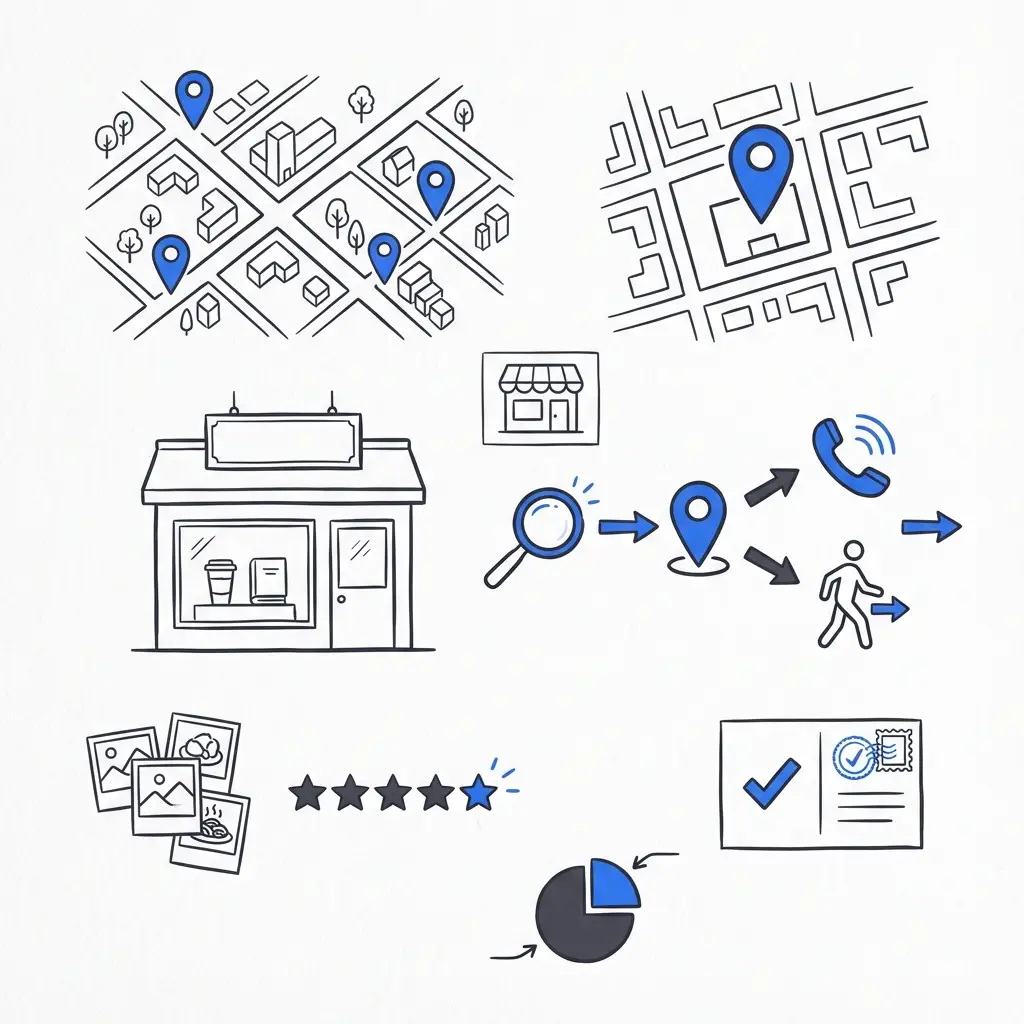
When a shingle blows off or a leak shows up, homeowners reach for their phones and search. They want an honest answer, a quick phone number, and proof someone nearby can fix the problem. That’s why local visibility – first through your Google Business Profile and Local Services Ads – matters so much. These channels match intent with proximity and trust, which often produces higher conversion rates than broad digital campaigns.
Roofing marketing that prioritizes local trust converts better because it reduces friction: phone numbers are clickable, hours are visible, photos show real work, and reviews provide social proof. In short, customers decide in seconds and prefer companies they can verify quickly.
If you’d rather get an expert set-up and run a fast local test, an experienced partner like Agency VISIBLE can help onboard Local Services Ads, polish your Google Business Profile, and build tracking so you know which leads actually turn into jobs.

The two local digital pillars: Google Business Profile and Local Services Ads
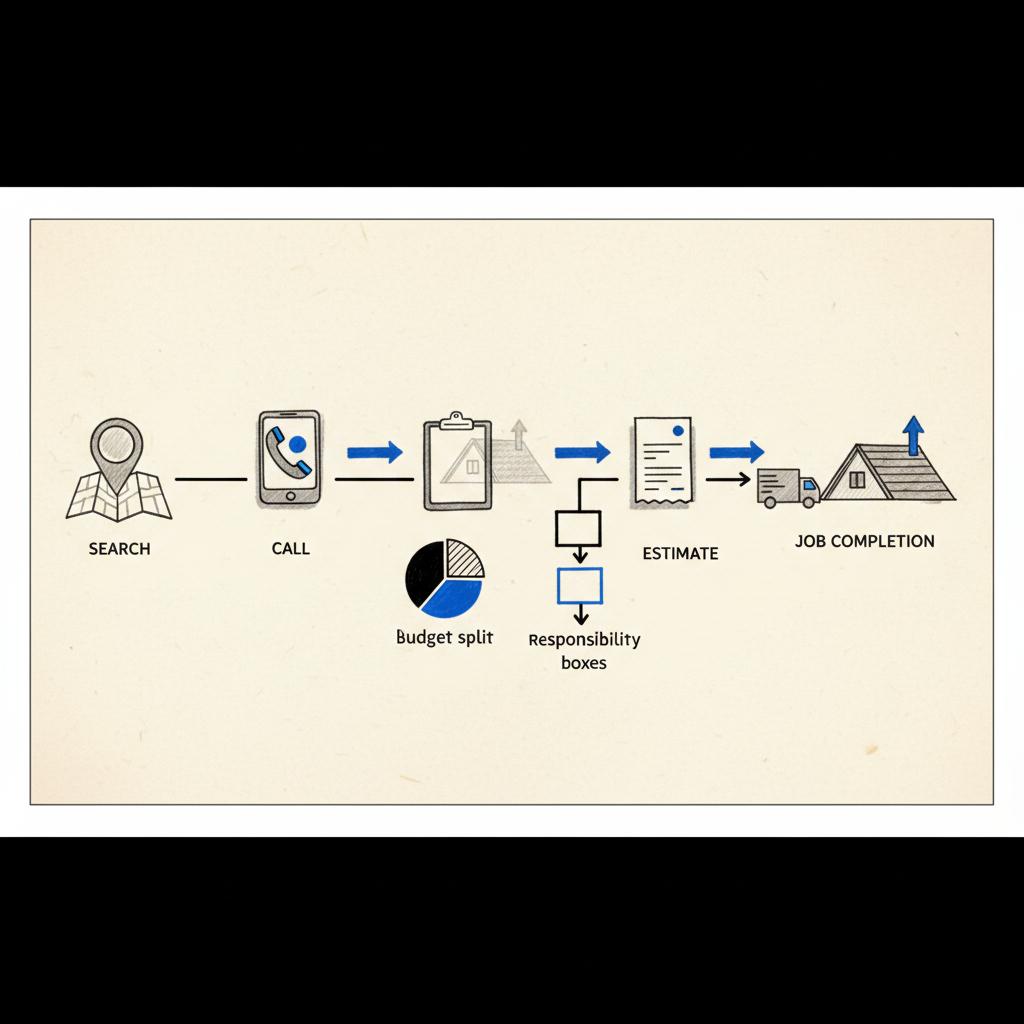
The Google Business Profile (GBP) is the first thing many homeowners see. It contains your phone, address, hours, photos and reviews — all of which answer immediate questions and invite a phone call. A fully optimized GBP appears in the local pack, and that position drives high-intent inbound contact. A clear logo helps people recognize your business quickly.
Local Services Ads (LSAs) sit above almost everything else for urgent searches. These are pay-per-lead placements that require verification and often include a Google-backed badge. For emergency or same-day repair queries, LSAs frequently deliver lower cost per lead because they connect with homeowners actively looking to hire right now.
Set-up checklist for GBP and LSA
Start with these practical steps:
- Claim and verify your Google Business Profile; make sure NAP (name, address, phone) consistency is perfect.
- Upload recent, high-quality photos of completed roofs, crew at work (no faces close-up), and before/after shots.
- Write a clear business description with service areas and specialties.
- Set up Local Services Ads (if available in your area) and complete the verification steps: licenses, insurance, and background checks.
- Build a review collection process: simple follow-up emails and a one-click review link.
These moves alone often produce more booked jobs than a rushed PPC campaign that isn’t tracked properly.
Paid search and social: use them for volume, education and remarketing
Paid search (Google Ads) and social ads play different roles. Search matches high intent for keywords like “roof replacement cost” or “roof leak repair,” while social helps you educate, build brand familiarity, and remarket to site visitors who didn’t call the first time. For a practical Google Ads primer aimed at roofers, see this Google Ads guide for roofers.
Use search for immediate-hire keywords, social for visual proof and storytelling, and remarketing to bring warm visitors back to a landing page optimized for quick contact. Keep creative simple: show a clear call-to-action, a phone number, and a single benefit like same-day inspections or insurance experience.
Where paid fits into a local mix
In competitive metros, combine LSAs, search and social to ensure you capture immediate emergency calls and nurture mid-funnel homeowners researching replacements or finance options. Costs vary: LSAs usually sit lower for urgent leads, PPC can be pricier for broad replacement keywords, and social provides cost-effective impressions and engagement if your creative is strong.
Don’t ignore offline signals — they still matter
Roofing is visible work: trucks, jobsite signs, and local referrals create a familiarity that digital ads can’t buy. Vehicle wraps act as mobile billboards, and jobsite signs convert neighbors into leads through social proof. Trade referrals — from gutters, electricians, and inspectors — also deliver steady, high-trust leads when managed thoughtfully.
Direct mail still moves in many suburbs when timed well: target postal routes after storms, offer seasonal inspection specials, and keep the message clear with a single CTA and a trackable phone number or landing page.
Track what matters: lead quality over raw volume
One of the most common mistakes in roofing marketing is measuring success only by cost per lead. Cheap leads that never book are worthless. True performance comes from connecting leads to closed jobs. To do that you need:
- Unique phone numbers per channel so you can see call source.
- UTM-tagged links on digital ads and email campaigns.
- A CRM that records lead status from inquiry through completed job.
- Tags for lead type: emergency, insurance, replacement, inspection.
With this data you can calculate cost per closed job and real return on ad spend. That’s what separates noise from useful investment in any roofing marketing plan.
A practical 90-day plan to get traction
If you’re new to structured marketing, a tight 90-day plan produces clarity fast. Week 1–2: foundational setup. Week 3–6: testing. Week 7–12: scale winners and improve tracking. Here’s a week-by-week outline you can follow.
Weeks 1–2: foundations
Complete your Google Business Profile and set up a review generation process. If you can enroll in Local Services Ads, start verification immediately – this often takes time but pays off quickly. Make sure your site is mobile-friendly and that phone numbers are click-to-call.
Weeks 3–6: test paid channels and a small mail pilot
Run conservative PPC and social tests with clear, intent-focused creative: “Same-day roof inspection” or “Storm-damage check – free estimate.” Use a small direct mail test targeted to a neighborhood or postal route after a weather event. Collect data but avoid scaling until you know which channel produces booked jobs. For broader digital-marketing context you may find this digital marketing blueprint helpful.
Weeks 7–12: scale what works, tighten tracking
Add unique call tracking numbers for each channel, connect your CRM, and create a lead-status workflow so every lead is labeled and followed. Put more budget behind channels that produce closed jobs and reduce spend on underperformers. Start building referral relationships and test an expanded mail piece if the pilot performed well.
Common pitfalls and how to avoid them
Watch out for these traps:
- Chasing cheap leads without qualification: they waste crew time and margins.
- Neglecting offline visibility: no truck wrap or jobsite sign means missed low-cost awareness.
- Slow response: leads move fast – answers in minutes improve conversion dramatically.
- Ignoring seasonality: plan staffing and ad spend around local weather windows.
Simple math to guide spend decisions
Numbers remove emotion. If your average replacement job is $6,000 and you convert 1 in 10 qualified leads, you need ten leads per closed job. At $200 CPL your lead cost per job is $2,000. If LSAs bring leads at $120 each and convert better, your effective cost per job will fall. The key is to tie lead cost to job revenue, not CPL alone.
Practical scripts and on-call guidance
Answering the phone is the most valuable moment in roofing marketing. Train staff with a short script: greet, qualify with two or three quick questions (what’s the issue, when did it start, is insurance involved?), then offer a same-day inspection if possible. Short scripts remove hesitation and increase booking rates.
Use clear CTAs and remove friction
Every ad and page should ask for a phone call or a one-step contact form. Make phone numbers clickable on mobile, keep landing pages fast, and avoid long forms. Small frictions like slow pages or ten-field forms silently kill leads.
Get visible locally — fast
Ready to stop guessing and start testing? Get a quick visibility review or set up a first test by contacting a team that helps roofers get measurable local results: Start with Agency VISIBLE.
Referral systems that actually work
Build thoughtful referral programs with gutters, inspectors and local trades. Keep the process simple for partners: one quick form or a dedicated referral phone line, clear expectations, and fair rewards. Rewarding partners in ways that build long-term relationships often produces a consistent stream of quality leads.
Seasonal staffing and surge plans
Plan crews around expected windows: late spring and early fall are busy in colder climates, while storm-prone regions need surge plans. For sudden post-storm spikes, triage calls: prioritize tarps and life-safety work, then schedule inspections and follow-ups. Keep temporary crews or vetted subcontractors on call to avoid overtime and missed appointments.
Real-world examples — practical lessons
Small changes can produce big results. One midwestern roofer shifted budget from generic PPC into a complete Google Business Profile and LSA setup. In two months inbound calls from serious homeowners doubled and cost per booked job dropped by nearly half. Another contractor added vehicle wraps and jobsite signs; within a season 20% of new leads cited seeing them locally – a simple, low-cost trust builder.
How to judge lead quality
A high-quality lead matches your services, is in your service area, shows intent (urgent repairs, insurance claims, replacement), and ideally is ready to consider an estimate. Tagging leads in your CRM by source and by type helps you determine which channels produce more of those high-value leads.
Measuring success in the first 90 days
Ask three questions: what is the typical cost per lead in your market, how does seasonality affect demand, and what’s the lifetime value of a customer? Track CPL by channel, leads-to-booked ratio, and average job size. Build a simple dashboard for visibility: leads by source, calls answered, booked appointments, and closed jobs.
Budget guidance for small teams
If you have a tight budget, start with GBP, reviews, and a small LSA or PPC test. Those moves are relatively low-waste. Social can be added later for remarketing and brand proof. Always run small pilots, measure closed-job ROI, and scale what pays.
Common questions roofers ask
Which channel should I start with if my budget is limited? Complete your Google Business Profile, generate steady reviews, and test Local Services Ads if available. These steps usually give the best initial return in roofing marketing.
Should I buy leads from a third-party vendor?
Purchased leads can work in small doses but watch quality and exclusivity. Problems appear when vendors sell the same lead to multiple roofers or when leads aren’t screened. If you buy leads, treat them like a test: monitor conversion and cost per closed job closely.
How fast should I answer inbound leads?
Very fast. Answer calls in minutes when possible; respond to web leads within an hour. Fast response significantly increases conversion because homeowners with urgent needs move quickly.
Checklist: quick wins for the next 30 days
- Claim and optimize your Google Business Profile.
- Set up a review request email template and ask three recent customers for reviews.
- Add click-to-call buttons on every mobile page and speed up your site.
- Set up unique tracking numbers for two channels (organic GBP and paid search).
- Run a conservative PPC test and a small direct mail pilot in one postal route.
Pitfalls to avoid when scaling
Don’t scale purchased leads without qualification, don’t ignore the offline presence that builds trust locally, and don’t depend on a single channel. Spread risk across a few proven sources and optimize based on closed-job ROI rather than raw CPL.
How Agency VISIBLE helps (a gentle tip)
Bringing an experienced partner in for the first round of tests can save time and reduce costly mistakes. A team that knows local roofing marketing can set up LSAs, implement call tracking, and create a clear dashboard so you focus on estimates and crews, not guessing where the next job will come from. See examples of work on our projects page or learn more about the agency at the Agency VISIBLE homepage.
Make your phone number impossible to miss: claim and optimize your Google Business Profile, add click-to-call buttons on every mobile page, and train staff to answer calls quickly. That single improvement raises contact rates immediately and feeds more qualified conversations.
They notice consistency: the same truck, the same sign, the same phone number in a neighborhood. That repeated visibility creates trust quickly — much like seeing the same familiar face in a store. It sounds simple, but in roofing marketing that consistency turns curiosity into a call.
Long-term growth: beyond the first 90 days
Once you have baseline data, focus on lifetime value: ask how often customers return for maintenance, gutters, or new projects. Build a simple follow-up program: seasonal inspection reminders, anniversary check-ins, and referral rewards. These tactics compound over time and lower effective acquisition cost.
Reporting that executives and crews can use
Keep reports simple: leads by source, calls answered, booked appointments, closed jobs, and average job revenue. Add a % of leads that were emergency or insurance-related to understand lead mix. Simplicity makes the data useful and actionable for crews and owners alike.
Creative ideas that actually convert
Before-and-after images, short how-it-works videos, and a clear badge showing insurance and licensing information build trust. Use short customer testimonials on landing pages and encourage customers to post photos with a short caption — these organic stories perform well on social and improve GBP engagement.
Final checklist before you spend more
Before scaling ad spend, confirm you have:
- Accurate tracking (unique numbers, UTMs).
- A CRM with lead status and outcome tracking.
- Response processes so leads are answered quickly.
- Basic offline visibility: vehicle signage and jobsite signs.
Closing practical note
Marketing a roofing business doesn’t have to be mysterious. It’s local, measurable work: show up where people search, be easy to contact, respond quickly, and measure which leads become paying jobs. Use a mix of GBP, LSAs, targeted paid media, and on-the-ground visibility. Test, measure, and scale what delivers closed jobs and profit.
Now you have a clear roadmap to start testing and measuring your way to steady, profitable work. Keep the focus on lead quality and real return – and don’t forget the low-cost wins like truck wraps and jobsite signs that make your name familiar in the neighborhood.
Start with your Google Business Profile: claim and complete it, collect recent reviews, and ensure consistent NAP across listings. If you qualify, enroll in Local Services Ads — they often produce higher-intent leads. Run a small PPC test focused on urgent-service keywords and track results. These steps usually give the best early return for small budgets.
Answer calls within minutes when possible and respond to web leads within an hour. Fast response dramatically increases conversion because homeowners with a roofing emergency or visible damage act quickly. If immediate pickup isn’t possible, set a written follow-up window and use SMS or email templates to keep leads warm.
Yes, if you prefer to move faster and avoid setup mistakes. An experienced agency can onboard Local Services Ads, implement call tracking, create UTMs, and build a simple CRM flow so you can see which channels close jobs. For many roofers, a light external partnership saves time and reduces costly errors while building a reliable baseline.
References
- https://agencyvisible.com/contact/
- https://business.google.com/us/ad-solutions/local-service-ads/
- https://www.roofingwebmasters.com/google-ads/
- https://propellant.media/digital-marketing-for-roofing-companies-the-ultimate-blueprint-to-dominate-your-local-market/
- https://agencyvisible.com/projects/
- https://agencyvisible.com/