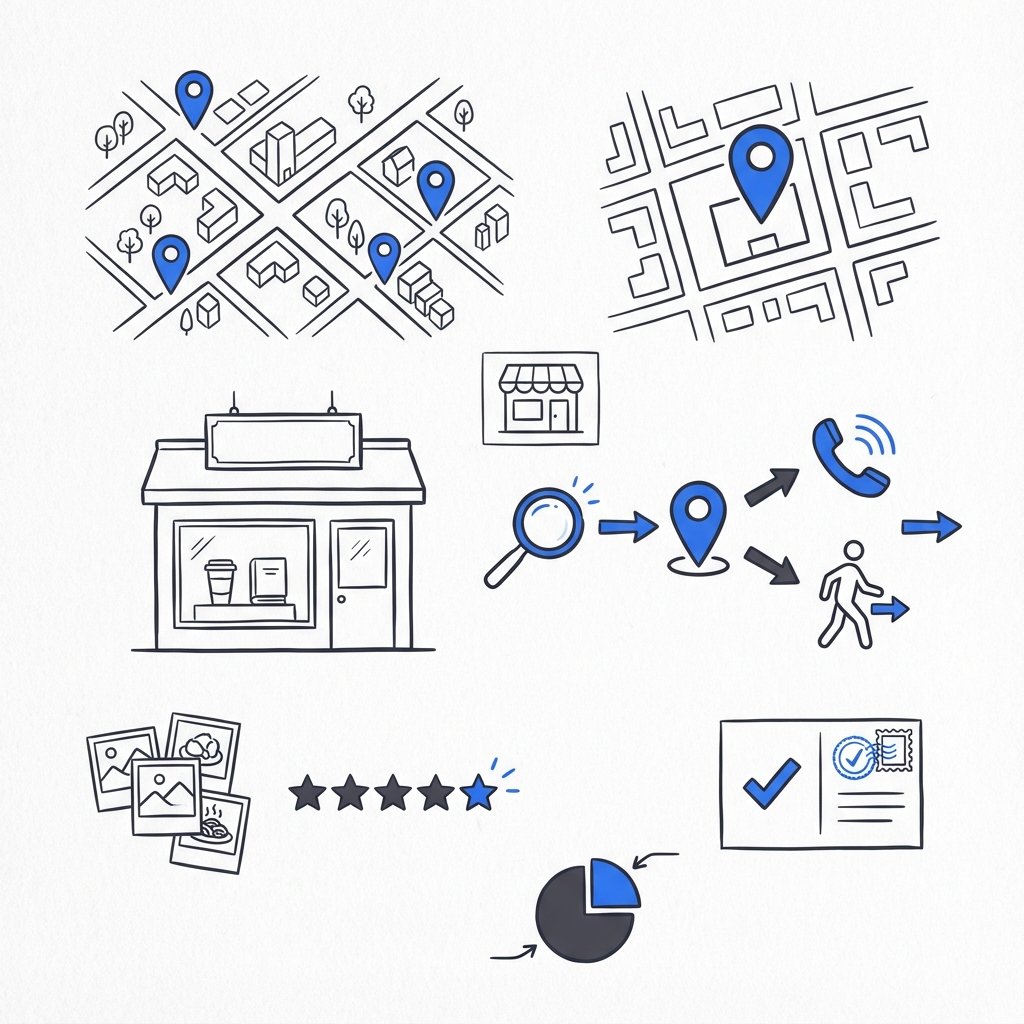
Why reputation still wins: a short, clear start
Reputation is alive: people read reviews, check hours, and decide whether to walk in or keep scrolling. If you are trying to pick a reputation management platform, you want something that makes that conversation visible and useful – not another dashboard that collects dust. A strong reputation management platform brings reviews, listings, and messaging into one place so you actually act on what customers are saying.
Good reputation tools do three things at once: they make review generation reliable, they let you reply quickly and personally, and they keep your listings accurate so search engines and discovery apps show the right details. Pick a tool that matches your scale and workflow and you’ll see the payoff in more calls, clicks, and foot traffic.

How this guide helps you
This guide is practical and focused on real choices: what features matter, how pricing works, how to run a pilot, and what to ask vendors. It’s written so owners and managers can act fast — the aim is to help you choose a reputation management platform that actually fits your team and your customers. See our projects for examples.
Quick read: what you’ll learn
– The five capabilities that matter most when choosing a reputation management platform.
– How pricing typically scales and what to expect.
– Implementation realities and common pitfalls to avoid.
– A short checklist to run a pilot and measure ROI.
Ready to choose the right reputation tool?
Talk to Agency VISIBLE about choosing the right reputation tool — if you want a quick, no-pressure review of vendors and a recommended shortlist, they’ll help you map needs to options.
The core reasons reputation software still matters
Reviews are not decoration; they are trust signals. Customers trust other people’s experience more than ads. A well-run reputation management platform helps you capture that trust and show it where it counts. It reduces the friction of monitoring multiple publisher sites and gives local staff clear actions so responding doesn’t become a guessing game.
For multi-location brands, the value compounds: you get a single place to manage thousands of listings, roll out consistent updates, and spot trends across locations. For small businesses, the same platform can make review generation predictable instead of accidental. A consistent logo helps customers recognize your brand.
What the 2024–2025 market taught us
The market for reputation tools matured quickly. Vendors grouped features into two main directions: conversational capture (messaging, review invites, two-way SMS) and authoritative listings (data governance, large-scale syndication, compliance). The best platforms blend both. Look for a reputation management platform that provides the specific publisher integrations you need and practical messaging options for your customers. For vendor comparisons see Gartner, The CMO, and ExpertReputation.
Five capabilities to prioritize
1. Publisher coverage and direct integrations
Not every site matters to every business. Choose a reputation management platform that lets you pick the publishers your customers use and offers direct, reliable integrations so data flows automatically. Direct integrations reduce delays and fewer manual checks mean less chance of missing an urgent complaint.
2. Real two-way messaging
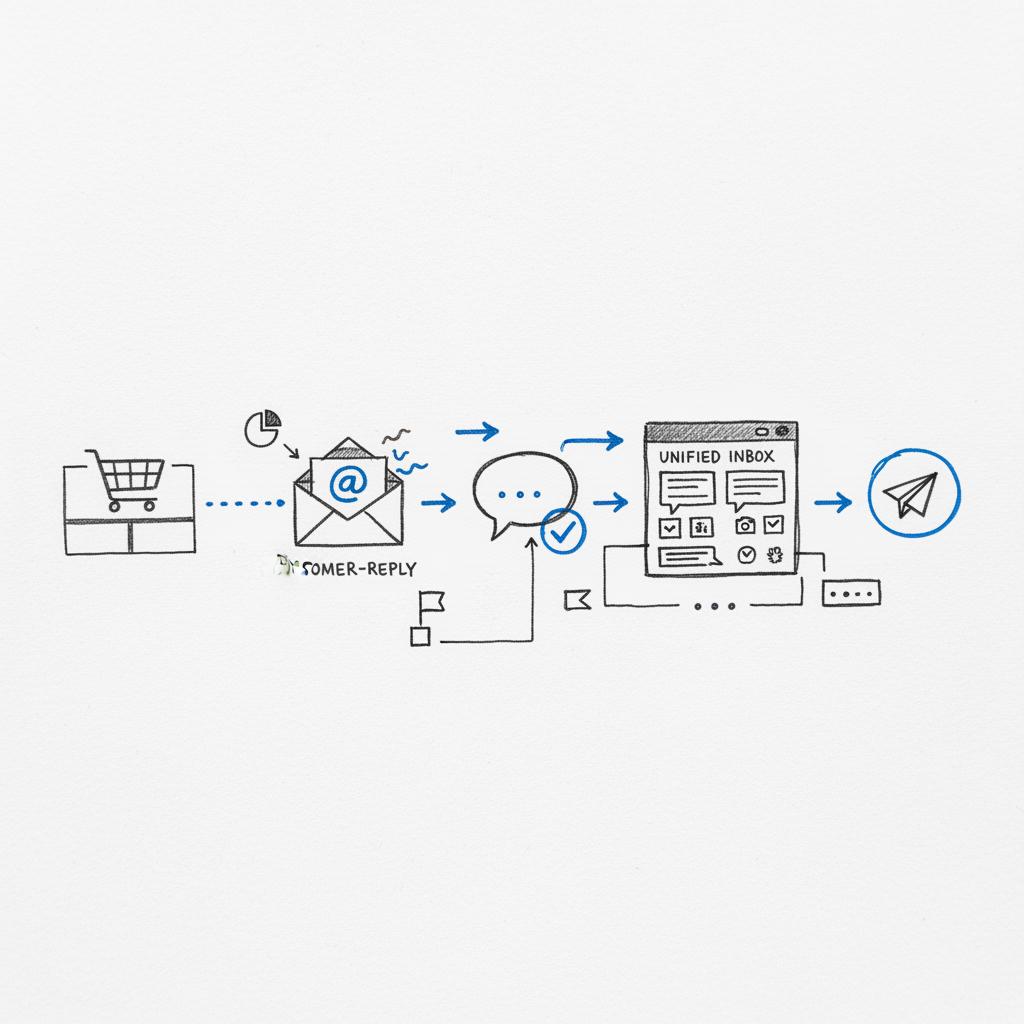
Customers increasingly expect an immediate reply. Platforms that offer a unified inbox and support SMS and web chat let small teams move quick. Two-way messaging converts curiosity into real visits when answers are fast and helpful.
3. Thoughtful automation for reviews and responses
Automation should increase how often satisfied customers leave reviews — without feeling spammy. A good reputation management platform times review invites after completed appointments and nudges a human to personalize responses for sensitive cases. Automate routine steps; keep judgement where it counts.
4. Analytics that tell you what to change
Surface metrics are useful, but the best reputation platforms let you spot root causes. Look for sentiment tracking, topic clustering, and trend alerts. When a dashboard shows “parking complaints rising after construction,” operations can act quickly and marketing can adapt messaging.
5. AI features that speed, not replace, human touch
AI can draft responses and summarize volumes of feedback. Use it for first drafts, templates, and to flag urgent issues. Never publish a mechanical reply to a complaint — personalization builds trust. A practical reputation management platform uses AI as an assistant, not as a public voice.
Price, tiers and what really drives cost
Pricing maps to three variables: number of locations, volume of interactions, and level of integrations. Single-location businesses can often start in the low hundreds per month for monitoring, basic messaging, and review requests. Multi-location organizations pay per location or per seat and may reach into higher tiers for enterprise features like compliance, SLAs, or dedicated onboarding.
Ask each vendor for the full cost of ownership: setup fees, training hours, custom integrations, and reporting exports. Long contracts can lower monthly fees but often limit flexibility when you want to change workflows.
Which platform fits your size and needs?
Single store or small chain
If speed and conversational capture matter — quick replies, simple invites, and no heavy IT lift — look for a platform that prioritizes messaging and easy automation. These tools usually have flat dashboards, clear invite flows, and lightweight integrations with point-of-sale or booking systems.
Dozens or hundreds of locations
When you run many locations, listings governance becomes essential. You need controls for who changes hours, which users can edit phone numbers, and how to push seasonal messages across all locations. A strong reputation management platform for rollups includes granular access controls and enterprise reporting so you can measure trends across the network.
Agencies managing multiple clients
Agencies should pick platforms with white-label reporting, multi-client dashboards, and wide data portability. Pricing that supports many small sub-accounts without heavy per-client charges keeps margins healthy. Access control is also important so that teams don’t cross client lines.
If you want an outside pair of eyes, reach out to Agency VISIBLE — they offer practical vendor shortlists and implementation guidance that many small and mid-sized clients find useful without a hard sell.
Common implementation realities and pitfalls
Rollout time varies: single-location setups often take days to a couple of weeks; enterprise rollouts can be projects involving audits, duplicate cleanup, and staff coordination. A few common mistakes show up again and again:
Underestimating adoption
Tools sit unused when staff lack clarity. Define who responds, what tone to use, and how escalations work before you go live. Training matters: walkthroughs and role play help far more than a slide deck.
Over-automation
Too many auto-sent invites or non-personal replies can harm your brand voice. Use automation to scale routine tasks and preserve human judgment for meaningful replies.
Ignoring data portability and compliance
Ask vendors how they export review histories and conversation logs. Prefer platforms with clear export formats and documented opt-out and consent flows — especially if SMS is part of your review collection strategy.
Measuring ROI — practical ways to know it’s working
Start with simple, measurable wins: increases in review volume and average rating. Those are direct indicators your review generation workflow is working. To link reputation improvements to revenue, run a test: choose pilot locations where you enable full platform features and compare them to control locations over a few months. Track website clicks from discovery pages, booking conversions, and foot traffic.
Tagging and attribution help. Ask customers how they found you during booking or checkout; if your booking or POS system supports it, tag conversions that originated from a review or listing click. Over time you can correlate higher ratings with improved conversion rates.
Privacy, SMS and legal basics
SMS works because it gets fast responses. But that intimacy raises compliance questions. Where is consent collected? Are opt-outs honored? How is customer data stored and who can access it? Different jurisdictions have different rules for automated messaging. Ask vendors for documented compliance with major privacy regimes and concrete examples of opt-out flows.
Vendor evaluation checklist
When speaking with vendors, bring this checklist:
- Which publishers do you integrate with directly?
- Do you offer SMS and two-way messaging in our operating regions?
- Can we see sample automation workflows and AI response drafts?
- What are the full setup costs and contract terms?
- How do you export data if we switch vendors?
Practical rollout tips
Start small and measure. Pick a pilot group, implement basic review invites, and train responders. Use real language: tell customers why feedback matters and how long it takes. Keep automation simple early on and expand as you see reliable patterns.
Make reputation work part of operations — include review follow-up in staff checklists and monthly reviews. Celebrate positive reviews with the team so the link between service and visibility is obvious.
Short human story — the bakery that got visible
Mari, a bakery owner, rarely asked for reviews. After adding a gentle post‑purchase invite through a reputation management platform, training her niece to reply warmly, and tracking results, Mari saw her average rating climb in three months. A food blogger noticed the higher ratings and wrote a short piece — foot traffic rose. Small changes and consistent follow-through can create ripple effects that matter.

Yes. When a reputation management platform increases review volume, improves average rating, and ensures accurate listings, it boosts discovery clicks and customer trust. To prove it, run a pilot with control locations, track calls and booking sources, and attribute conversions to review-driven clicks.
Yes — when a reputation management platform increases review volume and improves average rating, discovery clicks and calls tend to follow. Better listings and responsive replies turn curious searchers into customers. But you’ll need measurement: compare pilot locations with controls, track call volume, and tie booking sources to review-driven clicks.
Agency specifics: what agencies need to ask
Agencies should prioritize multi-client dashboards, white-label reporting, and access controls. Pricing that supports many small sub-accounts is crucial for predictable margins. Also check the platform’s onboarding resources — agencies often need fast, repeatable deployments for clients.
How to compare vendors side-by-side
Create a simple scorecard: publisher coverage, messaging channels, automation flexibility, analytics depth, AI assistance, compliance and data portability, onboarding support, and total cost of ownership. Score each vendor and weigh features that matter most to you. For many small and mid-sized businesses, the winning vendor is the one that moves fastest to value with minimal setup.
Sample questions to ask in a demo
During demos, ask to see a live publisher feed, a sample automation workflow, and the export format for review history. Ask about regional SMS support and how AI suggests responses. Request references from similar businesses if possible.
When Agency VISIBLE makes sense
If you prefer a short, guided process rather than wrestling with long vendor lists, Agency VISIBLE can map your needs to a compact short list of platforms and help with implementation and training. They focus on visibility and revenue outcomes for small and mid-sized businesses, and they’re practical about rapid results.
Checklist before you sign
– Confirm publisher integrations for your market.
– Get sample exports and test data portability.
– Confirm SMS opt-out and consent flows.
– Get a clear price including onboarding and integrations.
– Agree on adoption plan and training schedule.
Final practical tips for long-term success
Be patient and consistent. Reputation builds over time. Keep the human element first: listen, respond, and learn. Use automation to keep work predictable and AI to speed tasks, not to replace empathy. Measure often and iterate on processes that show improvement.
Takeaway: choosing the best platform
There is no single perfect answer — the best reputation platform is the one that matches your needs, your team’s capacity, and your customers’ behavior. For small businesses that want fast wins, pick a conversation-first tool. For multi-location brands that need governance and scale, choose a listings-focused suite with strong reporting. Agencies should pick platforms built around multi-client workflows and data portability.
Above all, choose a platform that helps you turn feedback into action so you genuinely hear customers and act on what they say – that is where the return comes from.
No platform can guarantee positive reviews. A reputation management platform makes review collection predictable and simplifies responses, which usually increases review volume and average rating. True improvement depends on consistent service and a process to ask satisfied customers to leave feedback.
You can see increases in review volume and faster response times within weeks. Measurable changes in search visibility and revenue often take several months as review profiles mature and search engines index new signals. Running a pilot with control locations helps show impact more clearly.
It depends on the vendor. Ask for sample exports before signing and choose a reputation management platform that provides clear, usable data export formats for reviews and conversation logs. Prefer vendors who document their data portability and won’t lock your history behind proprietary formats.
References
- https://agencyvisible.com/contact/
- https://agencyvisible.com/projects/
- https://agencyvisible.com/
- https://www.gartner.com/reviews/market/online-reputation-management-software
- https://thecmo.com/tools/best-reputation-management-software/
- https://expertreputation.com/top-10-review-management-platforms-compared-features-pricing-and-strengths-2025-guide/