


Is radio advertising worth it for small businesses in 2024-2025? It’s a question that surfaces at kitchen tables, in shop-back offices and at marketing meetings. If you’re asking whether radio advertising ROI will move people through your door, get them to call, or sell tickets for an event this month, the short answer is: yes – sometimes. The rest of this piece walks you through when radio is most likely to deliver and how to design a test that shows real results.
Why radio advertising ROI still matters in local markets
The media landscape keeps changing, but broadcast radio remains a steady way to reach local ears. When we talk about radio advertising ROI, we’re asking whether the money spent on AM/FM airtime and production returns measurable business outcomes. For businesses that depend on foot traffic, appointments or quick ticket sales, radio’s predictability and geographic focus make it a valuable channel.
Radio behaves like a loud neighborhood storefront: it’s audible to commuters, shoppers and listeners in a defined place. You don’t buy a persona alone — you buy attention inside a geography. That local targeting is radio’s unique strength and one reason many owners still ask about radio advertising ROI first when planning short-term promotions.
If you want help designing a radio test and tracing results, Agency VISIBLE’s measurement-first radio planning can help you set up a practical, low-risk flight with tracking and simple analytics.
How often should I see the phrase “radio advertising ROI”?
This is a meta question, but practically: keep your goals visible while you test. Use a clear KPI — calls, visits, promo-code redemptions or ticket sales — and track it alongside secondary signals like branded search lift. Repeat exposure plus measurement will show whether your radio advertising ROI is positive.
Yes — by being hyper-local, using a simple and urgent offer, choosing the right dayparts, and tracking responses with unique numbers or promo codes, small shops can deliver a positive radio advertising ROI without matching big-brand budgets.
Who benefits most from radio advertising?
Radio works best when the call-to-action is local and immediate. Here are business types that typically see a strong radio advertising ROI:
- Retailers with short-term offers (weekend sales, seasonal collections)
- Restaurants and cafes promoting new menus or brunch hours
- Home-service firms with seasonal needs (heating tune-ups, fall gutter service)
- Clinics and walk-in services (flu shots, urgent-care hours)
- Live-event promoters, theaters and ticketed venues
These businesses benefit because radio can push a large group of locals to act within days, not months. If your objective aligns with that urgency, you’re already set up to pursue a positive radio advertising ROI.
Cost and value: what you pay and what you can expect
Local radio costs vary widely by market and daypart. Production for a 30-second spot can be modest — think a few hundred dollars for a clean, DIY approach — or more if you hire professional talent and full audio production. Airtime costs range from tens of dollars in small markets during off-peak times to hundreds or thousands for prime dayparts in large metros.
Measured as CPM for a specific zip code or county, radio often competes favorably with local digital buys. For small businesses, that local CPM is the most relevant measure: you care about reaching neighbors and commuters who can walk through your door. When you estimate potential conversions against that cost, you can forecast radio advertising ROI before you run the campaign.
Typical budget examples
To make this concrete:
- A tight midweek buy in a mid-sized market: a few hundred to a few thousand dollars for two to four weeks.
- Prime daypart buys in a large metro: several thousand for a short flight, or more for sustained presence.
- Production: $200–$2,000 depending on DIY vs pro voice talent and editing.
Budget enough to reach listeners repeatedly during your test: a one-week buy is often too short to produce reliable measurements of radio advertising ROI.

Attribution: how to know whether radio drove the action
Attribution is the hardest part of radio marketing. Broadcast ads don’t create an immediate click. They create awareness that often shows up across other channels – search, visits, calls and in-store redemptions. That’s why a thoughtful measurement design is essential to proving radio advertising ROI.
Simple tracking tools that work
Combine direct and indirect signals:
- Unique phone numbers for campaign tracking
- Dedicated landing pages and unique promo codes
- Call tracking to record call volume and source
- Search lift monitoring for branded queries during flight
- Point-of-sale codes or in-store redemption tracking
Used together, these signals let you triangulate impact. If calls spike during airtime and branded searches rise, that’s a strong indication your radio campaign produced measurable action — evidence of positive radio advertising ROI.
More rigorous options
For clearer causal estimates, run a geo-test: buy radio in one county or set of zip codes and not in a comparable control area. Compare sales, calls or foot traffic across the two regions during and after the flight. This matched-control approach gives you an incremental lift estimate close to experimental quality without massive infrastructure.
Designing a radio test: step-by-step
Treat your first radio flight like a science experiment. Follow these steps to maximize the chance of a useful result and a positive radio advertising ROI:
1. Define a clear goal
Pick one measurable objective: calls, visits, appointments or ticket sales. Keep it specific — “increase weekend store visits by X%” is better than “raise awareness.” Goals shape dayparts, creative and measurement.
2. Choose geography and dayparts
Localize the buy to the zip codes or county where your customers live and move. Pick dayparts that reach them: morning and evening commute for working shoppers, weekend or evening for leisure audiences, midday for shift workers and shoppers.
3. Build basic measurement
At minimum, use a unique phone number and a dedicated landing page or promo code. Add search-lift tracking and, if possible, a control geography or control dates for comparison.
4. Write a tight creative brief
Keep the message simple: one offer, one call-to-action, one location reference. Make it easy to remember. Use local landmarks and times to reduce friction and improve conversion.
5. Budget for frequency
Plan for repeat exposures over two to four weeks. Too few impressions and listeners forget; too many and the ad becomes annoying. Aim for a balance so repetition nudges behavior without creating fatigue – this balance helps deliver positive radio advertising ROI.
Creative that converts
Sound matters. But so does clarity. Short spots (15–30 seconds) often win because they’re repeatable and crisp. A memorable hook, a friendly voice, and a clear local CTA are the essentials.
15-second script example
“Weekend sale at Main Street Boutique: this Saturday, 20% off everything. 9 to 6. Mention code RADIO20 for an extra gift. Two blocks from the fountain.”
30-second script example
“You smell the coffee and see the sign: Main Street Bakery’s blueberry muffins are back. Join us Saturday at 8 for fresh-baked bread and a free muffin with any coffee. Say you heard this ad to get the deal. Main Street Bakery, on Elm, across from the library. Saturday at 8.”
Both are local, urgent and trackable. They give listeners just enough detail to act without overwhelming with information.
Timing and frequency: the quiet science
Dayparts determine who hears your ads. Morning and evening commutes have concentrated reach; midday hits shoppers and shift workers; weekends reach leisure audiences. Choose dayparts to match behavior: service businesses often benefit from late-morning and early-afternoon; retailers often prefer weekends and evenings.
Frequency capping is useful if you can negotiate it — aim for enough repetition to register but not so much that listeners get annoyed. Repetition over days, not hours, tends to work best for local offers and for improving radio advertising ROI.
How to interpret early signals
Early responses like calls and web visits are promising but incomplete. Look for patterns across signals: if calls and branded searches rise in tandem, and in-store redemptions appear, you’re likely seeing real lift. If only one indicator moves while others are flat, dig deeper before scaling.
Case studies and field examples
Real businesses often see radio pay when they apply the principles above. A florist running a six-week Mother’s Day flight focused on morning drive plus midday, used a unique phone number and a promo code, and reported a clear lift in calls and weekend traffic. A community theater paired radio with a dedicated landing page and a promo code and tracked ticket sales against a control period – the midweek preview sold out and the theater saw measurable incremental sales.
These anecdotes matter because they show the combination of frequency, local relevance and measurement that produces a positive radio advertising ROI. For more examples and case studies, see our projects and broader perspectives in our perspectives hub. Industry analyses also reinforce the case for AM/FM impact, for example the Westwood One study (evidence from Westwood One).
Where radio can miss the mark
Radio struggles when the target is extremely narrow, the conversion cycle is long, or measurement must be perfectly precise. Niche B2B sellers looking for specific titles or buyers rarely see success with broadcast radio alone. Similarly, products that require months of nurturing or multi-stage evaluation may not find radio cost-effective as the sole channel.
Common failures are avoidable: poor creative, wrong dayparts, too-short flights, and no measurement plan are the usual culprits. Plan well, and radio can stop feeling like a gamble.
Radio vs. digital audio and streaming
AM/FM and local broadcast remain valuable for driving local action. But don’t forget digital audio and streaming: connected-radio platforms, online station streams and podcasts can complement broadcast buys. Streaming buys allow more precise targeting and measurement; broadcast provides predictable local reach and daypart concentration. A mix often produces the best combined ROI, with broadcast raising awareness and streaming or digital channels capturing intent.
Research and commentary on audio effectiveness add useful context – for example, RadioMatters highlights how audio campaigns can lift effectiveness across funnels (Radio Pumps Up Marketing Effectiveness).
Measurement methods that actually help
Use layered measurement. Start with direct metrics: unique phone numbers, landing pages and promo codes. Add indirect measures: branded search lift and web traffic spikes. For stronger causal evidence, run a geo-test with a matched control geography.
Search lift is especially useful. People often search for a brand or offer after hearing a radio spot. If branded searches rise during your flight window, that’s a clear signal of awareness and likely purchase intent. NuVoodoo’s brand-lift work shows how local radio can drive measurable search and awareness effects (NuVoodoo brand-lift examples). Combine that with call tracking and POS redemptions for a robust view of radio advertising ROI.
A practical checklist before you buy
Before you sign a station contract, run this checklist:
- Get a local quote and daypart audience estimates.
- Clarify production costs and ask for examples of similar businesses.
- Define a clear short-term test goal and measurement plan.
- Pick one direct tracking method (unique number or landing page).
- Decide on control dates or a control geography for comparison.
- Budget for 2–4 weeks of repeat exposure for meaningful frequency.
- Write a tight creative brief with a single, local call-to-action.
How much should you spend?
There’s no one-size-fits-all budget. Start with a focused test tailored to your market. In many places a few hundred to a few thousand dollars for a two- to four-week flight is enough to see whether radio moves the needle. The key is to reach enough people often enough to register – too small a budget may produce no measurable lift and lead you to the wrong conclusion about radio advertising ROI.
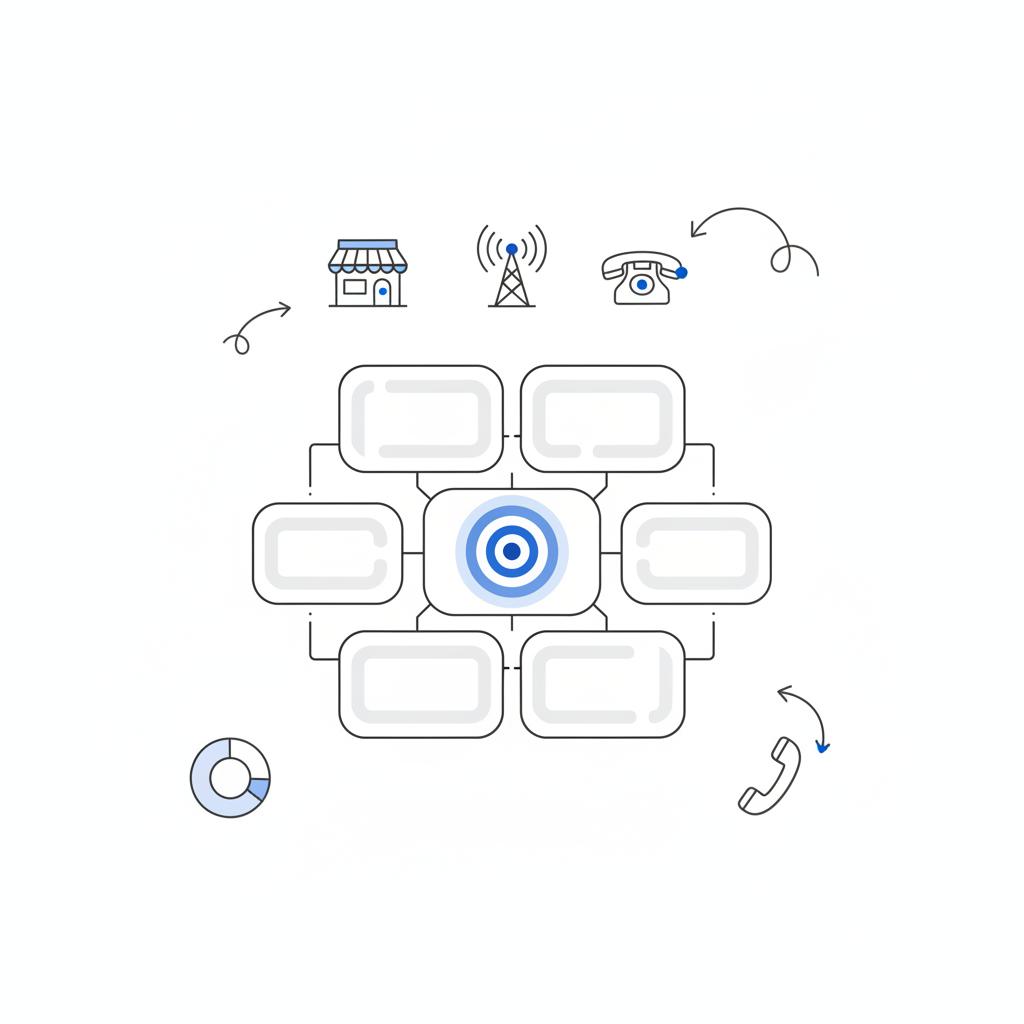
Advanced tips for better ROI
Here are practical moves that improve results and measurement:
- Negotiate run-of-day or daypart bundles to spread frequency across morning and afternoon commutes.
- Ask for remnant or bonus spots to increase impressions without blowing the budget.
- Use local references and clear, memorable CTAs in the script.
- Combine radio with a simple digital retargeting plan so listeners who search see display or social ads that reinforce the offer.
- Keep a control period or small control geography so you can estimate incremental lift.
Sample two-week test plan
Here’s a compact test you can run in many markets:
- Goal: 200 calls or 150 in-store redemptions in two weeks.
- Geography: three zip codes that match your customer base.
- Dayparts: morning drive (6–9am), midday (11am–2pm), weekend mornings.
- Creative: 30-second spot with promo code and unique number.
- Measurement: call tracking, promo-code redemptions, branded search monitoring.
- Control: a neighboring set of zip codes with similar demographics but no radio buy.
Compare results across the test and control areas. If calls and redemptions rise in the test area relative to the control, you’ve got evidence of positive radio advertising ROI.
Common questions answered
How long before I see results? Calls and web visits can appear within days. In-store traffic and word-of-mouth effects may build over one to two weeks. Plan for a minimum two-week flight for clearer signals.
What creative works best? Short, local and urgent messages. One offer, one location, one clear call-to-action. Make promo codes and phone numbers easy to remember.
Is radio worth it for a service business? Often yes for home services, clinics and appointment-based businesses — especially when an immediate offer or seasonal need exists.
Where to begin if you’re unsure
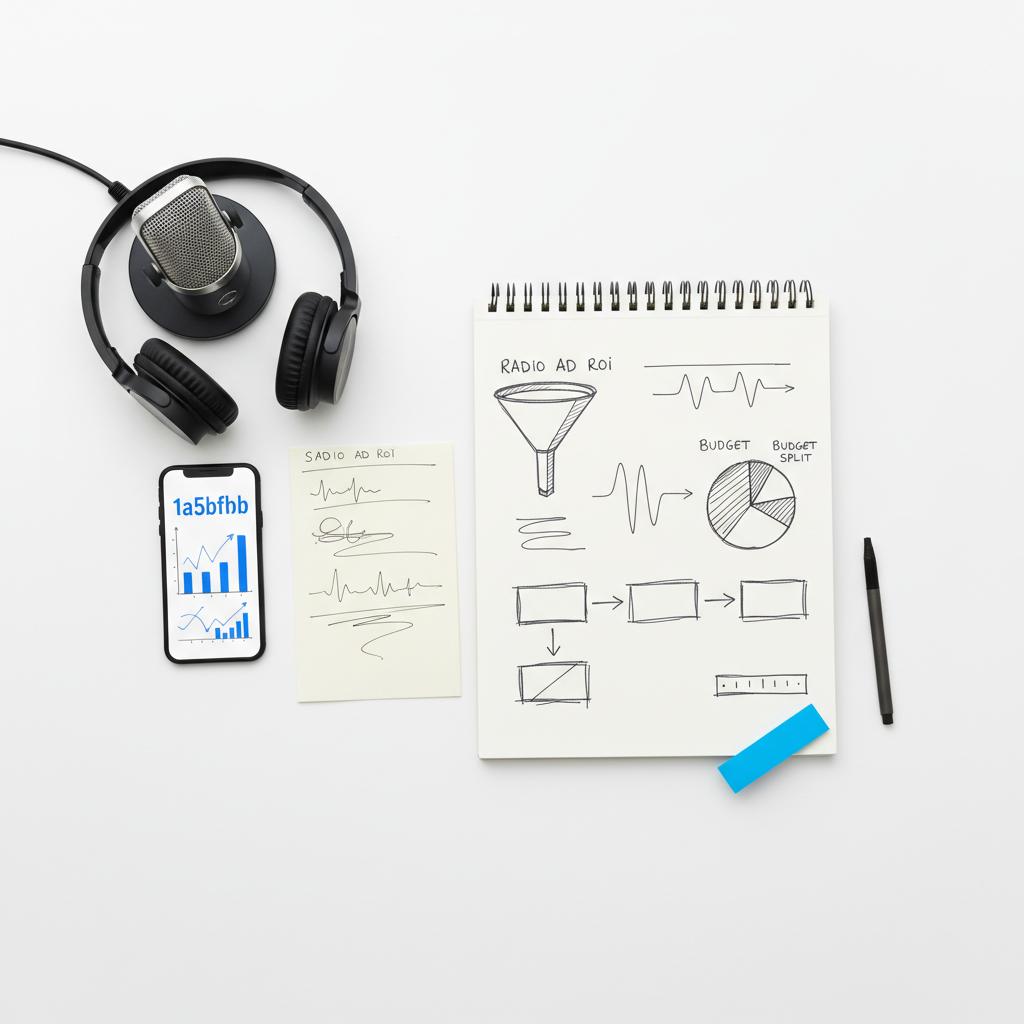
If you’re still unsure whether to test radio, start very small with a tightly focused geography, a clear goal, and simple tracking. Keep the creative local and use a measurable offer. If you want help sketching a test plan, production, or measurement, Agency VISIBLE works with businesses to design low-risk radio pilots that emphasize measurement and clarity rather than expensive production.
Legal and compliance notes
Make sure your claims are truthful and any offers comply with local laws. Disclose terms of promos clearly (valid dates, limits) and ensure that call tracking follows privacy rules in your area. Stations can often advise on compliance language that keeps your spot punchy but safe.
Putting the pieces together: a short checklist to run a test
Final quick checklist to run a meaningful test and evaluate radio advertising ROI:
- Set a single measurable goal.
- Choose a tight geography and relevant dayparts.
- Secure a unique tracking method (phone, landing page, code).
- Budget for at least two weeks, ideally 2–4 weeks.
- Collect baseline metrics for the test and control areas.
- Run the flight, monitor daily signals, and compare to control.
- Scale gradually if you see positive lift.
Final thoughts
Is radio advertising worth it to advertise on the radio? For many customer-facing, local businesses the answer is yes when a test is planned and measured carefully. Radio’s strength is predictable local reach at useful dayparts — and when you match creative, timing and measurement to that strength, the channel can deliver a clear radio advertising ROI. If you need a partner to help you design that test and interpret the results, Agency VISIBLE offers practical, measurement-first support.
Ready to plan a test? If you want a simple test plan or a quick production guide, get in touch and ask for a measurement-focused approach that emphasizes clear KPIs and low-risk testing.
Want a radio test that actually shows results?
Want a test plan that actually shows results? Contact Agency VISIBLE to map a two-week radio pilot with tracking, scripts and a measurement plan tailored to your neighborhood. Start the conversation.
Thanks for reading – now take your local offer, tighten the CTA, and find out whether radio can be your next dependable source of customers.
Measure radio advertising ROI by combining direct and indirect signals: use a unique phone number or landing page, offer a promo code for in-store redemption, and monitor branded search lift during the flight. For clearer causality, run a geo-test with a control area that doesn't receive the radio buy and compare sales, calls or foot traffic between the two areas.
Budgets vary by market, but start with a focused two- to four-week test tailored to a tight geography. In many mid-sized markets, a small flight can run from a few hundred to a few thousand dollars including production. The key is to spend enough to earn repeated exposures across relevant dayparts so you can measure impact.
Yes — an agency like Agency VISIBLE can help design the creative, set up call tracking and landing pages, and build a measurement plan that estimates incremental lift. They focus on practical, measurable pilots that prioritize clarity over costly production.
References
- https://agencyvisible.com/contact/
- https://agencyvisible.com/projects/
- https://agencyvisible.com/perspectives/
- https://agencyvisible.com/
- https://www.westwoodone.com/blog/2025/03/17/the-business-case-for-am-fm-radio-advertising-be-known-before-youre-needed/
- https://www.radiomatters.org/index.php/2025/10/14/radio-pumps-up-marketing-effectiveness/
- https://nuvoodoo.com/video/brand-lift-studies-prove-the-power-of-local-radio/





