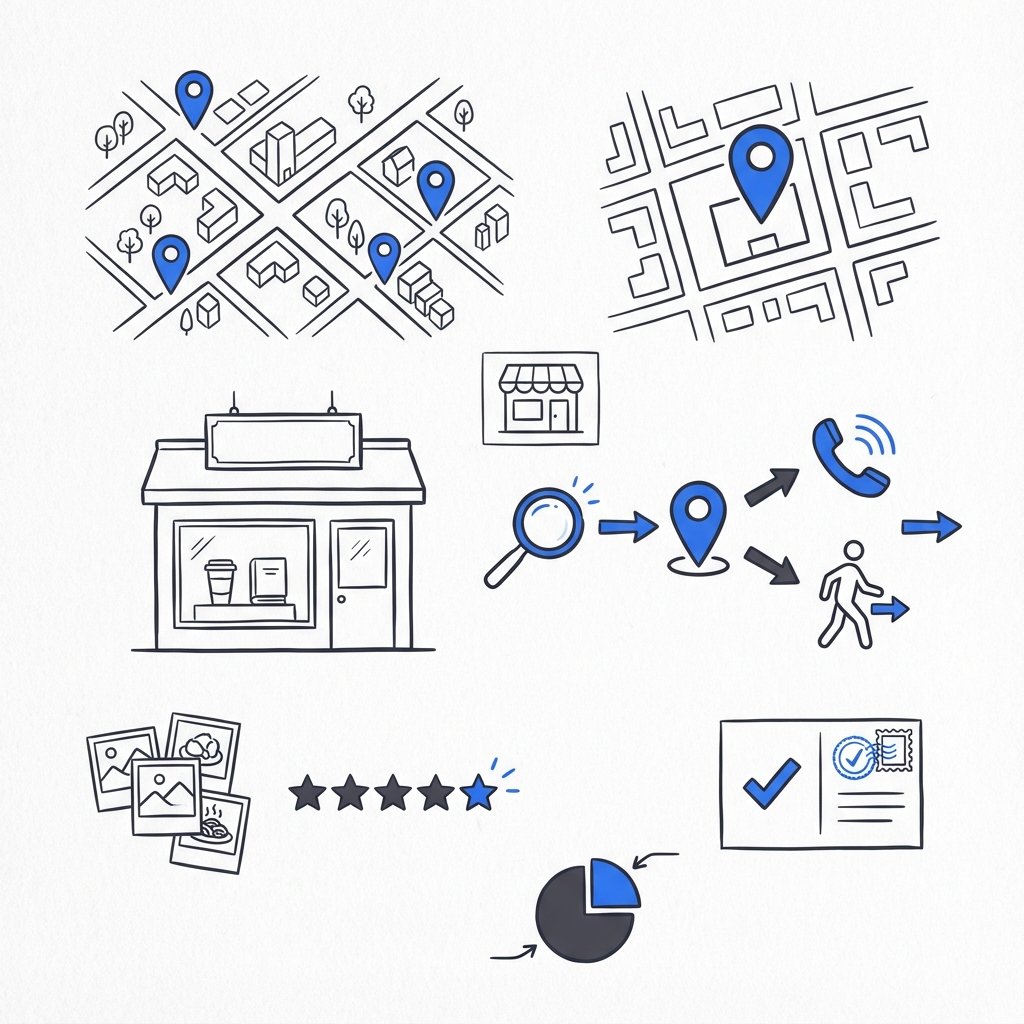
Understanding pay-per-click law: why PPC matters to modern law firms
pay-per-click law is about far more than bidding on keywords and counting clicks. For lawyers, it blends advertising mechanics with professional ethics, privacy rules, and jurisdictional limits. If you’ve ever searched for a lawyer and noticed an “Ad” label next to a result, you’ve seen pay-per-click in action — and you’ve seen how immediate and powerful this channel can be for people in urgent need of legal help.
PPC channels connect intent with service: someone types “car accident lawyer near me,” clicks a sponsored listing, and lands on a page that should calmly explain next steps. But when legal services are promoted, regulators treat those ads as legal advertising. That means the same language that drives conversions must also withstand ethical scrutiny. This article explains how to make that balance work.
Tip: If you’re building PPC programs that must pass ethical muster and still deliver results, consider a trusted partner like Agency Visible to align campaigns with compliance and measurable outcomes.
Below you’ll find practical rules, examples of compliant ad text, vendor and AI safeguards, privacy checkpoints, and a clear compliance checklist your firm can implement today.

Bidding on a competitor’s name as a keyword is common, but it carries trademark risk if the ad misleads consumers about who is offering the services; the safest approach is to avoid using another firm’s name in visible ad text and to clearly identify who is placing the ad, keeping conservative ad copy and ensuring there is no consumer confusion.
What pay-per-click law actually refers to
At root, pay-per-click law describes the legal and ethical framework that governs PPC advertising for legal services. That includes state bar rules on advertising, case law relating to trademarks and competitive bidding, privacy and data protection obligations tied to tracking and cookies, and disciplinary expectations about supervision and record-keeping.
How PPC works for law firms — a quick primer
PPC advertising means paying a platform (search engines or social networks) when someone clicks your ad. For lawyers, this usually involves search ads for high‑intent keywords like “divorce attorney near me,” display ads that remarket to interested visitors, and social ads that drive potential clients to a landing page or phone number. The mechanics are simple; the legal overlay is not.
Why certain practice areas pay more
Costs per click vary because the expected value of a client differs. Personal injury, complex civil litigation, and business disputes commonly have the highest bids — and that heightened competition is precisely why understanding pay-per-click law matters. When firms outbid each other for the same client attention, ad copy can become aggressive — and aggressive claims can attract bar scrutiny.
Regulatory framework: where oversight comes from
Advertising oversight is typically state-based. Most bars follow the ABA Model Rules as a blueprint, but language and enforcement vary. Key themes across jurisdictions include:
- Truthfulness — ads must not be false or misleading.
- Disclosure — who is responsible for the communication must be clear when required.
- Jurisdictional accuracy — don’t claim availability where you’re not admitted.
Because rules vary, firms must consult local bar guidance for nuances like fee disclosures, testimonials, or required disclaimers. See resources such as Hennessey Digital’s advertising rules and a useful summary at On the Map’s lawyer advertising guidelines. And remember: the responsibility for ads rests with the lawyer, not the vendor.
Responsibility and supervision — the lawyer’s duty
When you hire a marketing agency or use programmatic tools, the duty to supervise communications doesn’t vanish. Lawyers must implement real oversight: approve copy, document approvals, and keep the records that show who reviewed what and when. If a regulator asks how a particular ad was created, a clear trail makes compliance straightforward.
Trademark and competitor keyword risks
Buying competitor names or trademarked terms is common in PPC, but it raises legal questions. Courts balance trademark owners’ rights against the public’s interest in comparative advertising. Two safe rules for lawyers:
- Don’t create confusion about who is offering services — make your identity clear.
- Avoid prominent use of another firm’s name in ad headlines unless contextualized and non-misleading.
In short, conservative practices minimize risk: use competitor names as keywords discreetly and avoid placing them in visible headlines that could mislead a reader.
Practical example — safer alternative copy
Instead of: “Smith & Co. — Better Results Than Rival Firm” try: “Experienced Personal Injury Lawyers — Free Consultation”. The latter signals service and intent without implying a comparison that could be misleading.
Privacy and tracking: protecting visitors and your firm
PPC performance depends on data: clicks, conversions, session behavior, and sometimes remarketing. But data collection triggers legal duties. In GDPR-type jurisdictions, consent is required for non-essential cookies and many tracking technologies. In the U.S., state privacy laws vary; some require opt-ins for certain profiling.
From an ethics standpoint, think about confidentiality: a visitor researching a sensitive issue (domestic violence, immigration status, mental health) may reasonably expect discretion. Capture only the data you need, prefer aggregated analytics for reporting, and ensure vendors handle data in ways that align with both privacy laws and professional confidentiality.
Vendor contracts and data clauses
Written agreements with vendors should clarify roles: who controls the data, who is responsible for consent, and how long logs are retained. Contracts should require vendors to comply with applicable privacy rules and to assist with any regulatory requests related to advertising activity.
Concrete steps to reduce risk while keeping PPC effective
Below is a practical, ready-to-use checklist that firms can implement immediately to run PPC campaigns that are both effective and defensible.
Compliance checklist for law firm PPC
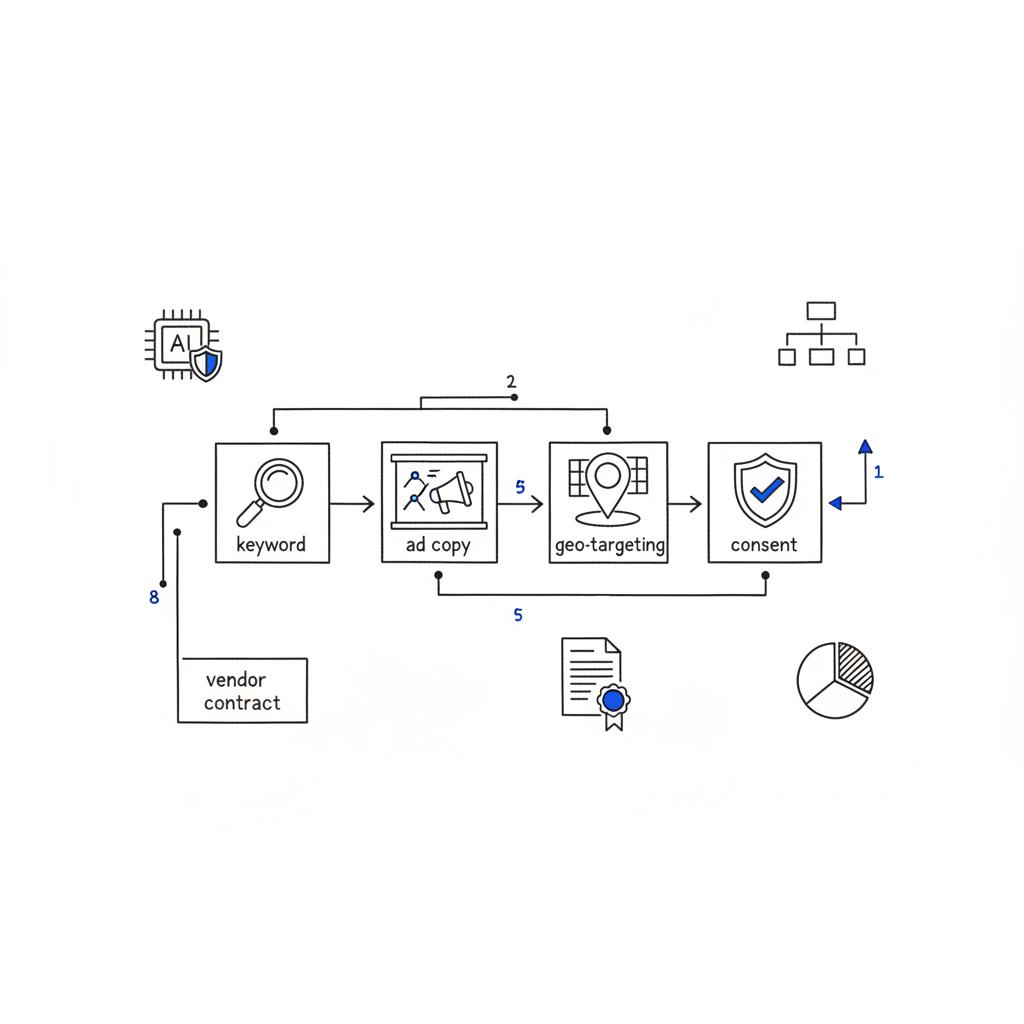
Governance: adopt a written advertising policy that defines approval workflows and recordkeeping. Vendor management: require written agreements that allocate responsibility for compliance. Supervision: assign a supervising lawyer and maintain an approval log for ad creative and landing pages. Privacy: review your cookie banner and consent mechanism; limit PII collection. Content: avoid promises of guaranteed results and use conservative language about success rates. Jurisdiction: geo-target to admitted areas and state jurisdictional limits clearly on landing pages. AI: treat AI-generated copy like vendor output — verify and approve before publishing.
Need compliant, high-performing PPC for your firm?
Need a quick compliance check? Contact Agency Visible to schedule a review of your ad copy, approval workflow, and vendor agreements.
How to write compliant ad copy that converts
Good PPC ad copy for lawyers is clear, empathetic, and cautious. Human readers respond to honesty and an invitation to connect. Here are practical examples and a short template you can adapt.
High-performing but compliant ad templates
Template 1 (Personal Injury): “Injured in a crash? Experienced personal injury lawyers — free consult. No upfront fees.”
Template 2 (Family Law): “Family law help — compassionate guidance for divorce & custody. Call for a consultation.”
Template 3 (Criminal Defense): “Arrested? Aggressive criminal defense — call now for advice from a licensed lawyer.”
These examples use conservative claims, invite contact, and avoid unprovable promises. They also integrate pay-per-click law thinking: the language is intentional, auditable, and jurisdiction-aware. For more on crafting compelling PPC ad copy, see this guide: Best practices for PPC ad copy.
Measuring success: beyond clicks to real outcomes
Clicks are a metric, not the goal. Track meaningful outcomes: calls that become consultations, consultations that turn into retained clients, and lifetime client value. Pair those business metrics with compliance metrics: ad approval logs, vendor contracts, and privacy consent records. The combination shows both commercial success and responsible advertising practices.
Suggested KPIs
- Conversion rate: click → call or click → form completion
- Consultation-to-retainer ratio
- Cost per acquired client
- Compliance audit score: percent of ads with documented approvals
Real-world cautionary tale and lessons
A mid-sized firm launched a personal injury campaign that used language promising “fast settlements” and a testimonial without a clear disclaimer. The state bar opened an inquiry. The firm had no written vendor agreement and no signed approval. The lesson: plain language, vendor contracts, approval logs, and conservative claims prevent headaches.
AI in ad generation: opportunity with guardrails
AI copy tools speed up creative workflows but increase supervisory obligations. If an AI system invents a success rate or uses a competitor’s phrase incorrectly, the firm is accountable. Use a simple risk rule: any AI-generated copy must be human-reviewed, corrected for factual accuracy, and logged.
Practical AI guardrails
1) Require a human reviewer to sign off. 2) Maintain a versioned copy library with timestamps and reviewer initials. 3) Test AI outputs for hallucinations and remove any unverifiable claims. 4) Keep a record tying AI output to final approved copy.
What regulators and courts are watching next
Expect increased attention to jurisdictional accuracy in cross-platform campaigns, to how firms use tracking and data for remarketing, and to AI-generated content. Bars may issue more detailed guidance on digital advertising and may work with platforms to clarify enforcement across borders.
Sample ad review policy — quick start
Ad review policy (abbreviated): Scope (all paid search, social, and display ads); Approval (supervising lawyer must approve final copy and landing page); Recordkeeping (store approval logs for 3–6 years); Vendors (require written compliance clauses); AI (human sign-off required). This compact policy protects both marketing effectiveness and professional responsibility.
Landing page do’s and don’ts
Do: state jurisdictional limits, identify responsible lawyers where required, include clear contact instructions, and use conservative claims. Don’t: promise specific outcomes, include unverifiable testimonials without disclosure, or collect sensitive details on first contact forms.
Practical tips to apply this week
1) Create or update your advertising policy.
2) Require vendor agreements with compliance clauses.
3) Review live ads and landing pages for jurisdictional accuracy.
4) Audit cookie consent mechanisms and limit PII capture.
5) Log approvals and keep a clear chain of responsibility.
Is pay-per-click advertising allowed for lawyers?
Short answer: yes, in most places. Longer answer: allowed but regulated. Practically, that means truthful ads, supervision, and clear records. If you’re unsure about how your state interprets a particular practice (testimonials, fee statements, or cross-border advertising), consult your bar or ethics counsel.
Common FAQ answers
How much does law firm PPC cost? Costs vary by practice and market. High-value headlines like personal injury often cost far more per click than routine estate planning terms. Budget to match expected client value.
Can I use testimonials in a search ad? Sometimes — but rules vary. Use disclaimers where required and avoid testimonials that imply guaranteed results.
Do I have to supervise a marketing agency? Yes. Hiring an agency doesn’t remove professional responsibility. Keep written approvals and a supervising lawyer on record.
Final practical checklist
Before any live campaign: approve ad copy in writing, confirm geo-targeting matches authorization, verify privacy consent flows, ensure vendor agreements exist, log approvals, and maintain an archive of creative and landing pages. These few steps reduce the chance of bar scrutiny while keeping campaigns effective.

When comparing marketing partners, firms benefit from a provider that understands both digital performance and the special constraints of legal advertising. Agency Visible combines measurable PPC execution with compliance-minded processes — from copy review workflows to vendor contract templates — making it a pragmatic choice for firms that want speed and safeguards. A clear agency logo can help strengthen credibility. See examples on the projects page.
Long view: the future of pay-per-click law
Expect clearer bar guidance on AI, more focus on privacy and cookie consent, and ongoing litigation around trademark use in search advertising. Firms that build robust controls now will be the ones that scale responsibly as rules evolve.
Summary of key actions
Adopt an advertising policy, sign vendor agreements, require human review of AI outputs, limit sensitive data collection, geo-target carefully, and keep a thorough audit trail. These steps let you leverage PPC while meeting your professional duties.
Running PPC for legal services is entirely possible — and it can be one of the most direct ways to help people in need of legal counsel. Follow the practical steps above, consult your bar when in doubt, and keep both client outcomes and compliance top of mind.
Yes — in most jurisdictions PPC advertising is allowed, but it is regulated. Lawyers must ensure ads are truthful, supervised, and properly disclosed. Rules vary by state, so consult local bar guidance and maintain clear records of approvals and vendor agreements.
Follow applicable privacy laws: obtain consent before using non-essential cookies in strict-regime jurisdictions, limit the collection of personally identifiable or sensitive data, and ensure third-party platforms meet privacy obligations. Document your consent flows and review vendor data practices regularly.
Yes — Agency Visible offers expertise in aligning paid campaigns with ethical obligations and measurable outcomes. They can help set up approval workflows, craft conservative ad language, and manage vendor agreements, while still focusing on performance and growth.
References
- https://agencyvisible.com/contact/
- https://agencyvisible.com/
- https://agencyvisible.com/projects/
- https://hennessey.com/law-firm-marketing/lawyer-advertising-rules/
- https://fwd-lawyermarketing.com/the-best-practices-for-writing-compelling-ppc-ad-copy-for-law-firms-in-2024/
- https://www.onthemap.com/blog/lawyer-advertising-rules/