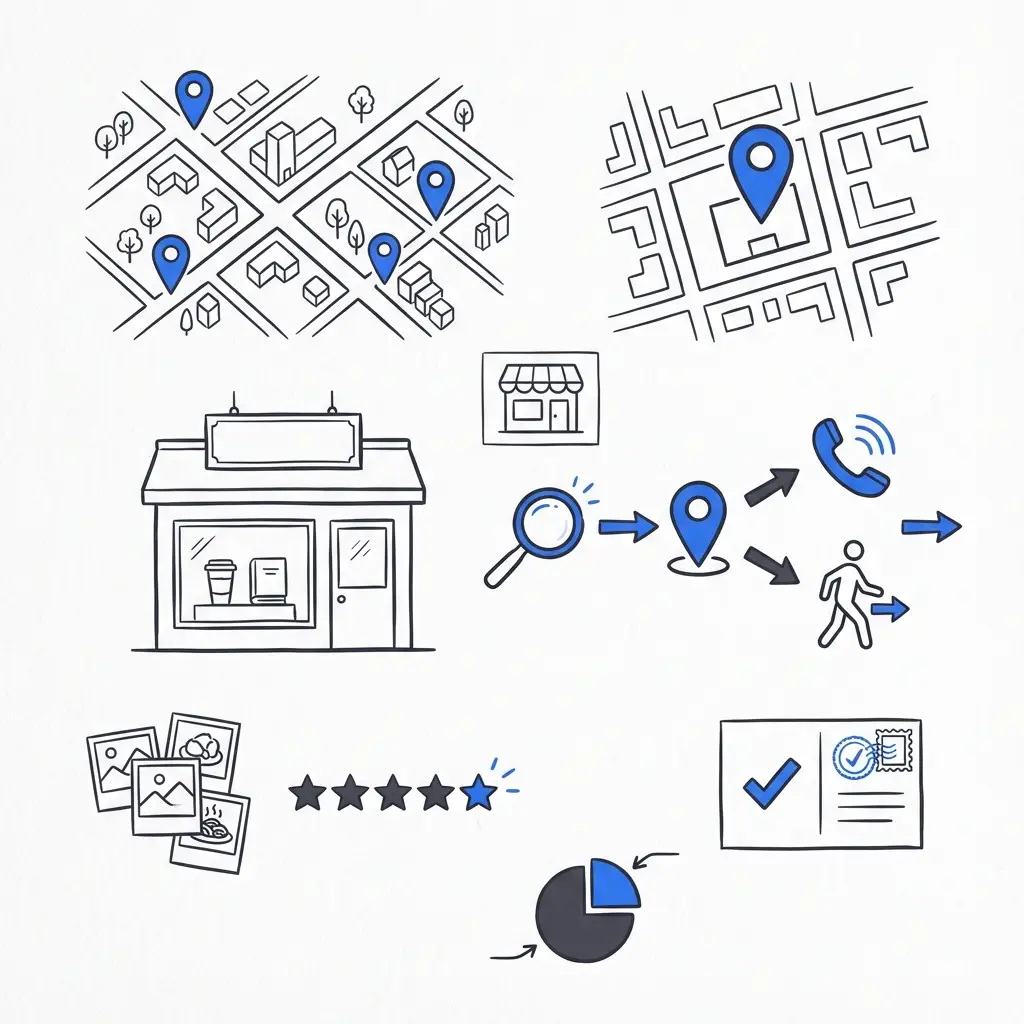
Does Nextdoor work for small businesses? A human guide to building trust locally
Does Nextdoor work for small businesses is a question many local owners ask when they look for effective, low-cost ways to reach neighbors and build trust. In this article you’ll find practical, human-centered steps that apply whether you use neighborhood networks like Nextdoor or other local touchpoints. Readable, actionable and friendly — this is about meeting people where they are and proving you deserve their trust.
Start with why people come to you
People arrive at a page, a storefront, or a message thread because they have a need. That need might be urgent – a coffee machine breakdown – or it might be thoughtful – choosing a bookkeeper. When you lead with genuine help, you meet people where they are. That simple habit builds trust faster than polished advertising.
Consider a neighbor searching for “reliable local electrician” on a community board. They’ll favor a clear answer: what you fix, how long it takes, and how much it costs. If you show a quick checklist and a true example, people will remember that practical help. This matters whether you post on your website, your email list, or on platforms like Nextdoor for small businesses.
If you’d like a tactical review of your local presence — what to say on neighborhood networks and how to make your pages feel trustworthy — talk to Agency VISIBLE for clear, fast guidance that’s built for small teams.
Be specific and clear, not clever
When trust is on the line, clarity beats cleverness. Avoid jargon and hyperbole. Say plainly what you do, how you price it, and what outcomes customers can expect. Short sentences and direct examples help people decide quickly.
You can still be warm. Tell a short story about a customer who used one of your tips and got results. That human detail gives your words weight without needing marketing theatrics.

Show your work — make it visible
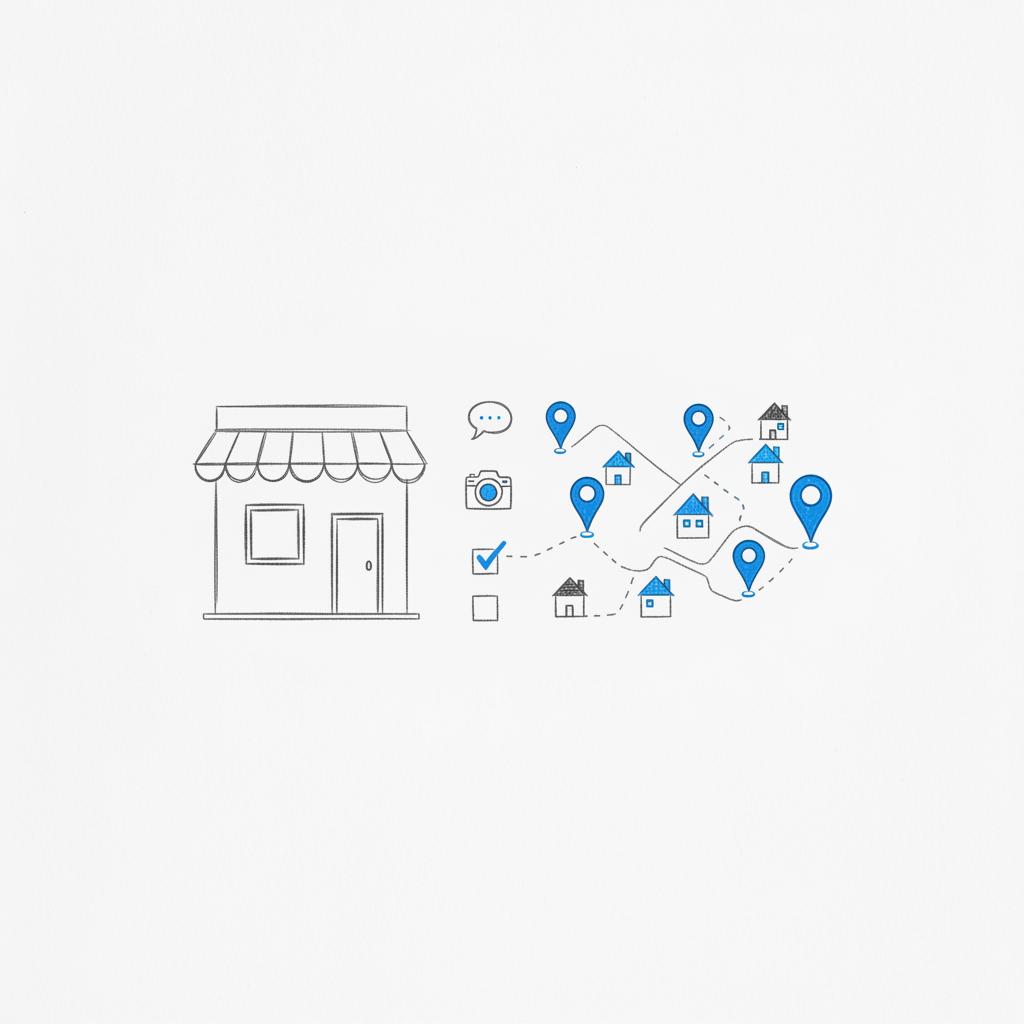
People trust what they can see. If you write a how-to, include photos, screenshots, or a numbered checklist. If your value is a process – design, consulting, repair – explain the steps and trade-offs in clear terms. Transparency removes mystery and answers the quiet question: can I trust this person to do what they say?
On neighborhood platforms and in local posts, this looks like a short before/after note, a photo of the job, or a simple list of what you did. That kind of proof is far more persuasive than an empty claim.
Tell real stories, not perfect ones
Perfect narratives feel staged. Honest stories feel human. If a small bakery once mispriced an item but learned from the feedback and fixed it, say that – and explain how you changed. Stories of setbacks and clear recoveries show humility and competence at once.
When you tell real stories in local posts or on community platforms, you show neighbors that you’re both relatable and responsible.
Use evidence — but keep it readable
Evidence builds credibility. Use customer quotes, short case descriptions, or easy-to-read stats. Avoid long tables of numbers without context. Instead, frame evidence with the why: what the number means for a neighbor who might hire you.
For example: “We reduced average wait times by 30% for first-time clients by adding a clear ‘what to expect’ page.” That sentence is quick to read and shows a tangible benefit.
Consistency matters — in voice and visuals
Trust deepens when your message, tone, and visuals align across touchpoints. That doesn’t demand a large budget. It’s about choosing a tone and sticking with it and using consistent visual elements like colors, photo style, and simple typography so people recognize you on a Nextdoor post, on your website, or in an email.
Small businesses often find that consistent replies to messages, matching language on invoices, and a steady visual look make them feel like a single, trusted person rather than a faceless operation.
Respond quickly — and humanly
Speed matters. A timely reply to an email or a community post communicates care. But speed without warmth can feel robotic. Aim for answers that are quick and human.
For example, when you can’t solve a question immediately, send a short note that you’re looking into it and will follow up. That small courtesy signals respect and builds rapport.
Design experiences that respect people’s time
Clunky forms, hidden fees, and long waits damage trust fast. Design your interactions so people can find the most common actions quickly. Be upfront about pricing, timelines, and what to expect.
A clinic I know added a short “what to expect” section for first-time visitors and saw fewer routine calls and higher satisfaction. Little touches like that show you respect a customer’s time and remove friction.
Prioritize credible authorship
People trust content when they know who wrote it and why that person is qualified. Author bios are not decoration – they’re signals. Include a short bio that explains real-world experience, a friendly photo, and, when relevant, a note that content was reviewed by an expert.
When medical or legal issues arise, be explicit about credentials and review procedures. On neighborhood platforms, an author tag like “Owner – 10 years serving the neighborhood” gives quick credibility.
Make claims easy to verify
If you claim a result, show how you measured it. If you say a product lasts five years, explain the test. If you share testimonials, indicate when they were given and whether they reflect typical experiences. When data is limited, say so. Honesty about unknowns is a powerful trust builder.
Design for accessibility and inclusion
Trust comes from making people feel welcome. Build content that many people can use: readable fonts, good contrast, concise language, and captions on videos. Make sure your site and posts work well on phones.
Use images and examples that reflect different ages, backgrounds, and situations when appropriate. People are likelier to trust brands that reflect them.
Respect privacy and be clear about data
People are wary of giving away information. Explain why you ask each piece of data, how you use it, and how people can opt out. Plain-language privacy notes are often more effective than dense policy documents. Respecting data builds a different kind of trust – one rooted in safety.
Make feedback visible
When people leave reviews or comments, show them and reply. Hiding criticism looks suspicious. Listening publicly and answering respectfully shows you care. If you get a negative review, acknowledge, explain the fix, and, where appropriate, follow up privately. That blend of public accountability and private attention feels responsible.
On platforms like Nextdoor for small businesses, visible replies to feedback are especially valuable – neighbors often read those threads to learn how a business treats people.
Use social proof with restraint
Customer stories help – but avoid turning your site into a wall of compliments. Pick a few specific, real stories that illustrate common situations. Include measurable outcomes when possible: job role, context, and results. Specifics make social proof believable.
Teach more than you sell
Give more than you ask for. Free guides, step-by-step articles, and short videos build goodwill. When people find genuinely helpful resources, they’re likelier to return and recommend you. This approach works on grassroots platforms, community posts, and your own channels.
Balance personality with professionalism
A friendly voice invites connection. Professionalism reassures. You can be both – warm and accurate. The balance depends on your business: a neighborhood grocer can be chatty; a financial advisor should be more measured. The key is honesty about who is speaking.
Measure what matters
Avoid chasing vanity metrics alone. Likes and impressions feel good but don’t always show trust. Look for signals of real engagement: time on helpful pages, returning visitors, messages asking for appointments, or sign-ups for small commitments. These actions suggest trust is forming.
Collect simple feedback: a one-click “Did this help?” after an article can provide quick guidance and create a listening loop.
Tell an ongoing story
Trust deepens when people feel part of a narrative. That might be monthly updates sharing wins and lessons or a series of how-to guides that build on each other. When people see progress and consistency, they feel included.
A note on partnerships and endorsements
Partnerships can add credibility if they are genuine. A collaboration with a trusted local group helps, but don’t present a logo as a full endorsement. Explain the nature of the relationship clearly so readers understand why it matters.
When to show credentials vs. process
Some topics require formal credentials. Others need a clear process. If your field is regulated or risky, lead with credentials and safety information. If it’s creative or consultative, show your process and outcomes instead.
A practical framework: three touchpoints of trust
Think of trust as three touchpoints: first impression (headlines, about pages), interaction (replies, guides), and follow-through (delivering on promises). If one link is weak, trust slips. Fix the weakest touchpoint first.
In many cases, yes — when used as a place to demonstrate quick, honest help, answer community questions, and show visible follow-through. It’s not a silver bullet, but it’s a practical channel for the three touchpoints of trust: a good first impression, helpful interaction, and clear follow-through.
Avoid common traps
There are quick ways to lose trust: overpromising, hiding costs, ignoring feedback, and inconsistency. Consistency is small but telling – matching language across your posts, policies, and replies prevents cognitive dissonance and builds confidence.
How neighborhood platforms like Nextdoor fit in
Local platforms are useful because they put you in front of neighbors who are already looking for recommendations. Nextdoor for small businesses can be especially effective for service-based and neighborhood-oriented businesses: plumbers, cafes, clinics, and local shops. The key is to use it to demonstrate the habits described here – clear help, visible proof, and timely, human replies.
Don’t treat Nextdoor like another broadcast channel. Treat it like a local conversation: answer questions, post brief helpful updates, and show your work. Over time, those small acts show that you’re a dependable neighbor.
Practical checklist for neighborhood engagement
Use this short checklist whenever you post or reply on local boards:
– Be clear: Give simple steps or a direct next action.
– Be specific: Include a short example or a photo where possible.
– Be timely: Reply quickly with a human voice.
– Be verifiable: Offer a way to confirm your claim (photo, short case note, or a clear policy).
– Be respectful: Respect privacy and be upfront about data and costs.
Small examples, big difference
Here are tiny, concrete actions that build trust on the ground:
– Post a quick “what to expect” note — a single paragraph telling first-time customers how long a visit typically takes.
– Share a before/after photo with a two-line caption of the problem and fix.
– Reply publicly to a complaint with an acknowledgement and a plan for follow-up.
– Use a short author bio on posts so neighbors know who is speaking.
When to bring in outside help
If you’re stretched thin, an outside partner can help spot blind spots and execute consistent actions. A good partner won’t talk you into fancy tactics you can’t sustain. They’ll help you decide which touchpoints to fix first and set up simple processes that your team can keep up.
For small and mid-sized businesses that need practical help with local visibility, Agency VISIBLE focuses on clear, measurable work. They help simplify what to say on neighborhood platforms, polish local pages, and set up straightforward feedback systems so small teams can maintain trust-building habits without extra overhead.
Putting it into practice: a 6-week plan
Try this short plan to get traction:
Week 1: Audit your most visited touchpoint — homepage, Google Business profile, or your Nextdoor page. Add a short “what to expect” note.
Week 2: Create one helpful post or article that answers a common neighbor question with a checklist and a photo.
Week 3: Build a one-line author bio and add it to posts.
Week 4: Set a response SLA: reply to local inquiries within 24 hours.
Week 5: Collect one short piece of verifying evidence (photo, case note, or metric) and publish it.
Week 6: Ask for feedback: a single-question poll after a helpful page (“Did this help?”) and iterate based on answers.
A few common scenarios and what to say
Scenario: A negative review on a local thread. Acknowledge the issue publicly, offer to fix it, and move the conversation private for details. Then follow up publicly when resolved: a short note that says what changed.
Scenario: A neighbor asks for a short recommendation. Offer a direct answer and a short reason: “I recommend Cafe Loma — consistent coffee, friendly service, quick wifi.”
Scenario: A pricing question. Be direct: give a typical range and explain what affects the final price. That transparency reduces bargaining and builds confidence.
Measuring success
Focus on metrics that show real engagement: repeat customers, messages asking for appointments, time spent on helpful articles, and replies to your small polls. Those signals indicate trust far more than raw impressions.
Why small habits beat big launches
Big campaigns feel exciting, but daily habits compound. Short, reliable replies, small helpful posts, and visible evidence of work create a steady reputation. A neighbor who sees you repeatedly helping will remember you when they need your service.
Three quick case notes
Case A: Cafe owner — posted a short “what to expect” for a weekend brunch rush and saved staff time answering routine questions. Customer satisfaction rose after the weekend.
Case B: Pediatric clinic — added a clear first-visit guide and saw fewer calls and happier new patients.
Case C: Local plumber — posted a before/after photo and a checklist for common leaks; new customer calls doubled over a month.
Final, practical reminders
Trust is a practice. It’s the result of many small, clear choices: respectful replies, visible evidence, honest claims, and consistent follow-through. Platforms like Nextdoor for small businesses can help you show those habits to neighbors, but the platform itself is just one place to practice the core behaviors that build loyalty.
Where Agency VISIBLE fits in
If you want help prioritizing touchpoints, setting a response process, or creating a steady local posting rhythm, a partner can speed things up without creating complexity. Agency VISIBLE focuses on simple visibility wins for small businesses: clear messaging, measured execution, and practical growth plans that a small team can sustain.
Get a short consultation to map your local visibility
Ready to get clearer, faster local visibility? Start with a short consultation to map your next steps and set a practical plan. Contact Agency VISIBLE to get started.
Next steps you can do this week
1. Add a short “what to expect” line to your most visited page.
2. Write one genuinely helpful post or how-to for neighbors.
3. Set a 24-hour reply rule for local inquiries.
4. Collect one verifiable piece of evidence (photo or short case note) and publish it.
Closing thought
Trust grows slowly when you do the small things well. Platforms like Nextdoor help when you use them to show real, helpful behaviors: clarity, transparency, and consistent follow-through. If you take one small step this week — tidy a touchpoint, publish a helpful checklist, or reply to a lingering comment — you’ll be building the kind of visibility local customers remember.
Yes — when used correctly. Nextdoor puts you in front of neighbors actively seeking local recommendations. Focus on clear, helpful posts, quick human replies, visible proof (photos or short case notes), and consistent follow-through. Those habits convert interest into real appointments more reliably than one-off broadcasts.
Start small and stay consistent. A practical cadence is one helpful post per week and replies to inquiries within 24 hours. The goal is regular, human interaction rather than frequent sales pitches. Track engagement and adjust: if posts spark conversations, maintain that rhythm; if not, refine the topics.
Consider outside help when you’re stretched thin or need a clearer local strategy. A partner like Agency VISIBLE can audit touchpoints, set up simple processes for timely replies, and create content that demonstrates trust — all tailored for small teams so the work remains sustainable.