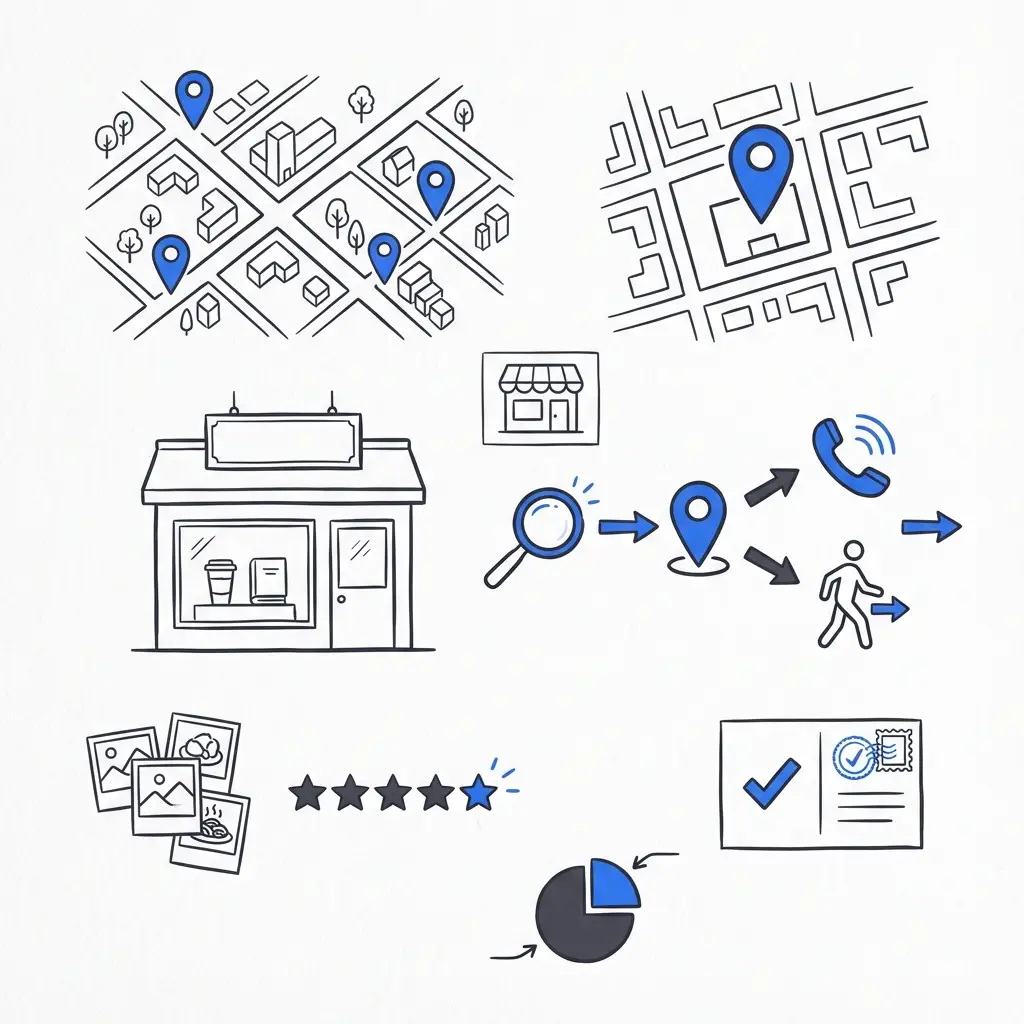
What are the negatives of Google Ads? For many businesses, that’s the first question after a promising demo or a headline about quick wins. The truth is useful and uncomfortable: the negatives of Google Ads can drain budgets, obscure true results, and demand constant attention. This guide walks through those downsides in plain language, shows how they appear day-to-day, and offers practical steps to reduce risk.
If you want a quick, practical review of your account and a friendly second opinion, contact Agency VISIBLE for a short audit. We help businesses spot the signs of wasted spend and set up protections that fit your budget.
Think of paid search like a busy highway: it moves a lot of traffic fast, but there are tolls, potholes, and the occasional wrong exit. Understanding the negatives of Google Ads helps you plan for the trip, not just hope the car starts.

Why this matters up front: the negatives of Google Ads are not theoretical. Rising click costs, invalid clicks, measurement gaps, and policy disruptions are real, measurable, and frequent enough to change outcomes – especially for smaller advertisers who can’t absorb big surprises.
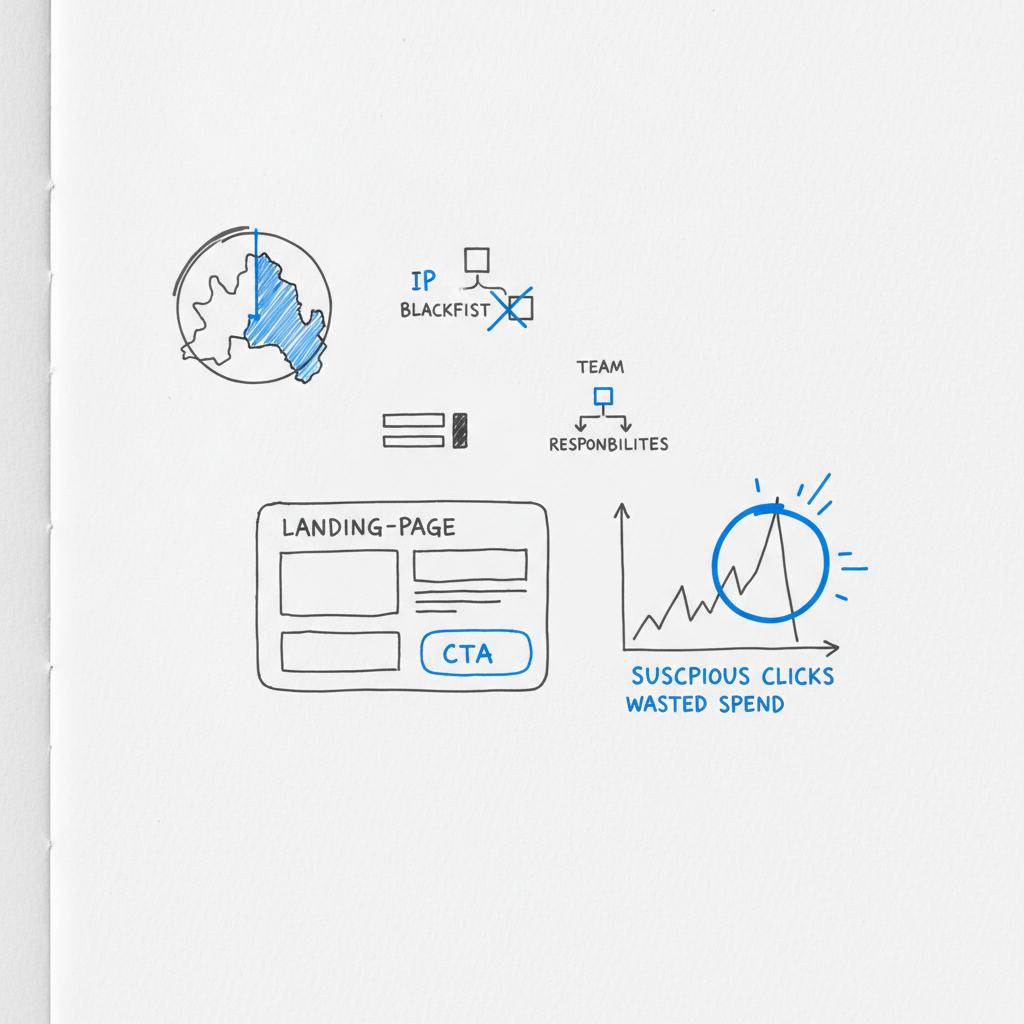
Look for sudden increases in clicks without conversions, short session durations on paid visits, geographic clusters you don’t expect, repeated clicks from the same IP ranges, and dramatic divergences between paid and organic behavior. Preserve logs and consider a third-party check if you suspect fraud.
1. Rising costs and fragile return-on-ad-spend
The most visible negative of Google Ads for many businesses is money leaving the bank account without reliable returns. Average cost-per-click has been climbing, and for many high-intent keywords advertisers now pay several dollars per click. That trend makes paid search an increasingly expensive channel for low-margin businesses.
Why are costs rising? Competitive pressure on top keywords, smarter bidding by large advertisers, and automated systems that optimize for conversions can all raise auction prices. The practical outcome is simple: if you do not monitor bids and budgets closely, the negatives of Google Ads can turn a small test into a budget sink.
How rising CPC shows up
Watch for these signals: spikes in CPC for core keywords, falling impression share despite similar bids, and a growing cost-per-acquisition while lead quality stays the same. Those are early signs the math is moving against you.
Get a free campaign audit and protect your ad budget
Ready to stop wasting ad spend? Talk to us for a clear audit and a plan that fits your budget: Get a campaign audit from Agency VISIBLE.
2. Click fraud and invalid traffic
Click fraud and invalid traffic are classic negatives of Google Ads that impact both performance and diagnostics. Bots, scrapers, and scripted clicks inflate clicks without creating value. That wastes money and clouds your analytics.
Research shows invalid traffic remains a meaningful slice of total ad clicks – for context see the 2024 top click fraud statistics. When bots or low-quality sources produce a chunk of your clicks, conversion rates fall and you may misdiagnose the problem. You could chase landing page fixes when the real issue is non-human traffic.
How to spot fraud quickly
Look for short session durations, high bounce rates on paid traffic compared with organic traffic, clusters of clicks from unexpected regions, and repeated clicks from the same IP ranges. If conversions don’t rise with clicks, that’s a red flag. Agencies and practitioners are documenting mitigation approaches as they evolve – a useful overview is available at 11 ways agencies are combating click fraud.
3. Measurement gaps and attribution uncertainty
Another central negative of Google Ads is the shrinking certainty in measuring outcomes. Privacy changes, the death of third-party cookies, and evolving analytics platforms have created measurement gaps. Modeled conversions and probabilistic attribution are helpful, but they introduce ambiguity.
This uncertainty can make budgeting and channel comparisons harder. If some conversions are modeled, you must accept a margin of error when you evaluate performance. That means the negatives of Google Ads often include harder conversations about whether numbers reflect real customer actions or modeled estimates.
This uncertainty can make budgeting and channel comparisons harder. If some conversions are modeled, you must accept a margin of error when you evaluate performance. That means the negatives of Google Ads often include harder conversations about whether numbers reflect real customer actions or modeled estimates.
Ways measurement problems appear
Unexpected drops in reported conversions after a tracking change, mismatches between CRM data and reported conversions, and divergent trends between paid and organic channels are all signs the measurement stack needs attention.
4. Operational burden: ads aren’t a “set it and forget it” tool
A common negative of Google Ads is the time and skill required to keep campaigns healthy. You will test creatives, refine keywords, troubleshoot sudden drops, and adapt to policy changes. That ongoing work is real cost – in hours or in agency fees.
For small teams, this can be the biggest surprise. An initially efficient campaign can demand more attention as competitors react, platforms change, or fraud appears. If you want to see examples of how teams structure work and show results, check our projects for case study ideas.
How operational costs build up
Hourly monitoring, creative refreshes, bid strategy checks, and reporting add to the campaign’s true cost. If you hire help, transparent reporting and demonstrated fraud mitigation should be part of the contract.
5. Policy enforcement and account risk
Google’s ad policies protect users, but enforcement can be a harsh negative of Google Ads. Disapprovals and account suspensions happen, sometimes with little explanation. If paid search is a critical revenue source, sudden policy action can be disruptive.
Resolving suspensions often takes time and documentation. That means a suspended account can stop conversions and revenue while you work through appeals.
6. Industry variance and unequal playing fields
Not all verticals are equal. Some industries face high CPCs and fierce competition; others remain relatively affordable. The negatives of Google Ads are therefore uneven: an attorney or high-ticket B2B can absorb higher CPCs because lifetime value is high; a low-margin retailer cannot.
For small businesses, this variance can be decisive. Your industry, margins, and funnel clarity determine whether the negatives of Google Ads are manageable or fatal to a budget.
7. Poor landing pages and mismatched intent
Sometimes the negative outcome isn’t the ad platform itself but a mismatch between ad and landing page. Broad match keywords or sloppy targeting can bring irrelevant clicks. If your landing page is slow, unclear, or not aligned to intent, paid traffic converts poorly and looks expensive.
Fixes that reduce waste
Use tightly matched keywords for constrained budgets, maintain negative keyword lists, and test landing page relevance and speed. Small technical and copy improvements often yield outsized returns and reduce the negatives of Google Ads in practice.
Real signals that your campaign is suffering
Spotting the negatives of Google Ads early saves cash. Key signals include rising CPA with flat conversions, paid traffic behaving worse than organic traffic (short sessions, low depth), strange geographic or hourly clusters of clicks, and repeated ad disapprovals.
If you see these patterns, pause and diagnose before you spend more to chase a fix that won’t help.
Practical steps to manage the negatives of Google Ads
There are clear, pragmatic moves you can make to reduce risk while still testing paid search:
1. Monitor meaningful signals
Don’t be satisfied with clicks and impressions. Track conversion rate, session duration, pages-per-session, and geographic/hourly patterns. Compare paid traffic behavior to organic and direct traffic to spot anomalies.
2. Use layered fraud protection
Combine built-in platform controls with third-party monitoring if needed. For smaller budgets, regularly review IP patterns, blacklist suspicious regions, and add exclusions for known bad traffic. If fraud looks significant, consider specialized filters or professional forensics – see additional prevention strategies at WD Strategies.
3. Prioritize first-party and server-side data
Shift to first-party tracking where possible. Import offline conversions, use call tracking, and consider server-side conversion measurement to reduce reliance on modeled data. These steps shrink the measurement gaps – a major negative of Google Ads for many teams.
4. Start small and test tightly
Use limited budgets, short test windows, and specific success metrics. Treat early campaigns as learning instruments. Tight match types, negative keywords, and careful geo-targeting reduce waste while you learn.
5. Budget for management
Accept that effective campaigns need ongoing management. Whether you hire an agency or keep it in-house, track the cost of that time and add it to your channel math. A small management budget can prevent much larger waste.
Case study: a small ecommerce brand’s wake-up call
A handcrafted ceramics shop launched a modest search campaign for holiday traffic. They used a small daily budget and high-intent keywords. For a week things looked promising. Then CPCs climbed, conversions fell, and analytics showed a cluster of short sessions from one region. Ultimately, nearly a quarter of their spend had gone to invalid clicks. After pausing and restructuring with stricter geo-exclusions and a fraud filter, performance improved – but the cost of recovery was real.
That example captures the typical negatives of Google Ads: rapid spend, unclear signals, and the need for a prompt, methodical response. You can find more about our approach and perspectives on campaign structure on our perspectives page.
Layered protections that work
Advertisers who manage the negatives of Google Ads well combine several controls:
Strict geo-targeting and hourly controls – limit exposure to markets that convert.
Third-party fraud filters – add a detection layer to catch sophisticated invalid traffic.
Import offline conversions – tie in-call or in-store sales to your ad reporting.
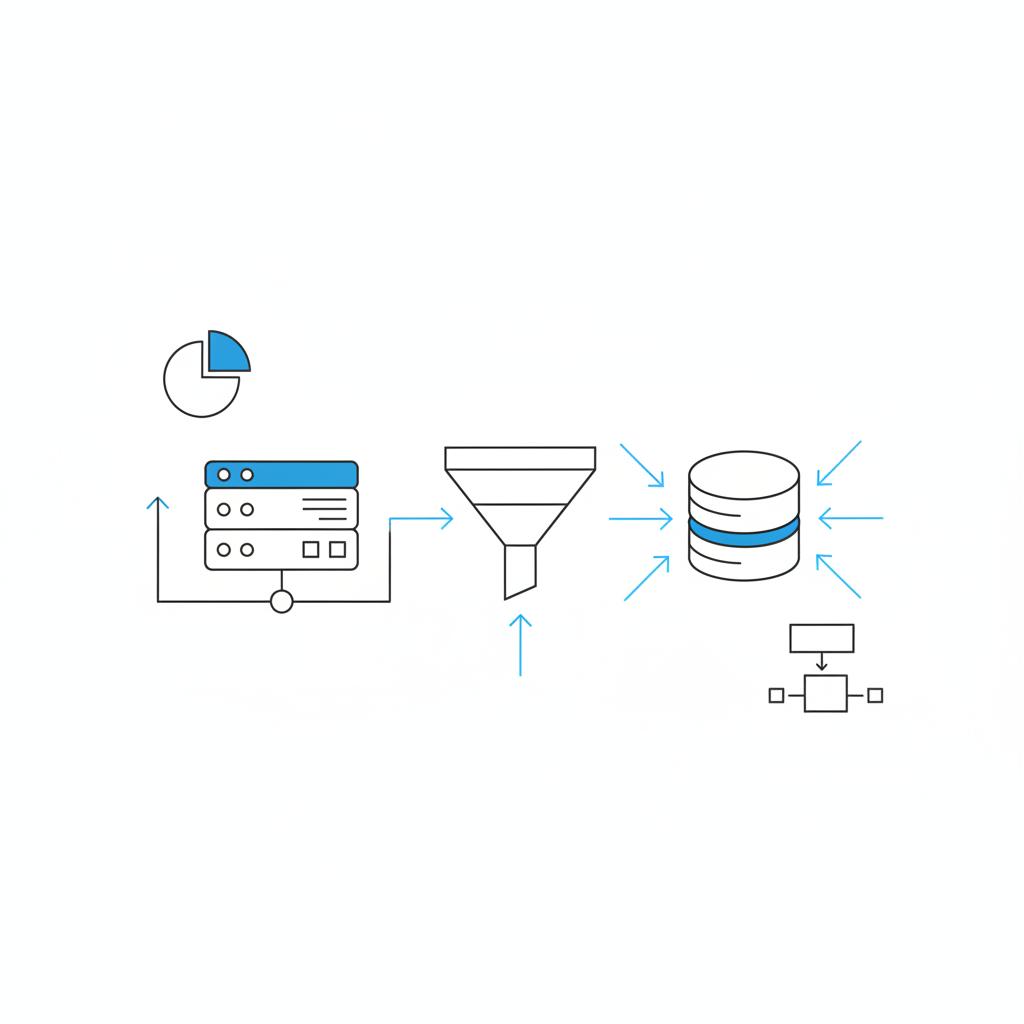
Server-side tracking – reduce dependence on browser cookies and modeled data.
These measures cost money, but they often cost less than the waste they prevent.
These measures cost money, but they often cost less than the waste they prevent.
Is Google Ads worth it for small businesses?
The right answer depends on three variables: margins, funnel clarity, and operational bandwidth. If your margins can absorb CPCs and your funnel is easy to track, a small, well-managed campaign can deliver predictable customers. If margins are thin and you can’t commit to tracking and management, pause and pursue other channels.
Do a controlled test: a modest budget, tight keyword selection, measured conversions (including offline), and a defined success threshold. If you can reach that threshold, scale cautiously. If not, reinvest in channels with lower operational risk.
How AI and fraud trends shape the future
Looking forward, the negatives of Google Ads will be shaped by automation and anti-fraud technology. AI-driven bidding and creative automation can cut manual labor but may centralize advantage for larger advertisers who can train models well. Meanwhile, fraud detection tools are improving, yet fraudsters evolve too. The net outcome for small advertisers will depend on how accessible these protections and automations become.
A simple campaign audit checklist
Use this short checklist to spot the negatives of Google Ads before they escalate:
Compare paid vs. organic metrics: session length, bounce rate, pages per session.
Check for geographic or hourly anomalies in click patterns.
Audit recent CPC and CPA trends for sudden spikes.
Review ad disapprovals and any policy messages from Google.
Verify conversion tracking and import offline events if relevant.
Look for repeated clicks from identical IP ranges or suspicious referrers.
Common questions and short answers
Will I get refunds for invalid clicks?
Google offers refunds for clearly invalid traffic in some cases. However, the process can be slow and not all invalid clicks are refunded. A proactive, layered approach usually saves more budget than chasing refunds alone.
How much should I budget for monitoring?
There’s no single number. Small tests might require a few hours per week; larger programs need dedicated time or an agency. Treat monitoring and fraud protection as part of your ad cost, not optional extras.
Will switching to automation fix these negatives?
Automation can reduce some operational work, but it won’t erase the negatives of Google Ads. Automation can change auction dynamics and sometimes reduce waste, but it also requires oversight and can amplify mistakes if left unchecked.
When to pause Google Ads
Consider pausing when CPA steadily rises while conversion quality falls, when you cannot identify the cause of low-quality clicks, or when policy issues leave your account at risk. Pausing gives you space to diagnose and rebuild with better protections.
Practical next steps you can take today
Start by running the quick audit above. Add a short list of negative keywords, set geo-exclusions where you see non-converting clicks, and test replacing broad match with phrase or exact match for limited budgets. Consider importing calls or CRM conversions to tighten measurement.
Want help with a checklist, a short audit, or a budget walk-through? We can draft a one-page guide to evaluate partners, measure conversions, or set test parameters specific to your industry. Just ask.
It depends on margins, funnel clarity, and operational bandwidth. Run a tightly scoped test with a modest budget, track offline conversions, and use tight match types. If cost-per-lead and conversion quality meet your targets, scale cautiously. If not, consider other channels until you can support tracking and management.
Look for sudden rises in clicks without matching conversions, short session durations, repeated clicks from the same IPs, and unexpected geographic or hourly clusters. Compare paid traffic behavior to organic performance and preserve logs if you suspect fraud. Consider third-party forensics for persistent issues.
Agency VISIBLE performs practical audits that identify wasted spend, verifies conversion tracking (including offline imports), and sets up layered fraud protections. We prioritize transparent reporting and realistic plans so you understand the true cost of paid search and can decide whether to scale or pause.
References
- https://agencyvisible.com/contact/
- https://agencyvisible.com/
- https://agencyvisible.com/projects/
- https://agencyvisible.com/perspectives/
- https://clickpatrol.com/2024-top-click-fraud-statistics/
- https://www.forbes.com/councils/forbesagencycouncil/2024/07/15/11-ways-agencies-are-combating-click-fraud-in-2024/
- https://www.wd-strategies.com/articles/click-fraud-in-2024-a-growing-threat-to-digital-advertising