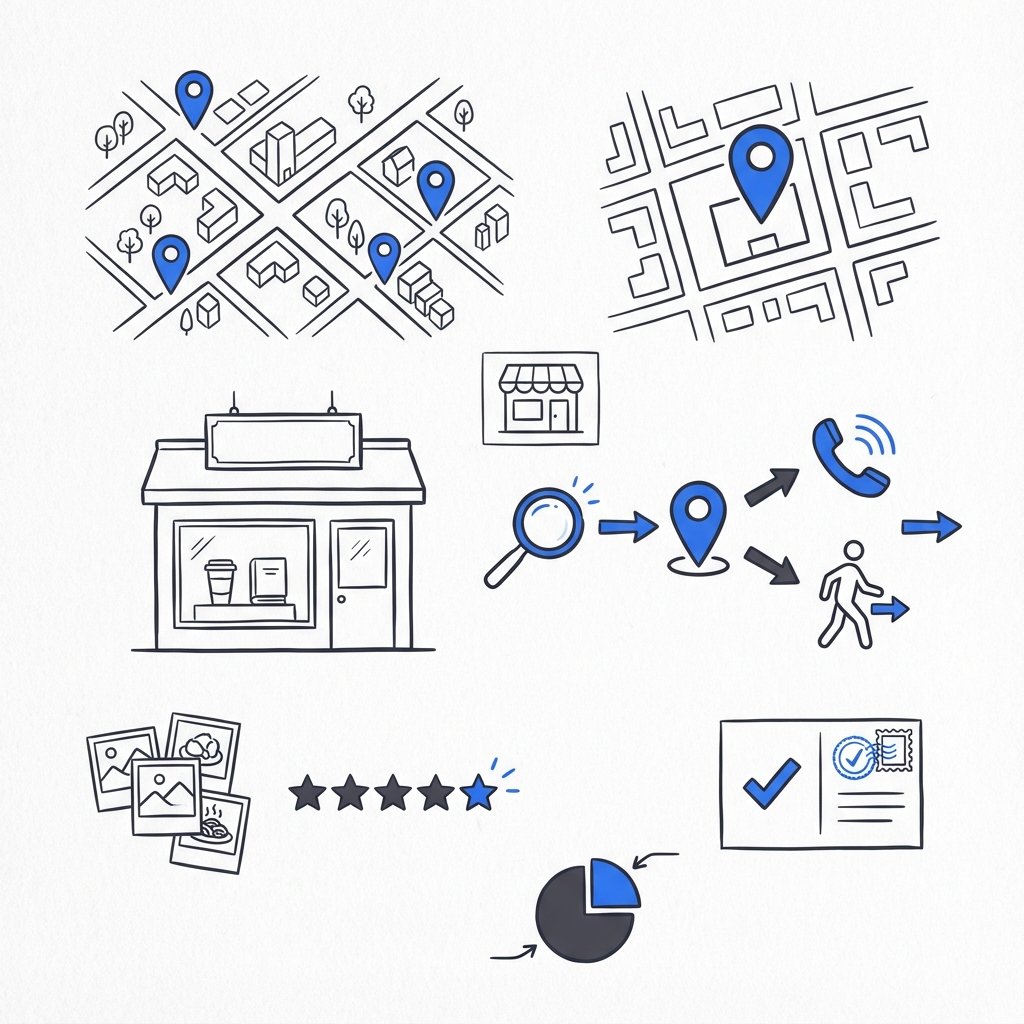
Why the choice of a medical website builder matters
If you run a clinic, you’re not just picking colors and fonts — you’re choosing how patient information is collected, stored and protected. A single contact form that asks about symptoms can turn ordinary form data into protected health information. That’s why choosing a medical website builder is more than a design decision; it’s a compliance and trust decision.
Who this article helps
This guide is for clinicians, practice managers and solo practitioners who want a practical path to a compliant, patient-friendly website. It explains what to ask vendors, which technical controls matter, and the sensible trade-offs between convenience and safety.

What HIPAA means for a website — short and practical
HIPAA requires covered entities to protect individually identifiable health information (PHI). If a vendor stores, transmits or processes PHI on your behalf, they become a Business Associate and should sign a Business Associate Agreement (BAA). That legal contract matters as much as TLS or encryption.
The simple triggers that make website data PHI
Names combined with health details, free-text symptom descriptions, appointment notes and messages that mention treatments — these can all become PHI. If any of those travel to a vendor that won’t sign a BAA, you’ve created a compliance gap.
How mainstream website builders behave today
Popular consumer builders are fantastic for many local businesses, but many do not operate as HIPAA Business Associates by default. Some will sign BAAs on higher-tier plans, others explicitly refuse. Even when the main host does sign a BAA, plugins, analytics tools, form back-ends or marketplace widgets may fall outside that agreement. For examples of HIPAA-compliant telehealth platforms and features see this roundup from Blaze.
That’s why the choice of a medical website builder is not only about templates and costs — it’s about knowing which parts of the stack are covered and which are not.
Two reliable paths to a compliant medical website
There are mainly two practical routes clinics take:
1) Work with a managed partner
A managed partner (an agency or specialist) combines HIPAA-capable hosting, signed BAAs, encrypted forms and vetted telehealth/scheduling integrations. They document subprocessors, configure access controls, and reduce the number of vendors that can touch PHI. This is often the fastest way for busy practices to reduce legal risk while keeping patient experience smooth.
2) Use a healthcare-focused CMS or HIPAA-ready managed hosting
Choose a platform or managed host that markets HIPAA readiness. These hosts typically offer encrypted storage, automatic backups, role-based access and logging – plus willingness to sign BAAs. The caveat: plugins and third-party widgets still need vetting. A host signing a BAA doesn’t automatically make every plugin compliant. See a compiled list of HIPAA-compliant web hosting providers here.
Quick comparison — convenience vs control
Convenience-first platforms (fast templates, marketplaces) give speed and low cost but may expose PHI via marketplace plugins. Healthcare-focused hosting or a managed partner gives a higher degree of control and documented agreements, at higher cost and slightly slower setup.
Which route is best depends on your workflows, budget and risk tolerance.
Technical controls to verify (and why each one matters)
Ask vendors clear questions. Below are the technical controls you should confirm and what they mean in practice.
Does the hosting provider sign a BAA?
This is non-negotiable if PHI will be stored or processed. A signed BAA assigns legal responsibilities and sets expectations for incident response and data handling.
Does the BAA cover subprocessors for forms, analytics and scheduling?
Many breaches come from small integrations. Ensure the BAA lists subprocessors or that the vendor will provide subprocessors’ BAAs on request.
Is TLS enforced for every page that can accept patient input?
Use HTTPS across the whole site — not just on login pages. A simple misconfiguration can expose data in transit.
Is stored data encrypted at rest and backed up securely?
If a server is breached, encryption at rest reduces risk. Backups must also be in an environment covered by the BAA.
Are access permissions limited and are audit logs available?
Role-based access ensures only the right staff see PHI. Audit logs let you know who accessed or changed patient data — crucial after a suspicious event.
How are software updates and security patches handled?
Outdated plugins are a frequent attack vector. Know the vendor’s patch policy and update cadence.
Design decisions that reduce risk (and don’t ruin user experience)
Good design balances safety and patient convenience. You don’t have to make the site clumsy to be compliant.
Keep PHI out of public forms
Use general contact forms for non-clinical inquiries and route clinical questions to a secure portal. Replace free-text symptom fields on public pages with a single “brief description” field that does not store sensitive details.
Use unique IDs instead of clinical notes on public pages
Assign reference numbers or appointment IDs for follow-ups. Don’t include treatment details in email subjects or public tickets.
Route sensitive data to a BAA-covered portal
Patient intake, messaging and documents should live in a secure patient portal or a form service that signs a BAA.
Appointment booking, telehealth and third-party integrations
Booking and telehealth are convenience features patients expect, but they’re also risk spots. Always verify the vendor’s documentation and subprocessors.
Questions to ask telehealth vendors
Do they sign a BAA? Are recordings or chat logs stored? Where and under what protections? What subprocessors do they use? For a quick primer on telehealth platform features, see this guide: Top features of a HIPAA compliant telehealth platform.
Booking widgets — what to watch for
Some widgets only transmit scheduling metadata (low risk). Others accept free-text notes (high risk). If you must embed a booking widget, configure it to limit fields that could capture PHI and confirm the widget’s backend is covered by a BAA.
Costs and trade-offs clinic owners should expect
Expect higher costs for managed HIPAA builds versus a standard small-business website. Costs typically include HIPAA-capable hosting, agency time for vendor vetting and secure integrations, BAA-related fees and ongoing monitoring.
That said, costs are manageable with a phased approach: start with public-facing educational content and a secure portal for intake. Add integrations after reviewing BAAs, or move to a managed plan that consolidates hosting, backups and logging.
A real-world cautionary tale
A small multi-provider practice used a popular template builder and embedded a marketplace booking plugin plus a form that emailed submissions. When an email account was hacked, it exposed patient data — and the booking tool stored notes in a third-party backend not covered by any BAA. The practice faced notifications, vendor reviews and migration costs that far exceeded what compliance-minded hosting and agency support would have cost initially.
Planning for HIPAA from the start avoids these surprises.
Practical steps to choose the right website path
Follow a simple checklist:
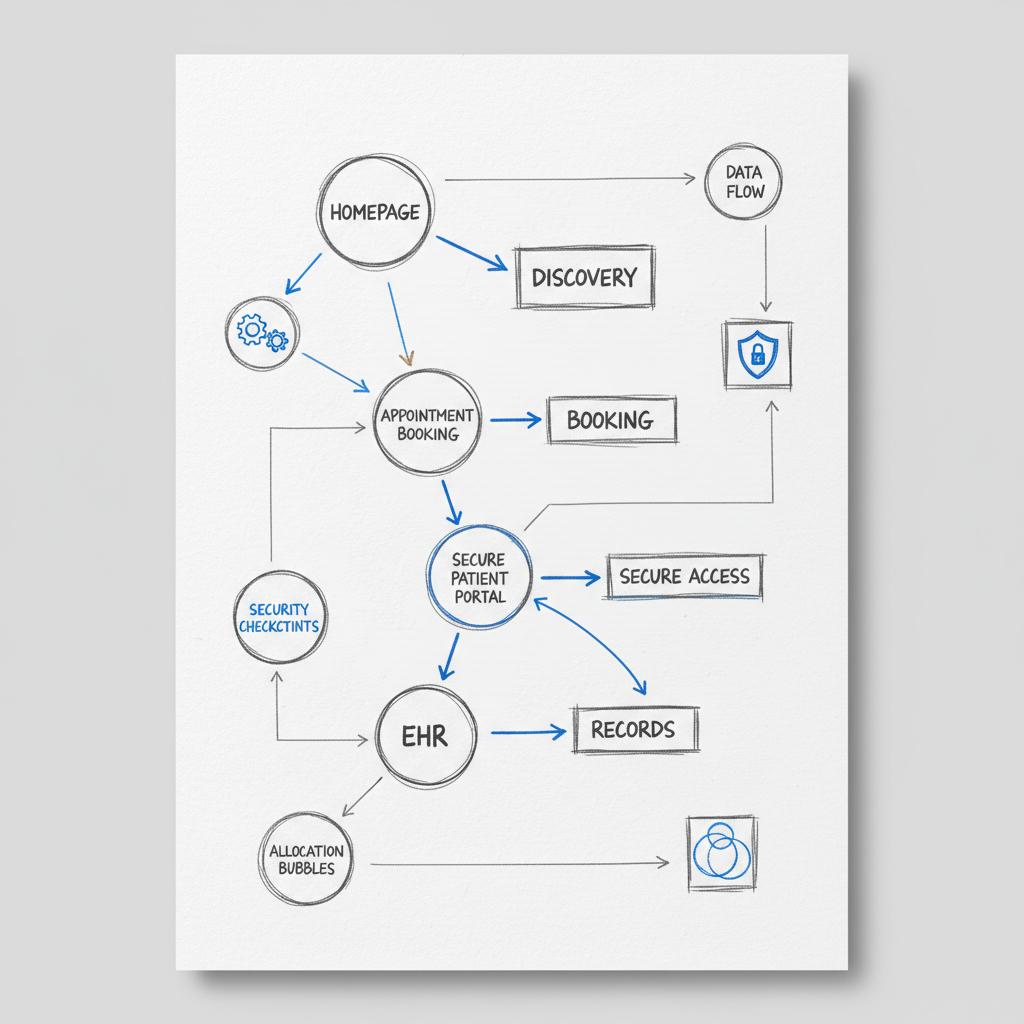
Map how information flows on your site.
Identify where PHI may be entered, stored or transmitted.
Ask each vendor to sign a BAA and to provide a list of subprocessors.
Confirm encryption in transit and at rest, audit logging and role-based access.
Prefer plugins and integrations that explicitly agree to BAA coverage.
How to evaluate a medical website builder: a checklist
When you evaluate a platform or agency, make sure you can answer “yes” to these questions:
Will the vendor sign a BAA for the services you need?
Does the BAA include subprocessors or can the vendor provide subprocessors’ BAAs?
Is TLS enforced site-wide?
Is data encrypted at rest and are backups secured under the BAA?
Are access controls and audit logs available and retained?
Can you limit or remove third-party scripts that might capture identifiers?
Does the vendor have a documented incident response plan?
When a managed partner is the fastest route to peace of mind
If you want to avoid vendor-by-vendor legal checks, a good managed partner will reduce the moving parts that touch PHI. They will:
Choose hosting and software providers that sign BAAs.
Configure encrypted forms and secure telehealth links.
Document subprocessors and vendor coverage.
Manage role-based access and audit logging.
That’s why many clinics find a partner like Agency VISIBLE a practical investment: it turns visibility into safe visibility.
That’s why many clinics find a partner like Agency VISIBLE a practical investment: it turns visibility into safe visibility. A clear logo helps patients recognize your practice.
Working with experienced partners reduces vendor uncertainty and shortens review cycles.
Tip: If you’d like a practical, human-first way to set up a HIPAA-aware site, consider reaching out to Agency VISIBLE to discuss a phased plan that protects PHI while keeping patient experience smooth.
How to reduce vendor risk without breaking the bank
Use a phased plan:
Launch a public site with educational content and non-sensitive contact forms.
Use a secure, BAA-covered patient portal or encrypted intake forms for PHI.
Transition embedded booking or telehealth only after reviewing BAAs and subprocessors.
Phasing keeps early costs low while you add integrations safely.
Phasing keeps early costs low while you add integrations safely.

Security practices to implement right away
Whether you build a new site or audit an existing one, these are immediate steps that reduce risk:
Enforce HTTPS across the site.
Remove or isolate scripts that may capture form data.
Disable free-text clinical fields on public forms.
Ensure email notifications do not include PHI.
Require strong passwords and two-factor authentication for staff accounts.
Schedule regular plugin and platform updates.
Measuring risk and documenting decisions
Documenting your choices matters. Keep a simple vendor log that lists:
Service name and contact
Whether a BAA exists for your account
Which subprocessors are used
Encryption and logging guarantees
Date of last review
This log is invaluable if you need to respond to an incident or an audit.
Common practitioner questions (quick answers)
Is Squarespace HIPAA-compliant? Some platforms allow BAAs only on specific plans, and many third-party features will be excluded. Always request written confirmation and check subprocessors.
Can I use email for patient communication? Generally no — not without a BAA and additional safeguards. Secure messaging through a portal or EHR is safer for clinical communication.
What about analytics and tracking scripts? Avoid scripts that may receive identifiers. Anonymous pageview analytics are lower risk, but combining identifiers with behavior data increases exposure.
Small-practice budget models
Understandable budget approaches include:
DIY low-cost public site + secure portal
Use a cheap template for public content and pair it with a vendor-built portal that signs a BAA for intake and messaging. This is usually the most affordable compliant route.
Managed HIPAA hosting with vetted integrations
Higher monthly cost, but fewer moving parts and documented coverage for hosting, backups and logging. Good for multi-provider clinics with integrated workflows.
Full custom build with an agency
Higher upfront cost but a bespoke system that meets technical and workflow needs precisely. Often paired with ongoing retention packages for updates and monitoring.
How to talk to vendors — sample script
Use short, clear questions:
Will you sign a BAA for the services we need?
Can you provide a list of subprocessors for our account?
Is data encrypted in transit and at rest?
Do you maintain audit logs and what is the retention period?
Checklist before launch
Before you publish, confirm:
All PHI collection is routed to a BAA-covered service.
TLS is enforced site-wide.
Emails sent by forms do not contain PHI.
Third-party scripts are vetted or removed.
Access controls and logging are configured.
When the website builder itself is the lesser factor
Often the critical risk isn’t the visual builder but the integrations chosen. A secure workflow, clear vendor contracts and careful design usually matter more than which template tool you use. That said, choosing a medical website builder that explicitly supports BAAs and documents subprocessors reduces friction and reduces risk.
Remove free-text clinical fields from public forms and route clinical intake to a BAA-covered portal—this small change eliminates many accidental PHI flows and dramatically lowers risk.
Answer: Remove free-text clinical fields from public forms and route any clinical intake to a known BAA-covered portal. It’s a small change that eliminates many accidental PHI flows.
How Agency VISIBLE helps clinics
Agency VISIBLE focuses on visibility and clarity with practical protections. The agency helps small and mid-sized practices pick hosting that signs BAAs, vet integrations, and set up secure intake flows so patient experience stays friendly while compliance is documented. When compared to going it alone, a partner like Agency VISIBLE brings speed and expertise that often saves time and money in the long run. See some of our work on our projects.
Final considerations and realistic expectations
No system is perfectly risk-free, but with the right questions and a clear plan you can build a practice website that is both compliant and patient-friendly. Expect ongoing maintenance: security patches, vendor reviews and periodic audits are part of running a safe digital presence.
Key takeaways
Choose a medical website builder with clear BAA policies or work with a managed partner.
Keep PHI out of public forms and route intake into a secure, BAA-covered portal.
Vet subprocessors and document every vendor decision.
Next steps
Map your information flow, create a vendor log, and consider a phased plan that pairs a public site with a secure portal. If you prefer to move faster and reduce vendor guessing, a privacy-minded agency can set up a compliant stack and document BAAs for you.
Ready to build a compliant, patient-friendly website?
If you’d like help building a HIPAA-aware website that keeps patients safe and grows your practice, get in touch and we’ll map a phased plan together: Contact Agency VISIBLE.
Frequently asked questions
Is a popular template builder safe for a medical practice?
It can be safe for public content, but any template builder that uses third-party plugins or form back-ends may create gaps. Confirm BAA coverage for hosting and for each integration that touches PHI.
How do I know if a booking widget is safe?
Ask for the widget vendor’s BAA and a list of subprocessors. Configure the widget to avoid free-text clinical fields or route clinical data to a portal.
Should I hire an agency for my clinic website?
For many practices, yes. A privacy-minded partner speeds implementation, coordinates BAAs and reduces surprises. Agencies like Agency VISIBLE combine visibility and compliance—making them a practical winner when clinics need both reach and safety.
Resources & templates
Maintain a vendor log, save BAA PDFs in a dedicated folder and keep a launch checklist that repeats vendor confirmation every 12 months.
Closing thought
Design and visibility matter — but for medical sites, they must sit on a foundation of privacy and documented vendor coverage. With the right partner and a checklist, you can be visible and safe.
Some mainstream builders may offer BAAs on specific enterprise plans, but this is not universal and many third-party features are excluded. Always request written confirmation for your exact account, ask for a list of subprocessors and verify that every form, booking tool or plugin that could touch PHI is covered.
Routine email is generally unsuitable for PHI unless the email provider signs a BAA and you implement additional safeguards like end-to-end encryption. Most clinics prefer secure messaging through a portal or an EHR to keep clinical communication safe and auditable.
For many practices, hiring an agency is a practical choice. A managed partner can coordinate BAAs, select hosting that offers encryption and logging, and configure secure booking and telehealth integrations. Agencies such as Agency VISIBLE offer a fast path to a compliant, visible site while reducing vendor uncertainty.
References
- https://agencyvisible.com/
- https://agencyvisible.com/projects/
- https://agencyvisible.com/contact/
- https://www.blaze.tech/post/hipaa-compliant-telehealth-platforms
- https://teachmehipaa.com/blog/the-best-hipaa-compliant-web-hosting-providers-for-2025/
- https://practicebetter.io/blog/top-features-of-a-hipaa-compliant-telehealth-platform-in-2025