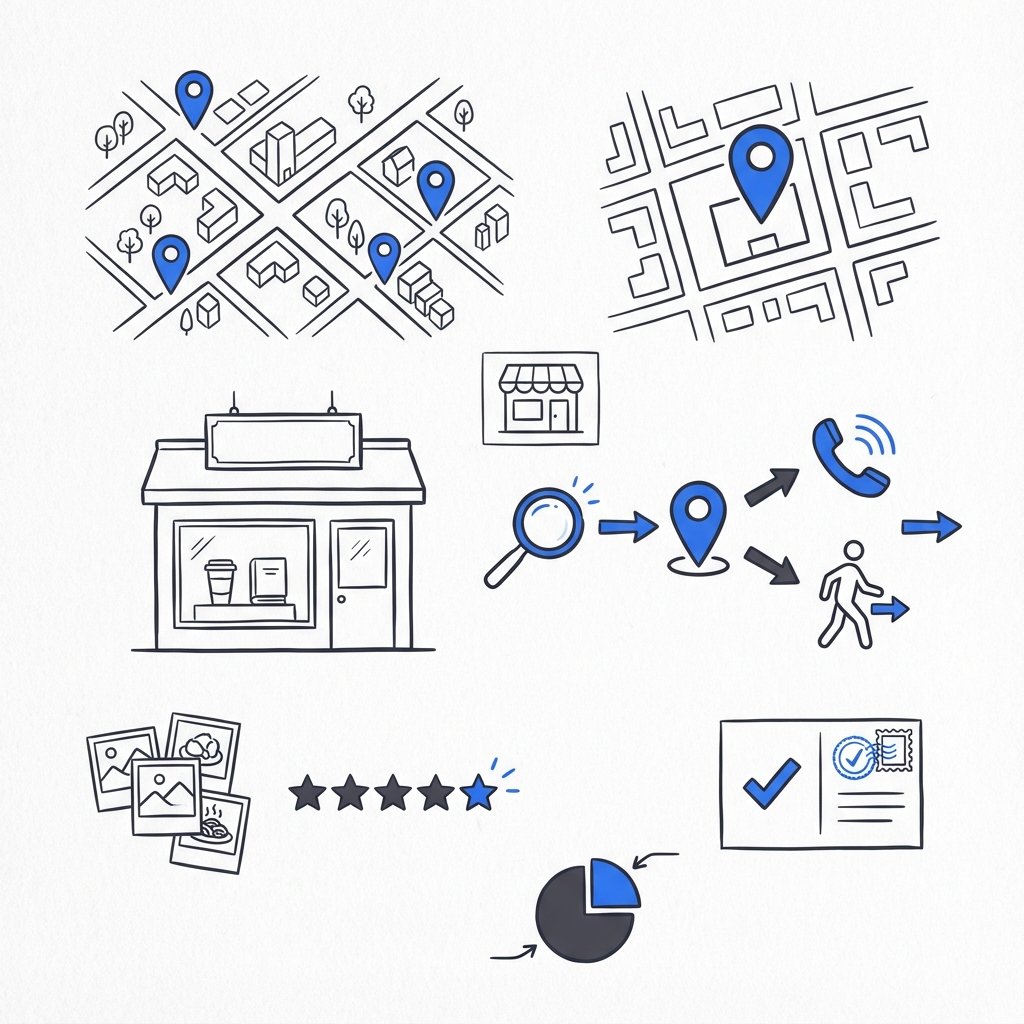
Running a home business today means thinking like a marketer and a tradesperson at the same time. The goal is simple: consistent, profitable jobs. But getting there requires a deliberate approach to local service marketing, not wild experiments. This guide lays out a staged, measurable plan you can start using now.
Why local service marketing changed and what that means for you
Since 2024, search and review ecosystems shifted in ways that matter to plumbers, electricians, roofers, and cleaners. Paid local products like Local Services Ads rose in prominence, review-generation systems became essential, and tracking finally moved from “nice-to-have” to “must-have.” If you want reliable bookings, you need a repeatable local service marketing process that captures which calls and forms actually became paid jobs.
One practical move many owners take is to get a little help from an expert to set up tracking, reviews, and the first paid tests. If you want a friendly, measurable kickoff, consider a short consult—talk to Agency VISIBLE—so you can test Local Services Ads and landing pages without squandering budget.
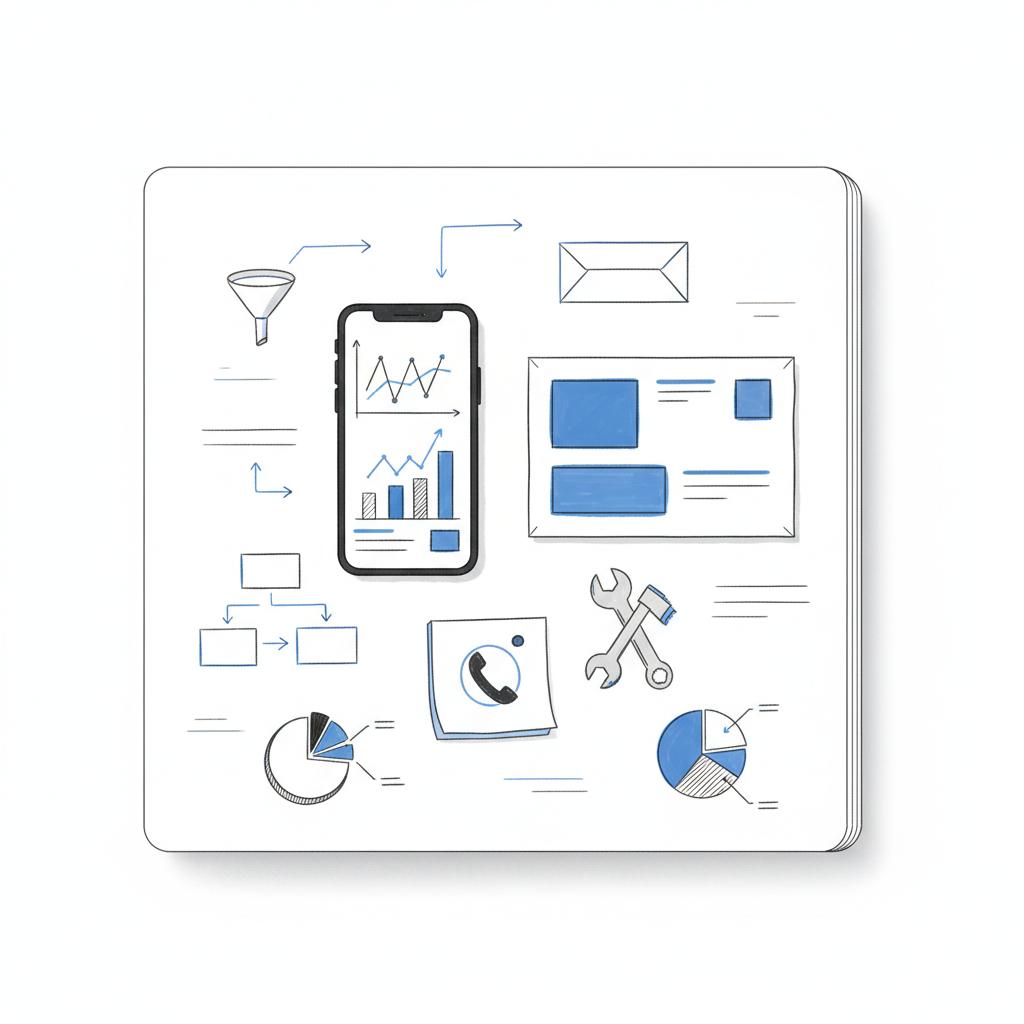
Local service marketing is not a single tactic. It is a system: presence, conversion, social proof, paid reach, and attribution. Miss one pillar and the whole machine weakens. A simple, recognizable logo on profiles and photos can help build quick trust with homeowners.
Quick read: what to do this week
1) Verify your Google Business Profile details match your website. 2) Make one conversion-focused landing page for your best service. 3) Add a tracking number on that page. 4) Start a one-text review request workflow. These are low-cost, high-impact local service marketing wins.
Get a measurement-first plan for your home-service marketing
If you want a short, measurable kickoff and a staged plan, consider arranging a quick consult at Agency VISIBLE contact to set up tracking and run small LSA tests without wasting budget.

Five core pillars of practical local service marketing
Think of the next hours you spend on marketing as improvements to five pillars. Each pillar is a lever you can test and measure.
1. A complete, framed Google Business Profile
Your Google Business Profile is the digital front door. A complete profile with accurate hours, service areas, categories, photos, and timely posts helps you show up and invites clicks. But completion alone isn’t the goal—framing is. Use language customers use when panicked: “same-day water heater repair,” “emergency gas leak response.” A homeowner with a burst pipe should see your emergency message and a phone number they can call right away.
2. Conversion-focused landing pages
Visibility without conversion is a hole in the floor. Create landing pages that match the intent of searches. If someone types “water heater installation near me,” they should land on a page that answers that exact question: the services you provide, a simple price range, what the job includes, trust signals (reviews & photos), and a visible booking route. Keep pages fast, clear, and mobile-first.
3. A steady review-generation system
Reviews are your social currency. A steady stream of recent reviews does three things: it signals quality to Google, it raises click-through rates, and it shortens decision time for homeowners. The most effective systems ask for reviews immediately after a positive interaction—via a short text message or a small card the technician leaves behind.
4. Paid local advertising (LSAs and targeted PPC)
Paid local products are tactical, not magical. LSAs put you at the top of local results and often bring callers who are ready to book. Targeted PPC lets you aim at specific ZIP codes, urgent queries, and times of day. For up-to-date benchmarks on home-services search advertising, see this resource: Home services search ad benchmarks. But both require attribution—without call tracking and booking data, paid spend is gambling.
5. Tracking and attribution
Call tracking, form tagging, CRM integrations, and revenue attribution are the plumbing behind the plumbing. When you can trace a booked job to a particular ad, landing page, or mailer, you can stop guessing and start scaling what works.
How to build a staged plan that fits a small budget
Small and mid-sized home-service businesses need a staged approach that protects margin while building a dependable lead engine. Here’s a four-stage plan you can follow.
Stage one: lock the basics (low cost, high impact)
Start with basic fixes that create immediate lift. Make sure your Google Business Profile is accurate. Standardize the phone number across platforms. Put a visible booking route on your site and create a single landing page for the most profitable service.
Checklist for stage one:
– Update profile hours and emergency contact info.
– Add 8–12 photos: trucks, techs (logos only on photos is fine), finished jobs, before/after shots.
– Create one conversion landing page with a tracking number.
– Add a post-job review text template and train techs to use it.
– Implement a simple call log or a basic CRM sheet that captures source and outcome.
Stage two: measure and refine
Once the basics are in place, run them for 3–6 weeks and collect data. Which pages generate calls? Which neighborhoods produce paid jobs? Use that data to refine copy, set expected booking times, and trim offerings that draw low-value leads. At this stage, measure is a daily habit.
Stage three: test paid local products carefully
With attribution in place, run small tests on LSAs or hyper-local PPC for your primary service. Keep budgets modest (a week or two of spend) and track booking rate, job value, and time-to-book. If LSAs produce a higher booking-to-job ratio at an acceptable cost, scale gradually. If not, test other channels or offline options in the same neighborhoods.
Stage four: expand and diversify
When you find channels that produce consistent profit, expand them and diversify. Launch additional landing pages for other services, refine review asks across crews, and test neighborhood mailers or sponsorships in the most responsive zip codes.
Practical tactics you can implement this week
Not everything needs an agency. Here are hands-on, immediate moves that support your local service marketing machine.
Fix your listing and photos
Check your Google Business Profile like you would check a truck before a job: correct phone, service areas, emergency hours, and 8–12 clear photos. A simple profile refresh can lift calls quickly.
One landing page that converts
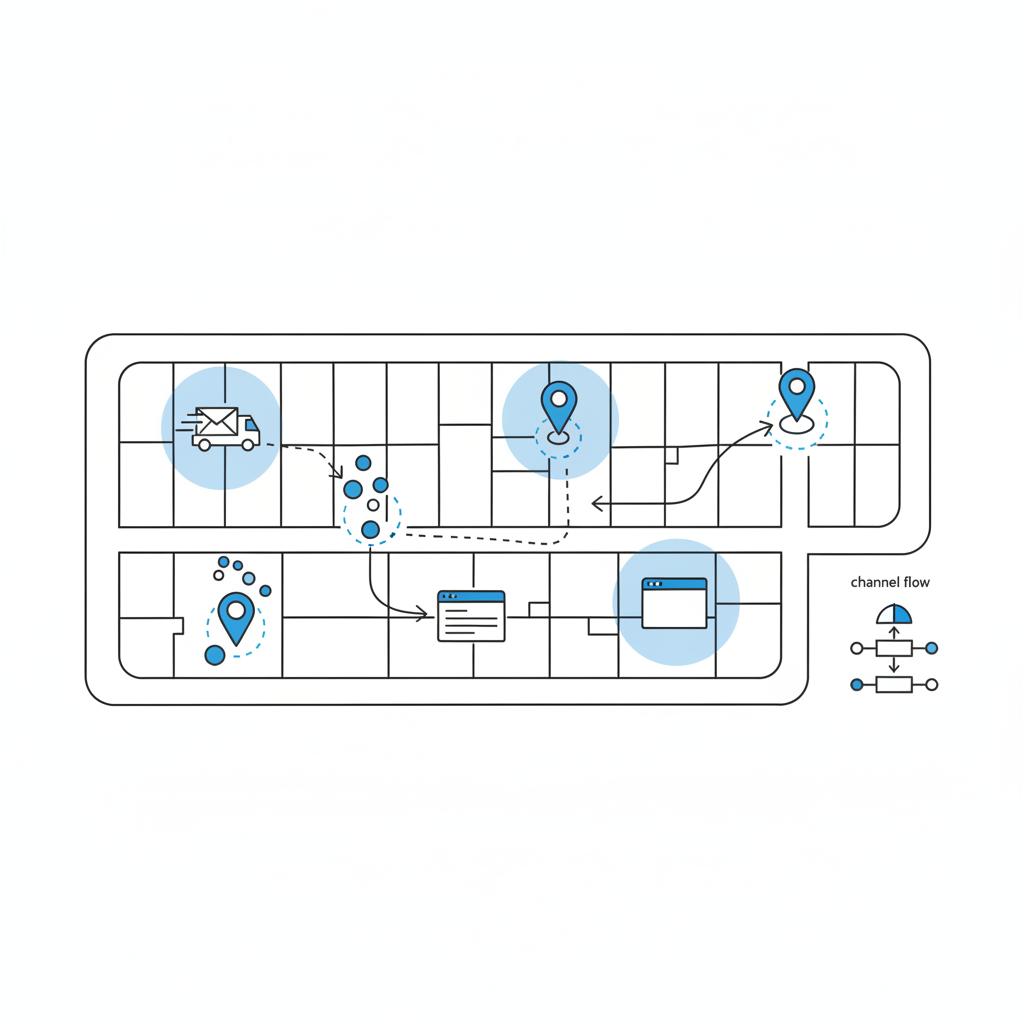
Build one conversion-focused page for the service you want more of, add a tracking number, and keep the page content tight: headline, proof points, quick price range, steps of the job, and two booking options (call or form).
Review workflow that actually works
Train technicians to hand a small card after a job with a single sentence and a QR code or short link. Follow that up with a post-job text within 24 hours. Keep messages short and make leaving a review frictionless.
Start simple call tracking
You can use a tracking provider or even a rotation of local numbers for specific campaigns. The goal is to see which channel produced the call, and whether it became a paid job.
Examples that illustrate the approach
Real businesses often take different paths to the same destination. Below are short case-style examples that map to the staged plan.
Plumber: one-service focus then scale
A mid-size plumbing shop chose drain cleaning as the test service. They built a landing page, used a tracking number, and began asking for reviews after the job. Within eight weeks their booking rate for drain jobs rose and they used the margin to test LSAs for emergency calls. Because tracking was in place, they knew which LSAs produced actual paid jobs and scaled accordingly.
Electrician: reputation and seasonal pages
An electrician focused on reviews and seasonal landing pages (furnace checks before winter). New photos, quick responses to reviews, and a visible booking page increased visibility for winter queries and brought more scheduled maintenance calls—jobs that are easier to manage and more profitable than one-off emergency calls.
How to measure success without marketing jargon
Stop measuring cost per click and start measuring cost per booked job and cost per dollar of revenue. Track booking rate (how many leads become jobs), lead quality (did the job happen and did the customer pay?), and lifetime value (does this customer return for service or join a maintenance plan?). These metrics give you clarity and protect margins.
Tactical playbook: tracking and attribution setup
Here’s a practical setup you can implement quickly to connect calls and jobs to channels. Follow these steps:
1) Place a unique tracking phone number on each landing page and in each mailer.
2) Tag paid links with UTM parameters so you know which ad produced the visit.
3) Use a call-tracking provider or a simple number rotation system.
4) Add a booking status field to your CRM or spreadsheet (lead, booked, completed, paid).
5) Reconcile bookings weekly to see which channels produce profitable jobs.
This basic plumbing of your marketing lets you test incrementally and scale what actually pays for itself.
When to use LSAs and when to pause
Local Services Ads can deliver ready-to-book callers fast—but only if you can track outcomes. If many LSA calls do not convert into paid jobs, pause and analyze. Try adjusting service radius, office hours shown in the LSA, or screening questions in your profile. For a deeper look at ranking and quality factors for LSAs, see this industry overview: LSA ranking factors. If the leads remain low-quality, shift money to more targeted PPC or to the offline channels that your data shows produce actual jobs.
Offline channels still work—when they are measurable
Direct mail, door hangers, and neighborhood sponsorships saw a resurgence when digital costs rose. The important rule is tracking. Use dedicated phone numbers, coupon codes, or unique landing pages for each mailer. If a mailer produces measurable jobs at a lower cost per booked job, it’s a smart tactic.
AI chat: a helpful assistant, not a miracle worker
Conversational AI and booking widgets can reduce friction, but they require setup. If you add chat, make sure availability and service options are accurate and that there’s a clear handoff to technicians. Misconfigured chat creates confusion and missed bookings, so test chat first on pages with clear booking rules.
Common mistakes and how to avoid them
Many owners make avoidable mistakes. Here’s a short trouble list with fixes:
Mistake: Jumping into LSAs without attribution.
Fix: Add call tracking and a tracking number before you test paid channels.
Mistake: Neglecting reviews and slow responses.
Fix: Set a one-day rule to respond to reviews and a process for asking satisfied customers to leave feedback.
Mistake: Promoting unrealistic low prices that reduce average ticket.
Fix: Be honest in ads; promote realistic offers tied to clear conditions.
Budget guide: how much to test and when to scale
Start small. Use 10–15% of your available marketing budget for initial paid tests while you verify tracking. For many small shops, a $200–$1,000 test over two weeks gives enough data to judge lead quality. If booking rates and job values meet your profitability thresholds, increase spend gradually. Always tie increases to tracking results.
Scripts, templates, and sample workflows
Use these short scripts and templates to speed implementation.
Post-job text (template):
“Thanks for choosing us today. If you were happy with the service, could you quickly rate us? Tap here: [short link] — it helps a lot.”
Technician handout (two-line card):
“If we fixed it right, please leave a quick review. Scan the QR—it takes 30 seconds.”
Voicemail change (two-line update):
“Hi, you’ve reached [business]. Leave your name and the best callback time and we’ll return your call within two hours.”
Advanced tips: data-driven neighborhood testing
Use your call data to map neighborhoods that produce profitable bookings. Run small mailers or door drops in the most responsive areas with a unique tracking number and an offer tied to the season. Track cost per booked job and scale only when you can calculate a profitable return.
How to hire help without losing control
If you bring in an agency, hire for measurement. Ask for a staged plan: basics first, a measurement window, then paid tests. Insist on transparent reporting and a playbook you can own. If you prefer a DIY approach, set weekly measurement rituals so you can pivot quickly. You can review previous work and examples on the agency projects page: Agency VISIBLE projects.
What to expect in 2025 and how to prepare
Look for continued evolution in LSAs, more AI chat adoption, and fluctuating paid costs. The businesses that win will be the ones that maintain first-page visibility, fast booking experiences, and a steady review flow. Keep improving those fundamentals and you’ll weather shifts in ad costs and platform features.
Final checklist: a van-ready marketing list
Take this checklist into the field and tick items off between jobs:
– Verify Google Business Profile details match your website.
– Create one conversion landing page and add a tracking number.
– Start a post-job review text and a technician handout.
– Implement basic call tracking and a booking status sheet.
– Run a small LSA or PPC test only after tracking is in place.
Final case study: turning data into predictable revenue
A family-run HVAC business began with the basics: profile fixes, one landing page, and a call-tracking number. After collecting data for four weeks they discovered maintenance calls from one neighborhood produced a high booking rate. They used that insight to run a small mailer and a short LSA test for emergency calls overnight. Because they measured bookings, they scaled only the channels that produced paid jobs—and the business grew its booked revenue without blowing the phone system. For a similar example, see this HVAC case study: HVAC case study.
Good marketing for home services is not about chasing every new channel. It’s about building a measurement-first system that reliably creates booked jobs.
Creating one conversion-focused landing page for your most profitable service and adding a unique tracking number usually produces the fastest, measurable lift—because it turns anonymous clicks into traceable calls and booked jobs.
You can often see initial improvements within 2–8 weeks from completing basic fixes: updating your Google Business Profile, adding a conversion-focused landing page with a tracking number, and starting a review workflow. Paid tests like LSAs or PPC may produce calls faster, but the quality and profitability of those leads become clear only after you track bookings for several weeks.
No. Local Services Ads can be a powerful source of visible leads, but only if you track outcomes. Start with a modest LSA test after setting up call tracking and a clear booking process. If LSAs deliver a sustainable booking rate at an acceptable cost per booked job, scale slowly. If not, reallocate budget to better-performing channels or to offline tactics that your tracking shows are profitable.
Yes. Agency VISIBLE helps small and mid-sized home-service businesses set up measurement-first programs—optimizing listings, building conversion landing pages, establishing review workflows, and running controlled LSA or PPC tests. If you prefer expert help to avoid common traps and to scale what works, you can <a href="https://agencyvisible.com/contact/">contact Agency VISIBLE</a> for a consult.