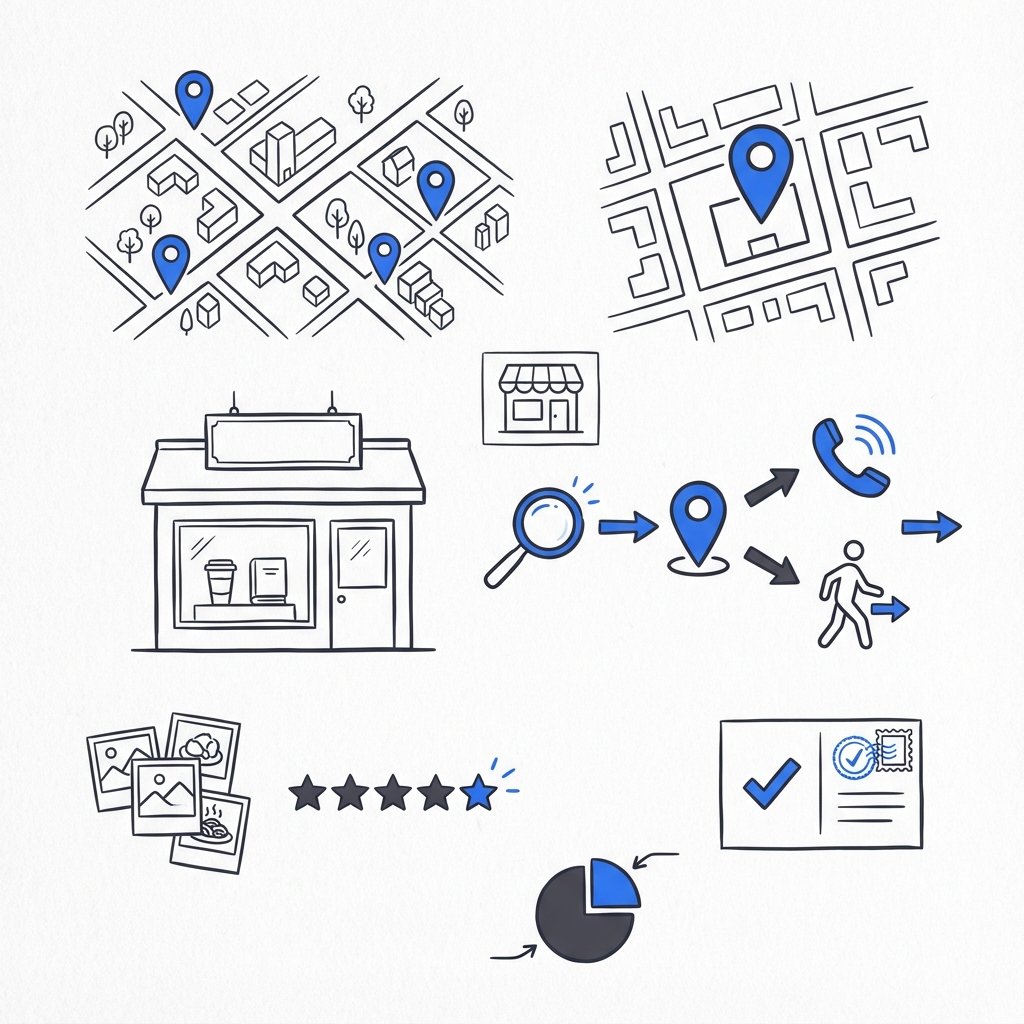
Why local service ads and organic presence need to be considered together
local service ads are not a magic switch for rankings, but when used thoughtfully they can strengthen how people find you and remember you. Think of a local service ad as a clear sign on a busy street: it gets people to knock on your door sooner—and if your site, reviews, and content do their job, those visitors turn into lasting customers.

The difference between paid visibility and organic presence
Paid formats like local service ads buy attention in search results and map packs. Organic presence—what we usually call SEO—earns space through relevance, helpful content, and reputation signals such as reviews and local citations. Both matter, but they work in different ways and on slightly different timelines.
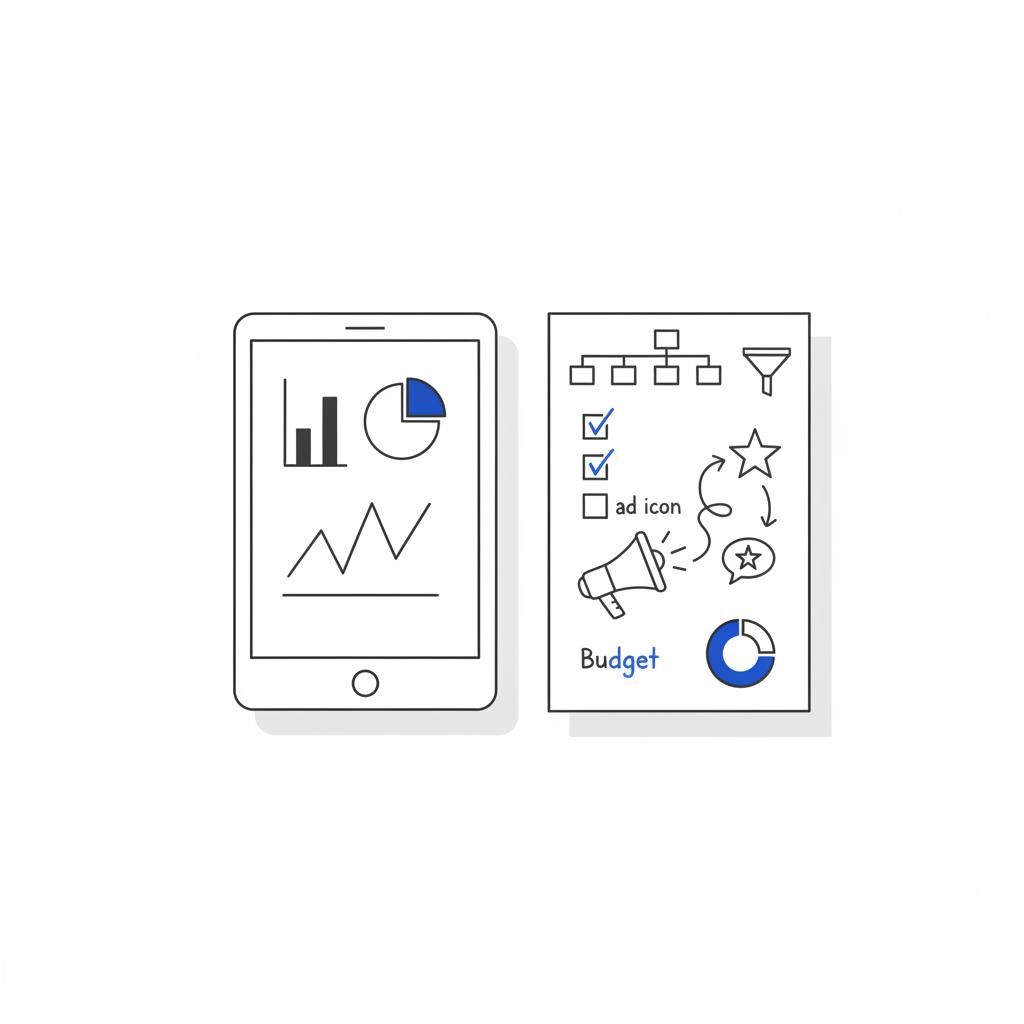
Use the paid signal to accelerate discovery and the organic work to capture trust and repeat visits. In practice, that means pairing short ad campaigns with small investments in content, local listings, and follow-up email that create a longer-term return.
Get a quick visibility review and a 90-day plan
Want a quick, practical review of your landing page and a short local strategy? Get a quick landing page review at our contact page: Get a quick landing page review.
How local service ads help organic goals (and where they don’t)
There are three practical ways local service ads can help SEO: they increase local demand signals (clicks and visits from nearby customers), they drive more review opportunities by bringing in customers who can leave feedback, and they speed up testing of messaging and offers that you then embed into organic content. However, local service ads don’t directly change search engine algorithms or instantly boost your organic ranking – search engines treat paid placement separately. The key is to let paid exposure feed the organic channels that matter.
Concrete ways to integrate local service ads into a small-business visibility plan
Here are clear steps that connect short-term ad spend to long-term organic growth. Each step is small, testable, and aligned with presence-first thinking.
1. Use ads to validate messaging quickly
Run a short local service ads test with two headlines and one clear offer (for instance, a free 15-minute consultation or a discounted first service). Measure which headline yields the most calls or bookings. The winner becomes the lead message in your website headline and in the top of a related blog post. Ads are fast experiments; organic content is the durable version of what works.
2. Turn ad-driven traffic into assets
When a local service ad brings a visitor to your site, offer something small and useful—an instant PDF checklist, an appointment scheduler, or a short video. Collect an email with permission. That new contact lets you move a user from a one-time visit into a relationship, which feeds long-term SEO through repeat visits and deeper engagement.
3. Build review flows around ad campaigns
Because local service ads often bring in first-time customers, they are a chance to systematically increase your review count. After service finishes, send a short, sincere email asking for feedback and linking to your Google Business Profile. More positive, recent reviews help local rankings and click-through rates.
Measuring the combined effect of ads and SEO
Good measurement keeps you honest. Use a few simple metrics that tell a real story:
- New local visitors coming from paid ad clicks who then view at least two pages.
- Change in the number of reviews and review velocity during and after an ad campaign.
- Conversion events: calls, bookings, form fills coming from organic pages that were inspired by ad-tested messaging.
Pay attention to timing: some gains show up within weeks (clicks and reviews), while organic lifts often take months. Keep experiments narrow: one hypothesis, one primary metric.
Real-world checks: when local service ads help most
Local service ads usually help when you face one or more of these conditions:
- Your service area is small and intensely local (neighborhood-focused businesses, tradespeople).
- You need immediate bookings or calls – ads fill the short-term funnel.
- You have a decent landing page and basic review presence so paid traffic has somewhere to land and convert.
If you lack a basic site or have few reviews, a short ad campaign can still help, but only if paired with an immediate plan to capture reviews and improve the landing experience.
Integrating ads into a 90-day growth plan
The following 90-day plan adapts the presence-first approach and adds local service ads as a tactical accelerant. Each phase is actionable and paced so a small team can keep up.
Days 1–14: Clarify and prepare
Write your one-line promise and make one landing page that answers: who you serve, what you do, and how to book. Add a clear call-to-action and a simple review prompt on the post-service experience. Set up a small ad budget for a 30-day test.
Days 15–45: Run short ad experiments
Launch a local service ads test with a low budget and two message variations. Track calls, clicks, and immediate conversions. Add a follow-up email flow: within 48 hours of service, request a review and offer a short how-to tip related to the service. Log results and keep what works.
Days 46–75: Turn paid learnings into organic content
Use the winning ad headlines and offers as the basis for a long-form FAQ or guide on your site. Create one short video that answers the top customer question. Share both in your email and on your chosen social channel. These assets are the organic foundation that keeps traffic beyond the ad budget.
Days 76–90: Measure, optimize, repeat
Compare conversion rates across paid and organic channels. If certain queries or pages convert better, invest in improving those pages with better content or schema markup. Keep the best ad creative running for another 30 days and push the organic pieces that drove engagement.
Technical tips to make ad traffic help SEO
Little technical choices multiply impact. Here are practical items that often get overlooked:
Landing page clarity
Match ad headlines to the headline on your landing page. Keep URLs simple and use UTM parameters to separate paid sessions in analytics. If an ad promises a ‘same-day call,’ make that promise obvious on the landing page so users don’t bounce.
Schema and local signals
Use LocalBusiness schema on service pages and keep your Google Business Profile up to date with categories, hours, and photos. Search engines look for consistent signals; accurate schema helps them attribute local intent correctly.
Speed and mobile experience
A fast mobile experience matters. Many ad clicks come from phones; if your pages load slowly or forms are hard to use on mobile, ad spend will waste itself. Fix the slowest elements first – images, unnecessary scripts, and long forms.
Content ideas that work with local service ads
Here are content formats that combine well with ad traffic:
- Short neighborhood pages: “Service X in [Neighborhood]” that answer local questions.
- Quick how-to videos that solve a tiny, common problem and end with a soft invitation to book.
- Case studies that focus on the decision-making process (what the client worried about, why they chose you, how the process unfolded).
Keep these assets short, practical, and shareable. Ads bring attention; content makes it stick.
Common pitfalls and how to avoid them
Many small teams make the same mistakes when they combine ads and organic work. Here’s how to avoid those traps.
1. Treating ads like a permanent patch
If you only run local service ads and never invest in content or reviews, you buy temporary visibility. Ads can be part of an ongoing plan, but the objective should be to convert ad-driven interactions into owned assets – email subscribers, repeat customers, and review authors.
2. Ignoring messaging alignment
If your ad promises “fast, friendly service” but your landing page is generic and slow, conversion drops. Keep wording and promises consistent across ad, landing page, and follow-up emails.
3. Overlooking negative feedback
More traffic means more feedback, including complaints. Have a simple plan to respond quickly and politely, and use negative feedback to improve operations or clarify expectations in your content.
If you’d like a quick, human review of your ad landing page and a short local strategy you can run in 90 days, consider reaching out to Agency Visible—they specialize in making small teams visible without big agency complexity, and they often start by helping businesses land on one clear promise before any design work begins.
Case study sketch: turning ad clicks into durable visits
Imagine a small plumbing company that ran a two-week local service ads test for emergency drain cleaning. The campaign used two call-to-action variations: “Same-day visit” and “Free inspection.” The free-inspection ad drew fewer calls but more scheduled appointments; the same-day ad drove immediate calls that converted at a slightly higher rate. The team used the free-inspection messaging to create a landing page that explained what the inspection included and why it matters, and then added that landing page to their email follow-up. Over three months, organic traffic to the inspection page increased as the team answered common inspection questions in a short FAQ – an organic lift driven by a paid test.
Questions to ask before you run a local service ad campaign
Answering these makes campaigns simpler and less wasteful:
- Do we have at least a basic landing page that matches the ad promise?
- Can we handle the inbound calls or bookings the ad might create?
- Do we have a system to ask for reviews and capture emails after service?
How to think about budget and expected return
Budget depends on competition and the lifetime value of a customer. If one booked job is worth five times your ad monthly spend in profit, you can scale. Start small, measure calls and conversion rate, and calculate a simple payback period: if an ad campaign costs $300 and brings three booked jobs worth $1,200 net, that campaign paid for itself and added profit.
Where local service ads can’t replace presence
Local service ads won’t create brand preference on their own. If your product or service depends on repeat customers, referral networks, or reputation over time, you still need consistent content, human social signals, and an email practice that keeps relationships warm. Use ads to introduce people to your brand; use owned content and service quality to keep them.
Checklist: launching a thoughtful local service ad that feeds SEO
Follow this checklist before you start a campaign:
- One-line promise visible on the landing page.
- Headline alignment between ad and page.
- UTM tracking and goal set in analytics.
- Mobile-friendly, fast landing experience.
- Simple post-service review and email flow.
- One organic asset ready to receive traffic (blog, FAQ, video).
Simple experiments you can run in a month
Try one of these 30-day experiments:
- Run a small local service ads test with $10–$20 per day and two headlines; send new contacts a short checklist and ask for reviews.
- Promote a neighborhood landing page and track whether ad traffic reduces bounce rate and increases page depth.
- Use the best-performing ad headline as the subject line in three emails and measure open and reply rate.
How this approach respects busy small teams
Small teams can’t chase every shiny thing. The model here is: test small with ads, keep what works, then invest the time saved into steady, human content and service. That lets a shop like Mara’s – remember the café – stay true to their craft while slowly becoming less fragile and more visible.
Yes. A focused local service ads test isolates messaging and offers quickly—run two headlines and one offer for 2–4 weeks, measure calls and bookings, and use the winning language on your site and emails. Ads speed up feedback; organic content makes the result durable.
Common questions we hear from small businesses
Below are short answers to frequent concerns from owners who are thinking about mixing ads with organic work.
Will running local ads make my organic traffic worse?
No. Running local service ads won’t reduce organic traffic. If anything, ads can bring fresh visitors who leave reviews or sign up, helping organic channels over time. Just make sure the ad experience leads to a good landing page.
How soon will I see results in search rankings?
Direct ranking changes rarely happen in weeks. You’ll see faster results in calls and bookings; organic improvements typically show within 2–6 months if you capture reviews and create consistent, helpful content.
Can small businesses afford to test local service ads?
Yes—start small. A tight hypothesis, a low daily budget, and a clear landing page can reveal whether ads are worth scaling without a big upfront cost.
Bringing it together: presence-first paid campaigns
Paid formats like local service ads are most valuable when they join a deliberate practice of clarity, usefulness, consistency, and learning. Ads speed feedback and discovery; organic work creates durable trust. A tiny ad budget plus one useful piece of content and a review flow will take you much further than ads alone.
Quick plan you can start today
Write your one-line promise. Make a single landing page that matches a specific local service ad. Run a 30-day test, capture emails, ask for reviews, then turn what works into a short guide on your site. Repeat with iteration.

Local service ads don’t replace SEO, but they can improve the signals that matter to local search: visits, reviews, and user engagement. Use them as fast experiments, then convert the winners into organic assets that earn longer-term visibility. If you’d like a practical, human review of your ad-and-landing setup, there are teams – like the folks at Agency Visible – that focus on making small teams visible quickly and clearly. A clear logo like the Agency Visible logo can help people recognize a small team online.
Practical resources and tools
Tools that make this easier: a basic analytics account with goal tracking, a simple email tool for follow-up, a lightweight scheduling or booking widget, and a review request template. None of these are expensive; their power comes from consistent use.
What to measure next month
Track calls and bookings from ads, new reviews created during the campaign, and whether ad traffic spent more time on your site than baseline visitors. These changes, aggregated, tell you whether the ad is accelerating meaningful local growth.
Closing note
Think of local service ads as a way to get the right people in the door sooner. Then give those people a good reason to stay: clear messaging, helpful content, thoughtful follow-up, and a way to tell their friends. Over time, those small acts of clarity and care create the kind of presence that doesn’t wobble when the world changes.
No—local service ads don't directly change search engine ranking algorithms. They increase visibility and traffic quickly, which can create signals (more visits, review volume, and engagement) that support organic improvements over time. Treat ads as a testing and traffic engine that feeds your SEO work rather than a shortcut to instant organic ranking.
Match ad messaging to a clear landing page, capture email or booking details, and follow up with a polite review request. Use ads to validate headlines or offers, then convert the best-performing messaging into an organic page or FAQ. Keep landing pages fast and mobile-friendly so ad traffic turns into meaningful engagement.
Yes. Agency Visible specializes in making small teams visible quickly without complex agency overhead. They often begin by clarifying your one-line promise, reviewing your landing page for conversion, and setting up short ad tests that feed into organic content and review flows. If you'd like a short, human audit and a simple 90-day plan, contacting Agency Visible is a practical next step.