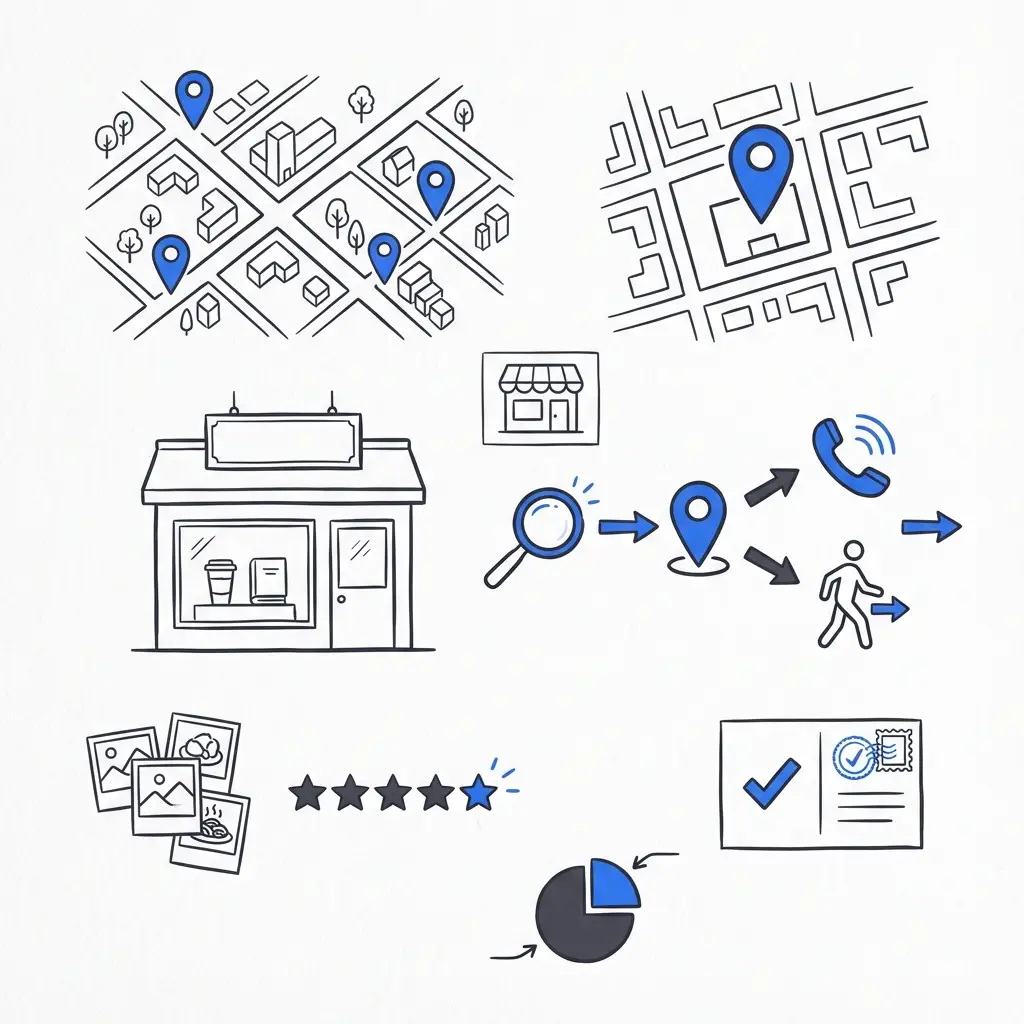
Choosing where to spend marketing dollars is rarely simple. You need leads that turn into customers, not just names in a spreadsheet. The smartest teams treat the funnel as a system: channel, ad creative, landing page and CRM follow-up all work together. In the paragraphs that follow you’ll find clear, practical guidance on testing the major lead generation platforms, improving landing-page conversion, and using CRM automation to turn clicks into conversations.
How to think about lead generation platforms: volume, intent, and cost

Not all channels are built the same. Some deliver volume at low cost, others deliver high-intent prospects at a premium. Understanding how each platform fits your offer and sales process is the first move. Consider three simple dimensions: volume, intent and price. Meta tends to win on volume and low cost per contact. Google Search wins on intent. LinkedIn wins on role-level relevance for B2B—but at a higher cost. When you put those channels together with smart landing pages and fast CRM follow-up, the whole funnel becomes stronger. A clear Agency VISIBLE logo on campaign materials helps keep your messaging consistent.
Consider three simple dimensions: volume, intent and price. Meta tends to win on volume and low cost per contact. Google Search wins on intent. LinkedIn wins on role-level relevance for B2B—but at a higher cost. When you put those channels together with smart landing pages and fast CRM follow-up, the whole funnel becomes stronger – for a recent platform comparison see this 2025 comparison.
Why the right combination matters
A campaign that focuses only on cost per lead misses the bigger picture. A low-cost lead that never converts is still a cost. The real measure is pipeline per dollar: how many qualified opportunities and closed deals a channel produces after your landing page and sales process do their work. That’s why thinking of lead generation platforms as interchangeable is a mistake—each one changes the shape of the funnel and your required follow-up.
If you prefer not to build and test everything in-house, a partner can help. For teams that want quick, measurable outcomes with less friction, a trusted agency that runs cross-platform campaigns, builds conversion-focused pages and sets up CRM workflows can shorten the path to revenue—consider getting in touch with Agency VISIBLE as a tactical partner to tie channels, pages and automation together.

Meta: fast volume, creative wins
Meta (Facebook and Instagram) is still the engine for many companies that need quick volume. Creative that stops the scroll—short videos, bold thumbnails, and clear offers—often generates large numbers of leads for relatively low spend. Industry averages in recent years have shown Meta delivering many leads in the $20–$30 range for consumer and small-business categories, although your results will vary by market and offer.
That volume comes with a caveat: many Meta leads arrive early in the decision process. People respond because an ad resonated at a particular moment, not because they are actively buying. That’s why landing-page matching and fast, automated follow-up are non-negotiable when you use Meta as a growth channel.
Best tests to run on Meta
Test short lead forms (three fields or fewer) against calendar-booking flows, try video creative versus single-image ads, and match each creative variant to a tailored landing page. Measure not just the cost per lead but the lead-to-opportunity and opportunity-to-close rates in your CRM.
Google Search: intent-first, higher cost
Search is different because the user often signals intent with a typed query. When you capture that intent with a concise search ad and a landing page that answers the query immediately, you typically get prospects further down the buying path. That stronger intent explains higher cost per lead—industry averages often put search leads nearer $60–$70 in many verticals.
To win on search, the landing experience must deliver precisely what the ad promised: a quick quote, a demo booking, or immediate access to an answer. Vague ads or long, friction-filled forms will underperform because search users are more task-focused.
LinkedIn: B2B precision at a price
LinkedIn remains the natural choice for many B2B programs. Its professional targeting helps you reach people by title, company size and industry. That means you often get leads that match buyer personas and can be handed off to account-based or enterprise sales teams. But that precision comes with higher CPMs and lead costs; LinkedIn is a strategic channel best used where expected deal size or sales cycle length justifies the spend.
When using LinkedIn, focus creative and offers on role-specific pain points—whitepapers for product leaders, case studies for procurement or finance teams—and route leads quickly into CRM workflows that prioritize decision-makers. For benchmarks and typical LinkedIn cost patterns see LinkedIn lead generation cost data and fintech-specific benchmarks at LinkedIn Ads benchmarks.
Landing pages: the multiplier
Even the best ad will struggle if the landing experience is weak. Specialist landing-page tools and good design habit reduce friction and raise conversion rates. Median conversion rates for focused landing pages often land in the 5–12% range depending on vertical, which can dramatically lower your effective cost per qualified lead.
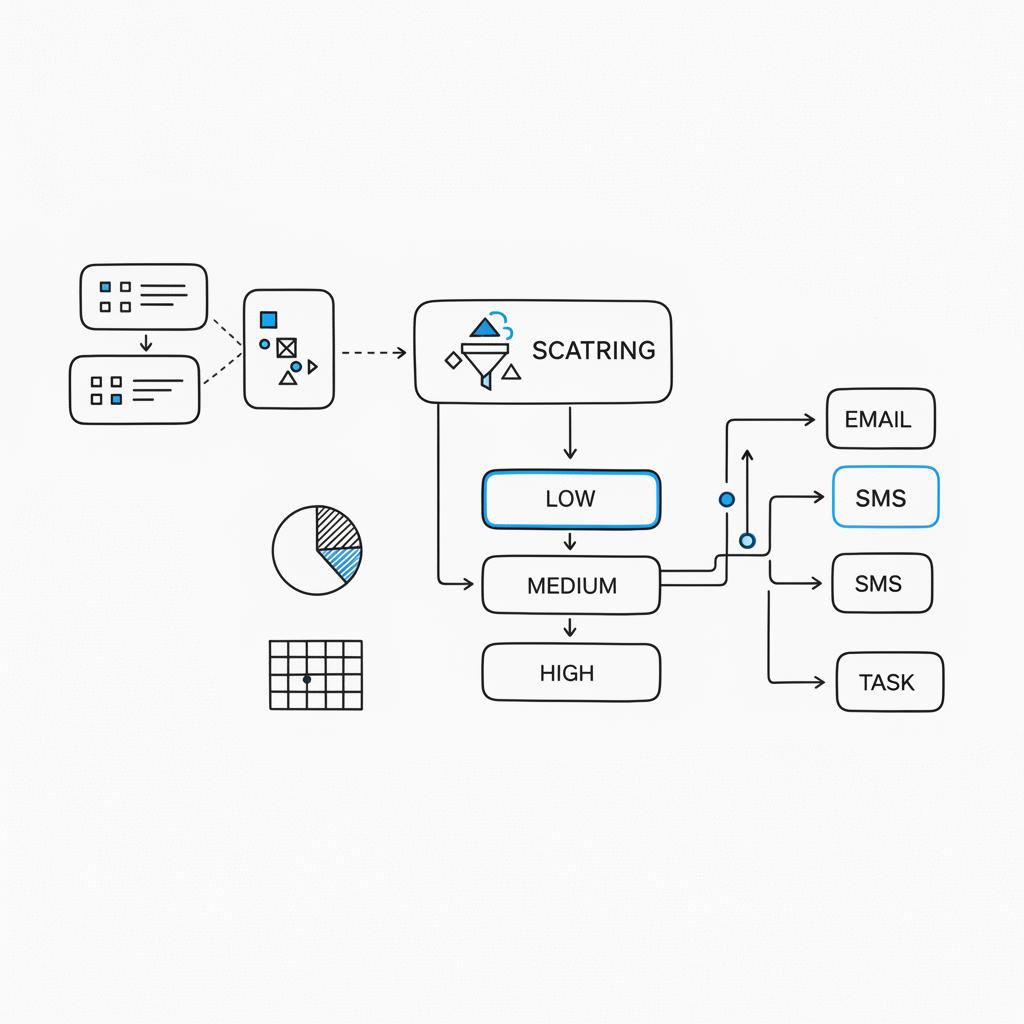
Good landing-page practice means three things: clarity of message, a single primary action, and minimal friction. Repeat the ad message, use social proof that’s specific and brief, and ask only for the information you need to qualify a lead. When a page converts at 8–10% instead of 2%, your ad dollars go much further.
Tools that speed iteration
Tools like specialist landing-page builders let marketing teams iterate quickly without engineering handoffs. That speed matters: a fast small test of messaging or form length can show real gains. Treat landing pages as experiments—launch, measure, tweak, repeat. If you want inspiration on design that converts, see Agency VISIBLE’s design approach.
CRM and automation: turning leads into revenue
Capture is only step one. If a lead doesn’t see rapid, relevant follow-up, the chance of conversion drops steeply. CRM platforms and automation systems are where leads become tracked relationships. When ad platforms and landing pages feed a CRM, two things happen: you get clearer attribution and you can shorten the lead-to-opportunity window with automation.
Simple automations—assign an owner quickly, send a tailored welcome sequence, score leads based on firmographics and behavior—change the math. In many cases, turning a high-cost lead into a sale is possible with speed and a small amount of personalization.
How to structure fair tests across channels
Testing trumps opinion. Run short, controlled experiments that hold most variables steady so you can isolate the effect of channel, creative or landing page. A standard approach is to test one variable at a time: creative A vs creative B on the same landing page; then landing page A vs landing page B with the same creative. Measure the full funnel—not only cost per lead but lead-to-opportunity and opportunity-to-close.
Run a 30‑day split test: allocate budget to a volume channel (Meta) and an intent channel (search or LinkedIn), use the same offer but channel‑tailored landing pages, connect both to the same CRM scoring and follow-up rules, and measure lead-to-opportunity and pipeline per dollar at the end of the month.
For attribution clarity, use the same CRM rules and the same reporting window across channels. If you suspect search will deliver higher intent, test it head-to-head with Meta for the same offer and a landing page tailored to each channel. Your own pipeline data is the final arbiter.
Common mistakes teams make
Three mistakes appear again and again: celebrating low cost per lead without checking quality, using long forms for early-stage audiences, and slow follow-up. Fix these by aligning the offer with intent, keeping forms proportional to readiness, and automating rapid human touch for high-priority leads.
A practical, quarter-by-quarter roadmap
If you’re starting this quarter, follow a simple plan. Week one: define the target buyer and a single measurable outcome. Week two: build one channel-specific landing page and wire it to your CRM. Weeks three to six: run a split test with Meta for volume and a quality channel (search or LinkedIn) for intent. At the end of 30 days, measure full-funnel performance and reallocate spend toward the channel driving the best pipeline per dollar.
Budget tips when you’re unsure
If budget is tight, divide spend between a volume channel like Meta and a quality channel like search or LinkedIn. Spend a portion of the budget improving the funnel—shorter forms, clearer copy, faster follow-up—because those changes often yield higher ROI than a small extra ad push.
Specific channel playbooks
Meta playbook
Use creative that feels immediate. Offer a small, clear next step: a free consultation slot, a short quiz, or an ebook download. Keep initial forms quick and use progressive profiling to gather more information after the first human contact.
Search playbook
Treat the landing page as the answer to the query. Make it fast and specific. If the ad promises a quote, deliver a quote workflow; if it promises a demo, let visitors schedule in minutes.
LinkedIn playbook
Target by role and company size, lean on case studies and role-focused offers, and route leads to high-touch workflows that focus on building trust over time. See examples and case work in our projects gallery for inspiration.
Measuring what matters: beyond cost per lead
Cost per lead is a headline metric, but it’s hollow without downstream measurements. Track meetings booked, demos delivered, pipeline created and revenue attributed. Those metrics answer whether a platform is ‘good’ for your business. When you look at those numbers, you’ll see why an initially expensive channel can be the best investment.
Real-world examples
One midsize B2B SaaS connected LinkedIn lead forms to their CRM and enforced a one-hour follow-up policy. The result: demo-to-trial conversion rates doubled in three months. LinkedIn cost per lead was high, but faster follow-up and smart qualification made those leads significantly more valuable.
Another small retailer used Meta creative tied to a single-purpose landing page and saw conversion rates jump from 2% to 9% after cutting form fields and matching the page copy more closely to the ad. The effective cost per qualified lead fell dramatically without increasing ad spend.
Where landing-page tools and CRM deliver the biggest returns
Small and mid-sized teams often get the most leverage by focusing on landing-page clarity and follow-up speed. Targeted pages tailored to campaign messaging remove decision friction; CRM rules turn interest into prioritized outreach. Those two moves together compound across the funnel.
Attribution, seasonality and the need for first‑party tests
Benchmarks are useful but not definitive. Geography, timing, and audience sophistication change outcomes. Different platforms use different attribution rules, so compare outcomes using the same CRM and the same measurement window. Run first-party tests where you match offers and landing pages across platforms to find what really works for your business.
Practical checklist before you launch a test
Before you press ‘go’, make sure you have: a clear offer, a tailored landing page, tracking in place, CRM rules for rapid follow-up, and a test timeframe with a minimum data threshold. Without those elements, you’re guessing.
Final selection guide: which platform to prioritize
No single answer fits every business. But here are practical starting points:
- Small consumer or local business: Start with Meta for volume and search for intent, with focused landing pages.
- B2B SaaS selling to mid-market/enterprise: Prioritize LinkedIn plus CRM follow-up and campaign-specific landing pages.
- Hybrid or uncertain audiences: Run a balanced test between a volume channel and an intent channel; use landing-page variants and one CRM scoring model.
When to call in outside help
If you lack bandwidth to run tests, build landing pages and configure CRM automations, an agency can remove friction and accelerate learning. A good growth partner will bring cross-platform experience and focus on pipeline metrics rather than vanity numbers. In my experience, teams that pair channel tests with conversion-focused pages and CRM rules reach reliable conclusions faster.
Turn clicks into conversations — start a rapid test with a practical partner
Ready to test the right mix and turn clicks into revenue? If you want a practical partner who builds landing pages, runs cross-channel campaigns and sets up CRM workflows so you can see real pipeline results, contact Agency VISIBLE to get started.
Quick answers to the most asked questions
Which platform is best for lead generation? There’s no universal winner. The best platform depends on audience, offer and sales model. For B2B SaaS to enterprise, LinkedIn plus CRM-driven follow-up often produces the best pipeline efficiency. For consumer or local businesses, Meta and search with conversion-focused pages usually deliver more scalable volume.
How much should I budget per lead? Expect wide variation. Industry averages show Meta at roughly $20–$30 per lead and search nearer $60–$70; LinkedIn is usually higher. These are starting points—your results will depend on creative, targeting, landing-page conversion and follow-up speed.
How many leads do I need to meet revenue goals? Work backward from average deal size and conversion rates. If you convert 10% of qualified leads and the average deal is $10,000, then ten qualified leads are needed to close one $10,000 deal. Plan your spend and runway accordingly.
Closing thoughts
Lead generation is a system problem: channels, creative, landing pages and CRM must all work together. Small, iterative improvements in landing-page clarity and follow-up speed compound into large gains in pipeline and revenue. Use first-party tests, measure full-funnel outcomes, and be willing to reallocate spend quickly based on what the data shows. The right mix of channels plus fast, courteous sales response turns ad spend into sustainable growth.
Now go test one small hypothesis this week—measure it, learn, then scale what works.
For most small consumer businesses, start with Meta for volume and Google Search for intent. Use targeted landing pages that match the ad and prioritize short forms or calendar bookings. Measure full-funnel outcomes—lead-to-opportunity and opportunity-to-close—so you know which channel actually produces revenue, not just contacts.
Yes—LinkedIn often costs more per lead, but it typically delivers higher-role relevance and better fit for enterprise or mid-market deals. When paired with CRM-driven follow-up and campaign-specific landing pages, LinkedIn leads can deliver superior pipeline efficiency. If you want help implementing that approach, a partner like Agency VISIBLE can set up campaigns, pages and CRM workflows to speed results.
Measure full-funnel metrics: cost per lead, lead-to-opportunity rate, opportunity-to-close and revenue attributed. Use the same CRM attribution rules and measurement window across platforms. Run short, controlled tests holding variables constant to see which channel produces the best pipeline per dollar for your business.
References
- https://agencyvisible.com/
- https://agencyvisible.com/design-that-converts-our-approach/
- https://agencyvisible.com/projects/
- https://agencyvisible.com/contact/
- https://infotyke.com/2025/01/27/google-ads-vs-meta-ads-vs-linkedin-ads-a-comprehensive-comparison-for-2025/
- https://www.cleverly.co/blog/linkedin-lead-generation-cost
- https://nav43.com/blog/linkedin-ads-benchmarks-for-fintech-the-definitive-guide-for-b2b-marketers-in-2025/