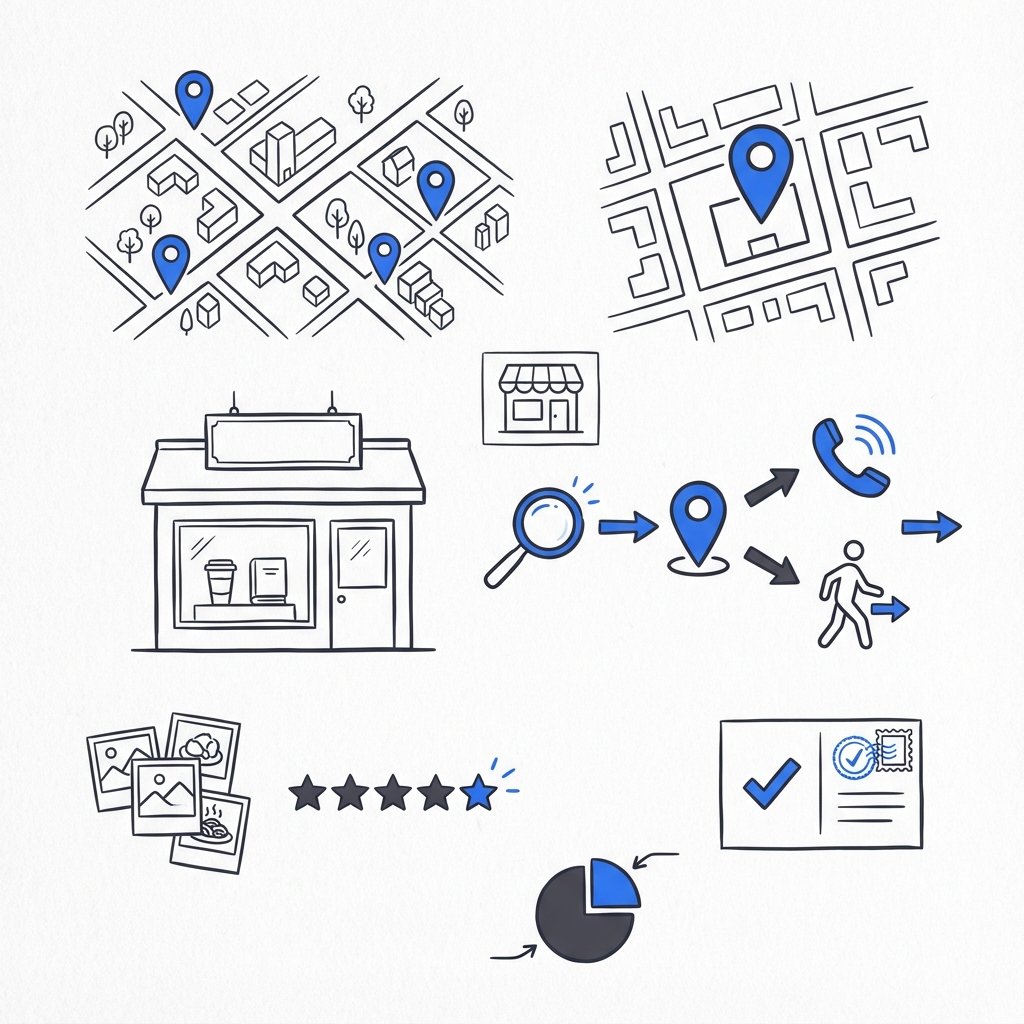
What is lead generation for dental clinics?
Lead generation for dental clinics means the simple, useful work of getting people who need dental care to find your clinic, say yes to an appointment, and actually show up. In a busy local market that chain of small choices – from a Google map result to a friendly phone answer – decides whether a practice grows or stalls. This article lays out practical, human-centered strategies for lead generation for dental clinics in 2024–2025, with clear steps you can use this month.

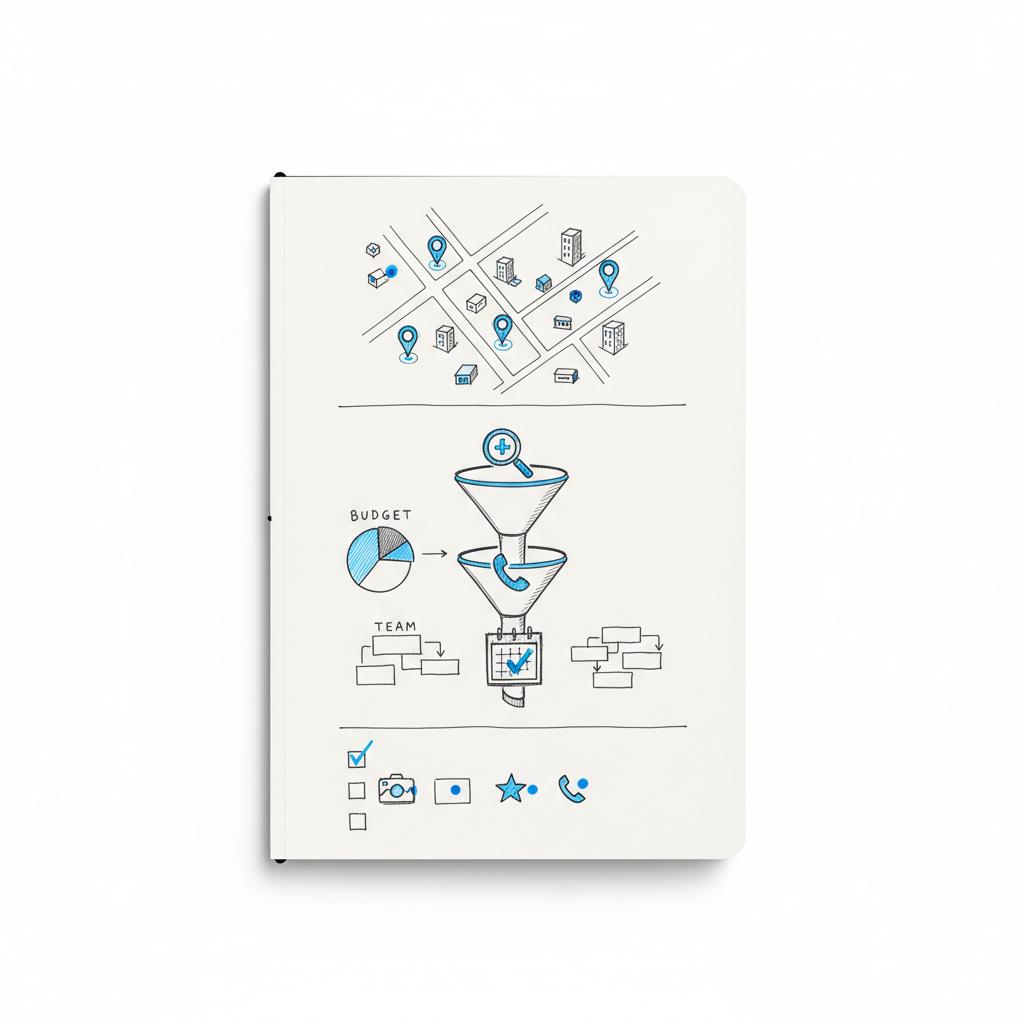
If you asked ten people where they’d search for a dentist, most would say Google – and for good reason. Local search dominates discovery. That makes local visibility the single most important organic investment a clinic can make for lead generation for dental clinics. The tool that acts like your storefront online is Google Business Profile (GBP). A small, consistent logo can help patients recognize your listings.
GBP shows address, hours, phone, reviews and a mini-website when someone searches “dentist near me” or “teeth cleaning [city].” A complete profile increases the chance a searcher clicks to call or get directions – the very first step in turning that click into a lead. Practical GBP work is straightforward: accurate contact details, current hours, photos that feel warm and clean, a clear services list and regular posts that answer patient questions.
Managing reviews is the highest‑leverage part of GBP. Responding to reviews, thanking people for compliments and addressing concerns openly humanizes your practice. Ask happy patients for reviews – make it simple – and your profile will earn search visibility and trust at the same time.
Local SEO basics that actually move the needle
Local SEO and GBP work together. For lead generation for dental clinics, your website should include clear location pages, service descriptions written for patients (not search engines) and schema markup that tells search engines what you do. Content that answers the questions people type – “what to expect at a first visit,” “do you accept my insurance?” or “sedation options for nervous patients” – both ranks and converts.
Keep content plain-speaking. A short FAQ about common patient fears, a clear new‑patient guide and a visible phone number on every page help convert searchers into callers. Use mobile-first design: most local searches happen on phones and the booking flow must be smooth.
Paid search and social: fast volume when you need it
When a clinic needs patients quickly, paid channels deliver. Google Ads captures active demand – people typing “root canal dentist near me” are often ready to book. For many clinics, paid search is the most direct path to appointments. Expect variability: cost per lead (CPL) depends on service, location and campaign tightness. Benchmarks in 2024 commonly show CPLs from the mid tens to the low hundreds of dollars. See a PPC case study for dental practices like this one from DentistVox: DentistVox PPC case study.
Social advertising (Facebook, Instagram) is excellent for awareness and filling the top of the funnel. It works well for family dentistry, pediatric offers and cosmetic promotions. Social typically costs less per lead for broader offers, while search is more precise for urgent intent. A balanced program uses both: search for intent, social for awareness and retargeting.
Why conversion matters more than traffic
Traffic without conversion is expensive theatre. The website is the conversion engine for lead generation for dental clinics. A well-built landing page can convert at 5–10 percent – a huge difference in ROI. Focus on design and copy that answer the patient’s first question: what happens next? Prominent CTAs, click-to-call phone numbers on mobile, online booking widgets and fast page speed all lift conversion. See our approach to design that converts for practical guidance: Design that converts.
Imagine two clinics running identical ads. One sends traffic to a generic homepage; the other sends traffic to a focused new-patient page with booking, testimonials and a short FAQ. The clinic with the focused page will consistently convert more bookings and pay less per booked appointment, even if the raw CPL looks similar.
Small conversion wins that add up
Conversion-friendly features are often simple: an online booking widget showing available times; a clear new-patient page listing forms, fees and what to bring; click-to-call buttons that appear as a patient scrolls; and a short, reassuring FAQ on every service page. These reduce friction and anxiety, increasing the number of callers who convert into booked visits.
Use social proof: patient testimonials and before-and-after images (where appropriate) reduce uncertainty. If your clinic offers sedation or pediatric comfort measures, put that information where worried parents can find it quickly.
Referral relationships and reviews: low-cost, high-trust sources
Not every lead needs to come from ads or search. Referral relationships – with satisfied patients, local physicians, orthodontists and pediatricians – are timeless and powerful. Referred patients tend to convert at higher rates because they come with trust already established.
Reviews amplify both visibility and conversion. A GBP with dozens of recent, detailed reviews beats a profile with few or no reviews. Make asking for reviews routine at checkout and make it simple for patients to leave them. Thoughtful responses to concerns show that your clinic cares – and that builds trust for future patients.
If you need a quick, practical review of your listings, consider reaching out to Agency VISIBLE to get a clear action plan – talk to Agency VISIBLE about GBP cleanup and local SEO steps that are realistic for small clinics.
Tracking and measurement: how clinics know what works
Good tracking separates guesswork from strategy. For lead generation for dental clinics, basic tracking should include call tracking (so you know which campaign produced a phone call), UTM-tagged links on ads, and a booking-source field in your practice management system (PMS). A simple CRM funnel helps you follow a lead from first contact to appointment and outcome. For practical call tracking examples see CallRail: CallRail on dental marketing.
Get a quick GBP and local search audit
Ready to get practical help? Talk to a partner who moves quickly and measures results – contact Agency VISIBLE for a short audit and a clear plan.
With those pieces, a clinic can calculate CPL, cost-per-acquisition (CPA), appointment show rate and lifetime value to customer acquisition cost (LTV-to-CAC). These metrics tell the real story: which channels bring profitable patients, and which are spending without return. Tying paid spend to actual appointments in the PMS is essential; without it, numbers are guesses.
Local search captures immediate intent. When someone types “emergency dentist near me” they’re usually ready to act — local listings and search ads meet that intent directly, while social is better at awareness and longer-term interest. For urgent care, being visible in local search is the fastest path to booked appointments.
Practical benchmarks and what to expect
Benchmarks help set expectations. If landing pages convert at 5–10 percent and a paid campaign costs $50–$150 per lead, clinics should expect a wide range for cost per booked appointment when factoring lead-to-appointment rates and show rates. Practical ranges in 2024 put many clinics between $500 and $3,000 per booked appointment depending on services and market. Industry benchmarks from WordStream provide helpful context: WordStream Google Ads benchmarks.
Budgeting and example scenarios
Budget decisions depend on growth goals and competition. A small family clinic seeking steady growth can start with $1,500–$3,000 monthly on search and social plus modest GBP and local SEO work. Specialty practices in dense urban markets often need $5,000–$15,000 monthly when bidding for cosmetic and implant keywords.
Example: a clinic that wants 20 new patients per month and estimates $300 acquisition cost needs about $6,000 monthly. If that clinic improves website conversion from 5 percent to 8 percent by adding online booking and clearer pages, the same budget yields more patients. Conversion improvements are one of the fastest levers to better ROI.
Content and patient education that actually converts
People search to answer simple questions before they commit. Content that answers those queries – “what to expect at a dental cleaning,” “payment options for implants,” “how long does a crown take,” or “sedation options for anxious patients” – performs well. These pages also reduce routine phone calls and increase confidence for higher-value services.
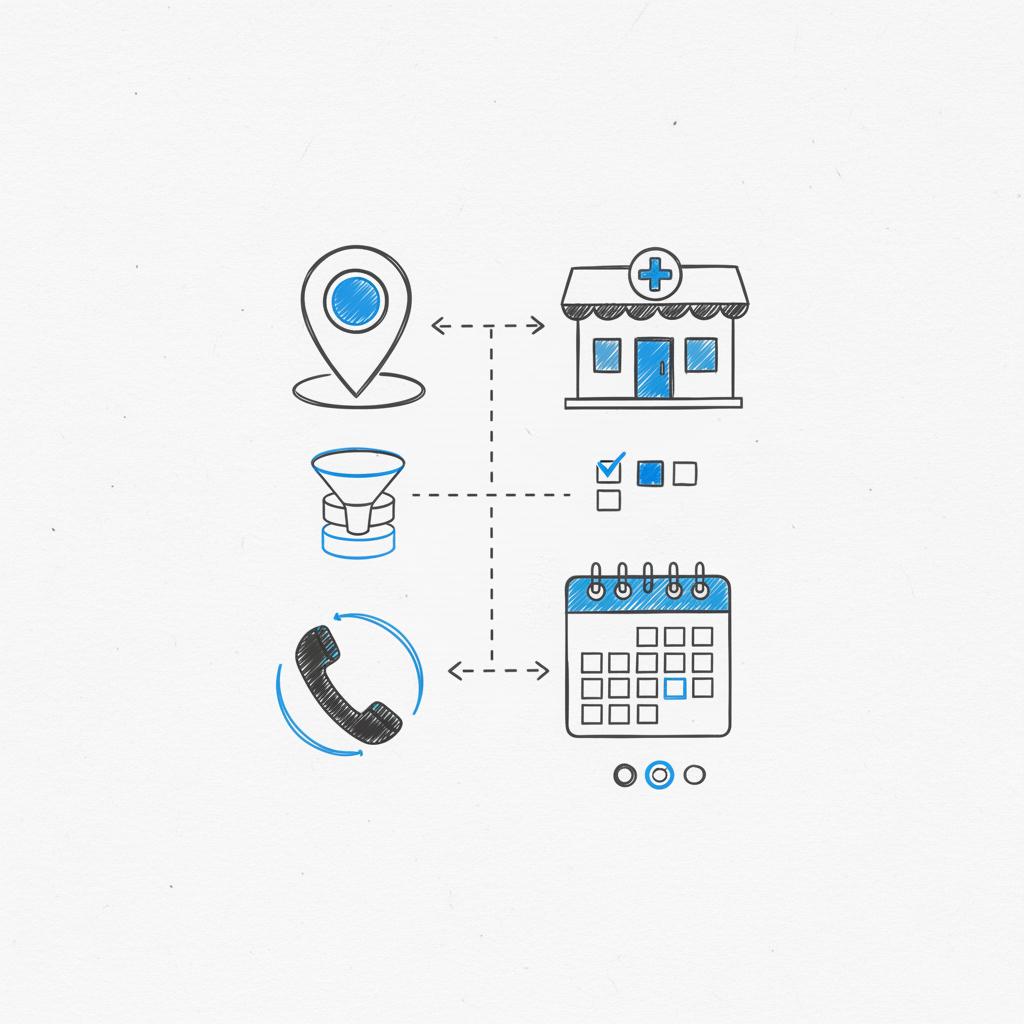
Use plain language and helpful visuals. Short videos of a dentist explaining a procedure or a quick virtual tour of the office reduce anxiety and raise bookings. A clear FAQ about implants with before-and-after photos drives consult requests because readers can picture the result.
Local community work and direct outreach
Offline visibility still matters. Local events, school sessions, sponsoring sports teams and free first-check days help place a clinic’s name in the community. These activities feed referrals and generate social content and reviews.
Direct outreach to referring clinicians – a short intro email offering faster urgent referrals or particular expertise – is low cost and high impact. Over time, these relationships compound into a steady referral stream.
Common mistakes clinics make
Many clinics treat digital as disconnected tactics rather than an integrated funnel. Ads drive visitors to websites that don’t answer questions; GBP has inaccurate hours; tracking is missing so no one knows which campaigns created actual patients. These gaps waste money.
Another mistake is undervaluing the patient experience after the first contact. A clumsy booking process, unclear pricing or poor front-desk follow-up turns a paid lead into a one-time caller rather than a recurring patient. Your team is part of marketing: how the phone is answered, whether forms are ready and whether new patients feel welcomed all affect conversion and retention.
The near-term future: AI-driven search and attribution in 2025
Search is changing. AI and generative answers are appearing more often in results, and these shifts raise new attribution questions for lead generation for dental clinics. Will AI reduce clicks to websites? Will local listings be surfaced differently when engines synthesize content? The full impact is still uncertain.
The smart path is diversification. Keep investing in GBP and local SEO because they signal relevance. Maintain paid channels to capture immediate demand. Strengthen tracking so you can detect attribution shifts and respond, not guess.
A gentle case study: small shifts, big impact
A suburban clinic with two operators wanted more family patients. They cleaned up GBP, added a focused new-patient landing page with online booking and trained reception to record campaign sources. They started a $1,800 monthly Google Ads campaign for “family dentist [city]” and “kids dentist near me.”
Within three months they saw website conversions rise from 4 percent to 9 percent, appointment volume grow 30 percent and cost-per-new-patient fall ~25 percent. The difference came from alignment: ads, GBP and a booking flow that matched patient expectations. Small consistent changes compound.
Practical 90-day checklist: what to do first
Day 0–30: Claim and complete GBP. Check phone, address, hours and services. Add photos. Encourage reviews. Review your website from a stranger’s view: can someone book on mobile in under three taps?
Day 30–60: Add call tracking numbers to campaigns, UTM parameters on paid links and a booking-source field in your PMS. Run a small search campaign targeting high-intent keywords. Route leads into a lightweight CRM to track contact to visit.
Day 60–90: Train the team to ask callers where they found you and to confirm bookings. Reach out to referring physicians with a short invite to visit. Make requesting reviews part of checkout for happy patients.
Measuring success beyond new patient counts
Don’t stop at new names on the schedule. Track retention, average revenue per patient and lifetime value. A campaign that brings low-cost hygiene visits is different from one that brings a family who stays for years. Monitor show rates, no-shows, recall compliance and revenue per patient. These measures tell you whether growth is durable.
KPIs to track for lead generation for dental clinics: total leads, lead-to-appointment conversion, appointment show rate, CPL, CPA and LTV-to-CAC. When monitored together, these metrics show which channels bring profitable patients.
Three simple systems that reduce waste
1) One source of truth for appointment outcomes: tie ad spend to PMS bookings. 2) A repeatable asking-for-review process at checkout. 3) A training script for front-desk staff so every caller feels welcomed and is asked where they found the clinic.
Common questions answered
How much should I spend on Google Ads? Start small: $1,000–$2,000 monthly for many family clinics and measure results. Specialty practices may need higher budgets depending on competition and keyword costs.
What is a reasonable cost-per-lead? In 2024, CPL for dental leads often ranges from mid tens to low hundreds of dollars depending on service and market. Patient acquisition costs often cluster around $300–$400 in many reports. Use these benchmarks as starting points, not guarantees.
Should I pay for social ads? Yes for certain goals: social works well for cosmetic services, brand awareness and re-engaging local audiences. It’s less precise for urgent intent than search ads, but useful in a balanced program.
Final practical tips
Make booking simple, answer the most common patient questions on the website, and treat every interaction as part of marketing. Track outcomes and let it guide budget decisions. Small consistent actions – a tidy GBP, a focused landing page, and clear tracking – often deliver the largest returns.
Quick recap
Lead generation for dental clinics is about visibility, conversion and measurement. Invest where patients look (local search), make saying yes easy (conversion-focused web and booking), and measure everything that matters. With these three rules, clinics can grow predictably and sustainably.
Resources and next steps
If you want a pragmatic partner to review your GBP, help with local search and set up clear tracking, many clinics work with focused agencies that combine strategy and execution. A short audit often reveals quick wins that pay for themselves within months. Start with the 90-day checklist and keep the team aligned. Many clinics work with agencies like Agency VISIBLE for hands-on support.
Start modestly: many family clinics see measurable results with $1,500–$3,000 per month across search and social while investing in GBP and local SEO. Specialty practices or clinics in competitive urban markets often need higher budgets — sometimes $5,000–$15,000 monthly — especially for high‑value cosmetic or implant keywords. The key is linking spend to booked appointments through tracking.
In 2024, cost-per-lead for dental campaigns commonly ranges from the mid tens to the low hundreds of dollars depending on service and market. Many industry reports show patient acquisition clustering around $300–$400 per new patient, but that varies widely. Improving website conversion and tracking lead-to-appointment rates will make these benchmarks actionable for your clinic.
Yes. A focused agency can audit your GBP, tidy local listings, set up call tracking and UTM tagging, and link campaigns to PMS bookings in a way that’s practical for small clinics. If you want a short, pragmatic review, reach out to an agency like Agency VISIBLE for a clear action plan that prioritizes measurable wins.