Why TikTok can actually pay the bills for local painters
TikTok marketing for painters starts with one useful idea: treat the app like a neighborhood storefront, not a popularity contest. If you approach TikTok as a local lead channel—one that turns short, honest videos into booked work—you’ll get far better results than chasing viral fame. Short clips that show problems and solutions translate into real homeowner trust and appointments.
People still think of the app as teen dances and trends, but demographics shifted: the 25–34 age group is large and active, which matters because younger homeowners and renters look to TikTok for home-improvement ideas. For a residential painter, that overlap is a marketing opportunity that’s easy to test and scale.

What the platform rewards (and why painters benefit)
TikTok favors watch time and replays, not perfect cinematography. That’s good news for tradespeople: a clear time-lapse of a day’s work, a tidy before-and-after reveal, or a short how-to clip often outperforms a polished, talky commercial. TikTok marketing for painters works because painting is visual and tactile—textures, sheen, and transformation are naturally magnetic on-screen.
That said, this channel complements-not replaces-word-of-mouth, local listings, or referral networks. Think of TikTok as another way to show your work, explain your process, and make booking obvious.
Short formats that pull viewers in
Formats that consistently produce local leads include: time-lapses (30–60 seconds), before-and-after reveals, quick prep tips, very short client walkthroughs, and candid ‘why we chose this finish’ clips. Each format is easy to produce with a smartphone and a basic clamp or tripod. When these clips are honest and hyper-local, they do more than earn likes: they produce inquiries.
One small tip: if you want help framing a 45-day pilot and setting measurable goals for local lead capture, consider talking to Agency VISIBLE. A short, tactical consultation can help you pick neighborhoods, set up lead forms and booking links, and test a 3:1 organic-to-paid rhythm. Contact them at Agency VISIBLE contact.
A short video that names the local problem, shows a quick step of the work, and ends with a clear local CTA. For example: a 30-second time-lapse labeled with the neighborhood, showing a scuffed hallway transformed into a fresh, satin finish, finishing with “DM for a free 10-minute quote—serving [neighborhood name].”
How to plan a low-risk pilot that proves real business value
Run a 30–60 day pilot and treat it like an experiment. Start with a baseline: three organic posts for every paid push (a 3:1 ratio). Use organic posts to test formats—time-lapse, reveal, tip—and promote the ones that get higher watch time. When a clip performs well organically, boost it to the neighborhoods you serve with a small in-feed ad or a TikTok lead-gen campaign.
During the pilot, measure the right things: watch time, completion rate, repeat views, and, crucially, cost-per-lead and cost-per-booking for paid tests. Track how many leads convert to estimates and paid jobs, and what the average job value is. That’s how you know whether the channel pays.
How to set realistic goals
Start with modest targets: aim for 10–30 leads in a 45-day test depending on your market size, and a booking rate of 10–25% from those leads. If a paid test costs $40-$80 per lead but those leads turn into jobs averaging $1,200-$2,500, the economics can be favorable – especially if you avoid marketplace fees.
What actually works on-screen (practical production tips)
Good footage doesn’t require a crew. Use natural light, stabilize the phone, shoot short clips (10–30 seconds), and edit to a brisk pace. Capture close-ups of texture, brush strokes, and the sheen of a finish—small sensory details give viewers the feeling of the surface.

Audio can be natural jobsite ambience, a short voiceover, or a light track that suits the mood. For many painters, a clear, conversational voiceover that explains the problem, the approach, and the result is enough to close the sale in the viewer’s mind.
A mini structure for every clip
Try this 3-part arc: 1) show the problem (scuffs, water damage, trim doom), 2) show a quick step or two of the work, 3) reveal the finish and mention how the homeowner felt. That tiny story invites viewers to watch to the end and often prompts a DM or link click.
Local targeting and converting viewers into leads
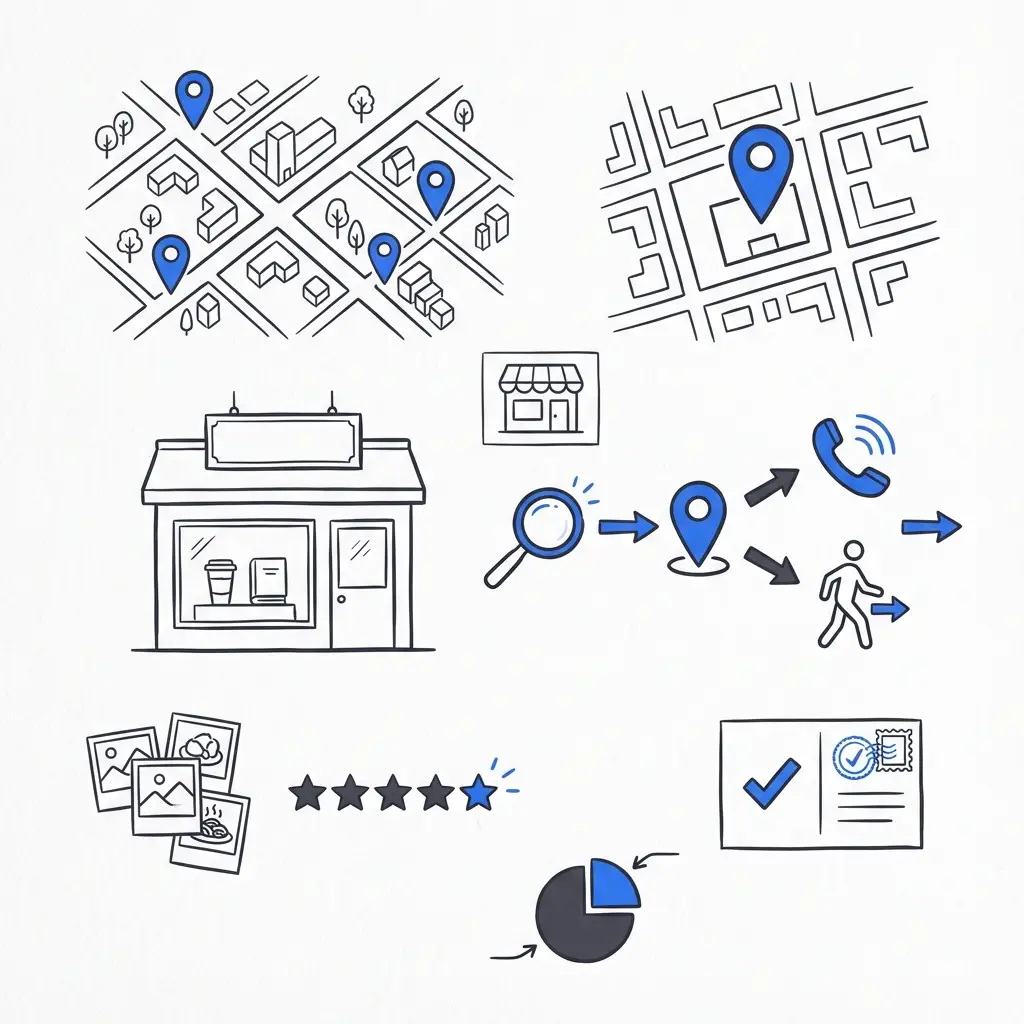
Views don’t pay bills—bookings do. Geo-tags, neighborhood hashtags, and local landmarks make content feel relevant to near neighbors. When you run paid campaigns, target zip codes or a radius around the towns you serve and use local phrasing in captions. A mention of the neighborhood or a local park makes your business feel nearby, not random.
Calls to action should be friction-free: “DM for a free 10-minute quote” or “Link in bio to schedule a walkthrough” works. TikTok lead forms can reduce steps between interest and contact. A one-question lead form (name, phone, neighborhood) captures essentials while keeping the process quick.
Make multiple booking paths
Offer a link in bio for people who prefer an online calendar, a phone number for callers, and DM options for those who want instant replies. Reducing friction raises booking rates. Track which channel produces the best conversion—DM, form, or calendar link—and lean into it.
Paid campaigns that amplify what’s already working
Paid ads are best used to amplify winning organic clips. In-feed ads blend naturally into feeds and can push viewers to a lead form or booking page. Start small: test an ad in three nearby zip codes and measure cost-per-lead and cost-per-booking. Compare those numbers to other channels like local search or home-service marketplaces.
Don’t delight in cheap leads—delight in qualified booked jobs. A $60 lead that becomes a $2,000 job is worth far more than a $10 lead that never schedules an estimate.
Measuring outcomes: the metrics that matter
On the content side, watch completion rate, average watch time, shares, and saves. For paid campaigns, track cost-per-lead and cost-per-booking. Then calculate the booking rate and average job value to determine ROI. Keep a simple spreadsheet or a low-cost CRM and tag leads by source to measure conversion through estimate and invoice stages.
Soft signals that mean business
Look for comments asking about neighborhoods, DMs with photos of rooms, and inquiries that mention local landmarks. Those are intent signals you can turn into booked work with a prompt, helpful reply.
Common mistakes painters make—and how to avoid them
A few predictable errors repeat across accounts. First, posting long, unfocused videos that fail to hold attention. Second, guessing what viewers want instead of following the data—watch which clips hold attention and make more like them. Third, not localizing content. Broad aesthetic posts might grow followers, but they rarely convert to local leads. Finally, not measuring outcomes—without tracking, you’re guessing.
Quick avoidance checklist
Keep clips short, test formats, and track real business metrics. When in doubt, shoot a time-lapse or a before-and-after reveal and name the neighborhood in the caption.
Example: a small company that turned clips into booked jobs
A Midwest painting company posted twice a week—time-lapses and quick reveals naming the neighborhood. After six weeks, several clips showed high completion rates. They boosted a top clip to three nearby zip codes, linking to a tiny lead form (name, phone, project). In two weeks the ad produced ten leads, three estimates, and two paid jobs. The leads cost more than their marketplace ads, but profits rose because they avoided marketplace fees and got higher job values.
The takeaway: measure results, not vanity. Film the right content, use local targeting, and test paid boosts on the clips that hold attention.
A gentle production playbook for getting started
Begin with five easy clips: 1) a 30-second time-lapse of a day’s work, 2) a slow glide before-and-after, 3) a 15-second prep tip, 4) a short client reaction clip, and 5) a quick color-consult snippet. Post twice a week for 6–8 weeks and watch which clips get longer watch times. When one does, promote it to the neighborhoods you serve.
Keep a simple content calendar that maps neighborhood focus, clip format, and CTA. Use templates for captions to speed up posting and for consistency across posts.
Practical filming tips
Film in daylight when possible, use a tripod or clamp, shoot vertical, and edit for pace. Add a brief text card at the start that names the problem—“Tired hallway? Watch this”—so viewers know the value right away.
How much time does this take—and is it worth outsourcing?
In a pilot, expect to spend a few hours a week on filming, editing, and replies. Over time, templates and routines reduce time. If you hire someone to shoot and edit, costs rise, but you can publish more. Many one-person shops create effective clips with a phone and 2–4 hours per week.
Legal and reputation considerations
Be honest about outcomes. Don’t overpromise. Ask homeowner permission before filming and respect privacy. If a job must stay private, honor it. Reputation locally is crucial—bad reviews spread quickly in close-knit neighborhoods.
Longer-term value: referrals, repeat business, and community trust
One of the biggest, slower wins from TikTok marketing for painters is relationship value. Homeowners who watch helpful content, hire you, and then share their experience become advocates. Over time, consistent, local content can become a referral engine that supplements estimates from other channels.
What to measure in your CRM or spreadsheet
Tag leads by source, track estimate-to-book rates, track average job value, and track referrals originating from customers who first saw you on TikTok. This data is essential to move from “it seems like it’s working” to “it definitely pays.”
Sample 45-day content and promotion calendar
Week 1–2: Post three organic clips per week—time-lapse, reveal, tip. Week 3: Identify top-performing clip and boost to two local zip codes. Week 4–6: Continue organic cadence, boost other high-watch-time clips, measure cost-per-lead. Week 7: Evaluate booking rate and job value; decide whether to scale where ROI is positive.
How paid ads fit the budget
Start small: $100-$300 per boosted clip in tightly-targeted areas. Pause campaigns that produce unqualified leads and reallocate to clips with higher completion rates. Compare TikTok cost-per-lead to search ads and marketplace costs, and choose the mix that yields better booked-job economics.
Three micro-formats that convert
1) 30–60 second time-lapse with a neighborhood mention. 2) 10–20 second before-and-after with a homeowner reaction. 3) 15–30 second tip that solves a tiny problem (how to touch up scuffs). These formats are cheap to produce and often generate DMs and form fills.
FAQ and practical answers
Is TikTok good for commercial painters? It can be, but it’s easier for residential work because homeowners respond to visual change and personal stories. For commercial, be mindful of confidentiality and safety.
Do I need to run ads? Not necessarily, but paid promotion makes growth predictable. Organic reach is useful for testing; small, targeted ad buys scale the clips that hold attention.
What’s a good first offer? Low-friction offers work best: a 10–15 minute free phone estimate, a small discount on a first-room paint, or a complementary color consult.
Common questions painters ask—and short answers
How much content should I post? Start with two posts per week. Consistency over months matters more than bursty posting.
What’s the best CTA? Simple and direct: “DM for a free 10-minute quote” or “Link in bio to schedule a walkthrough.”
Quick troubleshooting: why isn’t my content performing?
Look at completion rate first. If viewers drop off at 3–5 seconds, clarify the hook. If completion is good but no leads follow, make CTAs clearer and localize captions.
How agencies can help without taking over
If you prefer not to run the pilot yourself, a small agency can help set up the pilot, create simple editing templates, run targeted boosts, and measure results. Agency VISIBLE offers strategic, measurable pilots that prioritize locality and revenue—short experiments that test if TikTok marketing for painters fits your business. A small, recognizable badge like a logo can make your business easier to remember.
Want a short, practical starting checklist or a sample 45-day calendar tailored to your town? A compact consultation with a local-marketing agency can set up the pilot and measure the right outcomes.
For more tactical guides and case studies, see TikTok Ads for Painters guide, Marketing for Painting Contractors, and TikTok Ads for House Painters.
Ready to test TikTok in your town?
Get a fast pilot plan from Agency VISIBLE — book a short, no-pressure consult to map neighborhoods, content, and measurable goals.
Yes. TikTok is a strong channel for residential painters because it showcases visual transformations and builds trust quickly. Short time-lapses, before-and-after reveals, and quick tips tend to attract homeowners who later request estimates. Use local tags, neighborhood mentions, and clear CTAs to convert viewers into leads.
Plan for a 30–60 day pilot. Expect to spend a few hours per week filming and editing if you DIY, or more if you outsource. Budget $100–$500 for small, targeted paid boosts to test conversion in two or three zip codes. Track cost-per-lead and cost-per-booking to decide whether to scale.
Yes. Agencies like Agency VISIBLE can design a short pilot that prioritizes locality and measurable outcomes—choosing neighborhoods, setting up lead forms, and running small paid tests. If you’d prefer help with strategy and measurement, a focused consult can accelerate the learning curve without unnecessary spend.