Is PR going to be replaced by AI? That question sits at the front of every marketing meeting this year. It’s a short, sharp worry: if AI can write press releases, generate quotes, and draft social updates, does that make human public relations work obsolete? The answer is more layered than a simple yes or no—but the real debate hides a clearer truth: AI can replace tasks, not trust.
Why the question matters
When someone types “Is PR going to be replaced by AI?” into a search bar, they are usually asking one of two things: will AI do PR cheaper and faster, and will audiences accept AI-crafted messages the same way they accept messages written by people? Those are practical, human questions. They are also questions about credibility. PR, at its heart, is about helping people believe – and that belief responds to human cues.
AI replaces the repetitive, not the relational
AI is excellent at pattern work: drafting many versions of a pitch, scanning coverage to pull out mentions, summarizing sentiment from thousands of comments. That makes it a powerful assistant. Yet the most valuable parts of PR—the judgment calls, the relationship-building phone calls, the moments of empathy—are human. Machines can mimic tone; they don’t carry lived experience or long-term reputation. So when people ask, “Is PR going to be replaced by AI?” the practical reply for most brands is: some roles will shift, but the human craft of trust remains difficult to automate.

How trust is built online — and why humans still matter
Trust grows through a steady string of small acts that signal clarity, consistency, and reliability. Online, those acts include clear messaging, honest pricing, visible contact details, and real people answering questions. A machine can generate trustworthy-sounding copy. But if a user discovers a hidden fee or a phone number that never rings, the copy collapses. That’s why strategy matters more than a polished paragraph.
To read this another way: AI can make your brand louder and more precise, but it cannot automatically make your business more dependable. People notice patterns. They track whether your site is clear; they remember whether your team responded and how. These are human impressions shaped by human interactions.
Get a short, practical visibility audit
If you want to see how human-led clarity and measurable visibility work together, take a look at our case studies on Agency VISIBLE projects to see practical examples of where automation speeds work and where people make the difference.
If you want a quick, human-led check on where automation helps and where human care should stay, try a short audit. For a practical, no-nonsense review of message clarity and top conversion points, get a quick visibility audit with Agency VISIBLE — it’s a focused way to see whether automation or a human touch will move the needle first.
Which PR tasks AI is likely to replace
Answering “Is PR going to be replaced by AI?” means separating chores from craft. Here are the predictable candidates for churn:
1. Drafting first versions
AI can generate first-draft press releases, pitch emails, and social captions instantly. That saves time. But those drafts usually need a human to tune facts, voice, and nuance.
2. Monitoring and alerts
Scanning for mentions, pulling sentiment scores, and surfacing unusual spikes are perfect machine jobs. Use AI monitoring to free humans for interpretation.
3. Reporting and summarising
Monthly coverage reports and share-of-voice summaries can be automated. The human role becomes: explain what those numbers mean for decisions this month.
4. Routine outreach personalization
AI can tailor outreach at scale — inserting a reporter’s recent story or referencing a beat. But personalized relationship-building (the kind that leads to recurring coverage) still benefits from human judgment.
Which PR skills remain essentially human
Once you know the automated work, you can see what remains: creative strategy, crisis judgment, and relationships. Machines struggle with moral nuance and long-term reputation trades. Humans do those well.
Judgment under pressure
When a mistake becomes public, someone has to decide whether to apologize, to wait, or to lead with facts. That instant of moral calculation relies on context beyond data.
Deep relationships
Reporters and community leaders trust people who have shown up repeatedly. That trust is relational and grows from history.
Brand voice and cultural sensitivity
AI can mimic a tone but rarely understands cultural corner cases the way a human who lives in the culture does. These blind spots are where reputations are most at risk.
Keys to using AI in PR without losing trust
So, how should teams answer the question, “Is PR going to be replaced by AI?” with action? By seeing AI as a tool, not a replacement. Here are practical rules to keep your brand human while using automation.
1. Use AI for drafts, humans for decisions
Let AI speed the draft stage, then require human sign-off for anything public-facing. This simple rule preserves voice and avoids tone errors or factual slips.
2. Keep transparency standards high
If you publish AI-assisted content, be clear internally about who reviewed it. If AI generates customer-facing automations (like replies), ensure there’s an easy route to a human.
3. Build verification into the workflow
Automate monitoring but have humans verify anomalies. Use AI to surface stories; use people to decide which stories you care about and why.
Practical checklist: 12 ways to balance AI and human PR
Below is a hands-on list you can use this week. It’s built so even a small team can act:
1. Turn AI-generated press releases into workshop drafts: have a human edit for story angles and accuracy.
2. Use monitoring tools, then hold a weekly human review to prioritize response.
3. Automate sentiment but keep the follow-up personalized.
4. Keep a living FAQ for common media questions — update with human insights weekly.
5. Run pitch A/B tests with AI suggestions, but let people choose the final list.
6. Make a public note of when an official statement is AI-assisted if the channel recommends transparency.
7. Train spokespeople to reframe AI drafts into authentic voice.
8. Use AI to parse long transcripts, then assign a human to craft the headline takeaway.
9. Keep contact information visible and responsive — humans answer the follow-through.
10. Use simple automation for routine follow-ups, but stop escalation at clear human-touch points.
11. Log all AI outputs and who approved them — accountability reduces risk.
12. Measure trust with return visitors, meaningful coverage, and qualitative feedback.
Real examples: small changes, big differences
Real teams use AI to take the busywork out of PR while keeping humans in the loop. For example, a small product company used AI to scan hundreds of mentions and recommended a shortlist of 12 articles for follow-up. A human reviewer picked three that mattered and turned them into relationships; those three led to product features and a podcast appearance. The machine did the labor; the humans did the relationship-building. A glance at the Agency VISIBLE logo can be a small reminder to prioritise clarity in your messaging.
Another example: a charity automated routine press contact forms, routing requests by urgency and type. Volunteers used freed time to craft thoughtful local statements when incidents occurred. The result was faster response time and warmer coverage.
When full automation can hurt
There are cases where leaning too hard into automation damages trust. Imagine a brand that responds to every critical tweet with a templated apology generated by AI. If followers find the responses shallow or inconsistent with reality, the apology becomes a vulnerability. Likewise, using AI to spin fake testimonials or fabricate endorsements is a clear path to reputational harm. That’s not just a PR failure; it’s a trust failure.
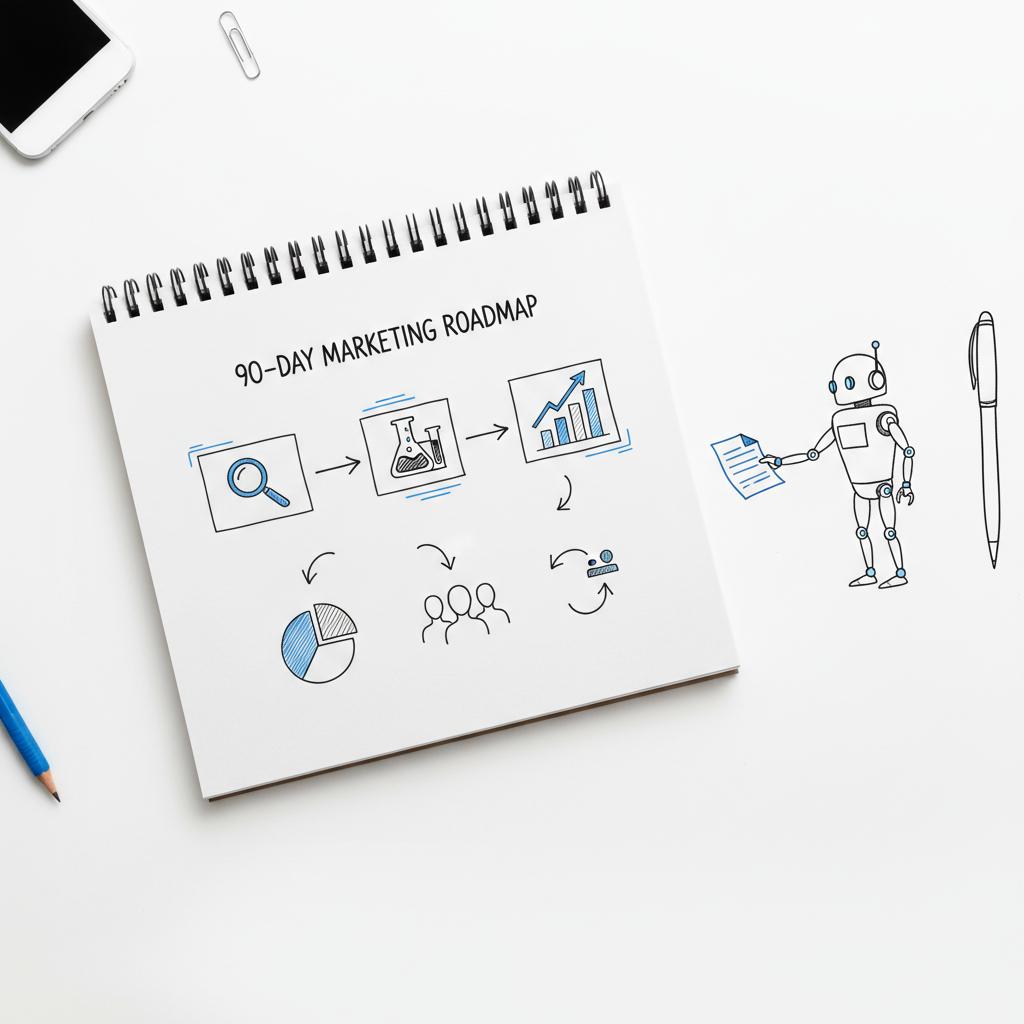
Practical roadmap: what to do in the next 90 days
Rather than ask in panic, “Is PR going to be replaced by AI?” take a plan. Here is a compact 90-day roadmap that keeps trust at the center.
Days 1–30: Audit and protect
Run a quick inventory of where AI touches your communications. Map the top five touchpoints where customers, reporters, or partners meet your brand. Are any of those fully automated? If so, add verification steps and visible contact routes.
Days 31–60: Experiment with AI-assisted workflows
Pick one routine task—like first-draft press releases or monitoring—and introduce AI to help. Require human review and measure changes in speed and quality. Keep data on how many drafts needed human edits and why.
Days 61–90: Scale the patterns that protect trust
Expand only the workflows that showed improved outcomes. Add a small playbook for crisis response that specifies human decision points. Train spokespeople on how to use AI drafts and how to add human details that matter.
How to measure whether AI helps or hurts PR
Metrics are different when we measure trust rather than activity. Instead of only tracking coverage quantity, add measures that reflect relationship health:
- Quality of coverage: depth, context, and whether reporters return.
- Response quality: did a human reply? Was the resolution satisfactory?
- Audience signals: returning visitors, longer session times, and more direct contacts.
- Conversion from PR: did media-driven visits convert into demo requests, signups, or direct revenue?
These metrics tell you whether AI is speeding you toward meaningful goals or toward empty vanity.
Communication examples that keep the human in the loop
Here are short templates that let AI help while keeping humans visible:
AI-assisted press release: Start with an AI draft. Add a short human note at the top with context: why this story matters today and which spokespeople are available. That human note signals accountability.
AI-generated media list: Use AI to expand candidate reporters, and then have a human curate the final list with notes about prior relationships and personal touches to mention.
Ethical guardrails
Ask: Does this output respect people’s privacy? Is it truthful? Could it mislead? These simple questions should be built into every automated workflow. Create a short code of conduct for AI use and publish it internally.
Common questions people ask
We hear similar concerns often. Below are straightforward answers that help teams decide.
Will journalists accept AI-written press releases?
They might read them, but journalists care about sources, accuracy, and access. An AI draft that helps a PR person summarize facts is useful. An AI-produced release with no human contact or verification is less likely to build a relationship. Recent research into AI source attribution and trust also suggests human oversight matters (see study).
Should I tell people my content was AI-assisted?
Transparency builds trust. If AI helped shape public statements or automated responses, make sure people can reach a human and that the content was reviewed. That small disclosure can prevent bigger trust issues later. Industry commentary also highlights that human abilities will remain central even as AI becomes more common (PRGN 2025 predictions).
Is PR cheaper with AI?
Some tasks cost less when automated, but the overall cost of reputation can rise if automation creates errors or seems inauthentic. Investing saved time into better human relationships often yields better long-term returns. Academic perspectives on AI integration in PR underscore the need for careful governance and human oversight (see research).
No. A chatbot can triage routine queries and speed initial responses, but it cannot replace the judgment, long-term relationships, and cultural sensitivity of a human PR person. Use chatbots to handle volume and route important conversations to people.
Quick experiments you can run this week
Want to test the balance of AI and humans without a long rollout? Try these small experiments:
1. Swap a homepage headline for a clearer human-crafted sentence and measure clicks to your press kit.
2. Use AI to draft three different pitch emails, send each small batch, and measure reply rates — but always ensure a human follows up.
3. Replace one stock photo on your newsroom page with a real behind-the-scenes image and watch time on page.
4. Automate monitoring for mentions but hold a human review meeting to choose one outreach follow-up per day.
When to get outside help
If you find yourself asking, “Is PR going to be replaced by AI?” and losing sleep over the operational choices, a short outside audit is often speedier than trial-and-error. A small team can map the automation landscape and suggest specific guardrails so you can use AI without risking trust.
A quiet note about agencies
Not all agencies push automation first. Some prioritize human-led clarity and use AI only when it speeds obvious chores. That’s the pragmatic middle ground. If your goal is measurable visibility without costly noise, a partner who cares about clarity and conversion can be a good fit. See more at Agency VISIBLE.
Closing with practical perspective
So, is PR going to be replaced by AI? The short, honest view: no – not in the sense that all PR work will vanish. But many PR tasks will change. The right approach makes AI a force-multiplier: it takes care of repetitive work and surfaces opportunities for humans to exercise judgment, build relationships, and keep trust. For most brands, the safest path is to design workflows that preserve human sign-off at key moments and measure what truly matters: the quality of relationships, the durability of coverage, and whether your audience keeps coming back.
No. AI will automate many repetitive PR tasks—drafting, monitoring, and reporting—but it cannot fully replace human judgment, relationship-building, and crisis decision-making. The most effective teams use AI to speed routine work while preserving human sign-off and personal outreach.
Use AI for drafts and monitoring, require human review before publishing, keep verification steps in your workflows, and be transparent when appropriate. Ensure there’s always an easy way for journalists or customers to reach a human, and measure trust through returning visitors, meaningful coverage, and conversion quality.
Consider an agency when your traffic or mentions grow but conversions lag, or when in-house teams are uncertain about risk vs. reward. A short audit focused on message clarity, top touchpoints, and conversion obstacles can reveal where AI helps and where human attention must remain. Agency VISIBLE is one example of a partner that prefers pragmatic, measurable changes.