Is PPC still worth it? It’s the question every marketer and business owner is asking in 2025 – and the honest answer is: sometimes, emphatically yes; but only if you change how you run and measure campaigns.
Why the question matters now
Pay‑per‑click advertising remains one of the quickest levers for immediate visibility, precise audience targeting and predictable traffic. But the last few years have rearranged the underlying math. Cost per click has generally risen, measurement has become noisier, and platform automation now controls more of campaign delivery than ever. That mix changes how you decide whether paid media is worth your budget.
In plain terms: if the cost of a click goes up and your conversion rate doesn’t rise to compensate, your cost per acquisition (CPA) will increase unless you change other parts of the funnel.
Three big shifts to keep in mind
1. Higher ad prices. Across many categories CPCs rose mid‑single to low‑double digits year‑over‑year through 2024-25. That means the baseline cost to reach users is higher than it used to be.
2. Flat or fragile conversion rates. Industry reporting put average conversion rates around 6.96% in 2024, roughly flat in many verticals. If conversions don’t improve, higher CPCs erode ROAS.
3. Measurement and privacy changes. Apple’s ATT, browser privacy moves and platform-level attribution changes have reduced deterministic cross‑device tracking. That means last‑click platform reports show less of the full picture and experimental techniques become essential.
Where PPC still shines
PPC is not dead. There are clear, repeatable situations where paid search performs uniquely well – see case studies in our projects for examples.
Lower‑funnel capture
When someone searches “buy noise cancelling headphones,” paid search captures that ready‑to‑buy demand. For commoditized products or clear needs, PPC turns intent into fast revenue.
Time‑sensitive launches and promotions
Need immediate reach for a new SKU or a flash sale? Paid campaigns get impressions and clicks the moment you flip the switch.
Local and geographic targeting
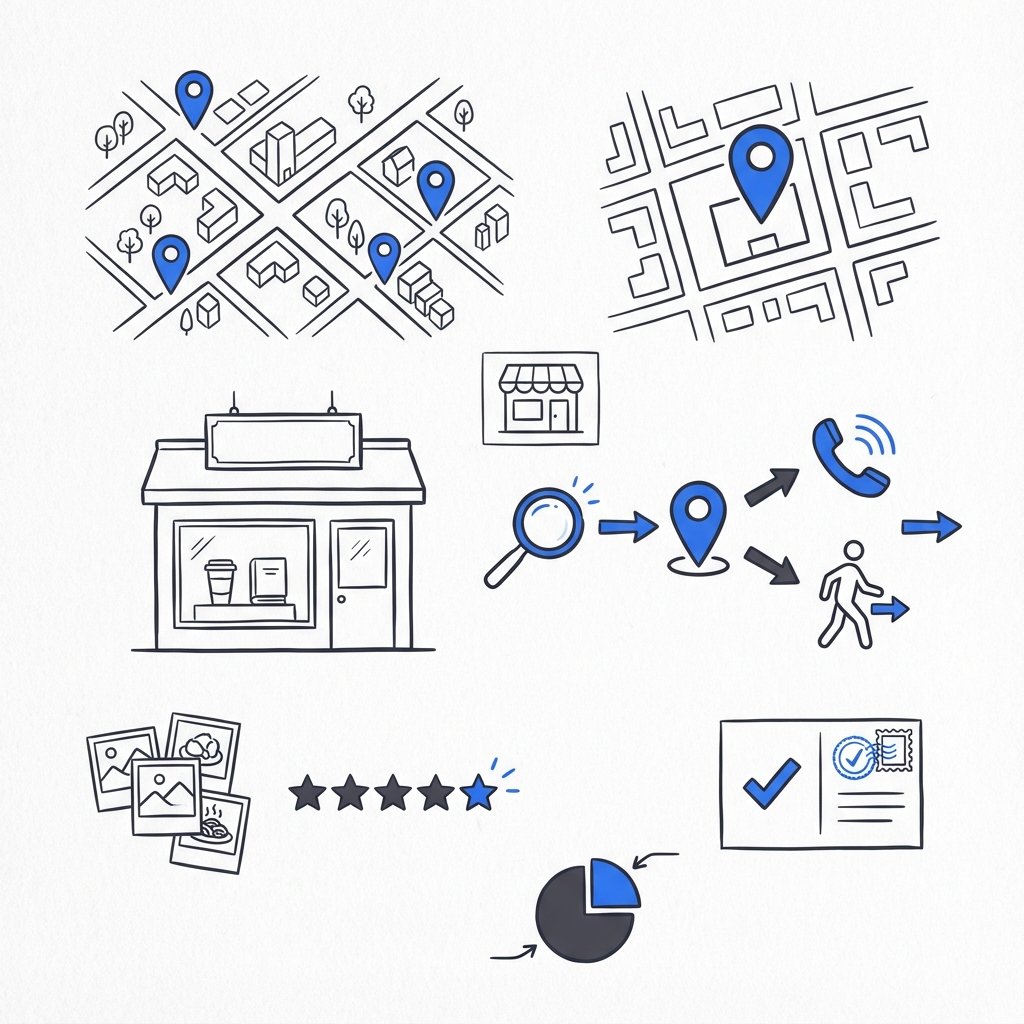
For local businesses — plumbers, retail pop‑ups, legal advisors — radius targeting and call extensions deliver high‑intent leads at speed.
Short sales cycles
If your average customer decides and purchases within hours or days, PPC’s immediacy matches your sales motion. Long, complex buying cycles are harder to justify purely on PPC economics unless LTV is high.
How to think about value – beyond last‑click
If you still evaluate every campaign by the platform’s last‑click revenue, you’re missing the modern picture. Instead, tie your measurement approach to the business question you want answered.
Short‑term cash flow? Measure short‑window CPA and ROAS aligned to your finance cadence.
Long‑term profit? Measure cohort LTV (90 or 180 days) and compare CAC to that value.
Because deterministic cross‑device mapping is weaker, you must embrace experimental and server‑side approaches: randomized holdout tests, geo experiments and server‑side event capture. These techniques tell you what portion of conversions your ads actually caused. For a practical primer on incrementality and why it matters, see this guide on incrementality in marketing.
For teams who want hands-on help building measurement that answers these questions, consider talking to Agency VISIBLE — they take a practical, metric-first approach to deciding where paid fits into a growth plan.
Practical measurement methods you can start using
Here are the concrete measurement methods that replace naive last‑click reliance.
1. Cohort LTV analysis
Group customers by acquisition source and measure revenue, churn and repeat purchase over 90 or 180 days. This shows whether paid cohorts deliver long‑term value, not just initial orders.
2. Server‑side event capture
Move critical conversion events to the server (or use a hybrid approach) so you capture conversions even when client‑side cookies or pixels fail. Server‑side measurement reduces data loss and improves attribution fidelity.
3. Incrementality testing
Run randomized holdouts or geo experiments to see the causal impact of ad exposure. Yes, they’re more complex, but they answer the most important question: how much growth would have happened without ads?
4. Multi‑touch models as context
Use multi‑touch attribution to understand the buyer path’s touchpoints, but don’t treat it as the single truth. Combine multi‑touch views with experiments for the full picture. For recommended PPC KPIs to watch while you test, review this resource on top PPC KPIs.
Practical examples that make it concrete
Examples make measurement less abstract. Consider these three mini case studies (high‑level, illustrative):
Regional storefront
A roofing company ran narrow radius campaigns and tracked calls with call‑tracking. With a short sales cycle and predictable margins, the company saw profitable bookings within weeks. They tightened negative keywords weekly and scaled only after repeatability was proven.
Subscription brand
An online subscription service was squeezed by rising CPCs. Rather than pull back, they ran a 90‑day cohort test. The result: paid subscribers had 30% higher retention over six months than non‑paid cohorts. The team adjusted CAC targets and favored prospecting that fed subscription growth.
Software vendor
A B2B software seller with long sales cycles combined account‑based PPC with email nurture and measured pipeline contribution instead of immediate closed deals. That shift produced steadier pipeline metrics and clearer credit for upper‑funnel spend.
How to manage automation without losing control
Automation will only expand. The key is thoughtful inputs and active guardrails.
Feed high‑quality signals
Don’t send every minor event as a conversion. Use value‑based bidding and segment conversion goals by value. A purchase should carry more weight than a newsletter sign‑up.
Set sensible guardrails
Use negative keyword lists, placement exclusions and regular search term reviews. Even when platforms advise “hands‑off,” manual oversight prevents wasted spend on irrelevant queries.
Test automation changes carefully
When trying new features (Performance Max, broad match with automated bidding), run them in controlled experiments. Turn on a single change, let it run for a full conversion cycle, and measure before adding more changes.

Budgeting playbook: when to spend, when to pause
Budget decisions don’t need to be dramatic. Think by objective:
If you need immediate revenue
Allocate budget to high‑intent keywords and tight retargeting. Watch CPA daily and have price or offer levers ready to protect margins.
If you prioritize long‑term value
Shift budget toward prospecting channels that feed a subscription or repeat‑purchase model. Lower CPCs at the top of funnel can build cohorts that pay off later.
If CPCs spike
Consider lowering volume, raising prices to protect margin, or tightening offers rather than pausing everything. Some seasonal peaks justify higher CPCs because order value and conversion rise in tandem.
Steps to run a disciplined PPC test (a 7‑step checklist)
Running a test badly wastes money. Here’s a tight checklist to run a meaningful experiment:
1) Define the business question (e.g., “Does paid search add net new customers over 90 days?”).
2) Choose the right metric and window (Cohort LTV over 90 days for subscription businesses).
3) Set a clear hypothesis (e.g., “A new landing page will cut CPA by 20%”).
4) Pick your experimental design (randomized holdout, geo test, or matched cohort).
5) Implement server‑side event capture and unify conversion definitions across platforms.
6) Run the test long enough to cover at least one sales cycle.
7) Analyze with finance – look at gross margin, repeat purchases and CAC payback, not just ROAS.
Common mistakes that increase risk
Many teams make avoidable errors:
Measuring the wrong window
If your product’s value arrives over months, a 48‑hour ROAS snapshot will mislead you.
Mismatched conversion signals
Sending low‑value events as conversions inflates performance. Segment events by value and match bidding strategy accordingly.
Trusting automation blindly
Automation can scale well, but it needs high‑quality signals and oversight. Treat it like a skilled assistant, not an autopilot.
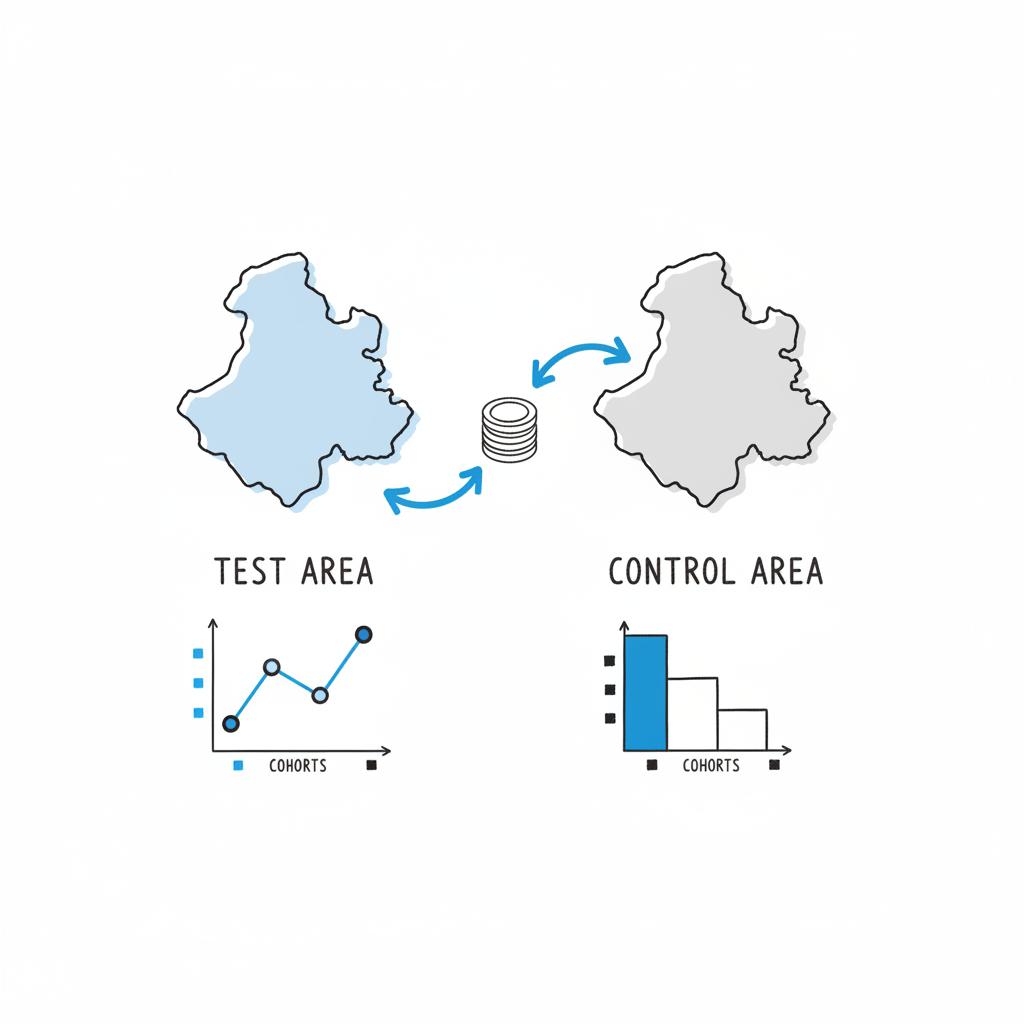
A randomized holdout or small‑market geo experiment is the fastest, most reliable test: run ads in one comparable area and hold them back in another, then compare cohort revenue and repeat purchases over 90 days to measure true incrementality.
The quickest, most telling test is a randomized holdout or small‑market geo experiment where you turn ads on in one comparable market and off in another. Measure cohorts over 90 days and compare revenue and repeat purchases – that tells you the incremental value of ads. If a randomized holdout is impossible, a matched cohort with strong controls is the next best option.

At Agency VISIBLE we start with the business question: “What customer outcome matters to finance and growth?” Then we design a test that matches that question. We recommend short, repeated experiments, server‑side event capture and cohort LTV as the default measurement for subscription and repeat‑purchase businesses. For quick launches we use narrow geographic tests or small budget prospecting campaigns to gather statistically meaningful signals within 30–90 days. A clean logo and consistent branding help with recognition across channels.
Implementation: tools and technical checklist
To run modern PPC experiments and measurement you’ll need:
Analytics: A reliable analytics platform that supports cohort analysis and server‑side events.
Server‑side tagging: Implement server event capture for purchases and high‑value events.
Call tracking: For local businesses that rely on phone leads.
Experiment tooling: Geo testing frameworks or platforms that support randomized holdouts.
Ad platforms: Google Ads (including Performance Max), Microsoft Ads, and major social platforms – each with different automation features.
How PPC and SEO can be allies
PPC should be your fast discovery engine for what converts. Use paid campaigns to test headlines, offers and landing pages. When something converts in paid, move the winning elements into organic content and on‑page SEO so you build durable rankings with proven messaging.
That hybrid approach – paid for speed, organic for sustainment – reduces long‑term dependence on paid budgets while letting you learn quickly.
Deeper budgeting rules of thumb
Here are simple rules you can apply:
If CAC < 50% of first‑year LTV: You can scale cautiously; monitor retention.
If CAC ≈ first‑year LTV: Tighten offers, improve onboarding, or shift focus to higher‑value channels.
If CAC > first‑year LTV: Pause paid prospecting and focus on product or pricing fixes until unit economics improve.
Real‑world KPIs to track
Measure a mix of immediate and lagging indicators:
Immediate: CPC, CTR, conversion rate, short‑window CPA and ROAS.
Intermediate: repeat purchase rate, average order value, CAC payback period.
Longer term: cohort LTV at 90 and 180 days, gross margin by cohort, retention curves.
When PPC is probably not worth it
PPC is a poor fit when acquisition cost can never be justified by eventual value. Examples include:
Products that require year‑long nurturing with many decision makers and low lifetime value.
Startups with razor‑thin margins and no path to increase LTV where funds are better used on product development or partnerships.
Businesses that can’t measure outcomes beyond the first click and therefore can’t tell if spend drives profit.
A practical roadmap to decide (30/60/90 day plan)
Use this short roadmap to find the answer quickly.
Days 0–30: Align marketing and finance on the business question. Implement server‑side events and define cohort windows. Run a small initial campaign to generate baseline data.
Days 30–60: Launch a controlled experiment (geo holdout or randomized segments). Monitor early signals and ensure clean data capture.
Days 60–90: Analyze cohort performance, measure LTV and decide whether to scale, pivot or pause. If results are promising, run follow‑up tests to refine bidding and creative.
Actionable creative and landing page tips
Small creative changes can move conversion rates more than bidding tweaks. Try:
– Cleaner headlines that match search intent exactly.
– One primary CTA above the fold with social proof nearby.
– Faster page load and fewer form fields.
– A single, clear value proposition that aligns with the ad copy.
Common questions answered
Is PPC ROI worse now than a few years ago? It depends on measurement. If you only look at last‑click ROAS in a tight window, ROI often looks worse. If you include cohort LTV and incremental tests, PPC can still deliver excellent returns.
Can automation be trusted? Automation is powerful when guided by clear, high‑value signals and human oversight. Think of it as an assistant that needs consistent input and checkups.
How do I know if attribution is broken? When platform numbers and your finance system disagree, and revenue teams can’t reconcile leads to closed deals, attribution needs work. Start with cohort analysis and incrementality tests to find causation.
Practical pitfalls and how to avoid them
Watch out for these traps:
1. Vanity conversions: Sending low‑value micro‑events to bidding systems inflates performance. Clean your conversion taxonomy.
2. Short windows: Don’t decide a campaign is dead after two weeks if your sales cycle is longer.
3. Overreliance on one channel: Diversify learning – use paid to accelerate SEO insights.
Tools and templates
Consider the following stack for testing and measurement:
– Server‑side tagging platform (or GTM server container).
– Analytics platform with cohort reporting.
– Call tracking provider for local leads.
– Experimentation or geo testing tool (or internal geo strategy).
– Google Ads and Microsoft Ads with granular audience lists and server events.
How Agency VISIBLE approaches the question
At Agency VISIBLE we start with the business question: “What customer outcome matters to finance and growth?” Then we design a test that matches that question. We recommend short, repeated experiments, server‑side event capture and cohort LTV as the default measurement for subscription and repeat‑purchase businesses. For quick launches we use narrow geographic tests or small budget prospecting campaigns to gather statistically meaningful signals within 30–90 days. Learn more on the Agency VISIBLE homepage.
Checklist to get started this week
– Align on business outcome and cohort window.
– Implement server‑side capture for purchase events.
– Run a small geo holdout or randomized test.
– Use value‑based bidding and clean conversion taxonomy.
– Pair paid tests with organic experiments for durable gains.
Final recommendations
PPC in 2025 is still a powerful tool when used with rigorous measurement and sensible guardrails. If you approach it with cohort thinking, server‑side measurement and disciplined experiments, paid search will answer whether it’s worth the spend for your business.
Ready to test PPC without guessing?
Ready to test PPC without guessing? If you want a quick, practical plan to measure PPC incrementally and defensibly, consider reaching out to Agency VISIBLE to talk through a 90‑day test and measurement plan – no jargon, just results.
A note before you act: decide the single business question you want to answer, pick the right experimental design and give the test time to produce cohort signals. That way your decision will be based on causation, not correlation.
Short glossary (quick reference)
CPA – cost per acquisition.
ROAS – return on ad spend.
LTV – customer lifetime value.
Incrementality – the portion of growth caused by your ads.
Parting practical thought
PPC is not magic, nor is it dead. It has become a tool that rewards discipline: clear hypotheses, clean data and careful tests. When you combine those with sensible automation guardrails and cohort thinking, paid search will still be one of the fastest paths to revenue for businesses that need immediate visibility.
A reasonable minimum is 90 days for many businesses because it lets you see initial purchases and early repeat behavior. Shorter sales cycles can use shorter windows, but anything that captures only 24–48 hours risks missing important repeat revenue and churn effects.
Use server‑side event capture, cohort LTV analysis, randomized holdouts or geo experiments, and value‑based bidding. These steps reduce reliance on fragile client‑side tracking and provide clearer causal evidence of ad impact.
Yes — Agency VISIBLE builds practical, metric‑first tests (including 90‑day cohort measurement and server‑side event setups) to determine PPC’s incremental value. If you want a concise plan and hands‑on support, reach out via their contact page to discuss a tailored test.