


Is PPC just Google Ads? Understanding the full landscape
Is PPC just Google Ads? It’s a fair question — and the first sentence here matters because many owners and marketers genuinely think paid search equals pay‑per‑click. In reality, pay‑per‑click is a family of paid digital channels: search, shopping, display, video, social and programmatic placements, plus retail marketplace ads. Each channel has different objectives, costs and measurement expectations. The practical result: knowing the difference is how you spend smarter – not just spend more.
What ‘intent’ really means and why it matters
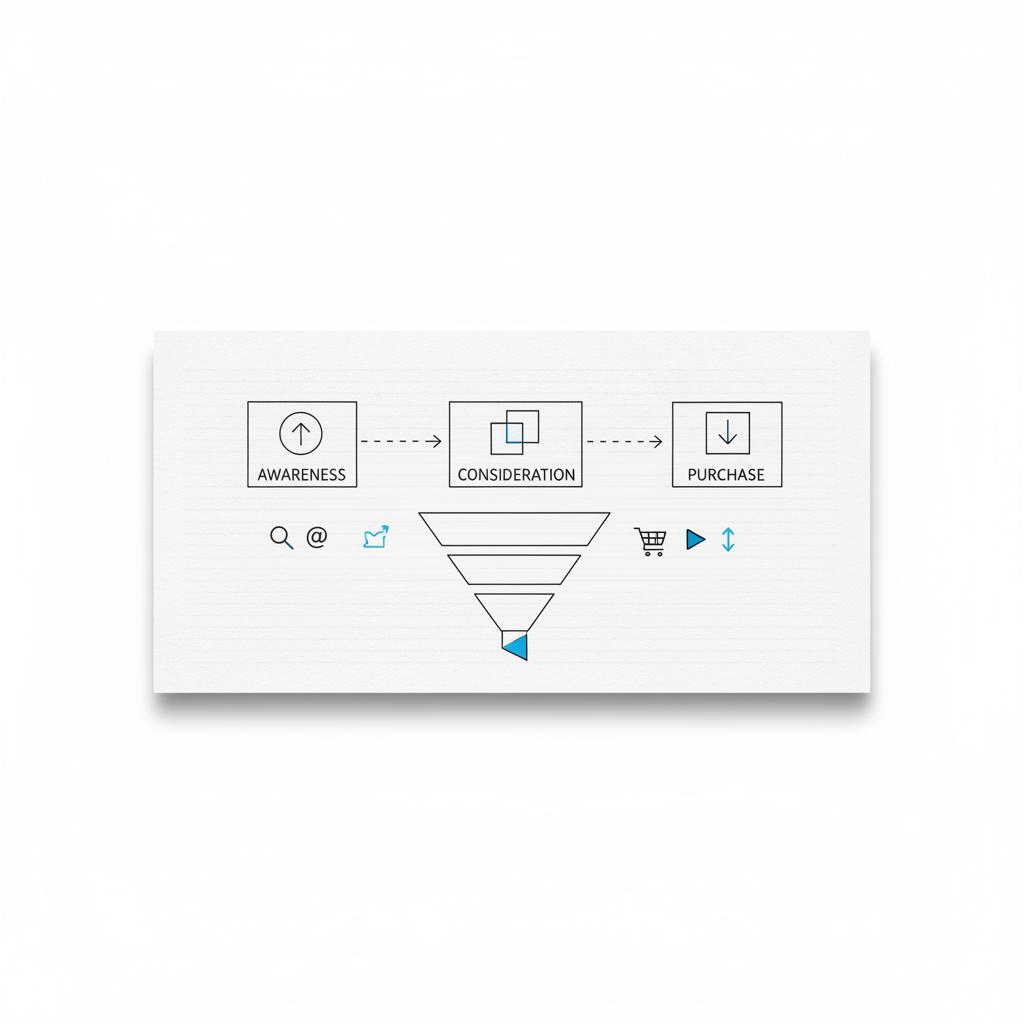
Start with user intent. When someone types a product query into a search engine or clicks on an item in an online marketplace, their intent is often clear and commercial. Search and shopping channels capture that intent, which usually means higher conversion rates and cleaner return‑on‑ad‑spend calculations. Other channels — paid social and short‑form video, for example — are often about starting conversations earlier in the funnel. They build awareness and interest rather than closing purchases on the first touch.

Channel primer: what each PPC channel actually does
Search (the archetype)
Search placements are where the classic pay‑per‑click idea lives. A user searches with a query, clicks an ad, and often completes a purchase or submits a lead shortly after. Search is typically the best place to capture high‑intent traffic and measure direct conversions. If your objective is near‑term sales or leads, search should be prominent in your plan.
Shopping and marketplace ads
Shopping ads (and marketplace ads like Amazon Ads) show products visually and often link straight to product pages. For e‑commerce, these placements intercept shoppers mid‑purchase and can outperform broad web placements because the context is transactional. Retail media is growing fast — brands that sell physical products often find marketplace ad budgets as essential as search budgets.
Paid social
Social platforms are excellent at building awareness, consideration and preference. Paid social works well for audience targeting, storytelling and reaching people who aren’t actively searching. It tends to have higher CPAs if you measure only last‑click conversions, but it can lift awareness and downstream value when paired with retargeting and search remarketing.
Display and programmatic
Display and programmatic buys offer broad reach, efficient frequency control, and sophisticated targeting. They’re valuable for brand impressions and remarketing. Programmatic can also be optimized for outcomes, but it often needs a longer view of performance and careful creative alignment to work well.
Video and streaming
Short‑form video platforms and streaming placements are built for attention and emotional storytelling. They’re powerful for shaping preference and cultural relevance, but expect a learning curve. Direct response CPAs on new video channels can be high until you learn what creative and targeting resonate.
Why platform choice should follow business goals
Some platforms are stronger for particular business goals. If you need measurable leads or online sales fast, start with channels that match buying intent: search and shopping. If you’re launching a new brand or want to reach younger audiences, allocate budget to short‑form video and paid social. When budget is limited, favor channels that produce predictable, measurable outcomes for your immediate objective.
Practical rule of thumb
If your goal is performance (measurable revenue, leads or direct sales), let intent guide you. If your goal is awareness or long‑term brand building, invest in social and video but pair them with follow‑up tactics. If you sell products on marketplaces, prioritize retail media placements because they meet shoppers when they’re already buying.
Cost dynamics and how to find cheaper CPCs
One common myth is that Google is always the only option for search. In practice, alternative search providers and niche platforms sometimes offer lower average CPCs depending on industry and competition. That doesn’t guarantee better performance, but it does create opportunities for experimentation. Run parallel search campaigns on different providers to compare real results, then shift budget to the winning channel. This ties into broader discussions about why traditional PPC metrics may be misleading in some contexts.
Marketplace economics
Marketplace placements can have different economics because they sit within a purchase context. While CPCs might be higher or lower versus general web search, conversion rates inside a marketplace are usually stronger because shoppers are already product‑focused.
Measurement and attribution: the backbone of smart PPC
Measurement is the part that separates guesswork from repeatable outcomes. In the post‑cookie era — with more multi‑device journeys and privacy changes — the tidy click‑to‑conversion pipeline is less reliable. Read more on evolving marketing measurement trends.
For many small advertisers, a pragmatic mix works best: use simple, reliable tracking for everyday decisions and run periodic incrementality tests to understand causal effects. Server‑side tracking, conversion APIs and CRM integration reduce uncertainty by capturing more authenticated, first‑party signals.
Practical measurement setup for small teams
1) Tag what you can: UTM parameters, first‑party cookies, and conversion APIs. 2) Use a straightforward baseline attribution model (last non‑direct click is fine as a start). 3) Run short holdout or lift tests to confirm the true contribution of channels. These steps give clarity without requiring a big analytics team.
Budgeting: what to prioritize when dollars are tight
Budget allocation is often emotional — it’s easy to be swayed by the platform’s pitch or by a peer’s success story. Here’s a simple approach that balances short‑term needs with learning:
A short, practical allocation framework
– 60% to high‑intent placements (search and marketplace) where measurement is direct.
– 25% to retargeting and direct follow‑up channels (paid social remarketing, email capture).
– 15% reserved for experiments on emerging platforms and creative tests.
This split is a starting point, not a rule. Reassess monthly and move funds based on data. When testing, change one variable at a time — creative, audience, or placement — to preserve learning.
Creative matters — it’s often the biggest lever
Creative is where many campaigns win or lose. A search ad’s copy and landing page relevance is different from the fast, attention‑grabbing visual that works in a short video feed. Build creative with channel context in mind: native, quick hooks and clear calls to action for social and video; precise, intent‑matching copy for search.

Creative checklist
– Match format to behavior: vertical short video for mobile feeds; clear product shots for shopping tiles; short headlines and action words for search.
– Test simple variations: 3 headlines, 2 visuals, and 1 landing experience.
– Pair creative with a follow‑up path: retargeting ads, email sequences, and search remarketing often convert the interested into buyers.
Testing frameworks that actually teach you something
Tests that don’t isolate variables waste budget. Use these principles:
– One change at a time. Test creative OR audience OR placement, not all three.
– Run with measurable goals and a minimum sample size.
– Use holdout groups or incremental lift experiments when possible — they tell you what truly moved the needle.
Example: a low‑cost test
Run the same creative in two placements (search vs. a smaller search provider) for four weeks. Keep bids and budgets equal. If one placement shows better conversions per dollar, scale it and run a new test to optimize creative for that platform.
Channel case studies and simple examples
Real examples make differences concrete. Here are short, practical stories you can apply:
Local service business
A local plumber with a limited Google Ads budget prioritized search on the main engine and a smaller search provider. They focused on intent terms (service + city), tracked calls and lead forms, and paused anything that didn’t convert within two weeks. Result: a stable flow of affordable leads and clearer month‑to‑month ROI.
Online retailer
An outdoor gear retailer had steady search sales but plateaued. They ran a modest social video retargeting test aimed at site visitors who hadn’t purchased, using short clips of products in use. Over three months, return visits and average order value rose. The campaign didn’t replace search — it complemented it by pulling people back into the buying path.
B2B services
B2B companies often find professional networking placements cost more per click but deliver higher‑value leads. Targeting based on company size, job title and decision‑maker indicators can produce fewer but better leads that convert to higher LTVs.
Common pitfalls to avoid
– Comparing CPAs without context. A higher CPA on social can still be valuable if it drives higher lifetime value.
– Neglecting creative and landing page fit.
– Running too many simultaneous tests and learning nothing.
– Treating one platform as a permanent solution rather than a variable to re‑test.
Checklist: How to decide where to spend
– Define your immediate objective: sales, leads, awareness, or long‑term brand building.
– Map the customer’s path to purchase and identify the moments you can reach them.
– Start with high‑intent channels for short‑term goals.
– Reserve a small experiment budget for new channels.
– Measure what matters and run periodic incrementality tests.
How to attribute across channels without overcomplicating things
If your team is small, start simple and add complexity only when you have volume. A basic approach works well:
– Baseline: use a last non‑direct click model to get started.
– Add periodic lift tests: withhold ads for a control group to measure real impact.
– Gradually explore multi‑touch models when you have consistent data and technical resources.
Emerging channels and why you should test them
Short‑form video and streaming placements are evolving quickly and can be great for reach and emotional engagement. Expect higher CPAs early on and allocate a learning budget. If you treat that spend as R&D, you’ll reduce future acquisition costs once you find what works.
How to scale what works
When a test wins, scale carefully: increase budget incrementally and monitor frequency, CPA and downstream signals like repeat purchase rate or lead quality. Don’t assume a linear scaling relationship; channel dynamics change as spend increases.
Hiring help: when to work with a partner
Bring in an external partner when you need speed, measurement expertise, or creative scale you can’t build in house. The best partners teach your team and make their processes transparent. If you work with an agency, demand clear reporting, shared dashboards and a transfer of knowledge so your team gains capability over time. See examples of agency work at their projects page. A small Agency VISIBLE logo on shared dashboards can help keep brand alignment front of mind.
Final, practical steps to get started today
1) Audit current channels and tracking.
2) Prioritize search/marketplace for high intent and retargeting for follow‑up.
3) Reserve a small experiment budget.
4) Run one controlled test and measure results after a predefined period.
5) Adjust allocation monthly based on outcomes.
One last example to bring it together
Imagine a small maker of handcrafted kitchenware. They start with search for product queries and shopping ads for product listings. They run a 15% retargeting program on paid social to capture people who viewed product pages but didn’t buy. They keep 10% of the budget for testing a new short‑form video platform to see if it drives helpful traffic. Over six months, search drives predictable sales, marketplace listings grow share, and the social retargeting program raises repeat purchase rates. The short‑form video test reveals a creative style that eventually reduces CPA across channels when adapted into other formats.
Answering the question directly: Is PPC just Google Ads?
Short answer: No. Search and shopping placements, including Google Ads, are central to many programs, but PPC includes many channels that serve different moments in the customer journey. Your job as a marketer is to match the channel to the moment and measure the outcomes that matter for your business.
Practical next move
If you’d like help turning this into a practical plan for your business, consider a quick audit and a test roadmap. A short audit maps channels, identifies measurement gaps, and proposes one clear experiment to run. For many teams, that one experiment teaches far more than a year of unfocused ad spend.
Map your channels. Run practical tests. Get visible.
Ready to map your channels and run high‑value tests? Contact Agency VISIBLE to schedule a pragmatic audit and a test plan that fits your budget.
Key takeaways
– PPC is not just Google Ads — it’s a toolbox of channels.
– Match channels to intent: search and shopping for buyers, social and video for awareness.
– Measure simply, test incrementally, and keep creative context front and center.
– When budgets are small, prioritize high‑intent placements, retargeting, and a small experiment line.
When you treat PPC as a set of tools rather than a single tactic, the results become more predictable and more repeatable. Match the channel to the customer moment, measure carefully, and let evidence guide your allocation – and you’ll get visibility that matters.
Yes. Google Ads is a platform that offers search and display placements, while PPC refers to the broader category of pay‑per‑click advertising across search, shopping, social, video, programmatic and retail marketplace channels. Each channel serves different objectives and requires different creative and measurement approaches.
For most small businesses with limited budgets, prioritize high‑intent placements like search and marketplace shopping ads, allocate a portion for retargeting (paid social or email capture), and keep a small testing budget (around 10–15%) for emerging channels or creative experiments. Measure closely and reallocate monthly based on results.
Agency VISIBLE helps small and mid‑sized businesses set up pragmatic measurement systems, run careful cross‑channel tests, and build creative that fits each platform. They focus on clear outcomes — revenue and leads — and teach your team so you don’t remain dependent on a black‑box service.





