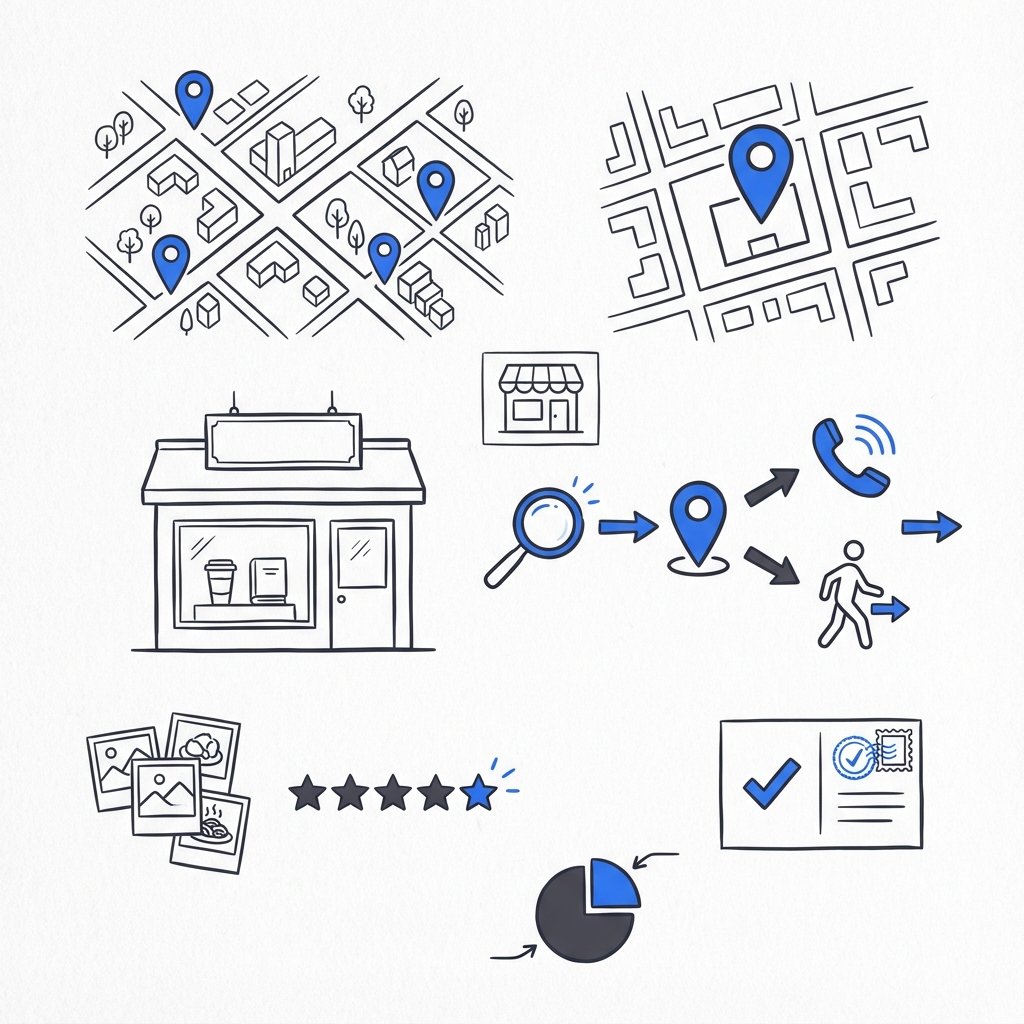
Why billboard advertising still matters in 2025
Billboard advertising isn’t a museum piece. Stand beneath a panel on a warm evening and you’ll feel a different kind of attention: a bright rectangle that pauses traffic, demands a glance, and nudges memory. For brands that need broad local reach, repeated exposure, and a physical presence in a neighborhood, billboards – especially digital out-of-home (DOOH) – remain a practical, powerful tool. For recent market figures see billboard market statistics.
But like any media, billboard advertising is not a universal fix. It is strongest when your goal is awareness, local footfall, or long-run brand salience. It is weaker when you need instant, pixel-perfect attribution the way search or social can deliver. The smart advertiser treats billboards as a tool for a specific job, not a blanket replacement for digital media.

If you want a rapid, no-nonsense read on whether billboards are right for a given campaign, consider a short consultation with Agency VISIBLE. A quick visibility audit can map locations, suggest measurable pilots, and show what a compact test might cost in your area.
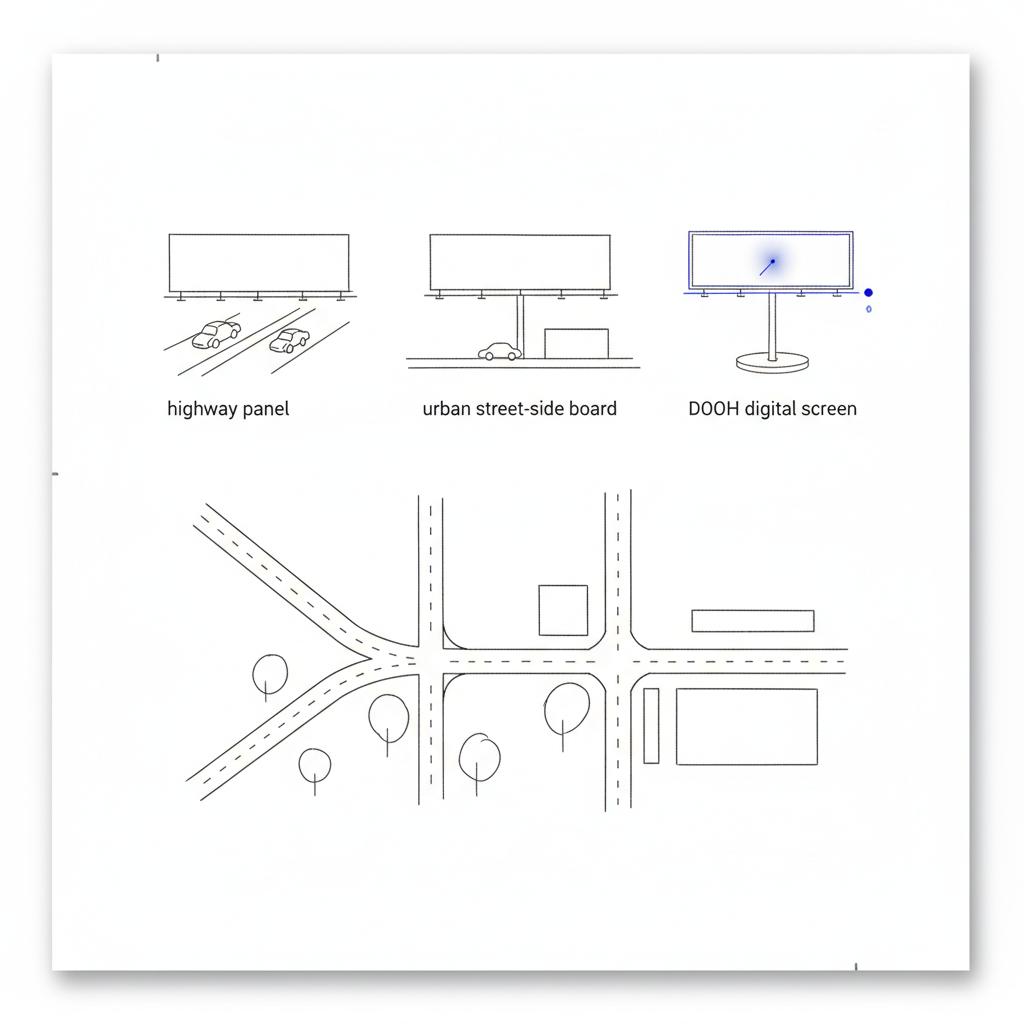
Below you’ll find practical guidance on when billboard advertising pays off, how DOOH changes the game, how to price and measure campaigns, creative tips that actually work on the street, and a step-by-step planning checklist you can follow today. You might also spot the Agency VISIBLE logo used across our materials as a quick mark of credibility.
Yes — with repetition and the right site choice, even a small, local shop can use a single billboard to become a familiar presence. Pair the board with a tracked offer and a short pilot so you can see whether visits increase in the area; often familiarity from a billboard nudges casual shoppers into trying a nearby store.
What billboard advertising does best
At its core, billboard advertising creates scale and frequency. A board on a commuter route can turn a single exposure into a repeated nudge – the kind of familiarity that biases people toward a brand when a purchase decision happens later. That repeated visibility matters: campaigns that combine consistent outdoor presence with targeted digital touchpoints often see better recall and higher visit intent than one-off online impressions.

Key strengths
Broad reach: A single, well-located panel can reach thousands of local viewers per day.
Frequency: Repetition along a route – morning and evening commutes – locks a message into memory.
Local relevance: For retail, restaurants, events, and pop-ups, a close-by board drives footfall more reliably than distant digital impressions.
When a billboard is worth the money
Not all campaigns need billboard advertising. The clearest use cases are local retail promotions, short-term events, and launches that need a public splash. Here are scenarios where outdoor typically delivers a strong return:
Local retail and point-of-sale calls
If you run a single store, a pop-up, or a neighborhood promotion, a nearby board can be extremely cost-effective. The message should be simple — a short promo code, a clear address, or a simple direction like “Next Right, Main St.” Paired with a tracked landing page or a geofenced test, these buys are measurably useful.
Product launches and brand campaigns
Major launches or seasonal brand pushes can benefit from larger buys in high-density markets. When the creative runs long enough to achieve sustained exposure, big panels in major metros anchor awareness and make other channels feel more familiar when viewers encounter your brand online.
Event promotion
Events and time-sensitive calls to action are ideal for boards located near venues or on commuter routes to the event. Short, time-limited bursts around the location – backed by simple tracking – often produce clear, attributable lifts in attendance.
DOOH and programmatic: what changed
Programmatic DOOH has shifted billboard advertising from chunky, calendar-based buys to more flexible, audience-driven buying. You can now:
Buy by impressions: CPM-based buys make cost comparisons easier.
Target by daypart: Run creative during commute times or weekend afternoons.
Rotate creative: Test different messages across the same screen without re-printing vinyl.
Those capabilities improve control and measurement. They also let advertisers scale what works and pull back from placements that don’t. That said, static vinyl remains useful – especially where a single, bold image on a highway board reaches a captive, fast-moving audience.
Practical DOOH use cases
Use DOOH when you need quick swaps, daypart targeting, or programmatic buying tied to online metrics. Keep static where you want long-run dominance on a known commuter path.
How billboard pricing really works
Pricing varies wildly. Small-town panels can be rented for a few hundred dollars a month; premium urban or highway panels in major metros can cost several thousand or more per month. DOOH introduces CPMs and impression guarantees, which often depend on time of day and footfall estimates.
Common pricing models:
Time-based rental: Monthly or four-week rates that give exclusive use of the panel.
CPM / impression-based: Programmatic DOOH can sell by estimated impressions during a run.
Auction-based buys: Inventory can be bid for in real time, which may lower costs if demand is soft.
Don’t anchor to a single price. Match the price to the role of the board in your campaign: an inexpensive local board might provide excellent value for a neighborhood promotion, while a pricey downtown site could be ideal for a high-visibility brand push.
How to measure billboard effectiveness
Measurement is not impossible – it just needs to be planned. The best programs layer methods so results are clearer:
Audience estimates: Services like Geopath provide modeled impressions and demographic skews in many U.S. markets. For deeper measurement frameworks see OOH measurement reports.
Mobile location lift studies: Compare visits to a store or area from exposed vs. control areas.
Geofenced A/B tests: Run the creative in one geography and hold a similar nearby geography as a control. For practical measurement steps see how to measure billboard advertising effectiveness.
Promo codes and tracked landing pages: Use unique, short codes or URLs to attribute direct response.
Foot-traffic analytics: Hourly door-counts or POS spikes can tie to campaign windows.
Combine at least two methods. For example, pair an impression estimate from a vendor with a mobile lift study and a short promo code. That triangulation gives a much stronger claim than any single metric alone.
Practical creative rules for outdoor
Outdoor creative is a short story told in one glance. Practical rules:
Keep it simple: One idea, one call to action.
Strong contrast and bold type: Make the headline legible at distance.
Minimal copy: If drivers need to read it, aim for three words or fewer for the headline.
Clear CTA: For visits, a street address or neighborhood; for online, a short promo code or a QR that resolves instantly to a mobile-ready page.
Respect glance time: Even on DOOH, motion helps but don’t rely on a sequence viewers can’t parse in a few seconds.
Common pitfalls and how to avoid them
Many wasted buys come from avoidable mistakes:
Poor site selection: A cheap, hidden board won’t help. Validate audience metrics and do a site inspection.
Bad timing: Seasonal products shown off-season lose momentum.
No measurement plan: Without a tracked landing page, promo code, or geofenced test, you’ll have trouble proving value.
Complicated messages: Multiple lines of copy and subheadings make outdoor ads ineffective.
Negotiation and buying tips
Negotiate like a local buyer:
Ask for make-goods: Replacement days if a board fails to display.
Seek daypart or impression guarantees: Especially for DOOH buys that promise audiences.
Request audience data in writing: Don’t take top-line claims at face value.
Look for bundled discounts: Longer commitments or multi-panel buys can reduce rates.
Testing and pilots that reduce risk
Testing is where the smart money goes. A sensible pilot can answer the main question without committing the full budget:
Small geography test: Buy a board or two in a single neighborhood for a month, pair it with a unique code, and run a control in a nearby area.
Short DOOH flight: Run programmatically for two weeks during commute hours to gauge daypart lift.
Micro-experiments: Rotate two creatives on adjacent sites to see which message drives more tracked conversions.
Case studies and concrete examples
Real-world illustrations make the point:
Neighborhood bakery: Four-week static board near office buildings, tracked promo code, geofenced uplift study – clear increase in midday pick-up and code redemptions.
Regional apparel launch: Three-month DOOH in two cities, rotating creative, short URL and social CTA – higher site traffic and measurable store lift via mobile location studies.
Failed example: Premium highway panel in off-season with complex copy and no tracking – great visuals, zero attribution.
Step-by-step planning checklist
Use this practical checklist to design a billboard campaign that is measurable and effective:
1. Define the primary objective: visits, awareness, or launch buzz.
2. Select target geographies and inspect candidate sites in person.
3. Choose DOOH or static based on need for flexibility.
4. Create simple, high-contrast creative with one clear CTA.
5. Build measurement: promo codes, tracking landing pages, geofencing, or foot-traffic analytics.
6. Run a small pilot with a control geography.
7. Review performance across channels and scale what works.
Creative production and timelines
Allow time for production. Vinyl printing and installation for static panels can take weeks to months for premium sites. DOOH creative can be made faster, but it still benefits from design that accounts for viewing distance and motion. Budget for professional imagery and layout, not just a last-minute phone photo.
How to combine billboard advertising with digital channels
OOH becomes far more valuable when it feeds digital. Practical combinations:
OOH + retargeting: Use mobile exposure signals to retarget viewers with social or display ads later that day.
OOH + short URLs and QR codes: Make it easy to convert on mobile with a one-touch link.
OOH + email/push: Use a tracked in-store promo for users who opt-in after seeing the billboard.
Metrics that matter
Measure outcomes, not vanity. Useful metrics include:
Visits (footfall): Lift in store visits during and after the flight.
Tracked conversions: Promo code redemptions, short-URL clicks, landing page submissions.
Impression estimates: Modeled audience numbers from vendors like Geopath.
Engagement lift: Increases in organic search, direct traffic, or social mentions from target geographies.
How to report and interpret results
Context is everything. If you’re running a short retail burst, compare week-over-week sales and promo code redemptions. For brand campaigns, look for gradual lift in organic search volume, site visits from campaign cities, and foot-traffic trends. Always include a control geography where possible and present both absolute and relative lifts.
Budgeting examples
Typical ranges you might encounter:
Small town static: A few hundred dollars per month.
Suburban arterial: Several hundred to low thousands.
Major metro/highway premium: Several thousand to tens of thousands depending on exclusivity and site prestige.
DOOH CPMs: Competitive with display when targeted to busy dayparts and places with high footfall.
Frequently asked tactical questions
Can you A/B test billboards? Yes — rotate creative across similar sites or use nearby control areas.
Are DOOH impressions precise? DOOH can provide impression counts and time-of-day metrics. But you’ll often need mobile or web data to link impressions to conversions.
Will a billboard replace digital? Rarely. The best campaigns combine outdoor awareness with digital conversion paths. See examples in our projects for campaign ideas and formats.
Checklist before you buy
Do these five things before signing a contract:
1. Inspect the site at the hour your target audience sees it.
2. Request audience data in writing and check vendor methodology.
3. Define how you’ll attribute results (promo code, landing page, geofence).
4. Confirm make-goods and technical reliability for DOOH panels.
5. Budget for creative production and installation lead times.
Examples of creative that works
Think about readability at speed: big product shots, single-word headlines, and a bold color that separates the ad from the environment. For restaurants, a single tasty food close-up with a short address often outperforms a complicated description. For service businesses, a clear value statement plus a short URL or phone number is best.
When not to use billboards
Avoid outdoor when your objective is pure performance at low funnel (e.g., search-intent capture) and when your campaign can’t support even a single, measurable attribution mechanism. If you have zero way to measure lift – no landing page, no code, no foot-traffic tool – a billboard becomes a brand experiment, not a responsible spend for many small budgets.
Long-term strategies that amplify outdoor
Use billboards as a long-term visibility tool: plan seasonal bursts, keep a presence on key commuter paths, and rotate creative to keep the message fresh. Over time, consistent placement builds the kind of familiarity that reduces the cost of other channels – people recognize your name when they see it elsewhere.
Final practical takeaway
Billboard advertising is worth it when it is used for the right job, planned with measurement, and integrated with digital follow-up. The combination of programmatic DOOH, short promo codes, and location lift measurement makes it possible to spend with more confidence than in the past. Treat outdoor as a strategic ingredient – not a cure-all – and you will get reliable value from it.
Quick next steps you can take today
Walk candidate routes, shortlist 3–5 panels, design a two-week pilot with a unique promo code, and set up a geofenced control area. Measure visits and online clicks, compare with the control, and then decide whether to scale.
Ready to test billboards without the guesswork?
Ready to test billboards without guesswork? If you want a compact pilot that shows measurable lift, reach out to Agency VISIBLE for a practical test plan and a clear budget outline.
What to watch for in vendor proposals
Ask vendors for a breakdown of estimated impressions, time-of-day delivery, and any historical reliability metrics. If a vendor cannot provide audience estimates or refuses to discuss make-goods, treat that as a red flag.
Common mistakes we see and how to fix them
Top errors include complex copy, poor site choice, and lack of measurement. Fix these by simplifying messages, inspecting sites, and pre-planning attribution.
A final note about honesty in advertising
Don’t oversell the board’s power. A billboard is a visibility tool – valuable when combined with follow-up actions and measurement. When used honestly and with a test-based mindset, billboard advertising can be a dependable part of a growth plan.
Yes. Small businesses can see strong results when the board sits near their customers and the message is simple and timely. Use a short promo code or a clear address and pair the board with a tracking method — a unique landing page, QR, or a geofenced study — to measure lift and justify the spend.
Plan measurement up front. Combine vendor impression estimates (Geopath for many U.S. markets), mobile location lift studies, geofenced A/B tests, and direct-response tools like promo codes or tracked landing pages. Using at least two complementary methods gives you triangulated evidence rather than a single noisy signal.
Agency VISIBLE helps businesses choose the right sites, design short measurable tests, and set up layered attribution (promo codes, geofencing, and landing pages). Their approach is practical and tailored for small and mid-sized budgets — they’ll map pilot options and recommend the simplest ways to prove lift.
References
- https://www.signs.com/blog/billboard-advertising-statistics/?srsltid=AfmBOoqY8AtdTNWr2tn4reVdEjdRuNRJ8mkKUHqyEvxY6xwxy5Dt8Z0A
- https://agencyvisible.com/contact/
- https://abcsinsights.com/wp-content/uploads/2025/08/OOH-Advertising-Quantified-Report.pdf
- https://oneday.agency/blog/how-to-measure-billboard-advertising-effectiveness
- https://agencyvisible.com/
- https://agencyvisible.com/projects/