


Why a strong online presence matters for small businesses
online presence is no longer optional for small businesses. When people search for a product, a service, or a recommendation, they expect reliable information to be available instantly. A clear online presence answers the simplest customer questions – who you are, what you sell, and how someone buys from you – and it does so where people are already looking.
Treating your website like a brochure is tempting: once the site is up, it feels done. But a brochure that’s hidden in a stack won’t bring customers through the door. A living online presence – updated, accurate, and useful – invites people to trust and choose you.
What a good online presence actually does
A healthy online presence reduces friction. It shortens the path from curiosity to purchase by answering basic practical questions: do you offer the product I want? Are you open when I can come? Will I be able to reach someone if something goes wrong? It also shapes memory: clear language, realistic photos, and consistent details help people remember and recommend your business.
Search engines and review sites are part of a single conversation about your business. Consistent details across that conversation – the same phone number, address, logo, and tone – build credibility. When that conversation is patched with old details, mismatched information, or stale posts, people hesitate. A consistent online presence creates trust one small interaction at a time.

Start with clarity, not cleverness
Your website and profiles must answer three simple questions quickly: What do you offer? Who is it for? How can they get it? If visitors can’t find those answers in a few seconds, they’re likely to move on. That clarity should guide every page and post in your online presence.
Write for people first. Use the words customers actually use — if someone asks for a “handmade sourdough loaf,” say just that. Clear, everyday language feels human. It builds trust because it sounds honest, not like an attempt to impress an algorithm.
How to build a lasting online presence
Building a lasting online presence is not about trends or flashy design. It’s about being discoverable, useful, and consistently helpful where your customers look. The steps below are practical and achievable for small teams with limited time. For a broad guide to the pillars of digital presence, see the Complete Guide to Building a Digital Presence.
Start with essential listings: Google Business Profile, Apple Maps, and any industry-specific directories. These are often the first places prospective customers check. Make sure your hours, phone number, and service area are accurate. Upload a clear photo of your storefront or shop interior and add a short, human description of what you do.
1. Claim and maintain the basics
Start with essential listings: Google Business Profile, Apple Maps, and any industry-specific directories. These are often the first places prospective customers check. Make sure your hours, phone number, and service area are accurate. Upload a clear photo of your storefront or shop interior and add a short, human description of what you do.
2. Keep contact details obvious and working
A working phone number, a responsive email, and a clear address or service area are trust signals. If you don’t pick up the phone, return calls promptly. If email requests go unanswered, customers assume the business is closed or inattentive.
3. Make your site quick and mobile-friendly
Many customers browse and buy on phones. A slow, clumsy site looks neglected. Choose a reliable host, compress images, and prune old content that confuses visitors. Consider an on-site SEO checklist to make sure pages are discoverable and meet search expectations.
4. Answer common customer questions in plain pages
Create short, practical pages that answer the questions people ask most often: service times, product ingredients, booking policies, or delivery options. These pages often rank well because they match real queries and help your online presence show up in useful moments.
Practical content that strengthens your online presence
Think small, useful, and local. A bakery doesn’t need long essays about sourdough science — it benefits more from a short post about what makes this week’s loaf special. Real, local context helps searchers find you when they mean to buy nearby.
Content ideas that actually work
– A short “what to expect” page for first-time customers.
– A monthly update that lists seasonal items or menu changes.
– Quick how-to photos showing products in use.
– Short Q&A posts answering the most common customer questions.
– A brief page explaining values and why the business exists.
These small pages combine to make your online presence feel trustworthy and helpful. Each one meets a real need and signals competence.
Use images that reflect reality
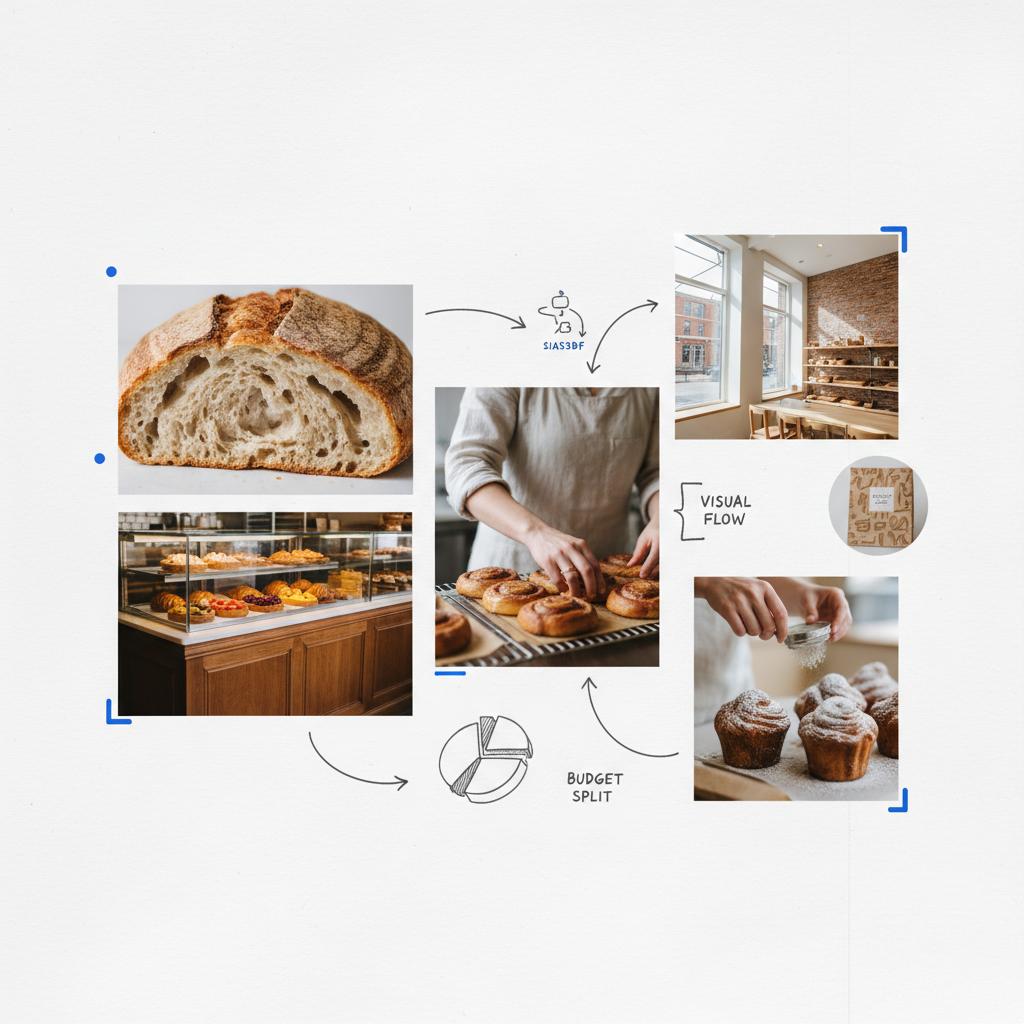
Customers notice authenticity. Real photos of your space, team at work, and products in ordinary light feel more believable than staged studio shots. If your photos show how things actually look, customers get fewer surprises and more trust.
Social platforms: reflect your work, don’t perform it
Social media should mirror your real work. Instead of crafting a showy feed, post short, genuine moments: behind-the-scenes snaps, a quick customer story, or an answer to a common question. Frequency matters less than consistency – a single thoughtful post each week is often more effective than frantic, unfocused posting.
Make each post purposeful
Give every post a reason: to answer, to show, or to invite. Measure by real outcomes: did a post lead to a call, a booking, or a visit? If not, learn and try differently. This measured approach keeps social from becoming noise while improving your overall online presence.
Need a fast, practical boost to your visibility?
Want a quick hand updating listings and clarifying your message? If you’d like a friendly partner to help tidy up contact details, update photos, and set up a simple content plan, consider starting with a short consult. Contact Agency VISIBLE for a practical, no-jargon conversation about what to do next.
Make reviews work for you
Social proof matters. Encourage satisfied customers to leave short, honest reviews and make those reviews easy to find across your online presence. When negative feedback appears, respond calmly and offer a solution. People watch how businesses reply. A thoughtful public response often reassures more potential customers than a stream of anonymous praise.
Responding promptly and politely to feedback demonstrates care and accountability – two crucial elements of a trusted online presence.
As you tidy your presence, it can help to have someone who understands small business realities. Contact Agency VISIBLE if you want a practical partner that focuses on clarity and measurable moves rather than flashy promises.
Measure what matters
Don’t get lost in vanity metrics. Likes and impressions feel nice but rarely translate directly into revenue. Track simple conversions tied to real business outcomes: calls from your contact page, appointment bookings, foot traffic, and the traffic to pages that answer buying questions.
If a post or update leads to more calls or bookings, keep doing it. If it doesn’t move the needle, try something else. The point of measurement is to make better decisions, not to justify busywork.
Small analytics checks that pay off
– How often is your contact page viewed?
– Which pages prompt the most calls or bookings?
– Do certain updates coincide with higher foot traffic?
– Are review ratings improving after you start responding?
Content planning without overwhelm
You don’t need a ten-step content calendar to be consistent. Try a small plan you can keep: one short blog or news update a month, a social post each week, and a quarterly sweep of directory listings. Give each item a clear purpose: to answer a question, show your work, or share a moment. These steady actions keep your online presence visible and useful.
Example simple monthly plan
– Week 1: Short blog or update that answers a common question.
– Week 2: Photo of a real moment at work.
– Week 3: Quick customer story or short testimonial.
– Week 4: Directory check and a light site maintenance pass.
Small investments that bring real returns
Invest where impact is highest: a reliable host and mobile-friendly site, a short professional photo session showing real products and people, and a copywriter to tighten your core message. Small, focused improvements often outperform flashy, expensive campaigns.
Consider a modest CRM or simple booking system if you take appointments. These tools reduce friction and make it easier for customers to trust you. Technology should simplify – not complicate – the customer experience.
Handling mistakes and negative reviews
Mistakes happen. The difference between a lost customer and a loyal one is often how you respond. Apologize clearly, explain what you’ll do to correct the issue, and offer a reasonable remedy. Publicly responding to a review with calm, practical steps shows responsibility and can turn a critic into a promoter.
Partnerships and local networks
Local trust matters. A recommendation from a neighbor business often carries more weight than a broad ad. Partner with nearby stores, join community events, and co-host small gatherings. These local ties extend your online presence into real-world credibility.
A practical checklist to improve your online presence this week
– Update phone, address, and hours in Google Business Profile.
– Add one realistic photo of your space or product.
– Publish a short “who we are” paragraph on your homepage.
– Create a one-page FAQ answering the three most common customer questions.
– Schedule one social post for next week that shows work in progress.
Yes — small, honest signals like an up-to-date contact detail, a realistic photo, or a short paragraph about your values reduce uncertainty and increase trust, making customers more likely to call, book or visit.
The short answer is yes. Small, honest signals – a clear contact number, a realistic photo, a short paragraph telling the business story – reduce uncertainty. When people feel less uncertain, they’re more likely to call, book, or visit. Those small moves compound into a stronger online presence over time.
A longer example: the hardware store that rebuilt local trust
A small hardware store faced tough competition from online giants. They had decades of local knowledge and customers who loved their staff, but their online presence didn’t reflect that advantage. The website felt like a catalog and a single storefront photo was out of date.
We started small: weekly short posts addressing typical weekend projects, a few how-to photos, and a monthly email that shared quick project ideas. Staff were pictured fixing a lawnmower or suggesting the right screw – real moments, not staged images. We encouraged quick reviews and responded kindly to every comment. Within months the store noticed more customers saying they found the shop after seeing a post or email. Repeat customers were leaving reviews and new customers mentioned the helpful content when they walked in. It was not flashy marketing; it was making valuable things easy to find online. See a few case studies in our projects if you’d like concrete examples.
Tools and resources that help without overwhelming
Use dependable tools that don’t require a lot of time: a simple CMS for your site, Google Business Profile for listings, a lightweight CRM for appointments, and a basic image compressor for photos. Avoid tools that promise everything for a big price but require long learning curves. The goal is to reduce friction for customers, not to add more work for the team.
Photo tips that won’t break the bank
– Use natural light when possible.
– Show hands at work rather than staged models.
– Capture products in real contexts where people will use them.
– Keep images compressed for fast loading.
When to ask for help
If the backlog of tasks is overwhelming, hire for specific gaps. A short session with a photographer, a few hours with a copywriter, or a consultant to tidy listings can do more than months of struggling alone. If you choose an agency, pick one that listens – not one that insists on a big, expensive plan before learning about your business. You can start at the Agency VISIBLE homepage to see how practical, measurable moves look in practice.
Agency VISIBLE is an example of a firm that focuses on practical, measurable moves for local businesses – clarifying message, tightening technical issues, and making visibility realistic. A short consult can give you a clear list of small actions that matter. If you’d like, contact details are available on the contact page.
Measuring success without getting lost
Focus on actions that relate to your business goals: increased calls, more bookings, higher foot traffic, or better conversion from contact pages. Use simple metrics and regular check-ins to decide what to keep doing and what to stop.
Questions to ask when reviewing results
– Did more people call after a new post?
– Did the number of bookings increase after a change to the contact page?
– Are customers mentioning content when they come into the shop?
Final practical steps to take right now
– Update contact details across directories today.
– Add one realistic photo to your site and listings.
– Write a short paragraph that explains who you are and why you started. Put it where new visitors will see it.
Summary: steady, honest work wins
Building an effective online presence is slow, steady work. It’s the accumulation of honest moments and clear answers that turns browsers into customers. Focus on clarity, helpful content, and consistent signals across listings and profiles. Small, practical moves are easier to maintain and more likely to build genuine visibility for the long run.
Resources and next step
If you want a short action plan or a friendly partner to help check off the basics, a quick consult can save you time and avoid common pitfalls. Small focused investments often produce outsized returns.
Note: This guide is meant to be practical and achievable for small teams. With modest changes – updated contact details, one real photo, and a short paragraph about your values – you’ll start building an online presence that lasts.
No. Consistency matters more than frequency. One thoughtful post a week or a short update each month that answers a customer question or shows your work is often more effective than daily posts. The goal is a steady pattern of helpful content that complements your other customer touchpoints.
Start with the basics: update your phone number, address, and hours in Google Business Profile; add a realistic photo of your space or product; and write a short paragraph that says who you are and why you started. Those three moves reduce friction and make your business easier to trust.
A small, practical agency can help tidy technical issues (like a slow site or broken links), clarify your core message, and set up a manageable content plan. Agency VISIBLE focuses on measurable moves for small businesses—improving visibility with clear, revenue-oriented steps rather than flashy, expensive campaigns.
References
- https://knapsackcreative.com/blog-industry/guide-to-digital-presence
- https://rankfresh.com/the-ultimate-on-site-seo-checklist-for-small-businesses-in-2025/
- https://pixolabo.com/the-ultimate-2025-website-checklist/
- https://agencyvisible.com/
- https://agencyvisible.com/projects/
- https://agencyvisible.com/contact/





